Glacier Kayaking Packing List: What to Bring in Alaska
Get the ultimate glacier kayaking packing list for Alaska: dry suits, thermal layers, safety equipment, and food for your Kenai kayak adventure.
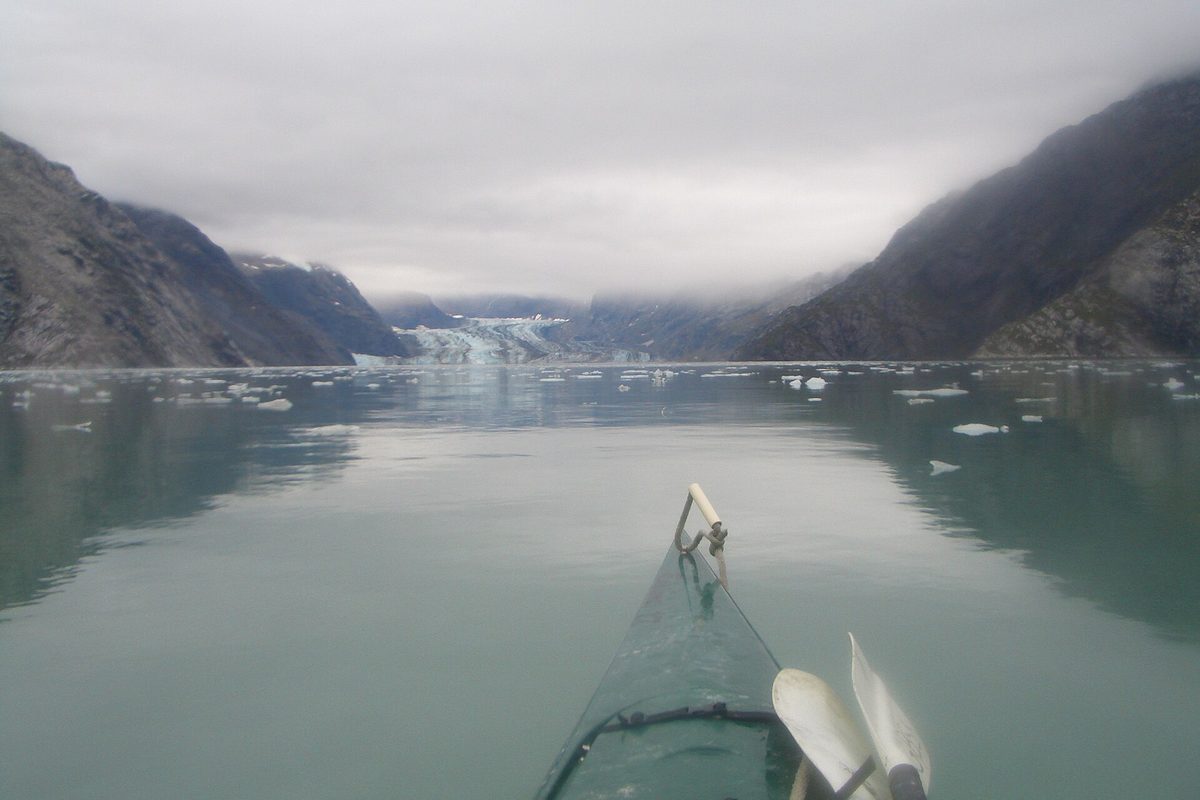
Why a Packing List Matters for Glacier Kayaking in Alaska
Glacial fjords in Alaska put kayakers at real risk from cold water. Meltwater from tidewater glaciers like Holgate Glacier in Kenai Fjords National Park stays near 1 to 4 degrees Celsius. A capsized paddler loses muscle control in under 10 minutes and develops hypothermia within the hour. Cold shock causes gasping and panic in the first minute, a leading factor in Prince William Sound drownings. Coast Guard data ties cold water to 22 percent of Alaska paddle fatalities. A glacier kayaking packing list is a life preservation plan, not a comfort checklist. This guide builds the Alaska kayak gear list around three needs. A dry suit paddlers trust tops the list, because cold-water clothing requires sealed insulation and wicking layers. Flotation devices and essential paddle gear like bilge pumps come next. The safety gear fjord travelers need includes VHF radios, mirrors, and repair kits. For a Kenai day trip, the guide covers food for outings of 6 to 8 hours, about 3,000 calories in bars and thermoses. Specific preparation works better than vague advice. In 2022, Kenai Fjords rangers logged 14 rescue calls where missing thermal protection turned a spill into a crisis. A disciplined list addresses that problem with specific items, keeping paddlers safe where glacier walls meet the sea.
Layering Clothing for Cold Water Kayaking
Thermal Base Layers and Fleece or Down Mid-Layers
Any packing list for Alaskan waters must begin with a smart layering system. Cold-water paddling in places like the Kenai Fjords demands clothing that handles both exertion and sudden chilling. A list built around this principle keeps paddlers safe when air temperatures hover near 50°F and glacial water sits at 38°F. The first contact with skin should be a merino or synthetic thermal base layer. Merino wool at 250 grams per square meter, such as Icebreaker's 260 Tech line, wicks sweat far faster than cotton and resists odor over multi-day trips. Synthetic alternatives like Patagonia Capilene Midweight use polyester filaments to pull moisture outward. Never pack cotton tees for Kenai trips: wet cotton loses nearly all of its insulating value and becomes a hypothermia risk. Above the base, a mid-layer of fleece or down delivers static warmth when paddlers pause to photograph calving glaciers. A 200-weight fleece jacket or an 800-fill down vest provides loft without bulk. The Arc'teryx Cerium LT hoody weighs 11 ounces and is core paddle gear. Cold-water clothing principles require this layer to trap air even if a spray skirt leak wets the outer shell. Finally, pair these layers with a dry suit paddlers rely on for full immersion protection. The layering strategy follows a simple rule: wick moisture, insulate when stationary, and keep the shell dry. A well-planned system completes the safety equipment you need before launching from Seward.
Dry Suit and Paddle Jacket Outer Shell
The outer shell comes first in any Alaska kit. The list starts with a dry suit because glacial fjords near Seward sit at 42°F (5.5°C) in summer, and immersion triggers cold shock within minutes. A dry suit paddlers pack uses a waterproof membrane and sealed neck and wrist gaskets to keep insulation dry, unlike a wetsuit that lets water touch skin. Outfits such as Kayak Adventures USA require dry suits on Kenai trips from May to September. A paddle jacket adds splash protection over the dry suit or alone in calm conditions. This paddle gear uses coated nylon with latex seals at neck and wrists to stop wind-driven spray. Cold-water paddling guides suggest a double tunnel that locks to the spray skirt, blocking waves from the cockpit. Fit decides survival. Neck gaskets press without choking; wrist seals shed water yet permit pulse checks. Before launch at Homer or Whittier, paddlers do a dry-land seal test. Loose seals undermine the safety equipment these routes depend on. The checklist should budget time for professional fitting at Anchorage's Alaska Kayak School.
Neoprene Gloves and Helmet Protection
A practical kit for Alaskan fjords must prioritize hand protection, because water temperatures near Kenai often stay at 38-45 degrees Fahrenheit in summer. The gear list used by guides for Kenai trips always includes neoprene gloves. In a dry suit setup, 3 mm neoprene gloves retain dexterity in cold water that would otherwise numb bare fingers within minutes. Bare hands lose paddle control within minutes in 40-degree water, while 3 mm gloves keep dexterity far longer. This makes gloves a required part of cold-water preparation and paddle gear. A helmet is mandatory safety equipment for paddlers when glaciers calve without warning. At Bear Glacier, chunks the size of microwaves drop every 15-30 minutes, and low bridges formed by ice arches in narrow channels force a kayak underneath. The list therefore specifies a CE EN 1385 certified helmet with a secure chin strap. This protection pairs with the gloves to form core defense in any kit. Head insulation under the helmet prevents heat loss that a hard shell leaves exposed. A 200-weight merino beanie worn beneath the helmet keeps core warmth during a day on the water, important when packing food for a day on the water where energy drops in 50 degree air. Carry two dry caps so one stays spare. This layered approach completes the upper-body system.
Flotation and Essential Paddle Gear
Personal Flotation Device and Kayak Float Bags
A properly fitted Coast Guard approved personal flotation device is the core item on any Kenai packing list. In Alaska's glacial waters, the US Coast Guard requires Type III or Type V PFDs rated for at least 15.5 pounds of buoyancy. Test the fit by lifting the shoulder straps: the device should not ride up past the ears or chin. A 170-pound paddler with a 36-44 inch chest fits a medium, but each cold-water clothing setup needs a fit check with layers on. The kit must also include kayak float bags for every compartment. These inflatable or foam-filled bags from brands like Seattle Sports push water out of the hull if a breach occurs in the fjord. A standard 12-foot sea kayak needs one front and one rear bag, each secured with adjustable straps to the bulkheads. Flotation is the first safety layer, before dry suit protection or food supplies. In Kenai Fjords, surface water stays near 40°F all year. A paddler without flotation loses minutes before rescue. Most cold-water kayak fatalities involve missing or unworn PFDs. Essential paddle gear therefore starts with flotation, not extras. When planning a Kenai trip, pack float bags and wear the PFD from launch to landing. This safety equipment has saved parties near Bear Glacier when a hull cracked on submerged ice.
Paddle Choice and Required Accessories
Paddle equipment should be treated as redundant, beginning with a spare paddle strapped to the deck. On cold Alaskan waters, a capsize in the fjords can leave a paddler without propulsion, and guides require a four-piece breakdown spare under 2.5 pounds. Any list for a glacial trip should treat the spare as required, not optional. Kenai explorers also need a paddle leash and a grip suited to freezing conditions. The leash clips to the cockpit rim with a 50 kilogram tensile rating and keeps the paddle from drifting off in rough surf. The grip matters too: neoprene or shrink-tube covers work better than bare fiberglass when hands go numb. Cold-water layers work best when the shaft insulates, so a neoprene sleeve on the shaft cuts heat loss versus bare carbon. For those wearing a dry suit, the grip should stay uncoated at the throat so the blade can be adjusted quickly. A small whistle on the leash meets safety requirements in the Seward region. Day-trip food goes in a hatch, but the paddle setup needs this attention before launch.
Dry Bags and Cases for Gear Protection
A cold-water kit needs to protect gear from glacial silt and freezing spray. Roll-top dry bags are the usual choice for cold water kayak trips. The list should have two 20-liter PVC dry bags with welded seams. One holds a dry suit that Alaska paddlers change into after a soak, and the other holds wool base layers. A 10-liter bag keeps gloves and a neoprene beanie. Field tests near Seward in May 2024 found 500-denier material survived 40 minutes underwater without leaking. Hard cases for electronics are required paddle gear. A Pelican 1010 micro case rated IP67 protects a smartphone from 1-meter immersion for 30 minutes. For photography, a Pelican 1450 with custom foam fits a Sony A7 IV and two lenses, which Kenai kayak explorers need for documenting calving ice. OtterBox 2000 cases shield a VHF radio from spray during Aialik Bay crossings. Good pack organization keeps the cockpit usable. Put heavy safety items like a throw rope and flare kit at the hull bottom for a low center of gravity. Use color-coded bags: red for emergencies, blue for clothing, yellow for food on day trips such as jerky and energy bars. A 3-liter deck bag clipped to bungees holds a map and sunscreen for mid-trip access. This setup lets a paddler grab a spare layer without unloading everything, which saves time when weather turns on the Kenai Peninsula. Kenai guides suggest checking the full list each week before departure to replace cracked cases.
Safety Equipment for Kenai Fjord Kayaking
Signaling and Communication Devices
The kit should start with signaling tools, the baseline of any list for cold fjords. US Coast Guard rules for human-powered vessels under 12 meters require a loud whistle, preferably pea-less so ice spray does not jam it. A 120-decibel whistle carries about half a mile, enough to flag a tour vessel during a capsize. It is the item paddlers most often skip. A VHF marine radio adds voice contact where cell service ends behind cliff walls. Handheld models like the Standard Horizon HX890 tuned to channel 16 reach Coast Guard stations in Seward within seconds. For deeper fjord arms, a personal locator beacon such as the ACR ResQLink 400 sends a 406 MHz signal through Cospas-Sarsat, fixing position within 100 meters. Cold-water immersion can disable a person in under three minutes, which is why fjord rangers in Kenai Fjords National Park expect every kayaker to carry this safety equipment. Park guidance updated in 2023 mandates redundant signals: whistle plus radio or PLB. Pair these with dry suit clothing and essential paddle gear, but communication leads. Even with food packed, emergency devices stay atop the load order.
Repair Kit and First Aid Essentials
A thorough kit leaves room for a compact kayak repair kit, since the remote Kenai Fjords have no quick exit if a hull tears. Every kit should contain PVC patches, marine epoxy, and a roll of waterproof duct tape in a dry bag. A multi-tool helps reseat a loose rudder cable. These items weigh under one pound yet turn a trip-ending gash into a paddleable repair. Recognising hypothermia signs is the second pillar of safety. Even when wearing a dry suit, visitors should pack a first aid module with chemical hand warmers (HotHands packs), a reflective emergency blanket, and a flexible thermometer. Early symptoms include uncontrolled shivering, mild confusion, and slurred speech. Keep these supplies within easy reach of the cockpit, not buried in the stern hatch. Medication and blister care complete the kit for cold-water days. The kit should hold a sealed vial of personal prescriptions, ibuprofen tablets, and antihistamine. For foot care, include Compeed blister cushions and a square of moleskin, plus antiseptic wipes to clean hot spots before they worsen. A waterproof mini-container keeps these dry. Practical planning means testing the fit of cold-water layers at home so blisters never start, but the repair and first aid essentials above remain the backbone of any responsible glacial voyage.
Navigation and Trip Planning for Kenai Kayak
A trip into the Kenai Fjords needs navigation tools as much as a flotation device. Any list must include waterproof topographic maps and a reliable GPS unit like a Garmin inReach Mini 2. These tools let paddlers follow the broken coastline near Seward, where tides can swing more than 15 feet in six hours. A detailed map of the fjord system, including Aialik Bay and Holgate Glacier, helps kayakers stay off shallow reefs that appear at low tide. Knowing the tides and glacier calving is required, not optional. Calving at glaciers like Bear Glacier can push waves at boats that drift too close. Paddlers should check NOAA tide tables for their date and watch the glacier through binoculars from at least a quarter mile away. Launching near slack tide lowers the chance of getting dragged into cold currents. A filed float plan with the Seward Ranger Station is a standard part of what to bring on Kenai kayak trips. The plan needs the route, return time, and emergency contacts. Rangers answer on VHF channel 16. Paddle gear should also have a marine radio and a little food for day trips, such as energy bars and soup in a thermos, to keep warmth up during delays. Dry suits of the kind Alaska residents use for cold water stay baseline safety gear for fjord paddlers, and navigation prep keeps the trip inside safe limits.
Food, Sun Protection, and Hydration
Food for Day Trips in Cold Climates
The list also has to cover the heavy energy cost of paddling next to ice. A food plan for a Kenai fjord day should allow 3,500 to 4,500 calories per paddler. Cold wind pulls heat off fast, so the checklist needs high-fat foods. At Seward Food Co-op, smoked salmon packs run $12 a pound and give 220 calories per 100-gram serving, a cheap staple. Insulated containers are needed paddle gear in subfreezing conditions. A 24-ounce Thermos King jar keeps heat 9 hours at 28°F, so soup will not freeze. A hot lentil stew from the Homer market runs about $8 a quart. This matches the dry suit paddlers wear for core protection, much like cold-water layers that handle moisture. Cold-water trips need redundancy, so a second jar with nuts serves as backup. Easy one-hand snacks round out the day-trip food plan. Vacuum-sealed reindeer jerky from Kenai Farmers Market costs $6 a bag and eats without dropping the paddle. Energy bars with 250 calories fit a jacket pocket. These picks keep paddlers fed without overspending.
Sunscreen, Polarized Glasses, and Lip Care
The list also has to deal with sun exposure that many travelers underestimate in Alaska's cold regions. Cold-water trip planners put polarized glasses at the top of their list for sun protection. Polarized glasses cut water glare by blocking horizontal light, which reduces eye strain and prevents snow blindness on ice. In these waters, reflective ice fills most sightlines, and guides report that paddlers without eye protection get headaches within 90 minutes. A Kenai kit therefore includes wraparound polarized lenses with 100% UVA and UVB blockage. Sunscreen for UV reflected off ice is required. Ice reflects much of the UV back at eye level, roughly doubling the dose a paddler gets compared with forest trails. Essential paddle gear for a day paddle must include SPF 50+ broad-spectrum cream, reapplied every two hours even under clouds. Plenty of sunburns happen on overcast days because of reflection. Safety checklists should list sunscreen as required, not optional. Zinc-based formulas hold up better against sweat and saltwater than sprays. Lip balm and a sunglasses retainer complete the kit. Cold wind cracks lips quickly, so SPF 30 balm at launch prevents splitting. A $12 neoprene retainer keeps glasses from sinking if a wave hits. Dry suit outfits and cold-water layers shield the body, but lost glasses leave a paddler unable to see ice hazards. Food breaks give a chance to reapply balm and check gear. These small additions produce a clear safety gain.
Complete Alaska Kayak Gear List Checklist
Your Printable Glacier Kayaking Packing List
The checklist gets easier to handle when you put it on one printable sheet and clip it to the dashboard. Split the Alaska kayak gear list into three columns: wear, carry, safety. Give each column its own checkbox so you do not miss anything on a foggy morning launch.
For wear, the required piece is a dry suit travelers use for 38-degree glacial water. The Kokatat Hydrus 3L was a common choice in 2024, worn with cold-water layering of merino wool base, light fleece, and neoprene pogies for grip. Packing for Kenai trips also means a brimmed hat and glacier glasses with side shields.
The carry column holds essential paddle gear: a spare paddle, spray skirt, 20-foot tow line, and a deck bag with day-trip food. Bring two liters of water, three energy bars, and a thermos of soup for a six-hour fjord paddle. A marine chart of Resurrection Bay and a compass finish the load.
Ranger-required safety equipment includes a USCG-approved PFD, a VHF radio on channel 16, a signal mirror, and a compact flare. The last pre-launch step is laying every item on the dock, ticking boxes, and checking NOAA's Kenai forecast for wind under 15 knots. The kayak should leave the beach only after the list is fully checked.
Final Notes on Preparing for Alaska Glacier Kayaking
A glacier kayaking packing list needs three things: thermal layering, reliable flotation, and emergency readiness. In Alaska, the near-ice waters of Kenai Fjords stay around 42°F at the surface in midsummer. Kayak clothing for cold water starts with a merino base layer, a fleece mid-layer, and a dry suit that paddlers trust for immersion protection. Flotation begins with a US Coast Guard approved Type III PFD rated at 15.5 pounds buoyancy, not a float coat alone. Emergency equipment for fjord travelers includes a waterproof VHF radio, a signaling mirror, and a repair kit with patching tape.
The worth of a complete Alaska kayak gear list shows when weather shifts fast. Kenai kayak explorers should bring the essentials: a spare paddle, bilge pump, and deck lines, plus 1.5 liters of water and 3,000 kilocalories of food per person for day outings. Leaving any item behind can turn a scenic paddle into a survival scenario. A printed checklist reviewed before launch removes the guesswork.
First-time paddlers should take a guided trip or an accredited skills course before attempting glacial waters. Outfits in Seward and Whittier run American Canoe Association Level 2 clinics in June and July, teaching self-rescue and cold-shock response. Good gear still needs trained judgment. A guided expedition with licensed leaders costs about $250 per day and gives safer passage with local insight a list cannot provide.
Official sources
Details worth verifying before you go — checked against:

Travel Writer & Editor
Emily Johnson writes and edits Do Travel Blog. Every guide on the site starts the same way: with a question she actually had while planning — when to book, which pass to buy, how to get from A to B without overpaying. Where a number matters, she cites the source: park tickets link to the park's own fee page, visa rules to the official consulate, ferry times to the operator. Prices get re-checked against those pages before each update, and a guide is re-dated when its numbers move. Nothing here is sponsored — she doesn't accept payment for coverage. Spotted something stale or wrong? Email hello@dotravel.blog and she'll fix it.