Kilimanjaro Climb Cost and Logistics Explained
Learn the real Kilimanjaro cost and logistics, from park fees to gear rental and flights. Plan your climb budget Tanzania with confidence.
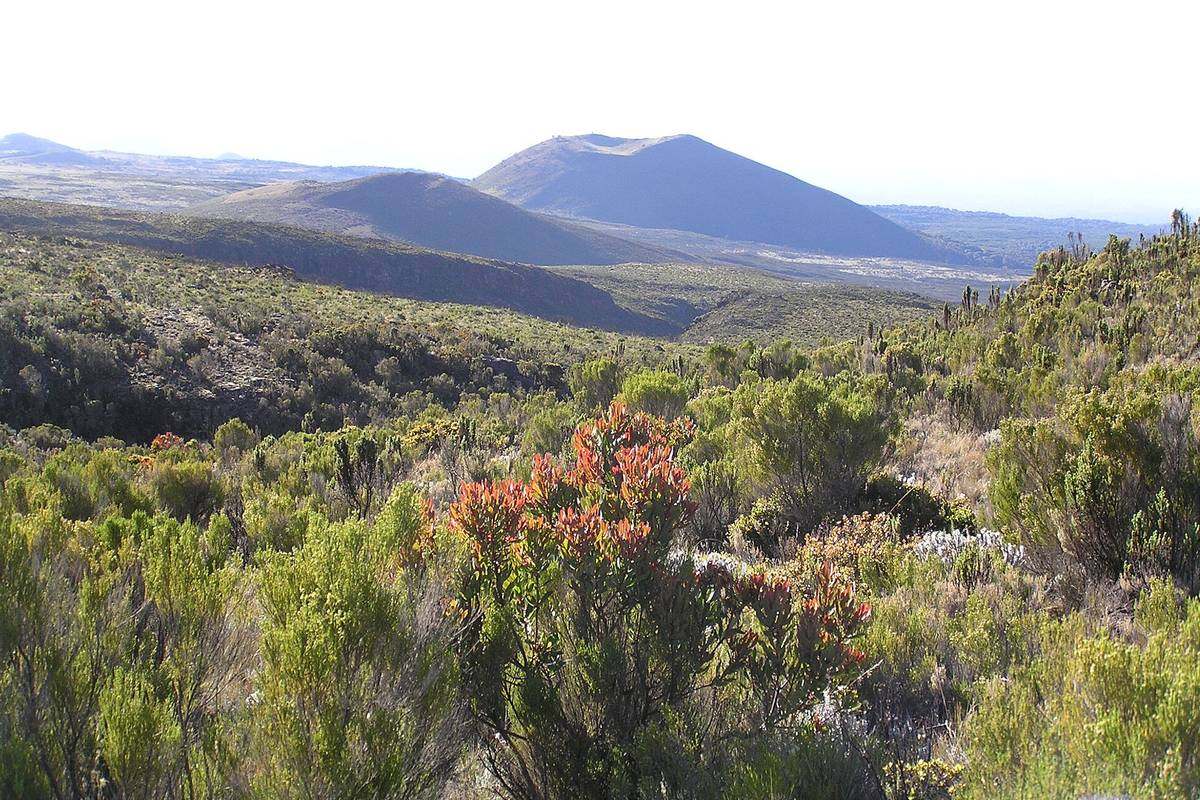
What It Costs and How to Plan a Kilimanjaro Trip
Planning a climb of Mount Kilimanjaro presents a financial puzzle that catches many trekkers off guard. Unlike a weekend hike, a high-altitude expedition in Tanzania demands advance budgeting for permits, guides, equipment, and international travel. In 2026 the Kilimanjaro cost splits into three tiers: budget group climbs at $1,800 to $2,400, mid-range operators at $2,500 to $3,800, and premium or private expeditions from $4,000 to $6,500 and up. The tier mostly decides crew ratios and how honestly fees are bundled — it does not decide whether you summit. Building a realistic Tanzania climb budget requires itemizing every expense before booking flights. Whether comparing budget operators or arranging a tailored itinerary, understanding the true cost ensures the focus stays on the mountain, not the paperwork.
Kilimanjaro Climb Cost Breakdown
Typical Prices by Route and Number of Days
The Machame route is the most booked middle range option for climbers watching costs. A standard six to seven day group trek with a licensed Tanzanian outfitter sat between $2,000 and $3,500 in 2024; in 2026 the same product quotes $2,500 to $3,800, squarely in the mid tier. That price includes park fees, meals, and basic gear rental for items like trekking poles and sleeping bags. The Lemosho route starts on the western flank and allows eight days for better acclimatization. It typically costs $3,000 to $4,500 per person. Operators such as Moshi based Safari Partners list an eight day Lemosho departure at $3,850 with crew wages and hut fees included. These ranges cover shared tents and standard service. Private climbs cost 20 to 40 percent more. Duration is the biggest factor in total Kilimanjaro logistics spending. Kilimanjaro National Park charges a daily conservation fee of $70 for adults plus a one time $50 rescue fee. Each added day on the mountain raises the baseline by about $120 before guide and porter salaries. A nine day Lemosho itinerary costs roughly $600 to $800 more than a six day Machame plan from the same operator, not counting luxury upgrades. Longer routes also increase gear rental and food volume, pushing the overall budget higher even when the headline route rate looks similar. Good budget planning goes past the trail fee. An international flight to Tanzania from Lisbon averaged $720 round trip with TAP Air Portugal in January 2025. Regional hotels near Arusha added $90 per night. Travelers must also budget a tip for porters and guides, a customary $250 to $300 per climber paid in cash at the gate. Counting these extra costs early avoids shortfalls at the final pre climb briefing.
Package Deals and Off-Season Discounts
All-inclusive packages dominate the mid to high end of the market, typically ranging from $4,500 to $6,500 per person. These operators handle park fees, licensed guides, full catering, and often the porter tips within the quoted price. In contrast, bare-bones operators advertise climbs from $2,100 to $3,000 but exclude critical items. A traveler must then source gear rental separately, with a full kit of sleeping bag, trekking poles, and insulated jacket costing around $200 to $400 in Moshi. Airfare remains outside both models, with off-peak fares from European hubs like Lisbon averaging $580 in April. Low season rates apply during the rainy months of April, May, and November. Budget planners can capture savings of 12 to 20 percent by booking these windows. For example, a standard six-day Machame route drops from $4,200 in high season to about $3,500 in May, while some operators throw in free airport transfer. Early bird discounts of $150 appear for deposits made six months ahead. Value propositions shift by traveler type. Solo backpackers with flexible dates gain most from bare-bones plus self-managed logistics, keeping total spend near $2,800. Families or older hikers prioritize all-inclusive certainty, accepting higher cost for medical support and fixed porter tips. Slow-travel advocates who weave local food markets into pre-acclimatization days still benefit from package deals that free time for cultural immersion.
Tipping Porters and Guides on the Mountain
Tipping is a required part of any climb in Tanzania. Mountain crew base wages stay low because regulated park fees and overhead costs like gear rental take most of the permit revenue. Tips for porters and guides are the main supplement to their income, so any responsible planner treats it as mandatory, not optional.
The Kilimanjaro Porters Assistance Project gives clear daily rates. A head guide gets $20 to $25 per day, an assistant guide $15 to $20, a cook $10 to $15, and each porter $8 to $10. On a typical 6-day Machame route, a small group shares a per-climber tip of about $300. Travelers building a budget should set aside roughly 12% of total expedition spending for tips, separate from airfare and gear rental.
Sample totals show the math for different group sizes. Two climbers with 1 guide, 1 assistant, 1 cook, and 6 porters pay a tip pool near $630, or $315 per person. Four climbers with the same crew expanded to 10 porters pay about $1,050, which lowers per-head cost to $262. Six climbers with 14 porters and 2 guides pay around $1,680, or $280 each. These amounts exclude park fees, paid separately to the government.
The whole budget calculation breaks down if tipping is left out, since crews rely on cash handed over at the summit. Trip planners say clear pre-trip talk about tipping the crew avoids final-day shortfalls and supports ethical tourism.
Park Fees and Permit Costs
Kilimanjaro National Park Daily Fees
The foundation of any budget estimate is the set of fixed charges collected by Kilimanjaro National Park. In 2024, the park entrance fee, officially the conservation fee, is $70 per climber per day for non-resident adults. The camping fee adds $50 per person per night at each designated site along the trails. A one-time rescue fee of $20 per person is also applied, but the daily accumulation of entrance and camping charges drives the total. For a standard 7-day Machame route, a climber pays $490 in entrance fees and $350 in camping fees, totaling $840 in park fees before any operator markup. For 2026 planning, budget park costs at roughly $160 to $200 per climber per day all-in once entry, camping, and rescue charges combine — about $1,100 to $1,400 for a seven-day route — and confirm the current gate total with your operator rather than trusting older itemizations. Park fees are calculated by route according to the number of days spent inside the park boundary. Longer circuits such as the 8-day Lemosho or 9-day Northern Circuit inherently incur more daily fees than the 5-day Marangu shortcut. This structure means the chosen itinerary directly shapes the budget Tanzania travelers must prepare. A route with extra acclimatization days is safer but adds $120 per added day in park costs alone. Most licensed operators bundle these government charges into their headline price. When comparing quotes, a traveler should confirm that entrance, camping, and rescue fees are included, because a low base rate that excludes them will distort the true logistics picture. Unlike a separate gear rental or the flights, which are booked independently, park fees are paid through the outfitter's permit application. The same bundled quote typically excludes porter tips, which remain a personal cash outflow on summit day.
Rescue and Conservation Charges to Expect
The full breakdown must account for mandatory rescue and conservation charges that form a large part of the park fees climbers pay. As of 2024, Kilimanjaro National Park applies a rescue fee of $20 per person per day, which funds the ranger-led search and evacuation system on the mountain. This fee is separate from the conservation charge of $70 per adult per day, a levy directed to habitat protection and trail upkeep across the UNESCO World Heritage site. Together these fixed daily rates mean a standard six-day route adds $540 to the Tanzania climb budget travelers should prepare. Beyond park-imposed costs, trekkers must meet mountain insurance requirements set by Tanzanian authorities. Personal cover must include emergency helicopter evacuation above 4,000 meters and medical repatriation, since the rescue fee alone does not cover private medical transport. Plans from global insurers typically cost $150 to $300 for a two-week policy and should be purchased before the flight. Practical planning advises building a contingency of $300 to $500 per climber for emergencies. This buffer can absorb a sudden gear rental price increase, an extra night at a hotel due to weather, or additional porter tips if the crew size changes. A clearly separated emergency fund prevents a missed summit due to cash shortfalls. Climbers who finalize their budget with this cushion avoid stressful negotiations at base camp.
Gear Rental and Equipment Expenses
What You Pay to Rent Gear on Kilimanjaro
Understanding gear rental pricing is a core part of cost planning. For most travelers, outfitting through local operators is the simplest path and keeps the budget focused on experiences rather than ownership. A full rental kit — a sleeping bag rated to minus 10 Celsius, trekking poles, and an insulated down jacket — runs about $200 to $400 for the expedition at 2026 Moshi and Arusha rates, well below what the same items cost new. Rental prices are lower than international retail and avoids airline baggage fees on the flight out. A one-time climber faces a clear math problem. Purchasing a comparable sleeping bag demands 200 to 400 dollars, poles 50 dollars, and a summit jacket 150 to 300 dollars. Renting still saves 200 to 500 dollars per person, funds better spent on park fees or the airfare. Only those plotting multiple expeditions should invest in ownership. Buying used gear in Arusha markets can halve costs yet lacks quality certification, a risk at altitude. Altitude demands certified gear performance. On the Barranco Wall and summit night at 5,895 meters, a bag rated warmer than minus 10 Celsius prevents hypothermia. Jackets need 600-plus down fill and wind-proof shells. Poles must have carbide tips for scree stability. Reputable agencies inspect items, yet climbers should verify seams and zippers. Skimping on quality to cut corners risks evacuation, a cost far above any rental fee. A fair tip for the crew at trek end is separate — figure $250 to $300 per climber for a seven-day climb — but gear readiness is non-negotiable.
What to Bring and What to Rent
A practical climb budget for Tanzania starts with a clear equipment checklist. Most climbers overestimate what they must buy. The essential clothing list includes moisture-wicking base layers, a fleece mid-layer, a down jacket rated to minus 10 Celsius, waterproof shell pants, and broken-in trekking boots. Technical gear covers a 65 liter duffel, a 30 liter daypack, a sleeping bag rated to minus 10 Celsius, adjustable trekking poles, and a headlamp with spare batteries.
For those tracking their budget, renting bulky items in Moshi or Arusha is smart: per-item quotes add up to well below retail, and you skip baggage fees on the flight out. Climbers should still pack personal base layers, socks, and boots for fit. The park fees for Kilimanjaro add fixed logistics: budget $160 to $200 per climber per day all-in for 2026, paid through the operator's permit application.
Solid planning links gear to arrival. A flight to Tanzania lands at Kilimanjaro International Airport near Arusha, with 2024 round-trip fares from Europe around $650. Reserve a buffer day for gear pickup and briefing. The budget must also allocate tips for porters, typically $10 to $15 per day per crew member, paid at the summit gate. Renting selected items and confirming park fees early keeps the total predictable.
Travel Logistics to Tanzania
Flights to Tanzania and Getting to the Trail
Most international travelers start their planning by booking flights. Kilimanjaro International Airport (JRO) is 45 km west of Arusha and 50 km east of Moshi. In 2024, KLM ran daily flights from Amsterdam to JRO, while Qatar Airways flew via Doha and Turkish Airlines connected through Istanbul. Travelers from North America typically paid $1,050 to $1,300 round trip, and those from London saw fares near $720. Some budget climbers flew into Nairobi (NBO) with Kenya Airways or Ethiopian Airlines and crossed by shuttle, a 5-hour drive that saved up to $150 but added a day of travel. Before I lock any of this in, I run my dates through the flight search I use and check a few nearby weeks, since airfare moves the final total more than almost anything else.
From Arusha or Moshi, the next step is the trailheads. The Machame route gate is 55 km from Arusha, about 90 minutes by private 4x4 for $65 to $85. Moshi is closer to the Marangu and Rongai gates, with taxi rides of 30 to 45 minutes at $25 to $40. Shared minivans leave both towns each morning for $12 to $18 per person, but private transfers are normal for expedition groups. Many Kilimanjaro packages include these rides, yet independent hikers should pre-book with licensed operators to avoid high quotes at the roadside.
Transport is a cost that can quietly raise the Kilimanjaro price if ignored. A realistic climb budget for Tanzania sets aside $250 to $400 per person for airport pickup, trailhead shuttles, and two nights of pre-climb lodging at $45 to $70 per night. This joins park fees (roughly $1,000 to $1,200 for a six-day permit at 2026 planning rates), gear rental ($200 to $400 for a full kit), and porter tips of $10 to $15 daily per staff member. Sorting these numbers early keeps the plan on track and avoids surprise costs at departure.
Visas and Travel Insurance for the Climb
Most travelers joining a Kilimanjaro climb must secure a Tanzanian visa before or upon arrival. Nationals of many countries, including the UK, Germany, and Canada, can pay $50 for a single-entry visa at Kilimanjaro International Airport (JRO). U.S. citizens pay $100 under a reciprocal fee agreement that has been in effect since 2019. The e-visa portal (eservices.immigration.go.tz) processes applications in 2 to 3 weeks. You need a passport valid for at least six months and a yellow fever certificate if you arrive from endemic regions such as Kenya. These entry costs are a small but mandatory part of the overall budget and should be logged in the budget early. Travel insurance is also a key part of trip prep, and it must explicitly cover high-altitude trekking up to 5,895 meters and emergency helicopter evacuation. Standard policies often exclude peaks above 4,000 meters, which leaves climbers exposed to rescue bills that can exceed $8,000 from the mountain to a hospital in Moshi. Look for confirmed coverage from providers like World Nomads or Global Rescue. While park fees include a daily rescue charge, that fee only covers ranger response, not airlift or medical repatriation. A typical annual policy with evacuation costs $150 to $300. That is a fraction of the gear rental or airfare but vital for safety. All documents must be arranged weeks before departure. Print the visa approval, insurance certificate, and flight itinerary, and save digital copies offline. Porters expect a tip at the end of the trek, so carrying small bills is part of the pre-trip checklist. Last-minute paperwork problems derail more climbs than weather does, so finalize the dossier 30 days out.
Wrapping Up Your Kilimanjaro Trip Plan
Planning a summit attempt on Africa's highest peak comes down to two linked parts: Kilimanjaro cost and Kilimanjaro logistics. The biggest fixed expense is park fees, which run about $1,100 to $1,400 per climber for a standard 7-day route at 2026 planning rates of $160 to $200 per climber per day all-in. Variable costs include gear rental for basics like a rated sleeping bag and trekking poles, $200 to $400 for the full kit. International travel adds airfare, with round-trip fares from places like Lisbon averaging $600 on TAP Air Portugal in the February shoulder season. On the ground, a fair tip for porters runs $250 to $300 per climber for a seven-day climb, paid into the group pool at the final gate. Good Kilimanjaro logistics start with booking a licensed operator at least six months early and confirming permit availability for your week. Flights should fit the acclimatization days in the itinerary. A practical Tanzania climb budget also covers vaccinations, travel insurance, and meals in Moshi before the trek. Writing down every cost line stops surprise shortfalls. Readers ready to commit should open a spreadsheet, list park fees, gear rental, and the tip for porters, then lock in a budget before contacting operators. Booking early gets both permits and lower airfares, replacing a vague plan with a fixed schedule.
Official sources
Details worth verifying before you go — checked against:
Travel Writer & Editor
Emily Johnson writes and edits Do Travel Blog. Every guide on the site starts the same way: with a question she actually had while planning — when to book, which pass to buy, how to get from A to B without overpaying. Where a number matters, she cites the source: park tickets link to the park's own fee page, visa rules to the official consulate, ferry times to the operator. Prices get re-checked against those pages before each update, and a guide is re-dated when its numbers move. Nothing here is sponsored — she doesn't accept payment for coverage. Spotted something stale or wrong? Email hello@dotravel.blog and she'll fix it.