How a Language Barrier in Pokhara Became My Best Evening
A language barrier in a Pokhara village led to the best evening of a Nepal trip through nonverbal connection, local food, and Gurung hospitality.
The Bus Dropped Me at the Wrong Stop
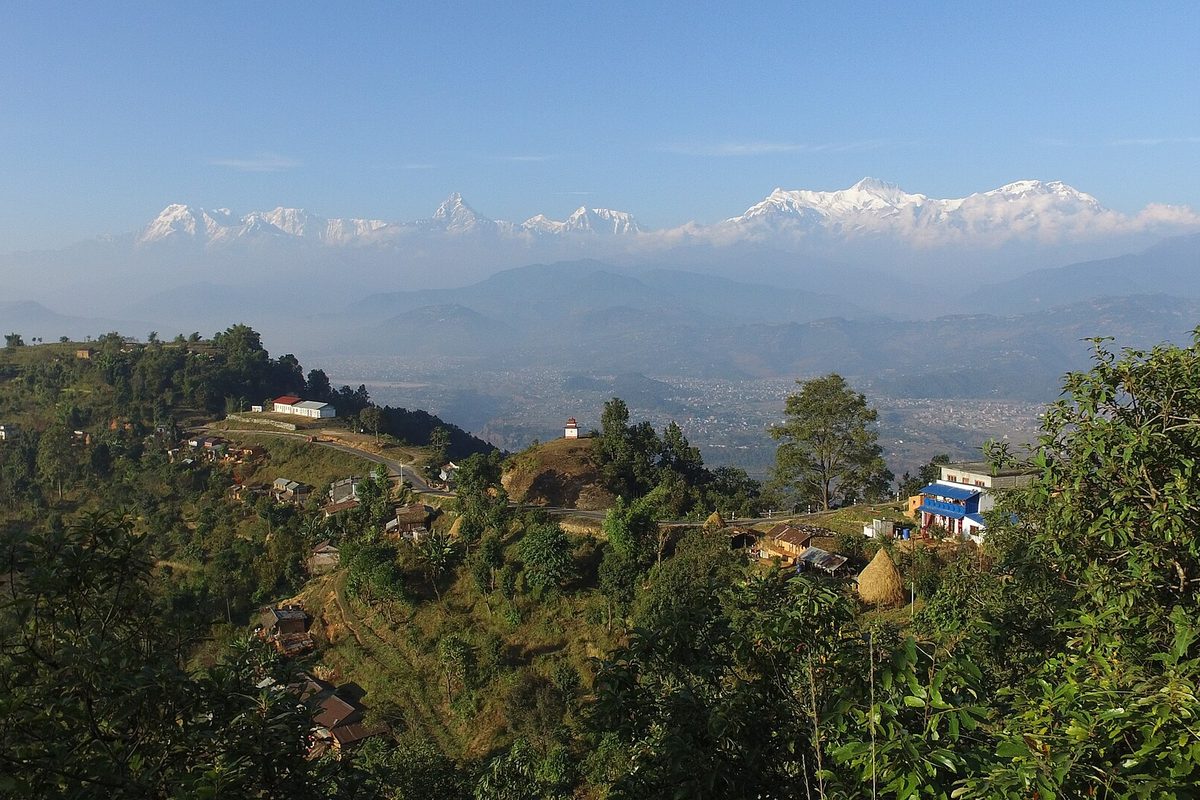
The local bus from Pokhara rattled to a halt at a junction I did not recognize. I had asked the conductor for the village near Phewa lake nearby villages, but my pronunciation landed somewhere else entirely. He waved me off with a smile. The language barrier Pokhara village travelers meet starts with small gaps like this one. I stood on a dirt road with no signal on my phone and no map that made sense offline.
A woman in a blue shawl walked past, paused, and pointed at my bag. I understood the gesture before any word formed. She took my elbow and walked me toward a cluster of stone houses. This was the start of my Pokhara valley village experience, and I had no plan for it. For those planning similar detours, see Pokhara Valley Villages guide for visiting without speaking Nepali.
Communication Without Words
We sat on a low wall outside her home. She spoke in a dialect I later learned was tied to Gurung culture in the hills. I answered in English. Neither of us understood the other's sentences. Yet within ten minutes we had agreed on three things: I would stay for the evening, I would help carry water from the tap, and we would eat together.
Communication without words is not magic. It is attention. She watched my hands. I watched her face. When I mimed thirst she laughed and brought a metal jug. When she mimed sweeping I picked up the broom. The work became the conversation.
Gesture map from that first hour: - Point at bag + tilt head = "Where you stay?" - Hand flat on chest + shake = "Alone." - Two fingers walk = "Come with me." - Circle with arms = "Evening, sit, eat."A Nepal Rural Homestay Without the Booking
Her name was Mali. Her husband was out with the goats. Their son, maybe nine, came home from the small school and stared at me like I was a broadcast from another planet. The house had two rooms, a fire corner, and dried maize strung along the beam.
This was a Nepal rural homestay in the real sense. No listing, no review, no host fee. Mali pushed a low stool toward me and handed me a sickle. The boy led me to the edge of the terrace where herbs grew wild. We cut mint and a bitter green I still cannot name. He counted my cuts in Nepali and I counted his in English. We both reached ten and grinned.
Hospitality in Nepal does not wait for language. It moves first. The door opens before the question is asked. For practical tips on this, Connecting Without Words: Travel Language Barrier Fix covers similar ground.
The Evening Rituals Begin
As the light dropped behind the ridge, Mali's husband returned. He nodded at me, set down the goats, and washed at the tap. The boy lit a single bulb hooked to a solar panel. Evening rituals Nepal style are quiet and fixed. Feed the animals. Wash. Sit. Eat. The order did not need translation because the body already knew it.
I helped spread a mat. The husband rolled a leaf cigarette and offered it. I declined with both palms out, a gesture that needed no word. He accepted the no and passed a cup of weak tea instead.
Local Food Sharing at the Fire
Dinner was daal, two greens, and a pile of flat roti Mali pressed on a curved pan. The bitter green we had cut went in last. The boy scooped rice onto my leaf plate and watched to see if I ate with my right hand. I did. He approved with a sharp nod.
Local food sharing in a village like this is not a meal. It is a contract. You eat what is given. You finish what you take. I cleaned the leaf. The husband clapped my shoulder once, hard, which I took as the highest grade.
What was on the leaf plate: - Daal (yellow lentil soup) - Two saag greens, one bitter, one mild - Two roti, hand pressed - A slice of radish, raw - No salt on the side, mixed in the daalThe Best Evening of Trip Nepal Moment
After the plates were stacked, Mali brought a harmonium from under the bed. The boy played a two-note line while she sang. The husband closed his eyes. I recorded nothing. The best evening of trip Nepal for me was the one I could not show later because the point was being there, not proving it.
A neighbor came in with a jug of raksi, the local spirit. He poured a thumb of it into a brass cup and pushed it to me. I lifted it. He lifted his. We drank. The music stopped. The quiet that followed was full, not empty.
Traveling Beyond Tourist Areas
Most visitors to Pokhara never leave the lake road. The cafes there speak English and the menus have photos. Traveling beyond tourist areas means trading that comfort for confusion, and the confusion is where the real line of a trip gets drawn.
I had planned a boat day on Phewa. I got a fire lit by a family who did not know my name. The boat would have been fine. The fire was better. The gap between the two is the gap the language barrier opens, and on that evening it opened onto something I did not expect.
Improvised Travel Moments and Slow Travel
The boy fell asleep on the mat. Mali pointed at the corner and mimed a blanket. I lay down. The husband snuffed the bulb. Stars came through the open beam.
Improvised travel moments like this cannot be scheduled. They happen when the plan fails and you stay instead of fleeing. Slow travel is not a pace. It is a willingness to let the place set the clock. The village set mine that night and I did not reset it.
Authentic Encounters Beat Tourist Isolation
The next morning Mali walked me back to the junction. The bus came. She put both hands together and bowed. I did the same. No email, no follow, no photo sent. Tourist isolation is what you get when you stay where your language is spoken. Authentic encounters are what you get when you do not.
The language barrier Pokhara village life builds between visitor and host is not a wall. It is a filter. It strips the small talk and leaves the signal. What passed between us that evening needed no grammar. It needed time, and we had it.
What I Learned About Nonverbal Communication
Nonverbal communication carries weight that words dilute. A shared cup says "you are safe." A swept floor says "you are welcome." A finished plate says "I respect your work." None of these need a translator.
In village life Parbat and the Gurung hills, the body speaks first. The tongue catches up only when trust is already built. I left with that order reversed in my own habits. I now watch hands before I listen to sentences.
Practical Reflection for Your Own Trip
If you want a Pokhara valley village experience like this, do three things. First, take a bus that goes past the last resort and get off where the road narrows. Second, say yes to the first invitation that uses no words you know. Third, put the phone away before the sun drops so the evening can happen without a witness.
The language barrier will not break. You do not need it to. You need to stand on the other side of it and wait. The village will come to you.
Why This Evening Stays With Me
I have been to Pokhara three times since. Each time I skip the lake road for an afternoon and ride a bus I cannot fully explain. The best evening of trip Nepal was not the one I planned. It was the one that planned me, through a woman who pointed at my bag and a boy who counted cuts of mint in a language I still do not speak.
Cross cultural travel story is a phrase people use for the polished version. This was not polished. It was a fire, a leaf plate, and a harmonium played off key. That is the version worth keeping.
How to Prepare for the Barrier
Pack less English. Carry a small notebook and draw what you need. Learn five gestures before you leave: eat, water, thank you, where, stop. The rest will form on the ground. A Nepal rural homestay found by accident will teach you more than a booked one because the host is not performing for a rating.
Phewa lake nearby villages are close enough that you can be lost by four in the afternoon and home by nine the next day. The window is small. Use it.
Final Note on the Evening
Mali's husband asked me once, in rough English he must have picked up from trekkers, "You come back?" I said I would. I have not yet. But the question sits in my pocket like the brass cup did in my hand, and one day I will return it with a visit.
The language barrier Pokhara village evenings build is not a problem to solve. It is a door to walk through with empty hands. I walked through it once. The best evening of trip Nepal came out the other side.
Official sources
Details worth verifying before you go — checked against:
Travel Writer & Editor
Emily Johnson writes and edits Do Travel Blog. Every guide on the site starts the same way: with a question she actually had while planning — when to book, which pass to buy, how to get from A to B without overpaying. Where a number matters, she cites the source: park tickets link to the park's own fee page, visa rules to the official consulate, ferry times to the operator. Prices get re-checked against those pages before each update, and a guide is re-dated when its numbers move. Nothing here is sponsored — she doesn't accept payment for coverage. Spotted something stale or wrong? Email hello@dotravel.blog and she'll fix it.