Winter Photography Spots in St. Petersburg: A Guide
Discover top st petersburg photography spots for winter: snowy streets, frozen canals, rooftop views, and golden hour tips. Best winter photo spots russia guide.
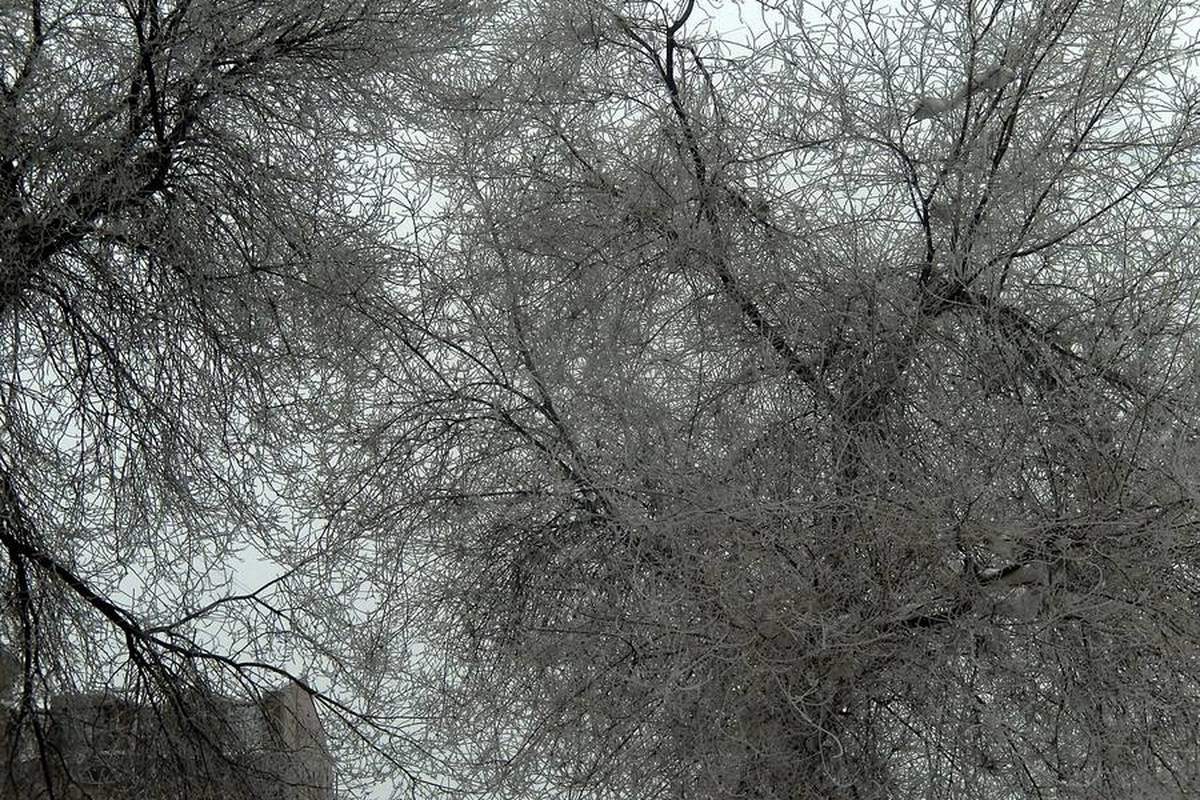
Camera Gear for Cold Weather Shooting
Keeping Equipment Safe Below Freezing
Shooting in St. Petersburg during deep winter means temperatures regularly drop below minus 10 Celsius, and not every camera body is built for that. Choose gear with a cold weather rating or proven subzero performance. Professional DSLRs and mirrorless bodies from brands like Nikon and Sony often operate down to minus 20 Celsius, but consumer kits may shut down at minus 5. When planning winter photo spots in Russia, check the manual before you travel. A frozen shutter or dead sensor in the field ends a session fast. Bring a second body if you can, so one stays warm in a bag while the other works the street. For st petersburg photography, reliable hardware matters more than extra megapixels once the Neva starts icing over. Keep lens changes rare and done inside a coat or car to block snow from the sensor. A weather sealed zoom covers most scenes without swaps. Pack silica gel in your bag to absorb moisture from snow melt. Use a neck strap rated for cold, since cheap nylon goes stiff and slips. Touching metal with bare hands at minus 15 causes instant skin stick, so keep thin liner gloves under shooting gloves. A small microfiber cloth clears condensation on the viewfinder. Plan routes around best views st petersburg so you waste no time exposed. Winter golden hour is short, near 9 am and 4 pm, so gear must work the first try. Rooftop views st petersburg are worth the climb but wind chill cuts battery life and fingers fast. Photographing snow city means testing your kit at home in the freezer first. Know which buttons freeze and which modes fail. That prep turns a brutal day into clean files.
Tripods for Steady Low Light Shots
Photographing snow city scenes in St. Petersburg during the long blue hours demands a tripod that will not buckle on frozen ground. Cheap travel tripods with thin aluminum legs sink into slush or vibrate when a tram passes on Nevsky Prospekt. Choose a sturdy model with thick legs and a reliable twist-lock or flip-lock system that works with gloves on. Carbon fiber stays manageable in sub-zero cold, while steel offers more mass for stability at a weight penalty. At popular winter photo spots Russia visitors flock to, like Palace Square or the embankment near the Hermitage, you will often shoot beside other photographers on uneven ice. A wide foot spread keeps your rig upright. If your tripod lacks snow shoes, press the feet firmly into packed snow rather than loose powder to avoid slow drift. The frozen canals of St. Petersburg photography locations such as the Moika or Griboyedov Canal reward a planted, level base when you frame the pastel sky reflected on ice. A weight hook on the center column is not optional in coastal wind. Hang your camera bag, a filled water bottle, or a sandbag bought from a hardware store on Vasilievsky Island. This drops the center of gravity and stops the tell-tale shake at 1/4 second that ruins a crisp shot of the Admiralty spire. Best views St Petersburg from rooftop bars near Rubinstein Street also expose you to gusts, so weight the hook even on seemingly calm nights. Low light photography benefits from long exposures that the human hand cannot hold steady. With a tripod, you can use ISO 100 and f/8 to capture the glowing windows of the Winter Palace over two or three seconds. Golden hour arrives late, near 16:00, and fades fast. Set up before light fails so you are ready when the rose light hits the domes. Rooftop views St Petersburg paired with a weighted tripod turn shaky snapshots into sharp, printable frames of the snowy city.
Snow Covered Streets and Building Fronts
Shooting Old Facades with Snow
St. Petersburg photography changes when snow covers the carved cornices and pale facades of the old city. The Winter Palace and the buildings around Palace Square get a thin white cap through December and January, and shooting them from street level keeps the human scale that makes winter photo spots russia worth visiting. Stand near the Alexander Column and frame the east wing with a low angle so the snow on the roofline meets the grey winter sky. The best views st petersburg from street level often come from the embankments, where frozen streets run straight toward a distant gate or bridge. Use those frozen streets as leading lines. A shot down Nevsky Prospekt after fresh snow pulls the eye from the foreground boots and tram tracks to the dome of Kazan Cathedral two blocks away. Snow city details come out best when you let the snow act as a natural reflector, lifting shadow detail on doorways and iron railings. Golden hour arrives late, near 3 pm, and paints the facades amber for about twenty minutes. Rooftop views st petersburg show more of the snow covered roofs, but street level catches the frost on the lower reliefs that rooftops miss. Move slowly and watch how each facade changes as the light drops.
Winter Street Photos in City Squares
The largest squares in St. Petersburg turn into open white fields after a fresh snowfall, and the best window for st petersburg photography is the quiet hour after dawn. Palace Square and Senate Square are nearly empty before 8 a.m. in January, when the snow is untracked and the granite absorbs the soft blue light of early winter. Arrive with a wide lens and shoot from a low angle so the snow foreground leads the eye toward the Alexander Column or the bronze horseman. Winter photo spots russia rarely get this still, so use a tripod and a slow shutter to keep the faint steam from breath and chimneys sharp against the cold air. Photographing snow city scenes at this hour means exposing for the bright ground, then lifting shadows in post so the building fronts keep their pale yellow and green facades. Debris and footprints vanish under fresh cover, which makes the plazas read as clean stages rather than busy crossings. Wait for the first locals to cross with a dog or a delivery cart, and frame them small against the scale of the architecture to show the cold distance. Horse carriages still run from Palace Square on clear frost days, and a team moving at walk pace leaves a straight track you can use as a leading line. Ask the driver to pause near a lamp so the frost on the harness catches the low sun. For composition in empty plazas, place the horizon low and let two thirds of the frame hold sky and snow, or use the rows of columns at the General Staff building to make a repeating rhythm. Best views st petersburg often come from the center of a square rather than its edge, where the surrounding facades close into a bowl of light. Golden light here is short, roughly 9 to 10 a.m., so meter for the bright snow and bracket one stop under to save detail in the ice.
Frozen Canals and the Neva River
Photographing the Frozen Neva River
When the Neva River freezes in deep winter, usually from late December through February, it becomes a well known setting for st petersburg photography. Large flat sheets of ice mix with broken ice floes drifting near the banks, and the city's grand bridges frame the scene. From the embankment near Palace Bridge you get a clear sightline to the Hermitage and the Peter and Paul Fortress across the water. The wide open surface reflects the pale northern sky and picks up the warm glow of street lamps at dusk, which makes it a prime entry on any list of winter photo spots russia with iconic views. Shoot with a focal length of 24 to 70mm to capture both the bridge architecture and the texture of the ice. A polarizing filter helps cut glare from the snow and frozen surface. Photographing snow city scenes along the river works best in the blue hour just after sunset when the buildings are lit but the sky still holds color. For best views st petersburg from this angle, stand low near the waterline so the ice leads the eye toward the distant domes. Safety matters on the frozen Neva. Stay on marked embankments and never walk far onto the ice, since currents under the surface create thin spots. Use a tripod with spiked feet for grip on snow packed along the railings. The golden light here is short, often under 40 minutes, so arrive early to set up. Rooftop views st petersburg of the frozen river are available from some tour terraces near Isaac Cathedral, giving a wider map of ice and bridges. Dress for wind chill near the water, which drops temperatures fast. These river bank shots deliver the postcard image of a frozen northern capital.
Ice Surfaces and Reflected Light
Partially frozen canals across St. Petersburg create a split surface where dark open water meets milky ice, and that contrast helps st petersburg photography. Stand at the edge of the Griboyedov Canal near Bank Bridge just after snowfall and you get a doubled image: the lit facades above and their cold copy below. Shoot from a low angle so the ice fills the lower third of the frame and the reflection reads as a second street. A polarizing filter cuts glare on wet snow while keeping the deep blue of the ice. On the Neva River the frozen margins near the Winter Palace allow wide shots of the waterway with the Peter and Paul Fortress sitting across the white expanse. For macro ice patterns, switch to a 100mm zoom lens and study the frozen edges of small canals in the Vyborg Side district. You will find feather-like frost crystals and trapped air bubbles that look like carved glass. Focus manually and use a small aperture like f/11 for depth across the crystal. These close-ups pair well with architecture photography because a single frozen detail can introduce a wider shot of the same embankment. Best views st petersburg for this combination include the Moyka River railings where iron work frames the ice. Golden hour gives warm low light that turns pale ice gold and makes photographing snow city feel less flat. Rooftop views st petersburg such as those from the Kunstkamera dome add a city-scale layer to your ice studies.
Rooftop Spots for City Photos
St. Petersburg Rooftops You Can Visit
Several buildings in St. Petersburg let visitors onto their roofs, so photographers can get clear views over the historic center without needing private access. The bell tower of the Peter and Paul Cathedral gives you shots of the Neva embankments and the spit of Vasilyevsky Island from about 40 meters up. The rooftop terrace at the Singer House on Nevsky Prospekt looks out at the Kazan Cathedral and the Admiralty, a good spot for framing domes with falling snow. For a wider view, the observation deck at St. Isaac's Cathedral stands 43 meters high and shows the Moyka and Griboyedov canals frozen in January. Each place sells tickets and has staff, so you can plan a visit during open hours and still catch the low winter light. Rooftop views St Petersburg open to public like these avoid the trespass risk that comes with unofficial urban climbs. Best views St Petersburg often come from these legal decks because they sit above the trees and street clutter. Photographing snow city scenes from above shows the streets as white channels between yellow facades. Winter photo spots Russia work better from height because ground level loses detail under piled snow. St Petersburg photography from roofs shows the scale of Empire architecture better than any street corner. The dome of St Isaac's also gives a 360 frame for the Hermitage and Palace Bridge. Arrive 90 minutes before sunset to get a slot and set tripods on the nonslip mats provided. Golden hour from above starts near 15:30 in December and turns the snow orange. Public decks need no permit, but winter safety means crampon soles and care with ice on the stairs. Staff may close roofs during ice storms, so check the venue site that morning. Use gloves thin enough to work the dials yet warm for minus 10 conditions. These open roofs make elevated St Petersburg photography practical for traveling shooters.
Getting Wide Views from Above
St. Petersburg photography changes when you leave the street and go up to a rooftop or bell tower. The city's historic buildings have several observation decks and church bell towers where you can see the frozen Neva and the dense grid of snow-covered rooftops. From the colonnade of St. Isaac's Cathedral you get a clear view toward the Admiralty spire, while smaller bell towers near Smolny and the Peter and Paul Fortress give tighter, angled frames of the city's famous needles and domes. These high spots are some of the best places in St petersburg for wide winter shots. Rooftop views st petersburg photographers like include converted loft cafes near Rubinstein Street that let guests with cameras use their terraces. To get the full skyline, take a series of overlapping frames and stitch them later in software. Keep about 30 percent overlap between shots and lock exposure on the brightest spire so the merge stays even. A 24mm lens works, but a 50mm stitched together gives sharper detail across the final panorama. Winter haze from wood smoke and breath fog can flatten distant spires, so shoot right after a cold front passes when the air is clear. The low winter light lasts barely 90 minutes, so plan your climb 40 minutes before sunset. Photographing snow city from above means exposing for the bright roofs and letting the spires fall into gentle silhouette for a clean graphic look.
Shooting in Golden Hour and Dim Light
Winter Golden Hour Times in Russia
Winter in St. Petersburg compresses the usable light into a narrow band that forces careful scheduling. The sun rises around 9:30 AM and sets near 4:00 PM in December, leaving roughly six and a half hours of daylight. For st petersburg photography this means golden hour arrives early and ends fast. The warm light typically shows from about 8:45 to 10:00 AM and again from 3:00 to 3:50 PM. Photographers should scout positions the day before and arrive thirty minutes early to avoid missing the window. Best views st petersburg like the embankment near Palace Bridge reward those who plan for the low eastern sun glancing off the frozen Neva. A phone alarm set to civil twilight times prevents wasted mornings in the cold. Winter photo spots russia demand this discipline because clouds and snow squalls can erase the soft light in minutes. Pack spare batteries since cold drains them and you cannot afford to stop shooting during the brief glow. Photographing snow city scenes at this hour needs exposure compensation of plus one to two stops so the white ground does not turn gray. The winter golden hour palette leans peach, amber, and rose as the low sun strikes ice and historic facades. Rooftop views st petersburg such as the Saint Isaac's colonnade catch these tones across the skyline. After the sun drops, blue hour follows from about 4:05 to 4:45 PM with deep cobalt skies and lit street lamps. This is the moment for long exposures of canals and bridges before full darkness. Plan a shot list so you move from golden to blue hour locations without hesitation. Dress warm and keep lens cloths ready for condensation when moving between cold air and indoor warmth.
Settings for Dark Snowy Scenes
Winter light in St. Petersburg fades fast, and snow acts like a giant reflector that tricks your meter into underexposing the scene. When shooting at golden hour near the frozen canals or along Nevsky Prospekt, start at ISO 400 to 800 so you keep your shutter speed high enough to avoid blur from cold fingers and light wind. Pair that with an aperture around f/5.6 to f/8, which keeps both the ornate facades and the snow-covered cobbles acceptably sharp. At dusk, push ISO to 1600 if needed. Modern cameras handle the grain well, and a slightly noisy shot of a lit bridge beats a clean but blurry miss. These are the practical numbers behind most successful winter photo spots russia guides, and they work across the city's varied locations. Photographing snow city scenes gets harder when glare from packed snow washes out your autofocus points. Switch to manual focus and use the magnified live view to lock onto a dark edge such as a window frame, a streetlamp post, or a bare tree branch. Confirm the focus ring by taking a test frame and zooming in. Many best views st petersburg overlooks, like the railing at Palace Bridge, give you these dark anchors if you aim carefully. Snow's brightness range is brutal. Deep shadow under an archway versus sunlit ice can span 10 stops. Use auto exposure bracketing, three frames at minus one, zero, and plus one stop, then merge later. This captures detail in both the golden glow and the dark river below. Rooftop views st petersburg spots such as the Courtyard of the Admiralty offer perfect bracketing subjects when the sun drops behind the fortifications.
Official sources
Details worth verifying before you go — checked against:
Travel Writer & Editor
Emily Johnson writes and edits Do Travel Blog. Every guide on the site starts the same way: with a question she actually had while planning — when to book, which pass to buy, how to get from A to B without overpaying. Where a number matters, she cites the source: park tickets link to the park's own fee page, visa rules to the official consulate, ferry times to the operator. Prices get re-checked against those pages before each update, and a guide is re-dated when its numbers move. Nothing here is sponsored — she doesn't accept payment for coverage. Spotted something stale or wrong? Email hello@dotravel.blog and she'll fix it.