Acatenango Volcano Sunrise Hike: Complete 3AM Guide
Complete 3AM guide to the Acatenango volcano hike: route, camping, and sunrise tips for a safe Guatemala volcano sunrise over Fuego.
Why the 3AM Acatenango Climb Beats Other Guatemala Hikes
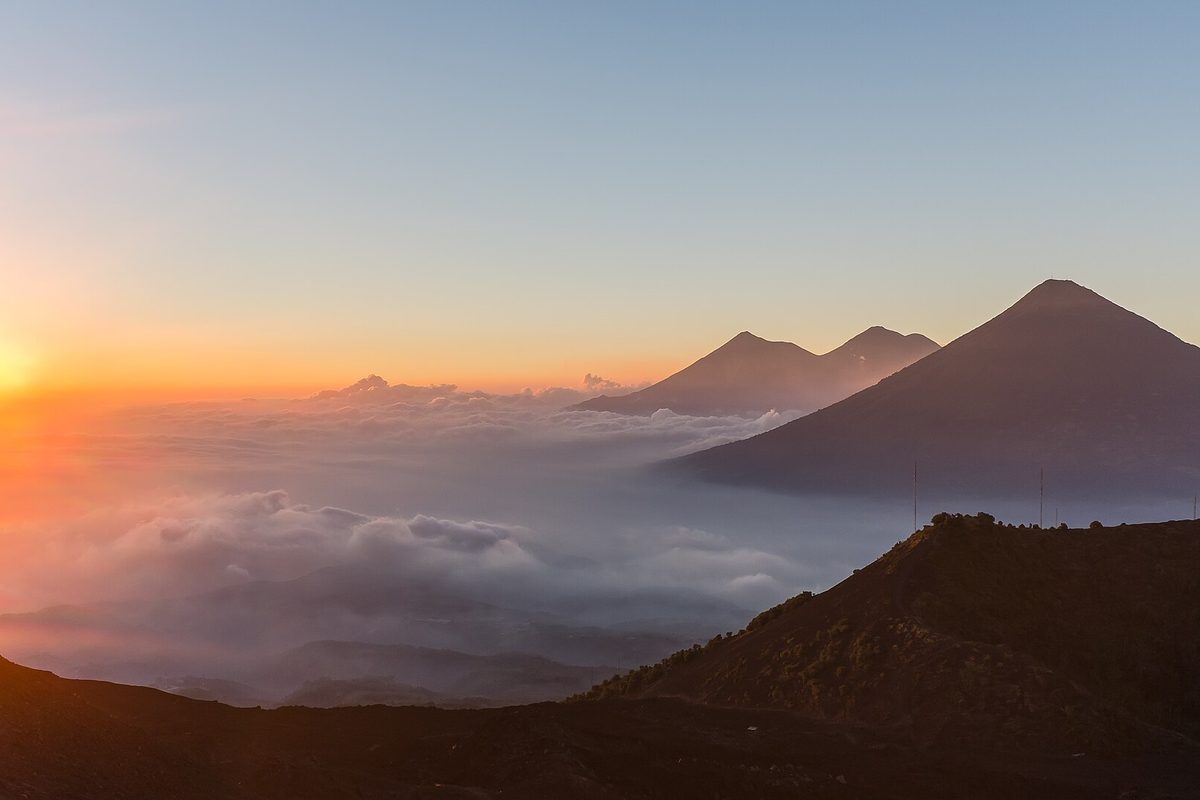
At 3,976 meters on Acatenango's rim, the first light shows Fuego volcano erupting every 15 to 20 minutes. The Guatemala volcano sunrise fills the sky with orange while lava leaves the neighboring crater, something a midday Pacaya walk cannot offer. Pacaya stands at 2,552 meters and is usually climbed at noon, so it misses the dawn. This guide covers the full Acatenango volcano hike from a 3AM start, with logistics, the route, and tips for the overnight trek. The article explains how to climb Acatenango with licensed operators like Ox Expeditions, the 2026 price gap that splits the market — English-facing agencies at $89 to $119, local Guatemalan operators at Q500 to 660 (about $67 to $85) with park entry included — and camping at base camp 3,600 meters where temperatures fall below zero. Volcan de Agua (3,760 meters) and Lake Atitlan's San Pedro (2,024 meters) are different goals; the 3AM Acatenango departure targets the active Fuego neighbor. Readers learn to do the sunrise hike safely, from altitude prep to layered clothing for pre-dawn cold that reaches -5 Celsius in the dry season from November through March. The 3AM start avoids afternoon clouds and gives a clear crater view. Following the route and tips here, first-time trekkers can finish the overnight trek and see one of Central America's raw volcanic shows.
Planning Your Acatenango Volcano Hike
Climbing Acatenango: Trail Route and Difficulty
The Acatenango volcano hike follows a marked path that starts at the La Soledad trailhead near the village of La Soledad at 2,400 meters above sea level. The route climbs steadily through small cornfields and pine woodland before entering a humid cloud forest around 2,800 meters. Above 3,200 meters the trees thin into alpine tundra and volcanic ash fields. The final push to the summit at 3,976 meters covers roughly 6.2 kilometers from base to top, though most travelers on an Acatenango overnight trek spend the night at a high camp at 3,600 meters to break the ascent. This split route makes the sunrise ascent achievable for fit hikers who acclimatize during the afternoon climb. The difficulty of the 3am climb comes from two factors: sustained steepness and thin air. The trail gains about 1,676 meters of elevation from trailhead to summit, with sections exceeding 35 percent grade on loose volcanic scree. Hikers attempting the climb should expect burning thighs on the steep sections and a slow, deliberate rhythm throughout.
Best Time of Year for a Guatemala Volcano Sunrise
When you hike Acatenango decides if you see a clear Guatemala volcano sunrise or a crater hidden by clouds. The dry season from November through March gives the steadiest visibility. In Antigua Guatemala rainfall stays below 50 mm per month and cloud cover at dawn is often under 20 percent. During these months the 3am climb usually gives hikers an open view of Fuego, with lava bursts every 15 to 20 minutes. First-timers should aim for January. The wet season runs May to October, with regular afternoon storms and shifting winds in April. The mountain stays cold all year. The base village La Soledad is at 2,400 meters and drops near 4 Celsius at night, while the 3,976 meter summit falls to -5 Celsius before dawn. December and January have the clearest dawn skies, with humidity around 60 percent. Camping here needs insulated layers even in dry months because frost forms on tents. In November the dry period starts with 8 Celsius days. December and January bring the clearest dawn conditions. February stays stable but March gets dustier. April turns transitional with occasional showers. May to September brings weekly rain that lowers the trek's success rate. October starts drying out. A guided tour in dry months runs $89 to $119 with English-facing agencies, and wet-season discounts show up.
Getting to the Acatenango Trailhead from Antigua
The village of La Soledad is the main starting point for the Acatenango volcano hike. Travelers from Antigua drive about 50 kilometers on winding highland roads, a trip of two to three hours depending on conditions. Public transport uses chicken buses with a transfer in Chimaltenango and another in Parramos, then a local truck to the trailhead. This costs under 30 quetzals but requires Spanish fluency and flexibility. The practical slow travel approach is a pre-booked shared shuttle that leaves Antigua in the late evening or early morning for the sunrise. Most tour operators include transport and collect guests from Antigua hotels between 2:00 and 2:30 AM for the 3am start. A typical shared shuttle costs 15 to 25 US dollars per person round trip and drops off at the La Soledad ranger station where permits are checked. Private 4x4 transfers can be hired for about 60 dollars, useful for small groups carrying heavy camping gear. Confirm pickup coordinates precisely because Antigua's narrow streets confuse drivers and many operators default to the central fountain at Parque Central. International travelers need standard Guatemala entry clearance since the volcano is inside national borders with no nearby checkpoint. Altitude is the real constraint for the Guatemala volcano sunrise attempt. The trailhead is near 2400 meters and the summit is 3976 meters, a gain that stresses lungs unused to thin air. Visitors flying in from sea-level Caribbean coasts or arriving from the Mexico border should spend one full day in Antigua at 1530 meters before attempting the climb. Hydration and a gradual pace lower the risk of acute mountain sickness and preserve energy for the Fuego volcano view from Acatenango at first light.
Booking a Guided Acatenango Tour or Hiking Alone
Choosing between a guided tour and hiking alone depends on budget and experience. A guided tour handles logistics but costs more. Guides manage the 3AM wake-up, trail navigation, and camp setup for the sunrise hike. Independent travelers who climb alone save $30 to $50 per person but must get permits and a mandatory local guide under 2024 Guatemala regulations.
Guided tours leave Antigua at 7AM or noon and reach base camp before dark. The downside is a fixed schedule that can frustrate slow-travelers who want more time at the Fuego volcano view. Solo hikers set their own pace on the overnight trek but take full responsibility for route finding in fog that cuts visibility below 10 meters near ridges.
Most tour packages include a shared tent, a sleeping bag rated to 0°C, and a cooked dinner of rice, vegetables, and chicken at the 3,600-meter base camp. Breakfast before the summit is usually oatmeal and fruit. Certified guides lead groups of up to 12 and keep radio contact with village emergency services. Operators such as Old Town Outfitters charge $89 to $119 for the sunrise experience. The same trek booked with a Guatemalan operator costs Q500 to 660 (about $67 to $85), park entry included — closing that gap is the single biggest saving on this trip. Two extras are paid in cash at the trailhead: the Fuego add-on runs about Q300, and a porter who carries your pack Q200 to 300.
Climbing without a full tour still means following La Soledad community rules. Visitors pay a Q50 (about $6.50) entrance fee at the trailhead; the Q500 to 660 local packages cover it for you. The permit is registered at the trailhead control point and ties the hiker to a guide license number. Camping outside designated zones is prohibited, and rangers check permits during the pre-dawn ascent.
Packing for the Acatenango Overnight Trek
Packing requires a specific gear list because weather on the 3,976-meter summit changes quickly. Wear sturdy hiking boots with ankle support for the volcanic scree and loose rock on the 3am route. Bring a layered system: a moisture-wicking base layer, a midweight fleece, and a windproof insulated jacket. At base camp night temperatures fall to 0°C, so pack a beanie and gloves. A headlamp with spare batteries helps on the pre-dawn trail. Most tour operators provide shared tents, sleeping bags rated to -5°C, and foam mats at the campsite. Travelers who want their own lightweight kit can bring a 2-person tent and a 900-gram down bag, but porters charge extra above 5 kilograms. The supplied equipment handles camp logistics for first-timers. Check the operator's gear list before booking; Wicho and Charlie's and OX Expeditions post exact specs on their sites. Paperwork matters as much as gear for a Guatemala volcano sunrise trip. Guatemala requires a passport valid for at least six months, and printed proof of onward travel speeds up immigration at Guatemala City airport. Bring 300 to 500 Quetzales in small bills for tipping guides (average 75 Q), buying hot chocolate, and emergency water. Credit cards do not work at the trailhead, so cash is necessary for the trek. A photocopy of your passport in a dry bag finishes the packing list.
The 3AM Climb: Hour by Hour
Getting Ready Before the 3AM Acatenango Start
The pre-dawn routine for a successful climb starts long before the first step on the trail. Most operators based in Antigua schedule a 2:00 AM wake-up call at the base camp lodges near La Soledad village, allowing a full hour for nourishment and equipment checks before the 3:00 AM departure. A practical breakfast typically includes a hot plate of scrambled eggs with handmade corn tortillas sourced from local market vendors, plus black coffee brewed from Guatemalan beans grown on the volcano's lower slopes. This meal delivers the 600 to 800 calories needed for the strenuous ascent. Gear verification is non-negotiable. Hikers must test headlamps with fresh batteries, confirm trekking poles are locked, and repack the daypack to weigh under 8 kilograms. For the Guatemala volcano sunrise experience, layering starts with a moisture-wicking merino wool base layer, a 200-weight fleece, and a windproof hardshell jacket rated for zero-degree conditions. At 3,500 meters elevation, pre-dawn temperatures on the climb frequently fall to -5 Celsius, so insulated gloves and a knit hat are necessary. Remove layers gradually as the Acatenango 3am climb gains 1,200 meters of vertical relief toward the summit ridge. Mental preparation means accepting sleep deprivation and uneven terrain. Trekkers should visualize the eruption views that reward the effort: eruptions every 15 to 20 minutes light the sky. Knowing that the route involves a slow, steady pace prevents panic when fatigue hits at hour four. Campers should set a calm intention, breathe deeply, and trust the guided rhythm before the headlamp beam cuts the darkness.
The Dark Trail in the First Hours
On the night climb, the first hours start on the lower slope above base camp at roughly 3,500 meters. Groups should keep 4 to 6 meters between hikers to avoid collisions when visibility drops to zero. A steady pace of 300 vertical meters per hour lets the group reach the treeline before first light. After camping at the sheltered platforms, trekkers tighten backpack straps and fall into a single file. Each hiker's headlamp should cast a focused beam 20 meters ahead to spot loose volcanic scree and exposed roots. The sunrise hike demands careful footing because the trail narrows to 60 centimeters in places. Trekking poles help stabilize on the ashy gradient, and guides from a typical tour instruct clients to step where the person ahead stepped. The Fuego volcano view stays hidden in darkness, but the glow of eruptions pulses to the south. Even in the dark, early altitude effects appear on the Guatemala volcano sunrise attempt. At 3,700 meters, many climbers notice quicker breathing and mild lightheadedness. The overnight trek requires slow, deliberate breaths to keep oxygen saturation above 90 percent. Drinking 500 milliliters of water per hour counters the dry air. Those who acclimatize in Antigua at 1,500 meters the prior day fare better on the steep grade.
Reaching the Summit for the Crater Sunrise
The final push to the summit ridge begins around 4:30 AM, when headlamps cut through the cold darkness at 3,700 meters. The last 200 vertical meters from base camp to the summit ridge demand a slow, steady pace. Trekkers on the 3am itinerary typically reach the ridge crest 30 minutes before first light, often guided by local experts who know the loose volcanic scree sections. Positioning for the view of Fuego requires facing southeast from the summit. The active Fuego crater sits 4.2 kilometers south of the Acatenango summit, and its incandescent eruptions appear roughly every 15 to 20 minutes. For the best Guatemala volcano sunrise composition, hikers should stand on the western lip of the ridge to keep Fuego in the right frame while the sun rises behind the distant Agua and Pacaya volcanoes. An overnight trek gives the advantage of scouting this spot the evening before, but those on a tight sunrise schedule must move quickly to claim space before the 5:15 AM glow.
Camera settings for low light are critical to capture both the erupting Fuego and the arriving dawn. Set a mirrorless or DSLR to manual mode with ISO 1600 to 3200, aperture f/2.8 or wider, and shutter speed 1/30 to 1/60 second to freeze lava bursts without tripod blur. If using a phone, enable night mode and tap to lock exposure on the crater. A lightweight travel tripod allows 2 second exposures for crisp volcano silhouettes against the pinkening sky. Camping groups often share these tips during the pre-dawn briefing.
Watching Fuego Erupt at Dawn from Acatenango
The summit of Acatenango gives hikers a direct view of one of Central America's most active volcanoes. Trekkers who begin the climb at 3am reach the upper ridge around 5:30 AM, just as pre-dawn light reveals the neighboring Fuego volcano. From this spot at 3,976 meters, the Fuego crater lies roughly 1.5 kilometers southeast, and its vent has released ash continuously since the current eruptive phase started in 2002. Each strombolian explosion throws incandescent lava fragments 100 to 200 meters above the crater rim, seen as red pulses against the dark sky. The Acatenango climb is paired with Fuego activity because that is the main reason travelers do the overnight ascent. The Acatenango overnight trek is scheduled so hikers reach the top in the short period when eruptions photograph well and before clouds form. On a still morning, Fuego erupts every 10 to 20 minutes, letting the group expect each loud blast. The view is clearest from the summit saddle, where the ground shakes slightly with every emission. The Guatemala volcano sunrise has good moments beyond the eruptions. When the sun rises, its light hits the ash plumes and shifts them from grey to rose-pink. The summit temperature stays near freezing, so hot coffee from a camp stove becomes a habit. Climbing it well means stopping to notice the quiet between blasts, seeing the volcanic chain wake up, and photographing hikers' silhouettes against the glowing crater.
Acatenango Camping and Comfort
Gear You Need for Acatenango Camping
The trek puts you at high altitude, where nighttime temperatures regularly fall below freezing, especially during the 3am climb window when camp sits near 3,600 meters. A proper sleep system is non-negotiable. Tents on most tour packages are three-season models rated for 40 mph winds, but independent hikers should choose a freestanding dome with a low profile. Sleeping bags must have a comfort rating of at least -10°C. Many guides recommend a 0°F (-18°C) bag because the lookout regularly records -5°C before dawn in the dry season.
Layering for camp takes more than one puffy jacket. A merino wool base layer, a synthetic mid-layer, and a down hooded jacket rated 650-fill give adaptable warmth. Hikers attempting the sunrise ascent should also pack a thermal beanie, windproof gloves, and a sleeping pad with an R-value of 4.0 or higher to block ground chill. The eruptions are best enjoyed when fingers stay nimble for camera adjustments.
Most Acatenango overnight trek operators include shared tents, sleeping bags, and cooked meals in their fee, which cuts pack weight for budget travelers planning to camp. Personal items like headlamps, 2 liters of water, and trail snacks must be carried by each participant. Confirm with the outfitter which gear is provided and which essentials remain the hiker's responsibility.
Setting Up Camp on the Volcanic Slope
Most travelers on the Acatenango volcano hike set up camp on one of two terraces carved into the upper slope. The lower base camp sits at 3,300 meters near the edge of the cloud forest, while the high camp used for sunrise ascents occupies a rocky shelf at 3,600 meters. This higher platform is the standard choice for tour groups because it cuts the pre-dawn ascent to roughly 45 minutes and opens a direct view of Fuego across the saddle. Groups departing Antigua at 3PM typically reach the high camp by 6PM, leaving two hours before the 3am wake-up to build shelter. The volcanic slope has no trees, so the only defense against wind is the rock underfoot. Hikers gather loose basalt blocks to form a semicircular windbreak on the tent's windward side. At 3,600 meters, nighttime gusts regularly hit 40 km/h, and a poorly built wall lets cold air pool inside the shelter. The Guatemala volcano sunrise approach brings wind from the southwest, so the barrier should curve from the west around to the south face. Experienced guides with Old Town Outfitters and similar operators point out fixed rock rings left by previous trekkers that can be reinforced rather than built from scratch. Organization is the quiet skill of camping here. Laying out gear the evening before prevents a chaotic 3AM start. Boots go in the vestibule with a headlamp clipped to the drawstring. A separate summit bag holds gloves, hat, and camera so a first-timer does not rummage through the main pack. Fuel canisters stay inside the sleeping bag to avoid freezing, and layered clothing is stacked base layer to shell for quick dressing in the dark.
Food and Water on the Overnight Trek
Most Acatenango tours include hot meals because cooking at altitude demands planning. A typical itinerary with Ox Expeditions or Tropicana serves a hot dinner near 6 PM at base camp: rice, black beans, and sauteed vegetables with tortilla. After the 3am start from high camp, guides give a simple hot breakfast of oatmeal or eggs before the summit push. The Guatemala volcano sunrise experience relies on these warm calories to counter near-freezing temperatures at 3,600 meters. Water management matters on any overnight trek. Carry at least 3 liters per person from La Soledad trailhead. Local streams are unsafe untreated, so pack purification tablets like Katadyn Micropur or a Sawyer Mini filter. Drink 500 ml with dinner and 500 ml during the pre-dawn ascent to limit altitude headache. Most tour groups supply no water beyond cooking liquid, so bring your own. For the final summit bid, pack 300 to 400 calories of quick snacks. The 1.5 km ridge from high camp to summit takes 60 to 90 minutes starting at 3 AM. A peanut butter wrap, Clif Bar, and dried mango give steady energy while awaiting the dawn show. Eating properly on the climb keeps morale up during cold pre-dawn hours. Acatenango camping comfort improves when the body stays fueled.
Leave No Trace and Local Etiquette
The route requires strict pack-in, pack-out discipline because no waste services exist above La Soledad. The local trail cooperative regularly removes abandoned tents and food scraps from the high camps. Each trekker should carry a 30-liter dry bag for personal refuse, including apple cores and toilet paper. Camping at the 3,600-meter base camp has no toilets, so visitors must dig 30-centimeter catholes at least 50 meters from water sources, but all hygiene paper goes back down the slope in the same dry bag. Hikers pass through Kaqchikel Maya land, primarily the village of La Soledad, where guides are certified by the Asociación de Guías de Acatenango established in 2018. Fair tipping means 50 to 100 quetzales per client for the standard trek, about 10 percent of a typical 500-quetzal tour. Photographing locals without permission violates community etiquette, as does entering ceremonial clearings without a local guide. To protect the route for future ascents, the 2024 municipal ordinance limits groups to 12 and charges a 20-quetzal conservation fee collected at the trailhead. Many tour operators now include this fee in their pricing, simplifying compliance for foreign visitors. Hikers should stay on the marked switchbacks below the lookout to prevent erosion of the cloud forest slope. Rubber-tipped poles reduce root damage on the steep pre-dawn section. When the Guatemala volcano sunrise illuminates Fuego's eruptions, responsible campers leave only footprints, so the ritual stays intact for the next generation of slow travelers.
Altitude, Fitness, and Safety
Adjusting to Altitude Before the 3AM Climb
Reaching Antigua two or three days before the hike is the best way to get used to the thin air. Antigua is at 1,500 meters above sea level. The top of Acatenango is 3,976 meters high. That 2,476 meter climb is not trivial. A traveler who lands in Guatemala City and goes straight on the hike without time to adjust is more likely to get a headache and feel tired. Drinking water and setting a steady pace are the other key part of safe acclimatization for this route. Hikers need three to four liters of water during the day before and on the climb. On the trail, moving at 250 to 300 vertical meters per hour is easier on the heart and lungs. The 3am start means hours in the cold and dark. A headlamp and a 10 minute stop every 300 meters of climbing help keep breathing even. Most tour packages require these stops. Spotting altitude sickness early prevents deaths on this route. Mild signs are a dull headache, less hunger, and slight nausea above 3,000 meters. The right move is to go down 150 to 200 meters and rest for an hour. If a person is confused, badly short of breath, or loses coordination, get them to La Soledad village at 2,400 meters right away. The Guatemala volcano sunrise is worth the effort, but no photo is worth ignoring the warning signs. Part of climbing responsibly is practicing the descent before leaving camp. One night camping at the 3,600 meter base camp lets you check your tolerance. Fuego at first light makes the preparation pay off. Hikers using the slow travel method show up ready to see eruptions across the valley.
Staying Safe on the Night Hike
The climb starts in darkness at 3AM, and proper lighting is the first safety rule. Each person on the climb needs a headlamp with 200 lumens and red-light mode to keep night vision. Guides on a standard tour tell hikers to stay 2 to 3 meters apart. This spacing stops boots from kicking loose stones downhill and gives room to recover on soft volcanic soil. The climb gets risky if headlamps die, so spare batteries are mandatory. Volcanic terrain on the Guatemala volcano sunrise route holds loose scree and 30-degree slopes above 3,000 meters. Those new to volcanic terrain must center weight over the feet when crossing loose scree, taking short steps on the steepest pitches.
Fitness Needed for the Acatenango Volcano Hike
The Acatenango volcano hike is not a technical climb, but the 3,976-meter summit demands real physical preparation. Start any training block at least six weeks before departure. A practical plan includes three cardio sessions per week, such as 45-minute trail runs or stationary bike intervals, plus two lower-body strength workouts. Travelers who build a base beforehand report fewer altitude issues and enjoy the eruptions without gasping for breath. Steep sections between Base Camp at 3,300 meters and the summit gain over 600 vertical meters on loose volcanic scree. Leg strength is critical. The loose scree makes each step slide backward, so strong quadriceps reduce fatigue and prevent knee strain. Exercises like weighted step-ups, lunges with a 10-kilogram pack, and calf raises help simulate the pre-dawn effort. Pacing strategy separates a successful climb from a miserable one. The group typically leaves at 3am, and the first hour is a gentle walk through pine forest. Hikers should adopt a steady, conversational pace; if you cannot speak a full sentence while climbing, you are going too fast for altitude.
Emergency Plan and Guide Communication
Weather on the mountain can turn quickly and change the plan. Cold fronts and rain clouds move over the ridge between 2,000 and 3,000 meters in the wet season. If a group starts the Acatenango climb at 3am and hits whiteout conditions or lightning above the treeline, the right call is to retreat to the last sheltered camp instead of pushing for the summit. The Guatemala volcano sunrise is not a sure thing. During rainy season clouds hide Fuego on about 40 percent of mornings. Local guides check the INSIVUMEH forecast every evening and will cancel or reroute the trek when storms are expected.
Wrapping Up Your Acatenango Sunrise Hike
A successful Acatenango sunrise hike starts with planning ahead from Antigua Guatemala, where most tour operators set up transport for the 2.5-hour drive to the La Soledad trailhead. Bring layers rated for near-freezing temperatures at 3,600 meters, a headlamp with spare batteries, and 2 liters of water per person. The Acatenango climb leaves base camp at 3am in the dark, going up the last 376 vertical meters over scree slopes for about three hours. At the 3,976-meter summit, hikers see the Guatemala volcano sunrise while the Fuego view from Acatenango shows repeated glowing eruptions every 15 to 20 minutes. First-time trekkers can book the Acatenango volcano hike without worry because licensed guides set fixed ropes on steep parts and keep groups under 12 clients per leader. The Acatenango overnight trek is moderately difficult but not technical climbing, and guided parties summit safely in the vast majority of cases. Local operators on 5th Avenue in Antigua offer bilingual guides certified by INGUAT, the national tourism institute. For December and January departures, sign up with a tour operator two to four weeks ahead — the high-season camp spots go first. Camping gear rentals are available in Antigua for $15 per full set, so you can do the trip without buying heavy personal equipment.
Official sources
Details worth verifying before you go — checked against:
Travel Writer & Editor
Emily Johnson writes and edits Do Travel Blog. Every guide on the site starts the same way: with a question she actually had while planning — when to book, which pass to buy, how to get from A to B without overpaying. Where a number matters, she cites the source: park tickets link to the park's own fee page, visa rules to the official consulate, ferry times to the operator. Prices get re-checked against those pages before each update, and a guide is re-dated when its numbers move. Nothing here is sponsored — she doesn't accept payment for coverage. Spotted something stale or wrong? Email hello@dotravel.blog and she'll fix it.