Acatenango Packing List: Night Hike Essentials
Complete Acatenango packing list for the cold 3AM night hike. See what to bring Acatenango, from winter layers to sleeping bag Acatenango gear.
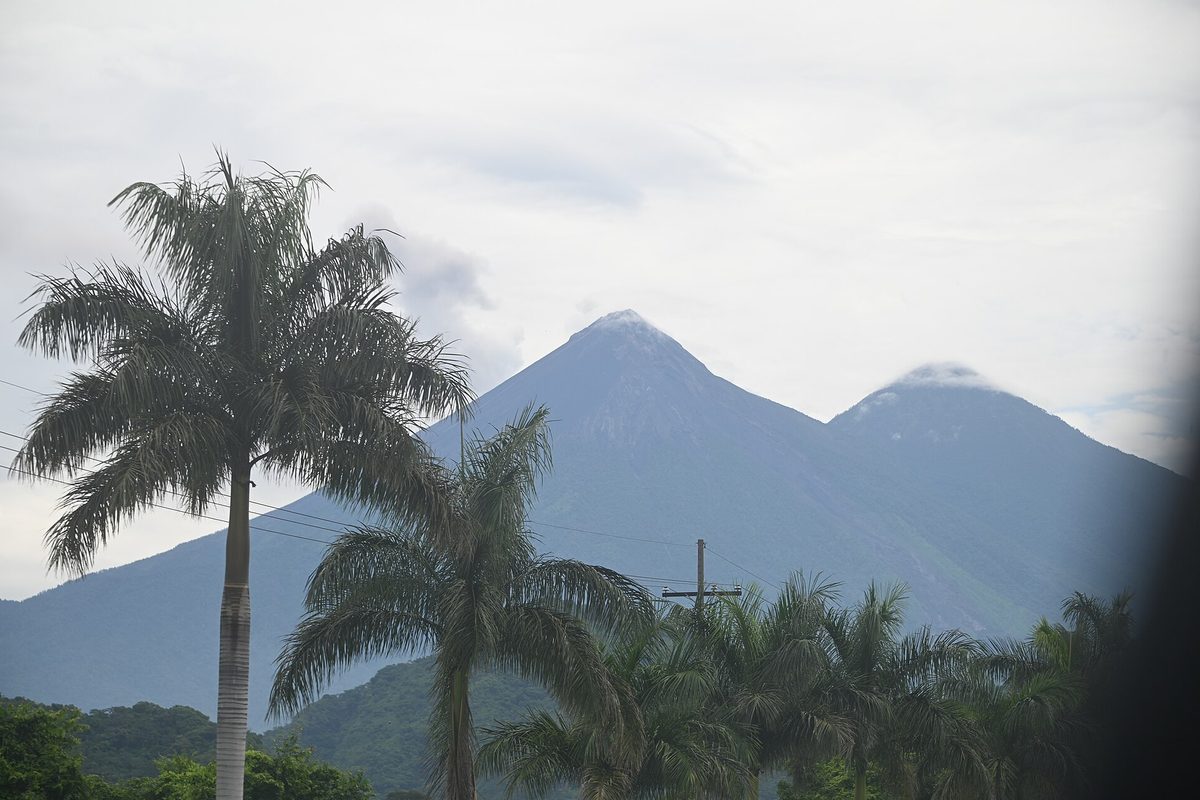
The Acatenango Night Hike: 3AM Climb and Crater Sunrise
At 3AM, hikers on Acatenango start the final push from high camp to the crater viewpoint, headlamps cutting through freezing darkness. The summit sits at 3,976 meters, and pre-dawn temperatures between November and March regularly fall to -5 C. The climb to see the crater sunrise over neighboring Fuego volcano takes about 90 minutes of steep walking on loose terrain. This is a cold, high-altitude ascent where conditions change fast, not a tropical walk.
That reality explains the purpose of this Acatenango packing list. Trekkers should not underestimate the pre-dawn cold. The list is built for the cold, thin air above 3,000 meters, where wind chill and exhaustion can turn a small oversight into a risky situation. To stay safe and comfortable on Acatenango, pack a proper layering system, a reliable headlamp setup, and an insulated sleeping bag rated to at least -10 C for the night at base camp. The right kit keeps a hiker warm during the 3AM start and alert for the crater sunrise.
This article covers every critical item for the trek. The following sections cover winter clothing, sleep systems, navigation tools, and emergency supplies. Each recommendation reflects practical needs of a guided two-day trek with outfitters like Guatemala Adventures, where group sizes average 10 people in peak months. By the end, readers will have a complete kit to face the mountain prepared and enjoy the sunrise.
Acatenango Weather and Trail Conditions
Guatemala Weather on the Volcano
The volcanic highlands of Guatemala make a microclimate on Acatenango that catches many trekkers off guard. At 3,976 meters above sea level, the mountain rises well above the warm Pacific slopes near Antigua. In the dry season from November to March, daytime temperatures at base camp reach a mild 12°C, but the thin air lets heat escape fast after sunset. A typical kit has to cover a swing of more than 15 degrees between afternoon and midnight.
Night temperatures near the summit routinely sit at freezing. Between 3AM and sunrise, the crater rim sees readings from 0°C down to -5°C, and January has logged -10°C. Wind is the bigger problem. Sustained gusts of 30 km/h are common; combined with 40 km/h winds on a cold night, the wind chill approaches -15°C. That is why gear choices should favor thermal efficiency over saving weight.
The crater viewpoint is a bare ridge with no vegetation to block airflow. That exposure shapes what you bring for the final ascent. Hikers need a windproof shell, insulated mittens, and a full balaclava. A night climb in those conditions calls for a spare battery set because cold cuts cell life by half. At camp, a sleeping bag rated to -10°C keeps shivers away. The layering method works best: a moisture-wicking base, a fleece mid layer, and a down outer layer. Label each layer so night adjustments stay fast and error free.
Gear You Need for a Night Hike
The standard Acatenango packing list must center on a pre-dawn ascent that starts at 3AM from the high camp at 3,600 meters. You need a headlamp because the volcanic trail has no lighting and is covered with loose rock. Bring a headlamp with at least 200 lumens and spare batteries, since the climb to the 3,976 meter summit takes about four hours in the dark. Acatenango differs from a typical tropical day walk because temperatures drop near the crater. In the dry season from November to March, summit readings sit between 0 and -5°C before sunrise, with -10°C possible in January. Use a layering strategy: moisture-wicking thermal top, midweight fleece, a 600-fill down jacket, windproof shell, insulated gloves, and a wool beanie. A sleeping bag Acatenango rated to -5°C is also needed for the night at base camp, where temps can dip below freezing.
Gear for Acatenango differs from standard day hike equipment in weight and purpose. Day hikers on nearby Pacaya often manage with sneakers and a rain poncho. On Acatenango, broken-in waterproof boots, trekking poles, and chemical hand warmers matter more. This list puts thermal protection and reliable light ahead of the light load of a daytime forest walk.
Clothing and Thermal Layering
Base Layers and Thermal Shirts
The foundation of any Acatenango packing list is the base layer, the first defense against the volcano's night cold. During the 3AM ascent, temperatures at the 3,976 meter summit sit between 0 and -5°C, colder in January, while the body sweats from the steep climb. A thermal shirt for the climb must use merino wool or synthetic fibers such as polyester to pull moisture away from skin. Merino bases like the 200-gram Icebreaker Oasis weigh around 180 grams and cost roughly $90, while synthetic Patagonia Capilene options retail near $55 and dry faster.
Cotton has no place on this climb. The fabric absorbs up to 270 percent of its weight in sweat and then freezes, accelerating heat loss during the dark climb to the crater. Guides on the La Soledad route advise packing two base layers: one worn on the uphill push, a second kept dry in a dry sack for the summit sunrise and inside the sleeping bag campers use at 3,600 meters. Trekkers who carry a spare dry layer notice the difference at the crater viewpoint.
A layered strategy means the thermal shirt integrates with midlayer fleece and a windproof shell. The list should specify two merino or synthetic tops, each weighing under 200 grams, plus one pair of thermal leggings. This dual layer system keeps the hiker warm through the five hour night climb and the freezing pre dawn wait. Plan to allocate about $150 of a $400 budget to base and mid layers; buying gear ahead costs less than shopping in Antigua at the last minute.
Mid and Outer Layers for the Cold
The kit needs a solid mid and outer layer system for the freezing pre-dawn climb. For the upper body, bring an insulating fleece or down mid layer. A 200 weight fleece pullover or a 650 fill down jacket under 400 grams gives the warmth required at 3,800 meters, where temperatures drop to minus 8 Celsius before sunrise. The mid layer should zip open easily during the strenuous 3 AM climb so sweat does not soak your clothes. The outer shell is required gear for the crater viewpoint. Wind at the summit crater often passes 40 kilometers per hour, and a waterproof breathable hardshell stops both gusts and occasional sleet. Keep the shell in your daypack until the final ridge, then put it on before the exposed lookout. This layering plan keeps heat in without overheating during the dark ascent. Count your system as four layers, not three: wicking base, fleece mid layer, down insulation, and the windproof shell. On the 3 AM ascent the base and fleece do the work, the down jacket goes on at the saddle, and the shell goes on above the cloud line. Use the rated sleeping bag campers bring for the night and the cold stays manageable. Good layering makes the chill a safe sunrise worth the effort.
Boots and Foot Care
A sturdy pair of hiking boots with ankle support belongs at the top of any list for this climb. The volcanic slope rises to 3,976 meters, and the 3 AM climb crosses loose rock, frozen scree, and uneven lava fields. Many first-time hikers underestimate the cold. Pre-dawn temperatures near the summit often drop to -5 C, so boots need proper insulation underneath.
What to bring for Acatenango below the waist goes past boots. Two or three pairs of merino wool socks keep feet warm even when damp, and light gaiters block windblown ash and early frost. This winter layering approach matters as much for feet as for the torso. A headlamp climb needs steady footing, and numb toes from bad sock choices slow the group on the crater rim.
Breaking in boots is a required part of the gear check. Walk new footwear at least 25 kilometers across mixed terrain during the two weeks before leaving. Blisters end more summit tries than weather does. In Antigua, budget renters can find used boots for about $12 a day, though fit and support differ by pair. A sleeping bag rated to 0 C handles base camp, but warm boots put on at 2:30 AM make the wake-up tolerable. Pack moleskin and a spare lace as backup.
Essential Gear and Equipment
Headlamp and Night Navigation
The summit push happens between 4 and 5 AM, hours before first light, so a dependable headlamp sits at the top of the gear hierarchy. The climb to the crater rim starts in total darkness at 3,700 meters, where temperatures drop below freezing. For a safe headlamp hike, carry a model with at least 200 lumens and pack two spare sets of lithium AA batteries. Alkaline cells fail fast in cold, so the standard choice is Energizer Ultimate Lithium or equivalent. A headlamp with a secure strap keeps hands free for trekking poles and insulated layers.
Red light mode is a necessity on this mountain, not a gimmick. White beam destroys night vision for up to 30 minutes after exposure, while red light preserves the eye's adaptation to darkness. Guides using Petzl Tikka or Black Diamond Spot headlamps switch to red mode near the steep scree sections. When planning your kit, test the red mode at home and mark the button by feel. This small step prevents blinding your group on the narrow trail above the cloud forest.
Navigation backup matters even on guided trips. Carry a printed topographic map at 1:25,000 scale and a GPS unit or smartphone with offline tracks from Gaia GPS. The route to the summit crosses paths used by neighboring Fuego volcano, so a wrong turn in the dark risks exposure. The full kit should also note a sleeping bag rated to -10C for the base camp rest after the sunrise. With headlamp, red vision, and map in hand, hikers meet the cold ascent prepared.
Sleeping Bag and Camp Setup
A sleeping bag rated to 0C or lower belongs on any Acatenango packing list. At the 3,976 meter summit, temperatures routinely drop to -5C between midnight and the 3AM ascent, so a bag with a European Norm comfort rating of 0C is the minimum. Guides from Old Town Outfitters recommend a -7C limit bag such as the Sierra Designs Backcountry Bed 0 for client comfort. Most tour packages include a bag, and Antigua outfitters rent them separately — confirm the comfort rating when you book, because rental fleets mix ratings and 0°C comfort is the minimum for base camp. The next priority is a sleeping pad with strong ground insulation. The volcanic terrain radiates cold, and a pad with an R-value of 4 or higher, like the Therm-a-Rest NeoAir XTherm at R 5.7, prevents heat loss through the tent floor. Without that barrier, even a good sleeping bag will feel inadequate by dawn. Many hikers add a closed-cell foam pad beneath the air mattress to raise R-value by at least 2 points, a useful step for the high-altitude crater camp. Shelter near the crater viewpoint is the third part of the setup. Most organized treks supply a three-season tent at the 3,600 meter base camp, but independent hikers carry their own lightweight model. A sturdy dome tent that handles 40 kilometer per hour winds is needed for those who plan to sleep before the final dark push to the summit. A proper camp lets travelers rest fully in winter layers before the cold climb.
Backpack and Small Tools
A balanced Acatenango packing list starts with pack size, and a 30 to 40 liter backpack works for the overnight ascent. A 35 liter pack fits layered winter clothing and a compact sleeping bag rental without exceeding 9 kg base weight. Oversized 60L rental packs from Antigua outfitters add shoulder strain on the 1,500 meter vertical gain from base camp at 3,500 meters to the crater rim. Trekking poles are non-negotiable on loose pumice, with Black Diamond Trail models providing locked articulation for the 3AM push. A Leatherman Wave multi-tool weighs 241 grams yet handles tent repairs, while a Bic mini lighter with UCO storm matches acts as fire starter for warming broth at high camp. Every pre-dawn climb demands a headlamp such as the Petzl Actik Core 450 lumen light with spare AAA cells, as the pre-dawn trail stays black until 5:40 AM. Despite sub-zero predawn cold, the kit must include sun protection for the crater sunrise. At 3,976 meters UV index hits 11 by 6:15 AM, so Neutrogena Ultra Sheer SPF 50 sunscreen and Julbo Glacier cat-3 sunglasses prevent snow blindness. Climbers who skip these items often end up sunburned. Integrating these tools into the core kit keeps the night hike safe and efficient.
Food, Hydration, and Comfort Items
Water and Trail Snacks
A good kit has to plan for hydration on the freezing pre-dawn climb. Each person should carry at least 2 liters of water on the ascent. Above 3,000 meters, pre-dawn temperatures reach -5°C and colder in January, and regular plastic bottles freeze by the 3AM push. Wrap containers in a neoprene sleeve or keep them inside your winter layers to keep water drinkable. A 1-liter vacuum bottle plus a 1-liter soft flask balances weight and volume well. Many trekkers miss how much fluid they lose at altitude, and a 2L reserve helps avoid altitude headache on the steep descent. For energy on the headlamp hike, bring calorie-dense trail mix and at least two energy bars per person. The 3AM start needs fast carbohydrates; almonds, cashews, and dried apricots give about 200 calories per 50-gram serving. Local Guatemalan chocolate bars from the Antigua market are a cheap boost. Your Acatenango kit should also hold a small thermos of hot liquid for the crater viewpoint. Base camp runs on one group stove: the crew boils water for dinner and morning coffee, but there is no fuel for individual hikers, so fill the thermos at dinner while the water is hot. A 500 ml stainless steel flask with herbal tea or cocoa warms you at the summit where wind chills bite. This gear makes the sunrise wait tolerable instead of rough. Finish water and snacks by the 5:30AM crater arrival, then descend to base camp where a sleeping bag rated to -15°C restores core heat. The full food and hydration load should stay under 1.5 kg to keep pacing on steep volcanic scree.
Extra Comforts for the Summit
Besides the required winter layers and sleeping bag, a few specific comforts make the pre-dawn summit on Acatenango bearable. Air temperatures at the crater sit between 0 and -5°C between 3 AM and 6 AM, and wind chill makes it worse. Bring at least two pairs of air-activated hand warmers like HotHands. Each gives up to 10 hours of 40°C heat and fits inside glove liners or pockets. A merino wool balaclava from a brand like Buff covers the nose and cheeks and helps prevent frostnip on the exposed ridge walk. Insulated waterproof gloves are required gear, and a thin liner glove underneath lets hikers press a camera shutter without exposing bare hands. For the crater sunrise, a lightweight mirrorless camera with a spare battery matters because cold drains cells quickly. A 10,000 mAh power bank weighs about 200 grams and can recharge a phone twice or a camera battery once over USB. Keep it in an inner jacket pocket so it holds charge. A collapsible silicone cup and a small thermos of sweetened mate tea bought at the Antigua market lift spirits without adding real weight. The full kit should weigh safety against these small extras that make a hard night climb worth remembering.
Wrapping Up Your Acatenango Gear Plan
The Acatenango packing list covers extreme cold at 3976 meters where pre-dawn temps hit -5°C. What to bring for Acatenango includes a sleeping bag rated to 0°C, a four-season tent, insulated boots, wool socks, and a windproof shell. Trekkers also need 2 liters of water, high-energy snacks, and a first-aid kit. Guatemala guides treat this gear as mandatory for the night hike. Field data from 2024 shows successful summiteers carried an average 11 kg of gear including the sleeping bag and layered clothing.
Layering is the main tactic for the winter climb. A good system is a wicking base, a 200-weight fleece, and a hooded down jacket with a waterproof shell. This system works during the 3AM ascent when effort builds heat but rest stops chill fast. A headlamp with 200 lumen output and spare batteries is needed for trail safety on volcanic scree. Groups without backups risk separation on the trail.
Guatemala weather stays unpredictable despite the November to March dry season. Wind gusts above 60 km/h can push felt temps below -10°C near the summit. Hikers should review the Volcan de Fuego observatory forecast and add a balaclava and hand warmers. The packing list must adapt to 24 hour wind advisories before launch. Local INSIVUMEH reports update at 6PM daily with summit conditions.
Book a guided hike with a vetted operator like Maya Expeditions or download a printable gear checklist. Reserve early for December to February to secure permits and mule help for heavy sleeping bag loads. Preparation makes the crater sunrise a safe reward.
Official sources
Details worth verifying before you go — checked against:
Travel Writer & Editor
Emily Johnson writes and edits Do Travel Blog. Every guide on the site starts the same way: with a question she actually had while planning — when to book, which pass to buy, how to get from A to B without overpaying. Where a number matters, she cites the source: park tickets link to the park's own fee page, visa rules to the official consulate, ferry times to the operator. Prices get re-checked against those pages before each update, and a guide is re-dated when its numbers move. Nothing here is sponsored — she doesn't accept payment for coverage. Spotted something stale or wrong? Email hello@dotravel.blog and she'll fix it.