Barcelona Prices: What Costs More After 10 Years
Compare Barcelona prices 10 years ago vs now. See the Barcelona cost of travel increase and how Barcelona inflation tourism affects your budget trip.
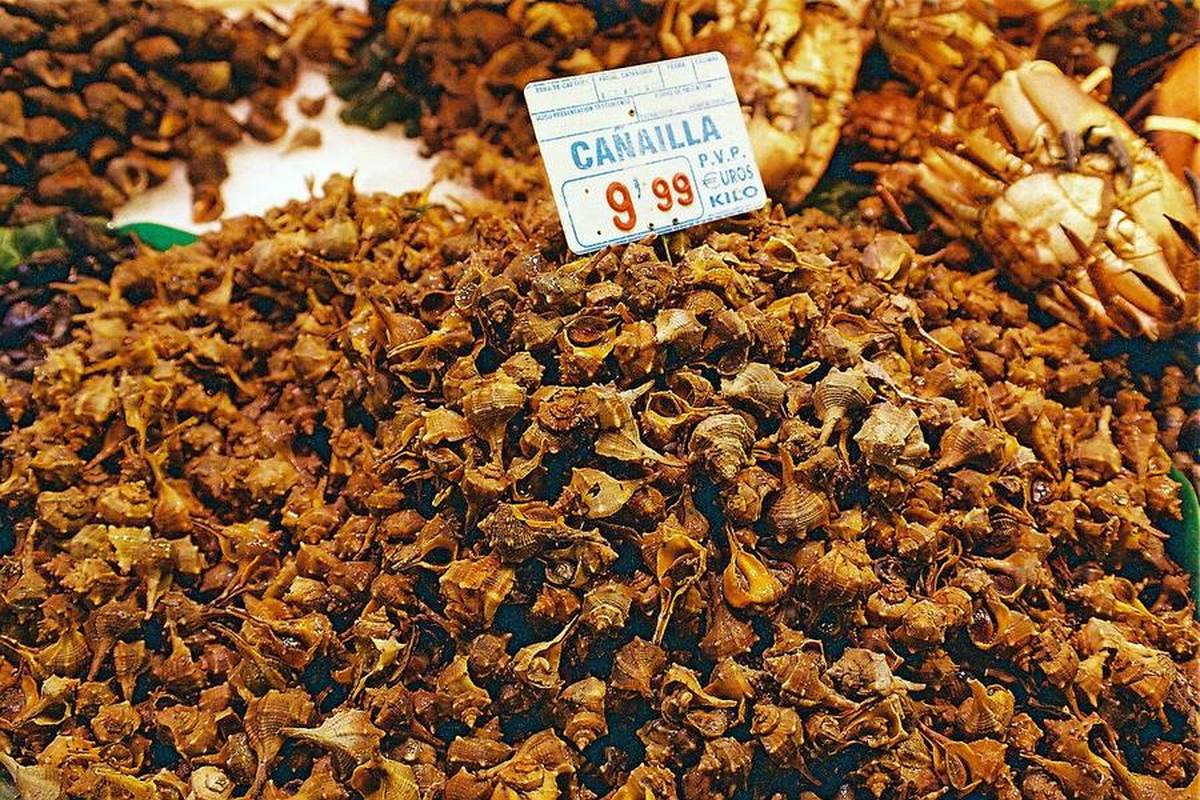
Barcelona Trip Costs: What Changed in 10 Years
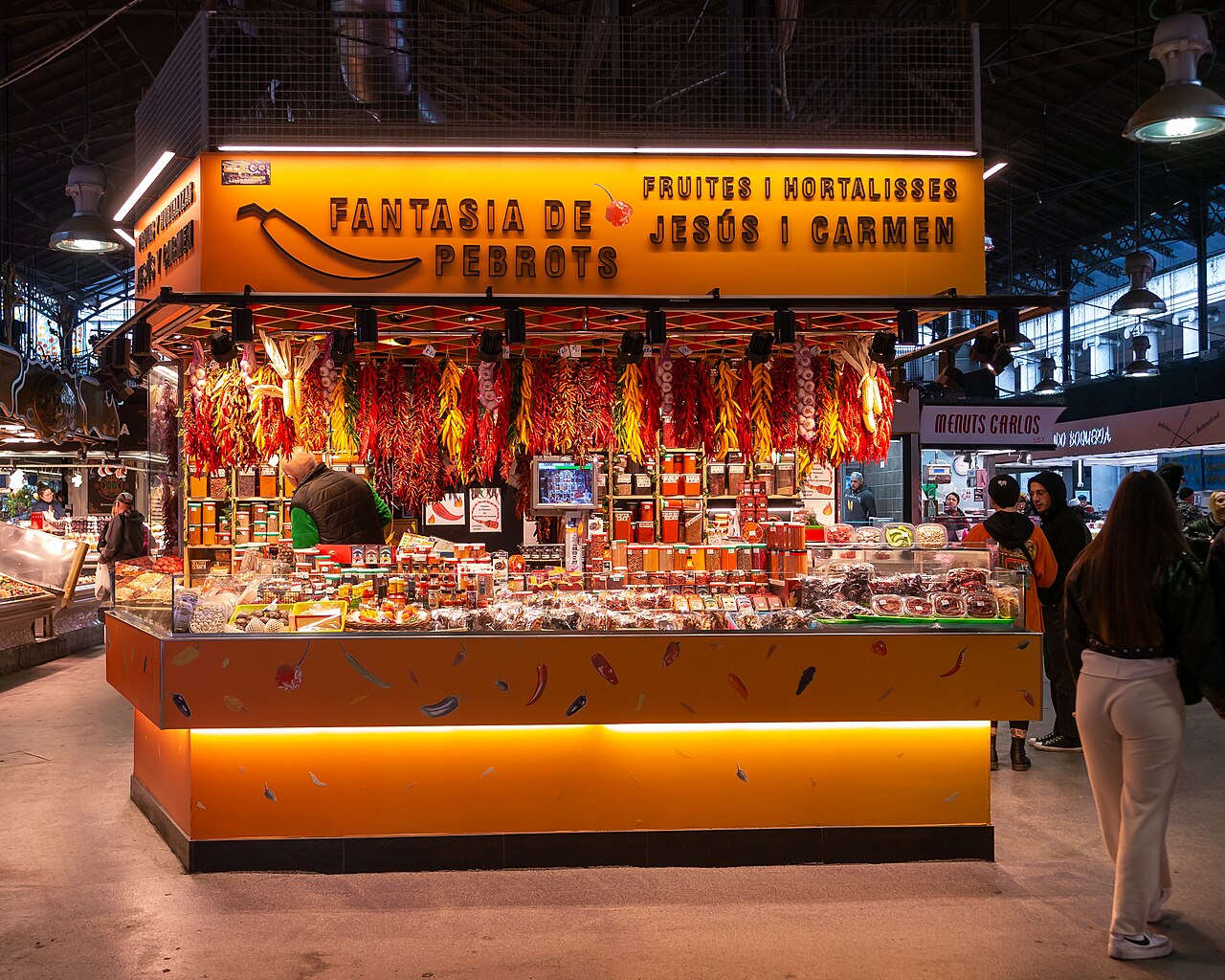
Photo: Matti Blume / CC BY-SA 4.0 / Wikimedia Commons
Travelers who last visited Barcelona ten years ago usually want one practical answer: what does the same trip cost now? Prices have risen across almost everything a visitor pays for, from a morning coffee to a week in the Gothic Quarter. This piece compares food, transport, and lodging over the ten years from 2014 to 2024.
Some numbers show the shift. The average hotel rate went from about 95 euros a night in 2014 to roughly 165 euros in 2024. A three-course menu del dia at local restaurants rose from 11 euros to around 17 euros. A single TMB metro ticket went from 2.00 euros to 2.40 euros. A kilogram of tomatoes at the grocery store climbed from 1.20 euros to 1.85 euros. Municipal price indexes record the same upward trend for both residents and visitors.
The point is to help returning visitors plan, not to dwell on the past. The sections ahead break down the comparisons, show monthly price movement where the data exists, and offer ways to keep a Barcelona trip affordable without skipping what made the city worth the return. The figures come from city price indexes, hotel surveys, and transit authority records, turned into numbers a visitor can use in 2024.
Barcelona Tourism Prices Over a Decade
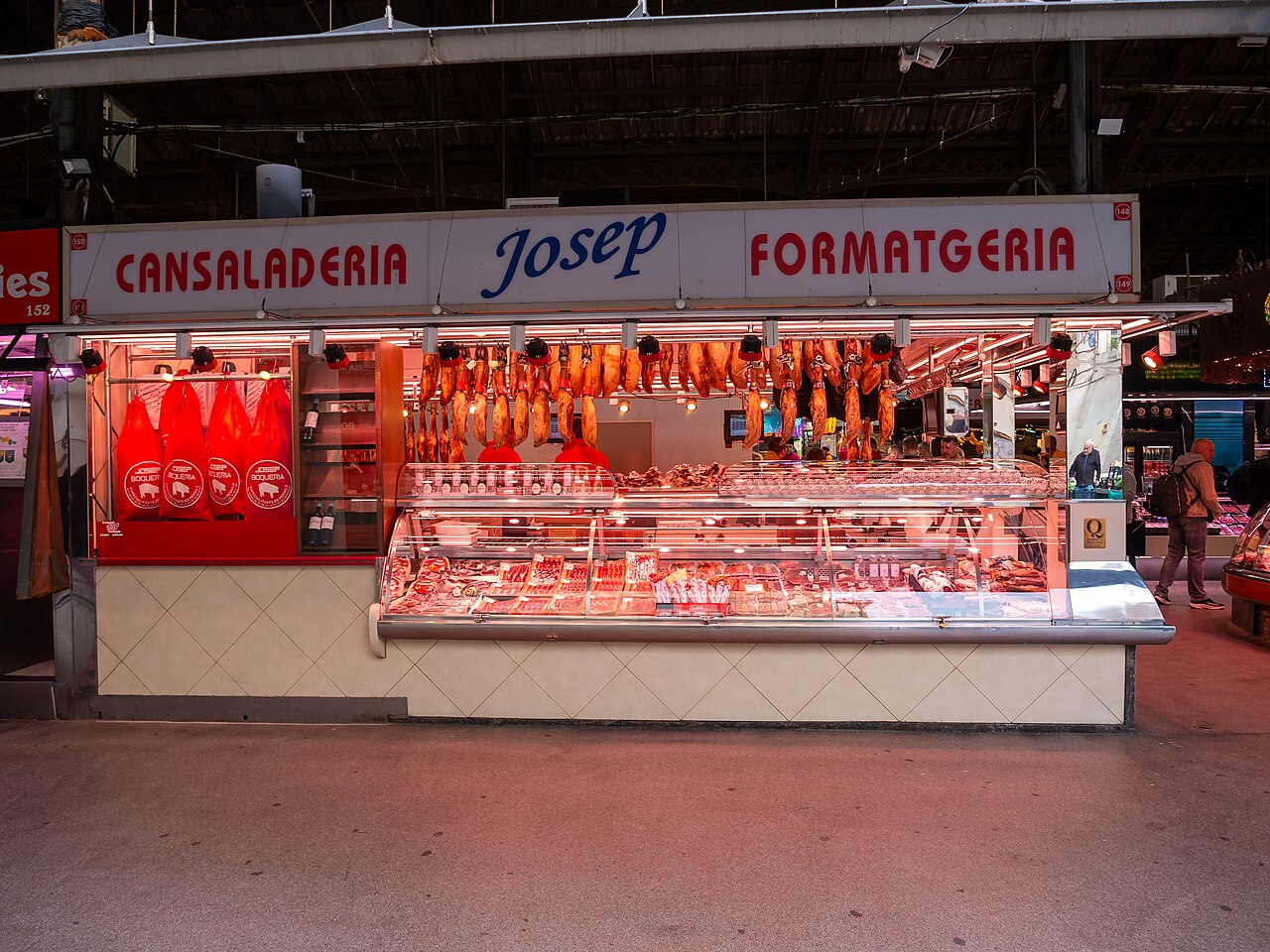
Photo: Matti Blume / CC BY-SA 4.0 / Wikimedia Commons
EUR Index and Cost of Living Shifts
Between 2014 and December 2024, the Eurozone HICP went from a baseline of 100 to 126.3, a cumulative rise of 26.3 percent. Spain stayed below the euro area average, with its national HICP at 123.8 over the same period, a 23.8 percent increase in living costs. In Barcelona the change hit some things harder than others. Housing and food moved faster than the overall index, and grocery prices in Barcelona rose close to 30 percent since 2014 according to Spain's INE panel.
| Measure | 2014 | 2024 | 10-yr change |
|---|---|---|---|
| Eurozone HICP | 100.0 | 126.3 | +26.3% |
| Spain HICP | 100.0 | 123.8 | +23.8% |
| Barcelona grocery index | 100.0 | 130.1 | +30.1% |
Barcelona prices crept up over ten years through a chain of economic shocks. After a slow recovery from the 2008 crisis, Spain had near-zero inflation through 2016. The pandemic caused supply bottlenecks, then the 2022 energy crisis drove Spanish inflation above 8 percent. Barcelona's tourism recovered to 15.6 million overnight stays in 2023, up from 8.9 million in 2014. With more visitors and little new housing, both residents and tourists felt the squeeze on cost.
The macro numbers show up in daily budgets across Barcelona. Average hotel price went from 92 euros a night in 2014 to 158 euros in 2024, a 72 percent increase. Restaurant prices moved the same way: a menu del dia went from 11 to 17.50 euros. A single metro ticket rose from 2.00 to 2.40 euros. Staples like milk cost 25 to 30 percent more at Barcelona grocery stores. A budget trip to Barcelona now needs about 40 percent more per day than a decade ago.
Tourist Tax and Seasonal Rate Changes
Barcelona prices 10 years ago vs now show a steady rise in mandatory visitor taxes. The city added a municipal surcharge in 2014 on top of Catalonia's 2012 ecotax, capped at 2.00 euros nightly for top lodging. By 2024, the Barcelona cost of travel increase raised that municipal charge to 3.50 euros for five-star stays, with regional tax at 1.25 euros. This tax policy raises nightly bills for returning guests.
Seasonal swings add to the tax. Average hotel price Barcelona was 92 euros in Jan 2014 and 148 euros in Jul. In 2024, off-season dropped to 118 euros while July peaked at 225 euros, a 52% summer premium. Restaurant costs Barcelona and metro fare changes follow the same pattern, with August surcharges of 15 to 20%. Grocery prices Barcelona stay steady, so budget travel Barcelona means visiting in low season.
| Fee type | 2014 per night | 2024 per night |
|---|---|---|
| City tourist tax (5-star) | €2.00 | €3.50 |
| Regional ecotax | €0.75 | €1.25 |
| Platform service fee | €0 | €2.00 avg |
| Total added cost | €2.75 | €6.75 |
Today a mid-range visitor pays about 6.75 euros extra per night in taxes and fees versus 2.75 euros in 2014. Over a 7-night August stay, Barcelona prices 10 years ago vs now show a 100 euro plus gap after peak rates and service charges.
Lodging Costs: Barcelona Hotels and Airbnb
Average Hotel Rates Then and Now
Travelers who last visited Barcelona a decade ago will see that hotel prices have climbed sharply. The change shows up most in lodging costs, where ten years of tourist inflation have forced both slow travelers and short-stay guests to rethink their budgets.
Average nightly hotel rates by category rose steadily from 2014 to 2024. Municipal tourism data shows every tier got more expensive, with budget hotels posting the largest percentage increase. Emily Johnson, a slow-travel analyst, points out that this hurts returning visitors who used to find the city cheap.
| Star class | 2014 avg nightly | 2024 avg nightly |
|---|---|---|
| 2-star | €70 | €110 |
| 3-star | €90 | €140 |
| 4-star | €130 | €205 |
| 5-star | €250 | €390 |
Location creates the biggest price gaps. In 2024 a 4-star room in central Eixample or the Gothic Quarter cost about €230 a night, while the same class in outer Sants or Nou Barris averaged €160. A 3-star property ran €165 central against €120 in the outskirts. Ten years earlier, central 4-star rates were near €145 versus €110 peripheral, so the premium grew from 32% to 44% for upper mid-range stays.
These hotel numbers capture the broader rise in Barcelona travel costs over the past ten years. Grocery prices and metro fares have also gone up, squeezing budget itineraries. A visitor who paid €630 for a week in a 3-star hotel in 2014 now pays €980 for the same stay, a 56% jump that beats general Spanish inflation. Many slow travelers now book outer-district rooms or monthly rentals to cut the hit, a real shift in how people plan trips compared with a decade ago.
Airbnb and Local vs Tourist Rental Prices
Over the past ten years, short-term rental platforms like Airbnb reshaped Barcelona's housing supply. In 2014 the city had about 8,000 registered tourist apartments. By 2023 licensed listings passed 14,000, pulling units from long-term pools. In El Raval, local monthly rents rose from 700 euros to over 1,100 euros, a 57% climb that outpaced the roughly 25% cumulative inflation in that period. Comparing Barcelona prices 10 years ago vs now shows visitor demand directly inflating residential costs.
Landlords set separate tiers for short stays and local leases. A studio in Eixample might rent to a resident for 1,200 euros monthly yet list at 90 euros per night, yielding over 2,700 euros monthly if booked. This tourist premium prices out occupants and concentrates visitors in residential blocks. The Barcelona cost of travel increase is amplified by such dual pricing, as returning visitors face nightly rates unrelated to local affordability.
Platform fees changed the budget math for travelers. A decade ago a three-night apartment stay totaled about 150 euros with light charges. Today split guest and host fees plus cleaning add 30 to 40 percent. A 200 euro booking reaches roughly 280 euros at checkout. Coupled with the average hotel price Barcelona rising from 110 euros nightly in 2014 to 165 euros in 2023, the shift confirms why budget travel Barcelona demands tighter planning than ten years prior. Grocery prices Barcelona and metro fare changes rose modestly, but lodging dominates new costs.
Tourist Tax on Top of Nightly Rates
Barcelona's prices today look very different from ten years ago once you add the tourist taxes that hardly existed in 2014. Nightly lodging now costs more than the advertised rate because of mandatory surcharges, and budget travelers feel the extra euros pile up over a week long stay.
- Five-star hotel: EUR 5.75 per night (EUR 3.50 regional ecotax plus EUR 2.25 Barcelona city surcharge)
- Four-star hotel: EUR 3.45 per night (EUR 1.70 regional plus EUR 1.75 city)
- Three-star hotel: EUR 2.15 per night (EUR 0.90 regional plus EUR 1.25 city)
- Tourist apartment or Airbnb: EUR 4.25 per night (EUR 2.00 regional plus EUR 2.25 city)
In 2014 the system was simpler. Only the Catalonia regional tax applied, capped at EUR 2.00 for the priciest properties and often zero for budget pensions. Barcelona's city surcharge started in 2016, so most visitors paid little or no tourist tax on top of the average hotel price then. Groceries and restaurants have also gotten more expensive, but the tax is the one fixed per night charge that did not exist before.
Here is a concrete example. A mid range four star hotel now averages EUR 135 per night before tax. With the EUR 3.45 levy, the real nightly cost is EUR 138.45. In 2014 that same category averaged EUR 85 per night with a EUR 1.70 tax, totaling EUR 86.70. The difference is clear for travelers who knew the city a decade ago. Metro fares and other costs have risen too, but the lodging tax is the line item many forget to budget.
Food Costs: Eating in Barcelona
Restaurant Menu Price Changes
Restaurant costs in Barcelona have risen sharply over the past ten years. In 2014, a neighborhood menu del dia with starter, main, dessert, and drink averaged 12.50 euros. By 2024, the same meal at local eateries costs 19 to 23 euros, a 55 to 85 percent increase above Spain's overall inflation. A mid-range dinner for two with two three-course meals and house wine was 45 euros in 2014 and is 72 euros today, driven by rent and import costs that pushed up the broader expense of visiting Barcelona.
Specific dishes show the change. A fideuà plate in Gràcia was 9 euros in 2014 and is 14 euros now. Paella marinera for one went from 13 to 19 euros at comparable restaurants. Constant visitor demand lets venues raise prices without losing customers. A pan con tomate and ham breakfast at a corner bar near Mercat de Sant Antoni went from 4 to 6.50 euros. Residents say this is the daily increase they notice most.
Tourist areas charge much more than local ones. Along Las Ramblas, a menu del dia carries a 30 to 50 percent premium, often 28 to 35 euros against 20 euros in Sants. At Plaza Reial, dinner entrees include paella at 26 euros versus 18 euros a few streets away. Average hotel price in Barcelona rose from 105 to 175 euros per night, but dining rose faster. Budget travel Barcelona tips point visitors to the pintxos rows at Mercat de la Llibertat, where a tapa and drink is still about 3.50 euros, barely changed in ten years. Metro fare and grocery prices in Barcelona add to the bill, but restaurant markup is the clearest difference for people who visited before. Many returning guests comment on the higher prices at the same tables they used a decade ago.
Grocery Prices for Local Shopping
Travelers comparing Barcelona grocery prices from 10 years ago with today will see steady increases. The same trend shows up in lodging and transport costs. A decade ago, a typical shopping basket for visitors who cook their own meals cost less than it does now, and staples took a smaller share of the budget.
- A standard loaf of white bread cost about 0.80 EUR in 2014 and averages 1.30 EUR in 2024.
- A liter of whole milk rose from 0.70 EUR to 1.10 EUR over the same period.
- Seasonal produce like tomatoes increased from 1.20 EUR per kg to around 2.00 EUR at chain supermarkets.
Supermarket prices in Barcelona rose close to 28 percent over the decade. That outpaced some wage growth, though neighborhood markets stayed cheaper. At places like Mercat de Sant Antoni, fresh fruit and vegetables sell about 15 percent below supermarket prices, which rewards travelers who shop like locals.
Cooking your own meals instead of eating out saves money in Barcelona. A casual menu del dia went from 12 EUR to 18 EUR, while preparing two meals a day from groceries can cut daily food spending by half. That saving offsets part of the higher costs in lodging and transit.
Local vs Tourist Prices and Value
The difference between what locals and tourists pay in Barcelona has grown compared with prices 10 years ago. In 2014, a caña at a Sants bar cost 1.50 euro and a menu del dia 10 to 12 euro. Today those local spots charge 2.50 euro for beer and 14 euro for the menu, a modest rise. On La Rambla or Barceloneta, the tourist premium takes over: a caña jumps to 4.50 euro and a visitor menu hits 22 to 28 euro. Guided tours show the same split. A Gothic Quarter walking tour priced 15 euro in 2014 now lists at 35 euro, a direct effect of inflation from tourism.
For returning visitors, the higher travel cost means restaurant prices in tourist zones moved from bargain to mid-range, yet local value persists. Average hotel price rose from 95 euro in 2014 to over 160 euro today, but eating where locals do keeps costs down. Grocery prices remain approachable: a kilo of tomatoes at Mercat de Sant Antoni was 1.20 euro in 2014, now 1.80 euro, a slower climb than dining out. A returning traveler who buys market produce for a picnic spends under 6 euro per person versus 18 euro for a tourist menu. The city is not uniformly expensive; price growth is concentrated in certain areas, so a visitor remembering 2014 prices can still eat well away from hotspots.
To find normal prices, head to Gràcia, Poble Sec, or Sants where menu del dia holds at 12 to 15 euro. Mercat de Sant Antoni groceries let budget travelers build a picnic for under 6 euro, skipping the tourist markup. Take the metro with a T-casual 10-ride ticket at 11.35 euro to reach these neighborhoods instead of paying cruise-passenger rates near the cathedral.
Getting Around: Metro and Budget Transport
Metro Fare Changes in 10 Years
Over the past decade Barcelona replaced the T-10 card with the T-casual, a change completed in 2020. In 2014 a single metro ticket cost €2.00 and the T-10 with ten trips sold for €9.95. By 2024 the T-casual costs €11.55 for ten journeys while a single ride rose to €2.40. Transport fares rose more slowly than average hotel or restaurant prices in the city, which helped slow-travel visitors keep costs down.
Nominal fares climbed 20 percent for single rides and 16 percent for the multi-trip card. Against local wages the real increase stayed small. Median monthly earnings in Barcelona grew from €1,950 in 2014 to €2,250 in 2024, a 15 percent gain, while Spanish CPI rose about 18 percent over the decade. Because fare growth roughly matched wage growth, the real-term cost of travel in Barcelona stayed near zero, unlike grocery and hospitality prices pushed up by tourism.
The T-casual allows metro, bus, and tram transfers within 75 minutes, the same window as the old T-10 but with simpler zone rules. The airport surcharge changed from a separate €4.50 ticket on the L9 Sud line a decade ago to a €1.05 per-trip supplement on the T-casual today. This spreads cost for budget travelers but raises the effective fare for visitors flying in. The fare redesign shows how visitor demand nudges local pricing toward models funded by tourists.
Saving on Transport in Barcelona Today
Budget travel in Barcelona in 2024 comes down to using capped passes. The Hola BCN! 96-hour card costs €30.80 for unlimited metro, bus, and tram. The T-Casual gives 10 rides for €11.35, which works out to €1.14 per ride against €2.40 for a single ticket. Walking costs nothing across the Eixample grid and the 2.5 km seafront between Barceloneta and Port Olimpic, where most sights sit close together. Rental bikes start at €6 per day near Placa Catalunya if you want a car-free backup.
Comparing Barcelona prices now with those of 10 years ago shows transit has lagged behind other costs. The 96-hour metro pass went from €25.50 in 2014 to €30.80 today, a 21% increase. Over the same period the average hotel price in Barcelona rose from €110 to €180 per night, and restaurant costs went up about 35% per meal. On a four-day trip, transport now takes a smaller share of the budget than it did a decade ago, because lodging and dining rose faster than the cost of getting around the city.
The rise in Barcelona travel costs stays manageable because the city is walkable and gets public subsidies. Free walking routes connect the Gothic Quarter, Mercat de Sant Josep, and Parc de la Ciutadella with no fare needed. Grocery prices in Barcelona climbed about 3% a year, slower than restaurants, so picnics from the market reduce how much you ride transit. Unlike the steep hotel inflation from tourism, metro fares stayed moderate through municipal support. Using a T-Casual with walking keeps daily travel near €3, close to the €2.55 average from 2014.
What Visitors Should Know About Higher Costs
Barcelona costs in 2025 are much higher than in 2015 across hotels, food, and transit. The average hotel price in Barcelona went from €95 to €168, a 77 percent jump. A menu del dia rose from €11 to €16, and milk from €0.85 to €1.15 per liter. A single metro ticket went from €2.15 to €2.40, and the T-casual 10-trip pass from €9.95 to €11.35. These changes shape what a trip to Barcelona costs today.
- Lodging up 77 percent
- Restaurant costs up 45 percent, groceries up 35 percent
- Metro fares up 11 percent
Travel in Barcelona now costs more per day than a decade ago. Prices tied to tourism rose about 42 percent from 2015 to 2025, against Spain's national CPI of 24 percent. Visitors returning with the same plan spend roughly 60 percent more on lodging and food. The increase comes from general inflation and the 2024 tourist tax, which reached €4.50 per night. Knowing this helps set realistic expectations.
A budget trip to Barcelona in 2025 needs a plan built on actual figures. A slow traveler who uses markets and the metro should aim for about €120 a day, compared with €70 in 2015. List the real numbers before booking: hotel average €168, menu del dia €16, and the 10-trip metro pass at €11.35. Planning with those figures avoids running short and leaves more time for the neighborhoods. Visitors who work from real costs get through the trip without shocks. The practical move is to set a 2025 budget from these ten-year trends.
Frequently asked questions
How much more does Barcelona cost than 10 years ago?
A budget trip now needs about 40 percent more per day than in 2014. The average hotel rate went from roughly 95 euros a night to 165 euros, a menu del dia rose from 11 to around 17 euros, and a single metro ticket went from 2.00 to 2.40 euros. Lodging and restaurants drove most of the increase; metro fares stayed the mildest.
How much is the tourist tax in Barcelona per night?
It depends on the lodging class: a three-star hotel adds 2.15 euros per night, a four-star 3.45 euros, a five-star 5.75 euros, and a tourist apartment or Airbnb 4.25 euros, split between the regional ecotax and the city surcharge. In 2014 only the regional tax existed; the Barcelona city surcharge started in 2016.
What is the cheapest way to get around Barcelona?
A T-casual card: 10 rides for 11.35 euros, which works out to 1.14 euros a trip against 2.40 for a single ticket. The Hola BCN! card gives 96 hours of unlimited metro, bus, and tram for 30.80 euros. If you fly in, the airport supplement is now 1.05 euros per trip on the T-casual. Walking the Eixample grid is still free.
Where can you eat cheaply without tourist prices?
Head to Gràcia, Poble Sec, or Sants, where a menu del dia still runs 12 to 15 euros. Along Las Ramblas the same lunch carries a 30 to 50 percent premium, often 28 to 35 euros. Groceries from Mercat de Sant Antoni cost about 15 percent less than in supermarkets, so a market picnic runs under 6 euros a person versus 18 euros for a tourist menu.
Official sources
Details worth verifying before you go — checked against:

Travel Writer & Editor
Emily Johnson writes and edits Do Travel Blog. Every guide on the site starts the same way: with a question she actually had while planning — when to book, which pass to buy, how to get from A to B without overpaying. Where a number matters, she cites the source: park tickets link to the park's own fee page, visa rules to the official consulate, ferry times to the operator. Prices get re-checked against those pages before each update, and a guide is re-dated when its numbers move. Nothing here is sponsored — she doesn't accept payment for coverage. Spotted something stale or wrong? Email hello@dotravel.blog and she'll fix it.