Where to Exchange Currency Abroad for the Best Rates
Discover the best places to exchange currency abroad, from banks and exchange offices to ATMs. Tips to get the best rates and avoid fees.
Why Choosing the Right Place Matters for Your Budget
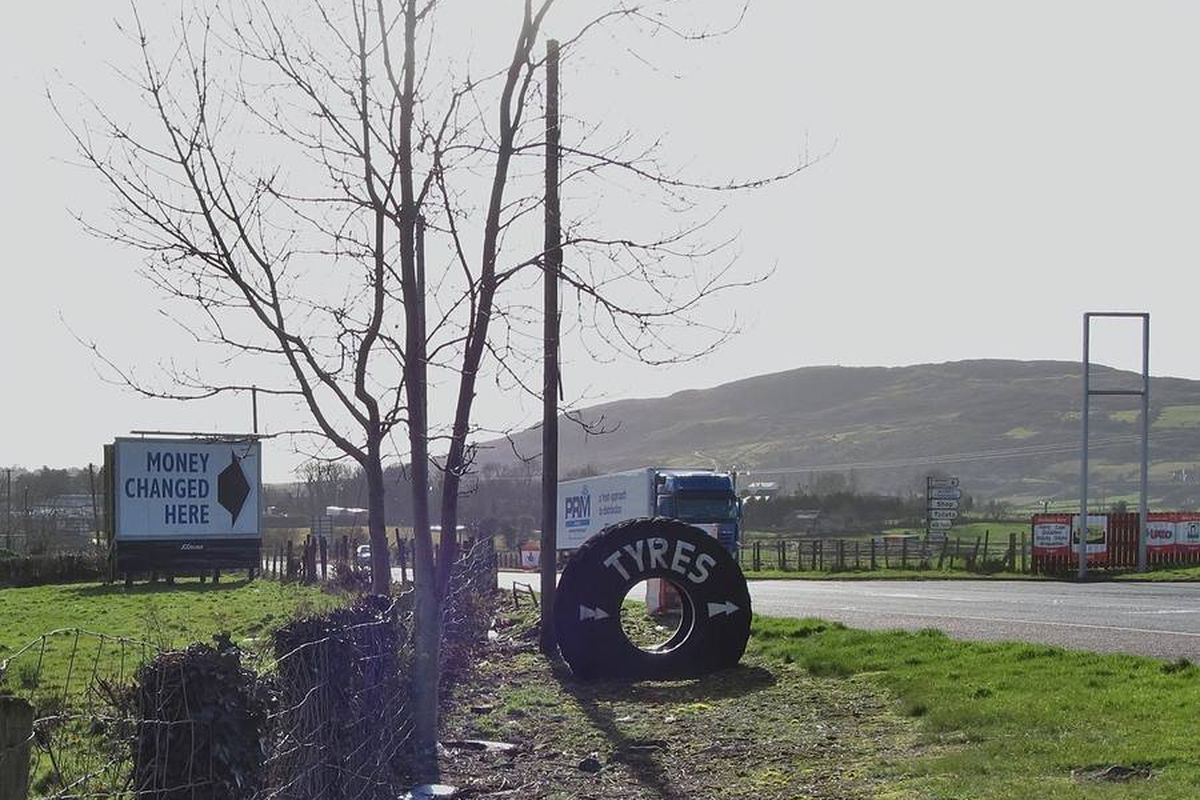
A difference of just a few percentage points in exchange rates can inflate or shrink your travel budget. On a 2,000 euro trip, paying a 7% markup instead of a 1% fee costs you an extra 120 euros, money that could have paid for several meals or a day trip. The place you choose to exchange currency matters more than most travelers realize.
You have three main options: banks, exchange offices, and ATMs. Each comes with its own fee structure, convenience level, and rate. Banks usually offer fair rates but may charge service fees and require advance ordering. Standalone kiosks are widespread in tourist areas but frequently hide poor rates behind a zero-commission sign. ATMs often provide the mid-market rate plus a small withdrawal fee, though out-of-network machines can add steep surcharges.
This article compares the best places to exchange currency across different countries, from bank currency exchange counters to airport kiosks. You will learn where to get the best rate, how to spot the cheap ones, and which options let you exchange money without fees. Whether you are searching for the the fairest places to convert cash near you or wondering where to exchange money abroad before departure, these currency exchange tips will help you keep more of your travel funds.
Banks: Reliable but Not Always the Cheapest
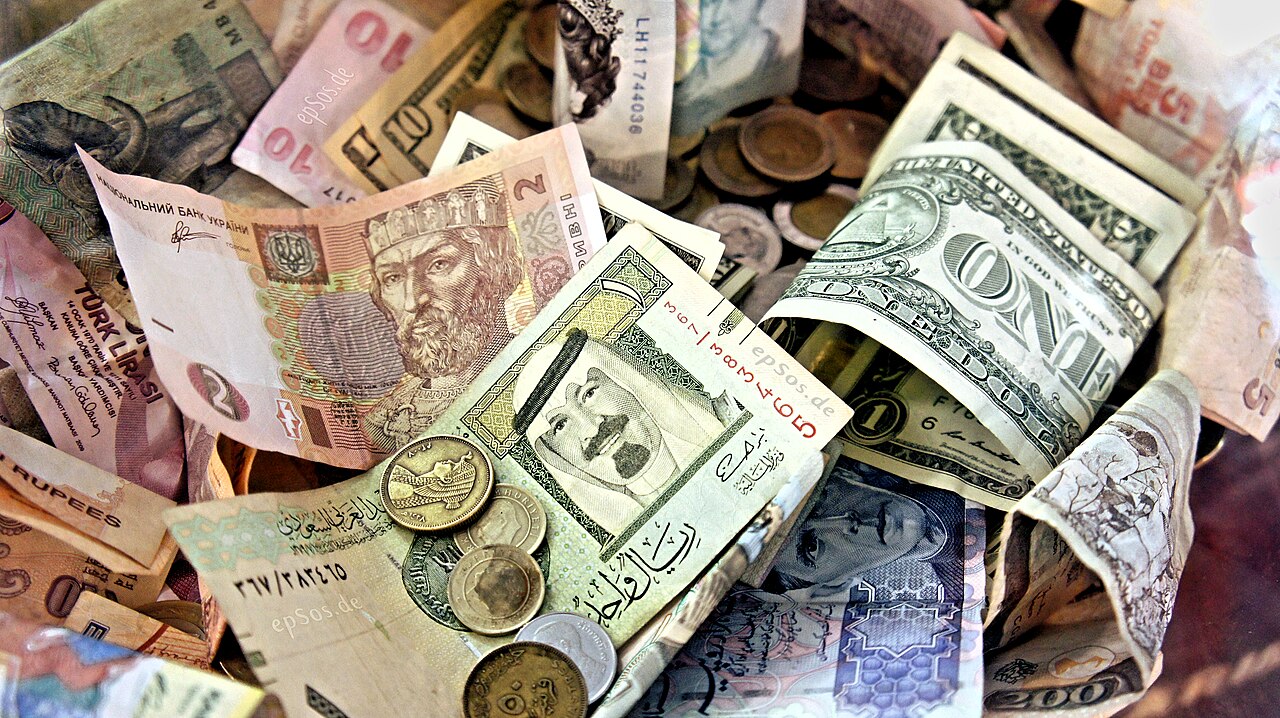
Photo: epSos.de / CC BY 2.0 / Wikimedia Commons
Pros and Cons of Using Banks for Currency Exchange
Banks offer a secure and regulated way to exchange currency, backed by government deposit insurance that street kiosks and unlicensed informal operators cannot match. This reliability matters most for travelers moving larger sums. The trade-off is that bank rates are often less competitive. Typical margins run 2 to 5 percent above the interbank rate, plus a flat fee of $5 to $15 per transaction, which can eat into your funds compared to dedicated kiosks.
Fee structures vary widely between institutions. Some national banks charge a commission of 1 to 3 percent, while others apply a fixed handling fee regardless of the amount exchanged. Kiosks near banks sometimes advertise zero commission, but they recover costs through wider spreads. Always ask for the total cost in your home currency to compare offers accurately and find the best rate for your specific transaction.
A notable exception exists for account holders at large international banks. For instance, HSBC Premier or Citigold customers can exchange currency at preferential rates through their online banking portal before travel, often saving 1 to 2 percent compared to walk-in branch rates. Using an ATM abroad from the same bank network also eliminates foreign transaction fees, making this combination one of the best options for those who plan ahead.
In practice, banks work best for larger exchanges where security outweighs a small rate difference, such as for long-term travelers withdrawing cash in bulk. For smaller one-off transactions, a transparent kiosk may offer better value. The key is to avoid last-minute airport currency counters and tourist-zone counters, which typically provide the worst rates and highest fees.
How to Get the Best Bank Exchange Rate
Before you travel, call your bank to ask if it has partner banks in your destination. For example, the Global ATM Alliance, which includes Bank of America, Barclays, and Scotiabank, lets customers withdraw cash without paying the usual $5 foreign ATM fee. If no partners exist, order foreign currency online from your bank. This locks in the day's mid-market exchange rate and typically saves 3% to 5% compared to airport counters, based on a 2023 Wall Street Journal comparison. Doing this simple step helps you find the best places to exchange currency before you even leave home.
Avoid bank counters at airports. A 2024 Bloomberg investigation found that airport counters charge rates up to 10% worse than city-center banks. If you must get cash immediately, use an airport ATM for a small amount, but acknowledge that ATM fees abroad can be high. The better strategy is to wait until you reach a bank branch or a dedicated storefront in a non-tourist area. Asking yourself where to exchange money abroad, and where to get the best rate, before you travel will steer you toward reliable banks and reviewed storefronts rather than last-minute rip-offs.
Exchange Offices: Finding a Fair Deal
Avoiding Tourist Traps: Airport and Hotel Kiosks
Airport and hotel exchange kiosks are among the worst places to convert money because you pay for convenience. These locations operate as captive markets where travelers have few alternatives and tight schedules. As a result, they charge much higher margins, often adding a markup of 8-15% above the mid-market rate, compared to 1-3% at a city center exchange counter or a local bank. They may also bury unfavorable rates in the displayed numbers, offering rates that are 10-20% worse than what you would get from an ATM abroad or a dedicated exchange bureau in town.
The hidden fees at these kiosks go beyond the exchange rate. Many charge a flat service fee of $5-10 per transaction, which cuts heavily into smaller amounts. Some advertise '0% commission' but set their rates so far from the market rate that the effective cost is still steep. For example, if the mid-market rate is 1.10 USD per EUR, a hotel desk might offer 1.00 USD per EUR, effectively charging a 9.1% fee. Always compare the rate offered to the live mid-market rate using a currency converter app. To avoid the tourist-zone traps altogether, plan ahead: withdraw local currency from an ATM at your destination bank using a fee-free card, or exchange a small amount at a reputable city office before you arrive.
A simple trick to uncover the true cost: always ask for the total amount in your home currency before completing the transaction. This forces the teller to reveal the full charge, including any hidden spread. If the number is significantly higher than what a quick online converter shows, walk away. For the best rates, skip the lobby kiosk and head a few blocks into town, where competition keeps prices fair and transparency is the norm.
How to Locate a Reputable Exchange Office Near You
Online tools are the fastest way to find a reliable one. Apps like Xe, Revolut, and Google Maps let you search for 'exchange office near me' and see real-time ratings and distances. City-specific expat forums or travel blogs often list trusted local exchangers that general search results might miss. Use these resources to create a shortlist before you step outside your hotel.
Once you arrive in a new city, head to the downtown core or the main financial district. These areas concentrate legitimate exchange businesses that serve both tourists and locals. A storefront with a visible sign, posted rates in the window, and dedicated staff is far less likely to overcharge than a kiosk tucked inside a souvenir shop. In hubs like Tokyo's Shinjuku, Madrid's Gran Via, or Bangkok's Sukhumvit Road, exchange counters near train stations or major shopping streets consistently offer competitive rates for popular currencies like euros and dollars.
Always check recent reviews on Google, TripAdvisor, or local equivalents before you visit. Look for mentions of hidden fees, poor rates, or counterfeit detection issues. If multiple people flag inflated commissions, cross that place off your list. Compare the rates at two or three different offices on the same block. The spread can exceed five percent, directly hitting your travel budget. Spending fifteen minutes on research can save you twenty to thirty dollars on a typical currency exchange, making it one of the most valuable steps when deciding where to exchange money abroad.
Comparing Exchange Office Rates Like a Pro
Understanding the buy/sell spread is the first step to finding a fair deal. Every counter posts two rates: the buy rate (what they pay for foreign currency) and the sell rate (what they charge you). The difference, or spread, is their profit. A narrow spread, for example, a sell rate of 1.12 and a buy rate of 1.10 for EUR/USD, signals a fair deal. A spread of 0.05 or more usually means you are overpaying. This matters when comparing where to exchange money abroad because the spread directly affects how much local currency you receive.
Before walking into any shop, check live mid-market rates on comparison sites such as XE.com, OANDA, or Revolut. These platforms show the real exchange rate without any markup. Print the rate or keep it on your phone. When you enter a shop, compare their sell rate to the mid-market reference. A difference of 2-3% is typical for reputable offices; anything above 5% is a bad deal. Many travelers also use apps like CurrencyFair or Wise to see if a digital transfer beats a physical exchange.
Spotting unfavorable rates requires looking beyond the main display board. Some shops advertise a good rate for one currency pair but hide fees or apply a worse rate for others. Always ask for the total cost including any commissions. Avoid tourist traps in major squares or near cruise ports; they often offer spreads of 8-12% and charge extra service fees. Instead, walk a few blocks into a side street where local businesses serve residents. A quick online search plus cross-referencing with rate tools gives you the confidence to walk away from bad terms.
To compare like a pro, calculate the effective rate yourself: divide the amount of foreign currency you receive by the amount of your home currency you pay. Use that number, not the advertised rate, to judge the deal. Marking down rates from three different offices before committing ensures you always choose the fairest counter.
ATMs: Convenience with Caution
Using Your Debit Card Abroad: Fees and Tips
Using a debit card at an ATM abroad is one of the best places to exchange currency because the exchange rate usually matches the mid-market rate set by global currency markets. But fee structures can eat into that advantage. Foreign transaction fees typically run 1% to 3% of the withdrawal amount, and the ATM's owner may add a surcharge of $2 to $5 per transaction. Combined, these can cancel out the savings from the favorable rate. Knowing these costs helps you decide where to exchange money abroad and when it is better to use an ATM versus other options like bank currency exchange or a downtown kiosk.
Before you leave, check with your bank about partner networks that waive ATM surcharges. Many banks belong to global alliances such as the Global ATM Alliance or have agreements with specific banks in popular destinations. If your bank partners with a local bank at your destination, you can exchange money without fees for that particular ATM. This approach often beats the rates offered by tourist-oriented counters and is one of the cheapest alternatives available to you while traveling. Ask specifically about fees for international withdrawals and whether your account qualifies for fee reimbursement.
One of the most overlooked currency exchange tips is to always decline dynamic currency conversion (DCC) at the terminal. When prompted to accept the transaction in your home currency, choose to be charged in the local currency instead. The exchange rate offered by the ATM operator under DCC can be up to 10% worse than your bank's rate. By declining, you let your bank do the conversion at its standard rate, which is usually more favorable. This simple decision is a key factor for getting a good rate from counters and ATMs alike, ensuring you get the best rate possible when using an ATM abroad without falling for hidden markups.
Choosing the Right ATM for the Best Rate
ATMs are one of the most convenient places to exchange currency abroad, but the fees and exchange rates vary widely depending on which machine you use. The safest bet is to withdraw cash from ATMs located inside bank branches. These machines are owned and serviced by the bank itself, so they typically offer exchange rates close to the mid-market rate and charge lower surcharges than standalone machines on streets or in tourist hubs.
- Use only ATMs attached to a bank branch, not standalone machines in malls or airports.
- Avoid Euronet and similar high-fee operators; they often charge $4 to $6 per withdrawal plus a poor rate.
- Withdraw larger amounts, such as $300 or more, to minimize the impact of a flat per-transaction fee.
- Always decline the offered conversion rate (dynamic currency conversion) and let your home bank set the rate.
A fee-free travel card such as Wise or Revolut eliminates foreign transaction fees and uses the real mid-market exchange rate. Pairing this card with a bank-owned ATM is one of the cheapest and most reliable ways to get cash abroad. Check your card's terms before departure to confirm there are no additional ATM charges.
Bottom line
Key Takeaways for Getting the Best Rates Abroad
Getting the best exchange rates abroad comes down to three habits: skip tourist counters, compare rates before you commit, and use ATMs smartly to cut fees. Where to exchange money is not a one-size-fits-all answer; the best strategy depends on your destination, how much you need, and your access to local banks. For most travelers, the most reliable method is to withdraw cash from local ATMs using a debit or credit card that waives foreign transaction fees. This usually gives you the mid-market exchange rate, which is far better than the inflated margins at airport kiosks and hotel desks.
- Plan ahead: Research your destination's banking landscape and notify your bank of your travel dates to prevent card blocks.
- Compare rates before exchanging: Use an app like XE or Wise to check the mid-market rate, then see how the offered rate compares.
- Withdraw larger amounts less often: This cuts per-transaction ATM fees, though always check your bank's daily withdrawal limit.
- Consider bank currency exchange: Local banks often offer competitive rates to non-customers, outperforming most standalone kiosks.
- Avoid tourist kiosks near major landmarks and hotels; they charge the highest commissions and worst margins.
A mix of methods gives you the best protection. Exchange a small amount at home for immediate arrival expenses, then rely on ATMs for the bulk of your cash needs. The best counters to use are those affiliated with local banks, not standalone operators in tourist zones. When you need to change leftover currency back, use a trusted currency exchange travel service that posts transparent buy-sell spreads. By combining these strategies, you guard against any single method's weakness (high fees, poor rates, or limited availability) and keep more of your money for the trip itself.
Official sources
Details worth verifying before you go — checked against:
How I verify what's on this page
Exchange rates and kiosk commissions shift by the day, which makes currency advice the fastest-rotating content on this site. Before every update I re-check the fees and rates I quote against the banks' and providers' own published pages, and drop anything I can't source. Official figures — central bank rates, card-network terms — are linked where they appear. When the numbers move enough to change the advice, the guide is re-dated. If you spot a stale figure, hello@dotravel.blog gets it fixed fast.

Travel Writer & Editor
Emily Johnson writes and edits Do Travel Blog. Every guide on the site starts the same way: with a question she actually had while planning — when to book, which pass to buy, how to get from A to B without overpaying. Where a number matters, she cites the source: park tickets link to the park's own fee page, visa rules to the official consulate, ferry times to the operator. Prices get re-checked against those pages before each update, and a guide is re-dated when its numbers move. Nothing here is sponsored — she doesn't accept payment for coverage. Spotted something stale or wrong? Email hello@dotravel.blog and she'll fix it.