Train Booking Sites vs Station Counters: Fee Comparison
Compare fees on the best train booking websites Europe vs station counters. See real price differences between Trainline, Omio, and official operators.
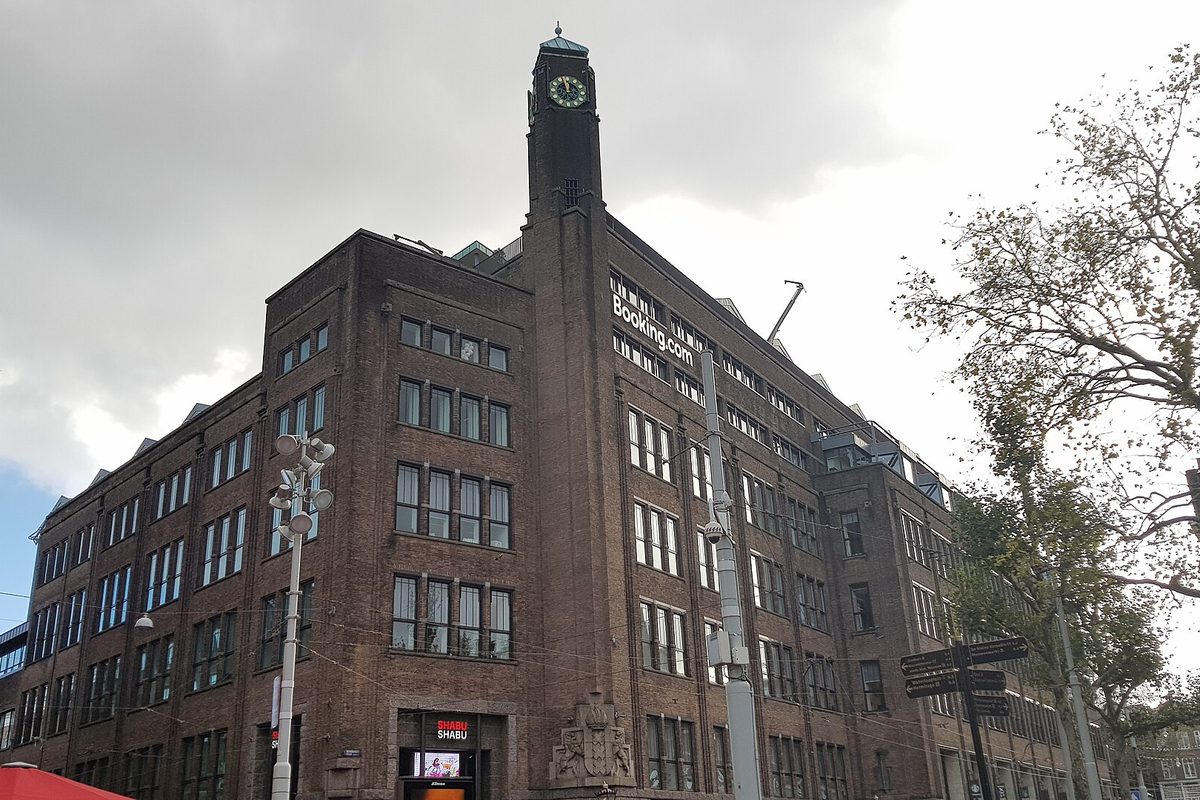
Why Fee Comparison Matters for European Train Travel
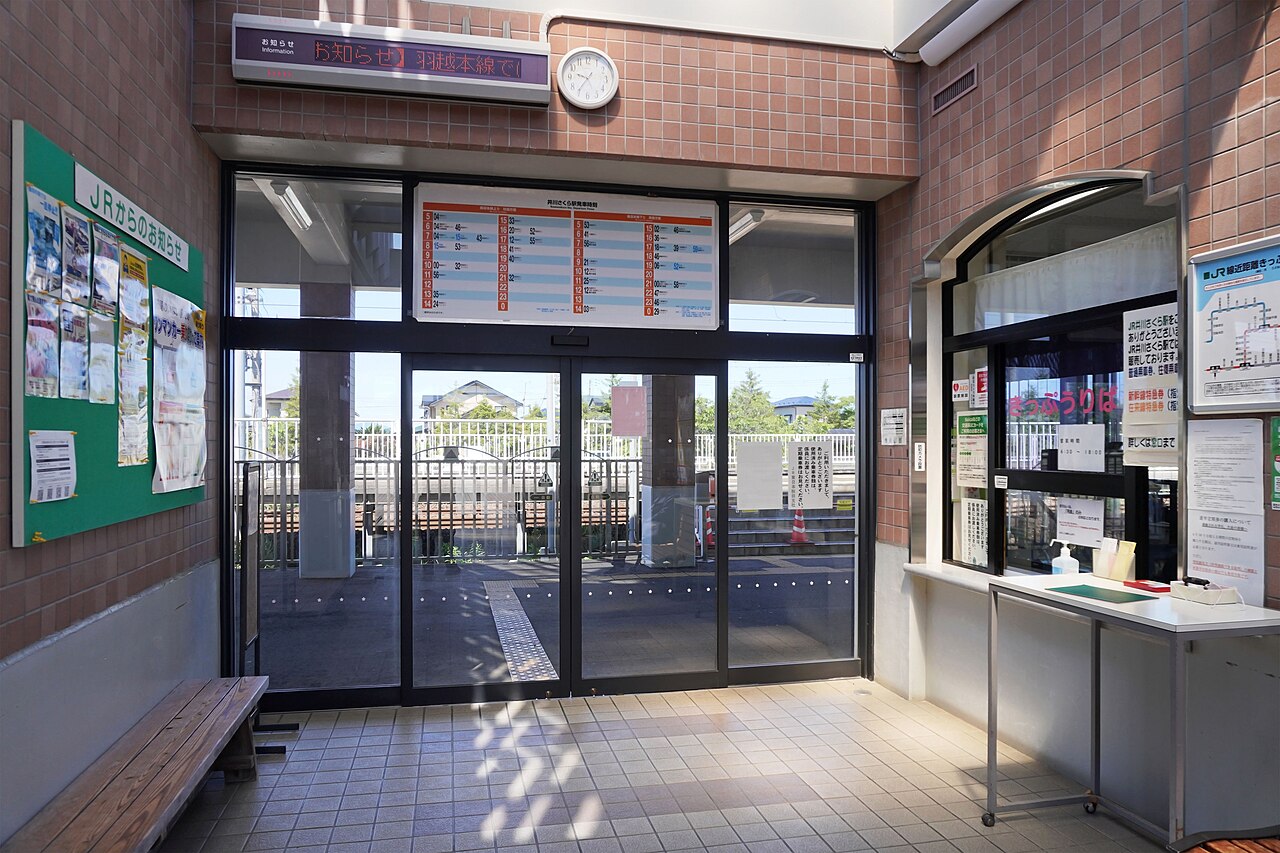
Photo: Mister0124 / CC BY-SA 4.0 / Wikimedia Commons
Picture this: you find a €50 train ticket from Paris to Amsterdam online, but by the time you check out, the total is €60. That extra €10 or more often comes from booking fees, currency conversion charges, or service add-ons that platforms like Trainline and Omio layer on top of the base fare. A €50 ticket on Trainline can incur a €3 booking fee plus a 1% currency conversion fee if you are paying in a different currency; Omio often adds a service fee of around €5. Station counters, by contrast, charge no additional booking fee, though you may wait in line or need to speak the local language.
This article compares the real costs of using the best train booking websites Europe has to offer - including Trainline, Omio, and official operator sites - against buying directly at station counters across major European routes. Rail booking site fees can vary from 0% to 15% of the ticket price, depending on the platform and the route. The trainline vs station question is not just about upfront cost; it also involves convenience, refund policies, and seat selection fees.
The goal is straightforward: help you save money and avoid hidden charges. Whether you are planning a weekend trip from Berlin to Prague or a longer itinerary through Italy, understanding the fee structure before you book can lead to genuine savings. We will break down the fees, show you where the cheapest rail platform truly lies, and give you the tools to make an informed choice, including a practical omio review and tips for using the trainline app efficiently.
Station Counters: The Hidden Costs
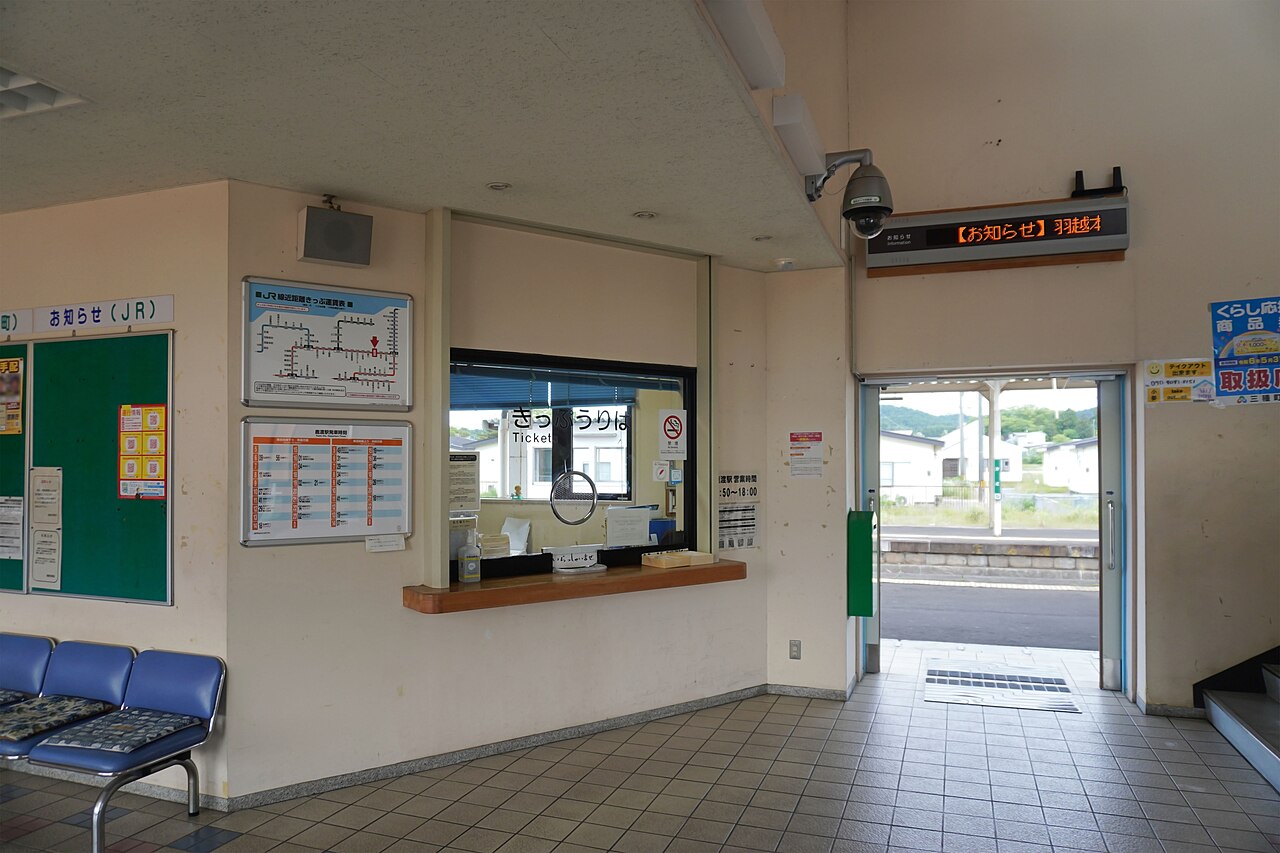
Photo: Mister0124 / CC BY-SA 4.0 / Wikimedia Commons
Counter Service Fees and Language Barriers
Buying tickets at the station counter seems straightforward, but it comes with its own hidden costs. Many European train stations charge a service fee for over-the-counter sales, typically ranging from €2 to €8 per transaction. Italian state operator Trenitalia adds a €3 booking fee for tickets purchased at staffed counters, while France's SNCF applies a €5 service charge for counter purchases compared to the same fare bought through its official app. These fees quickly eat into any savings you might expect from avoiding online booking platforms.
Language barriers introduce another layer of cost. A traveler who cannot read the local language might accidentally purchase a full-price first-class ticket instead of a discounted second-class fare, or miss out on promotional offers such as advance-purchase discounts. In Spain, Renfe's counter staff often default to the flexible fare, the most expensive option, unless you specifically ask for the cheapest one. At smaller stations in Germany, English is not always spoken, and the automated ticket machines may offer only German-language menus. Mistakes here can cost €10 to €30 more than the correct fare, negating any perceived advantage of buying in person.
Limited opening hours compound the problem. Many station ticket offices close by 8 p.m. or are shut on Sundays, forcing travelers to either use a machine, which may not offer all discount options, or purchase a more expensive last-minute ticket online. This constraint often eliminates the possibility of comparing prices across the best train booking websites in Europe, because you must accept whatever is available at the counter. The result is that what seems like a free option actually carries fees, language risk, and time pressure, making the overall cost higher than using a tool like the Trainline app or official operator sites.
Limited Flexibility and Queuing Costs
The time cost of queuing at a station counter is rarely factored into the ticket price, but it is a real expense. A 30-minute wait during peak hours at a major hub like Paris Gare de Lyon or London Paddington translates directly into lost vacation or business time. Over a round trip, that can add up to an hour or more. Time that could have been spent exploring a museum, preparing for a meeting, or simply relaxing. For anyone who values their schedule, the trainline app or another digital platform eliminates this hidden cost entirely.
Counter tickets also come with rigid exchange and refund policies. Many national operators, such as Deutsche Bahn or SNCF, apply strict rules on counter-purchased tickets: some are non-refundable after departure, others require a fee of 15-25 euros for any change. In contrast, the best train booking websites Europe offer more flexible conditions, often with free cancellations up to 24 hours before departure and easy self-service changes through the app.
Finally, station counters provide no access to real-time price alerts or fare comparisons. A traveler cannot glance at a screen to see if a cheaper departure is available five minutes later, nor can they sign up for a price-drop notification. This is where aggregators excel: Trainline or Omio compare multiple official operator sites instantly, showing the lowest fare for any given route. Without that tool, you risk overpaying for the same journey.
When Buying at the Counter Still Makes Sense
Even with the convenience of the best train booking websites Europe offers, buying at the station counter still makes sense in several scenarios. The Trainline vs station fee debate often favors the counter for avoiding surcharges, but the real advantage comes down to specific travel needs and personal circumstances.
For last-minute regional tickets, the counter often wins on price. In Italy, for example, regional train fares are fixed regardless of when you buy, so paying at the counter costs exactly the same as booking through the Trainline app or an official operator site. No online booking fee, no markup. The same applies to many regional services in France, Germany, and Spain, where rail booking site fees would otherwise add a few euros to an already cheap ticket.
Complex itineraries are another area where human assistance pays off. If you are piecing together a multi-leg trip across Switzerland with different regional operators, station agents can help you find the cheapest combination of tickets and passes. They can also apply discounts you might miss on your own. A quick Omio review might show a decent price, but a counter agent can often suggest a better route or a rail pass that saves money over separate tickets. Official operator sites sometimes struggle to handle these combinations smoothly.
Finally, travelers without credit cards or smartphone access have no alternative but the counter. Many European stations still accept cash, and not everyone carries a contactless card or has a smartphone with the Trainline app loaded. For these passengers, the station counter remains the most reliable and cheapest rail platform, offering a straightforward transaction without any digital barrier.
Online Booking Platforms: A Fee Breakdown
Trainline: Fees, Discounts, and App Experience
Trainline charges a booking fee that typically ranges from €1 to €5 per transaction, plus a small payment processing fee of around 1-2% of the fare. These fees make it one of the few major booking platforms that add a visible surcharge on top of the base ticket price. For short-hop tickets under €20, the fee can represent a 10-25% markup, a significant drawback when comparing Trainline vs station counters.
However, Trainline offers several features that can offset these charges. The app frequently provides exclusive discounts not available at station counters or on official operator sites. Its split-ticketing engine automatically searches for cheaper fare combinations, often saving more than the booking fee itself. For example, a London-to-Edinburgh journey might cost €120 as a single ticket but split into two cheaper segments for €105, with the €3 fee still leaving the user €12 ahead. This makes it a strong contender for long-distance trips.
User reviews highlight a clear trade-off. Many travelers praise the convenience of the Trainline app: its live departure boards, e-ticket storage, and mobile-friendly interface. Yet frequent rail users often complain that the fee feels punitive on budget tickets, where a €1.50 booking fee on a €5 fare is a 30% premium. On balance, Trainline works best for advance bookings and complex routes, while station counters remain cheaper for simple, last-minute purchases.
Omio and Other Aggregators
When comparing the best train booking websites Europe has to offer, Omio (formerly GoEuro) is a multi-modal aggregator that searches trains, buses, and flights side by side. This convenience comes at a cost: Omio's booking fees typically range from 1 to 5 euros per ticket, though the exact amount depends on the operator and the ticket price. For example, booking a Trenitalia regional train through Omio adds a 2.50 euro service fee, while a high-speed AVE ticket might incur a 4 euro fee.
Currency conversion markups add another hidden layer. Omio displays prices in a user's home currency by default, but the exchange rate used often includes a 2-3% margin above the interbank rate. If you book a Deutsche Bahn ticket priced in euros while viewing in British pounds, you end up paying more than the official operator site would charge. This is a common complaint in Omio reviews, where users find the final price higher than expected.
Compared to the trainline app, Omio's fees are similar in structure but sometimes slightly higher for the same route. Trainline also charges a booking fee (usually 1-3 euros) and offers no currency conversion if you book in the operator's local currency. The key difference in the trainline vs station counter debate is that both platforms add a fee, whereas buying directly from official operator sites like SNCF Connect or OBB Tickets often eliminates the booking fee entirely. For travelers seeking the lowest total price, the clear winner is the station counter or the operator's own website, provided you can navigate the local language and payment methods.
Official Operator Websites vs. Third-Party Sites
When comparing best train booking websites Europe, the first distinction is between official operator sites and third-party aggregators. Official sites like SNCF Connect, DB Navigator, and Trenitalia's website typically charge no booking fee beyond the ticket price. You pay exactly what the fare costs, with no added service charge. The trade-off is limited features: these sites search only their own network, so you cannot compare multiple operators in one view, set price alerts, or easily combine different rail companies on a single itinerary. You also miss out on the convenience of a unified app like Trainline that stores all your tickets in one place.
Direct booking is cheaper for straightforward single-operator journeys. For example, a Paris to Lyon TGV purchased via SNCF Connect costs the base fare with zero extra fees, whereas Trainline adds a service fee of roughly 1 to 2 euros per booking. The same applies for a Berlin to Munich ICE ticket on the DB site versus Omio. If you know your route and only need one operator, the official site is usually the cheapest option. You also get direct access to loyalty points, real-time disruption alerts, and easier refund processing since the operator handles your booking directly.
Aggregators like Trainline and Omio win on complex multi-leg trips or international routes. Their search engines scan multiple operators at once, revealing cheaper combinations you might not find on a single official site. For instance, a journey from Amsterdam to Milan might involve Thalys, TGV, and Trenitalia; Omio or Trainline will show the best sequences and pricing in one search. The aggregator fee is a small premium for the time saved and the convenience of a single interface. The practical approach: use aggregators to discover options, then check the official site for the exact same itinerary to see if booking directly saves the fee. For simple journeys, skip the aggregator; for complex ones, the fee is often worth it.
Head-to-Head Price Comparison: Real Routes
Short-Haul Routes: Paris to Lyon
A Paris to Lyon ticket bought at the station counter on the day of travel costs around €60, the fixed price set by SNCF for last-minute walk-ups. Booking the same route through the official SNCF Connect website two weeks in advance drops the fare to €25, a saving of more than 50%. That is dynamic pricing: online advance discounts reward early planning, while counter prices stay static at the highest tier.
The rail booking site fees layer on top. Trainline adds a €2 - €3 service fee per ticket, bringing its €25 advance fare to roughly €27. SNCF Connect charges no booking fee for direct purchases, so it keeps the full €25. Omio, another third-party aggregator, adds a similar €2 - €3 fee, though its interface sometimes surfaces slightly different prices from the same train. Over a year of short-haul trips, that fee difference adds up quickly.
For the Paris to Lyon route, the clear winner is SNCF Connect, thanks to zero fees and the same advance discount inventory. The counter only makes sense for spontaneous same-day travel when flexibility outweighs the €60 price tag. Trainline remains a convenient option for its app and multi-operator search, but on this specific route, the fee eats into the saving.
Cross-Border Routes: London to Paris
Eurostar operates a direct sales model that keeps its own platform free of booking fees, but the same cannot be said for third-party resellers. When you book London to Paris through the official Eurostar website, the price you see is the price you pay, no service charge, no hidden extras. Compare that with the best train booking websites Europe has to offer, and the difference becomes clear. The Trainline app adds a booking fee of roughly £1 to £2 per ticket, which is modest but still an extra cost. Omio, meanwhile, can tack on £3 to £5 depending on the fare class, and its default currency display may show a price in euros that converts to a less favorable sterling rate than the one Eurostar itself uses. That exchange rate markup is easy to miss if you are not comparing the final total in pounds side by side with the official operator site.
Perhaps the most critical difference for a route where tickets can exceed £250 is refund policy. Eurostar's own flexible fares allow free exchanges and full refunds up to 14 days before departure. Book through a third-party platform, and those terms often change. The Trainline imposes its own cancellation window, typically 24 hours before departure, and charges a £10 administration fee on top of any fare deduction. Omio outsources refunds to the carrier, which means you have to contact Eurostar directly anyway, adding a layer of friction. For anyone comparing rail booking site fees on a high-value cross-border ticket, the potential savings from a slightly cheaper initial price on a third-party site can be wiped out by a single restrictive refund policy. The official operator site remains the best deal in terms of total cost and flexibility for this route.
Regional Trains and Local Operators
Regional trains are where the fee comparison between booking websites and station counters becomes simple. On German RE (Regional Express) and Italian Regionale services, the major booking platforms rarely add surcharges. These trains operate on fixed, unyielded pricing. The same EUR 22 fare for a Munich to Regensburg RE exists whether you buy it at the counter, on the DB Navigator app, or through Trainline. The difference is convenience: the station counter requires queuing, while the app delivers a mobile ticket instantly.
The same pattern holds across most regional operators. A ticket for an Italian Regionale from Florence to Pisa costs EUR 8.50 on Trenitalia's app and EUR 8.50 at the counter. The official regional app is often cheapest because it bypasses third-party booking fees entirely. Trainline and Omio may still show the same base price, but they add a small booking fee (usually EUR 1-3) that the official app does not.
When you should use the official app over a station counter: on routes you ride frequently, like commuter lines or weekend trips within a region. The app saves time and lets you buy tickets on the go. For one-off regional journeys, the counter works fine, but the app is always more practical. The best train booking websites Europe for long-distance and high-speed trains (Trainline, Omio) are less useful for regional trains; the official operator site or app is the better choice. In short, for regional trains, the cheapest option is the one that charges no fee at all: the operator's own app.
Long-Distance Sleeper and Night Trains
One area where rail booking site fees become especially noticeable is on sleeper supplements for night trains like OBB Nightjet. At the station counter, you pay the base fare plus the supplement with no extra charges. Online, third-party platforms such as Trainline and Omio add a service fee on the supplement, often $3-5 per passenger. For a couple booking a couchette from Vienna to Rome, that adds $10-15 in fees that would not exist at the counter.
App-only discounts further shift the comparison. Nightjet offers a 10% discount on sleeper supplements when you book through the official OBB app or website, a deal that does not appear on Trainline or Omio. This means that for savvy travelers, the cheapest source for a night train is often the operator's own site, not a third-party aggregator. The Trainline app, despite its convenience, cannot match these operator-specific discounts. An Omio review shows similar limitations: the interface is clean, but it passes on no app-only savings. The bottom line: for night trains, the station counter avoids third-party fees, while the operator's app offers the lowest online price.
Maximizing Savings and Avoiding Pitfalls
App-Only Discounts and Loyalty Programs
Trainline's app occasionally offers exclusive discounts that can shave 5% to 10% off select journeys, particularly on long-distance routes or during off-peak windows. These app-only promos are designed to encourage downloads and repeat use, and they can partly offset the platform's booking fee. However, the discounts are often limited to specific routes or timeframes, so they are not a reliable way to save on every trip. For consistent savings, seasoned travelers turn to official operator loyalty programs rather than third-party flash deals.
Operator loyalty programs offer far more predictable value. Germany's BahnCard, for example, gives 25% or 50% off flexible fares for a yearly fee, and can pay for itself after a few long-distance trips. France's Carte Avantage provides 25% off for under-27s and seniors, with a flat annual cost of 49 euros. These programs are tied to the official operator sites, meaning you cannot use them when booking through Omio or Trainline. For loyalty cardholders, the operator's own site is almost always the cheapest source.
Stacking discounts is possible but requires caution. Some official operator sites let you combine an advance-purchase fare with a loyalty card discount, yielding a total that third-party sites cannot match. App-only promo codes from Trainline, by contrast, typically cannot be stacked with already discounted fares; the system applies whichever is lower. A practical strategy is to check the operator's site first with your loyalty card, then compare against any live app-only promo on Trainline for the same route. In most cases, the official site with the loyalty card still wins on price, making it the recommended choice for frequent travelers across Europe.
Price Match Guarantees and Refund Policies
Price match guarantees are rare among the best train booking websites in Europe. Trainline does not offer one; you pay the listed price regardless of what you might find on an official operator site. Omio, another third-party platform, advertises a best-price promise, but its terms are narrow. It applies only if you find the identical route, time, and fare class on the same booking site within 24 hours, not on the operator's own site. In practice, the operator's direct website is almost always cheapest, especially for advance fares.
Refund and exchange fees vary sharply. For a refundable ticket, Trainline charges a flat fee (typically £5 or 10% of the fare, whichever is higher) plus any fare difference. Buying at a station counter often waives the service fee, though you may still pay an administrative charge set by the operator. Official operator sites, such as SNCF Connect or Deutsche Bahn, usually allow free exchanges on flexible tickets and only charge the fare difference. The Trainline app adds an extra layer of convenience, but that convenience costs money when plans change.
To avoid losing money on non-refundable tickets, always select the flexible fare option if there is any chance of schedule changes. The price difference is often small (10-20% more than the non-refundable advance fare) and it saves you the entire ticket cost if you need to cancel. On official operator sites, you can often upgrade to a refundable ticket after purchase for a small fee. A practical tip from my own rail booking: use the operator's app to manage changes directly; it bypasses third-party fees entirely. This is the essence of the Trainline vs station decision: the official route is almost always cheaper for changes.
Dynamic Pricing Strategies: When to Book
Dynamic pricing means train operators and third-party booking sites adjust fares in real time based on demand, capacity, and booking date. Trainline and Omio both use this model, which can work in your favor if you understand the rhythm. On Trainline, advance fares are released up to 12 weeks ahead, and prices typically rise as departure approaches. Omio follows a similar pattern but also aggregates multiple carriers, so you might see different dynamic curves for the same route depending on the operator. The key takeaway from any Omio review is that prices can spike sharply within the final 48 hours, making last-minute booking on these platforms the most expensive option.
The sweet spot for buying on the best train booking websites in Europe is 3 to 6 months ahead. For high-demand routes like Paris to Lyon or London to Edinburgh, booking 12 weeks early can save 40 to 60 percent compared to buying at the station counter a day before. Station counters rarely offer dynamic discounts; they sell the standard walk-up fare, which is almost always higher. This is where the Trainline vs station decision becomes clear: the rail booking site fees are typically small (around 1 to 3 pounds) relative to the savings from early booking.
To avoid missing a price drop, use the price alert feature on the Trainline app and on official operator sites like SNCF Connect or Deutsche Bahn. These tools send a notification when the fare for your specific route decreases. Setting alerts for multiple departure dates gives you a buffer to grab the lowest fare before the dynamic price climbs again. Checking official operator sites daily can also reveal flash sales that third-party aggregators do not always display.
Bottom Line: Choosing the Right Booking Method
The choice between station counters and online booking sites comes down to understanding where each method adds cost and where it offers savings. Station counters carry hidden expenses: the time spent queuing, the risk of sold-out trains, and the absence of advance-purchase discounts that can slash fares by 40% or more. Online platforms like Trainline, Omio, and official operator sites charge booking fees often between 1 and 4 euros per transaction, but they also unlock dynamic pricing, promotional codes, and app-only deals that station counters never match.
For most trips across Europe, the cheapest rail platform is not any single site but a combination: check the official operator site first (for example, SNCF Connect for French trains or Deutsche Bahn for German routes), then compare with one major aggregator such as Trainline or Omio. An Omio review shows that its interface bundles rail with bus and flight options, but its fees can be slightly higher than booking directly. The Trainline app, on the other hand, often offers exclusive mobile discounts that make its fee negligible. The best practice is to open two tabs before you buy: the official site and one aggregator. Compare the final total including fees, and pick the lower one. This simple habit can save 5-15 euros per ticket.
Try it on your next journey: open the official operator site and the Trainline app, compare the final prices, and see the difference. The app-only discount alone can cover the booking fee and leave you with extra cash for a coffee on the platform. For travelers who prioritize speed and convenience, the best train booking websites Europe are those that combine low fees with reliable service. Station counters remain useful for last-minute travel or cash-only situations, but for advance planning, digital booking is almost always the smarter financial choice.
Official sources
Details worth verifying before you go — checked against:

Travel Writer & Editor
Emily Johnson writes and edits Do Travel Blog. Every guide on the site starts the same way: with a question she actually had while planning — when to book, which pass to buy, how to get from A to B without overpaying. Where a number matters, she cites the source: park tickets link to the park's own fee page, visa rules to the official consulate, ferry times to the operator. Prices get re-checked against those pages before each update, and a guide is re-dated when its numbers move. Nothing here is sponsored — she doesn't accept payment for coverage. Spotted something stale or wrong? Email hello@dotravel.blog and she'll fix it.