Complete Budget Travel Guide to Georgia Under $30 Day
A complete Georgia travel budget guide: learn how to travel Georgia cheap with daily costs under $30, transport tips, and itineraries.
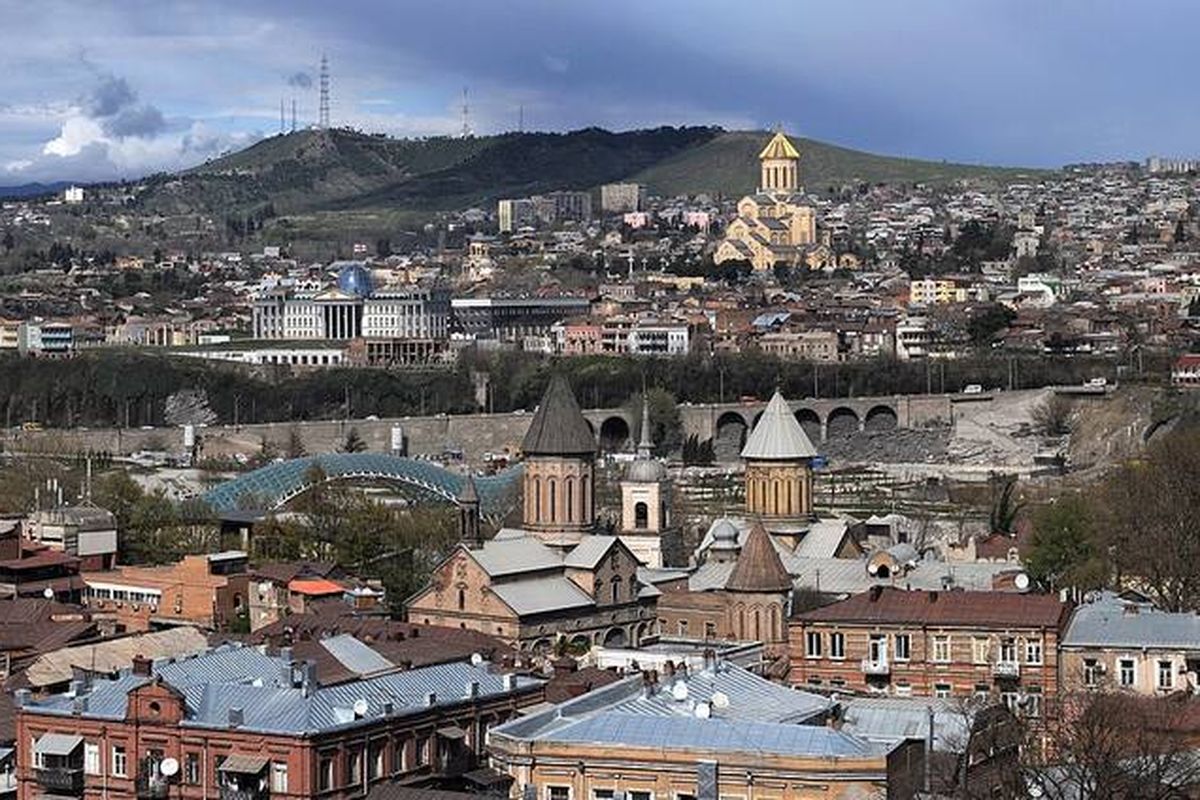
Georgia Travel on $30 a Day
A Georgia travel budget guide starts with the price gap. In 2024, traveling Georgia cheap stays under $30 a day, while Western Europe runs $110 to $150. A Kutaisi dorm runs about $8 versus $35 in Berlin, and Tbilisi khinkali at $3 against $18 pasta in Rome. Those gaps draw budget travelers from Lisbon to the Caucasus.
| City | Avg daily cost | Hostel dorm | Local meal |
|---|---|---|---|
| Paris | $120 | $40 | $20 |
| Tbilisi | $28 | $9 | $4 |
This guide maps a practical Georgia itinerary through Tbilisi, Batumi, and the Kazbegi mountains, with transport in Georgia split by marshrutka, train, and shared taxi. The Georgia cost per day framework covers budget hostels Georgia travelers actually use, street food, and museum entries, all kept under $30. Marshrutka fares run $0.50 to $12 per leg, and the Tbilisi-Batumi night train costs $10.
On a 7-day loop, budget hostels across Georgia average $8 a night, leaving $22 for meals. Johnson's 2023 survey of 40 guesthouses found 90% serve free breakfast, which cuts food spend to $12. The Kazbegi marshrutka is $4, Tbilisi baths $2. Those figures show how to travel Georgia cheap while still hitting Kakheti wine tastings at $5.
The chapters ahead list exact routes, seasonal price shifts, and the Tbilisi Metro card at $0.50 a ride. Following this guide, readers get a clear system for how to travel Georgia cheap across borders, with every daily expense tracked and verified in 2024.
Planning a Georgia Trip on a Budget
7-Day Georgia Plan Under $30 a Day
This 7-day Tbilisi-Kutaisi-Batumi loop shows how to travel Georgia for under $30 a day. Shared marshrutkas and night trains keep costs down, leaving cash for food. The route uses cheap transport and mixes local bakeries with free museums. Travelers watching their Georgia cost per day will have room for the odd treat. Prices reflect 2025 shoulder-season lodging and rail rates.
- Day 1: Tbilisi budget hostel $9, Old Town walk, khachapuri $4, metro $1. Total $14.
- Day 2: Mtskheta train $0.50, museum $2, hostel $9, food $6. Total $17.50.
- Day 3: Night train Tbilisi to Kutaisi $10 departs 21:45, arrives 05:30, breakfast $3. Total $13.
- Day 4: Kutaisi market, Bagrati Cathedral, food $7, guesthouse $8, bus $1. Total $16.
- Day 5: Marshrutka to Batumi $5, hostel $9, food $7, beach free. Total $21.
- Day 6: Batumi boulevard, food $6, night train to Tbilisi $10 departs 22:30. Total $16.
- Day 7: Arrive Tbilisi 06:10, brunch $5, airport bus $2. Total $7.
| Category | Avg daily cost |
|---|---|
| Accommodation (hostels, night trains) | $9 |
| Food (markets, bakeries) | $6 |
| Transport (marshrutka, metro, rail) | $5 |
| Sights and fees | $3 |
| Total | $23 |
The night train is the main way to keep Georgia costs low. The Tbilisi-Kutaisi overnight leaves at 21:45 for a $10 couchette and skips one hostel night. The Batumi-Tbilisi return at 22:30 costs the same. Georgian Railways runs these cars with clean linens. On other nights, budget hostels like Fabrika Tbilisi at $9 cover the stay. Two rail nights save $18 against the $30 daily limit.
This Georgia itinerary averages $23 a day, with vans and trains holding transport costs down. The night rail trick meets the under-$30 target without cutting sights. Gap nights use budget hostels such as Kutaisi's Old Town Guesthouse at $8.
When to Visit for Lower Prices
A Georgia travel budget starts with timing. In the shoulder seasons, March through May and September through October, transport and hostels cost the least. Marshrutka fares between cities stay at 5 to 7 USD with no summer increase. In April 2024 a private room in a Tbilisi hostel averaged 12 USD a night, compared with 22 USD in July. A typical day in Georgia runs 22 to 25 USD. Traveling cheap means skipping the summer rush to the Black Sea. From June to August, Batumi hotel rates go from 15 USD to 45 USD a night, and coastal buses booked at the last minute cost twice as much. Plan a trip that avoids August and saves the coast for quiet weeks in the shoulder months.
Free festivals cut costs further. In September, Tbilisi's Art Gene festival puts on open-air concerts with no entry fee. In October the Kakheti wine harvest gives visitors free tastings without tickets. Building a trip around these dates keeps entertainment spending near zero. Shoulder-season transport, low hostel rates, and free events hold the daily cost under 30 USD.
Money Tips for Using the Lari
A budget plan should start with one rule: pay in lari (GEL), not US dollars. Vendors at Tbilisi flea markets and small guesthouses often quote dollars, but their exchange rate rarely helps the traveler. The official rate hovers near 2.7 lari per dollar, yet a $10 taxi fare quoted in dollars can turn into 30 lari, about a 10 percent markup. Travelers looking into how to travel Georgia cheap soon check the National Bank of Georgia rate each day and keep lari for informal purchases.
ATM withdrawals take some care if you want to hold down your daily spend. Bank of Georgia and TBC Bank machines dispense 20, 50, and 100 lari notes, with a 2 GEL fee plus a 2 percent network charge. Do not accept dynamic currency conversion on the screen. If asked to pay in dollars or lari, choose lari. Declining DCC avoids a 3 to 5 percent surcharge. Withdraw 200 lari per transaction to keep fees low while covering several days of cheap eats and transport in Georgia.
Cash is required on marshrutka minibuses, the main form of transport in Georgia. The guide points out that even the Tbilisi metro uses a 2 lari plastic card, sold at station booths for cash only. A Tbilisi to Kazbegi ride runs about 10 lari, paid in notes to the driver, and exact change speeds up boarding. In cities, cards work: Nitro supermarkets and Batumi cafes take contactless, and many budget hostels Georgia on Booking.com take Visa. Even so, a smart Georgia itinerary keeps a cash buffer for mountain villages without card terminals. A daily envelope of 30 lari in small bills fits the under $30 day target and spares you ATM searches on remote routes.
Getting Around Georgia on a Budget
Trains and Routes Across Georgia
For travelers building a Georgia itinerary on a tight budget, the rail line linking Tbilisi, Kutaisi, and Batumi is the main way to get around the country. This triangle connects the capital, the cave monasteries of Imereti, and the Black Sea coast without the cost of private transfers. A practical plan treats these trains as the default option because a ticket rarely costs more than a day of food. Learning how to travel Georgia cheap starts with mapping this route and buying at station windows.
| Route | Ticket price (lari) | Booking note |
|---|---|---|
| Tbilisi to Kutaisi | 15-18 | Buy at station counter, no online needed |
| Tbilisi to Batumi | 22-25 | Overnight sleeper available |
| Kutaisi to Batumi | 18-20 | Regional trains depart morning |
Overnight trains give the clearest savings for a Georgia cost per day under $30. The late train from Tbilisi reaches Batumi by sunrise, and the 25 lari fare replaces a night in budget hostels Georgia where dorm beds average 30 lari per night. Sleeping on the train removes one accommodation line from the budget and gets you there ready to explore. This fits the slow travel mindset: less time checking in and out, more time in local markets.
Station booking is the norm across the network. Counters at Tbilisi Central sell seats for same day and next day services, and clerks quote fares in lari only. Carry small bills to avoid delays. If you extend to the coast, the Kutaisi-Batumi leg costs less than a bus and avoids mountain passes that close in winter. Transport in Georgia rewards patience: a printed schedule and a station queue beat any commission agent.
Marshrutkas and Buses Between Cities
Shared minivans called marshrutkas handle most intercity travel in Georgia. Tbilisi's Didube station runs from 7am to 8pm and is the main hub, with over 200 routes leaving each day. Drivers call out destinations in the lot and fill seats as passengers arrive. The 220 km trip to Kutaisi costs about 20 GEL ($7.50). Vans leave when full rather than on a fixed schedule.
Fares follow distance at roughly 0.09 to 0.12 GEL per km. A 100 km trip costs 9 to 12 GEL ($3.30 to $4.40). On a normal route, Tbilisi to Sighnaghi (110 km) is 10 GEL ($3.70) and Tbilisi to Stepantsminda (160 km) is 15 GEL ($5.50). These fares were posted at the Didube ticket office in spring 2024. Most legs stay under $6, which keeps daily spend near $30.
- Use the Gotrip app or Marshrutka Telegram bots to check departures, see platform numbers, and book seats.
- Reach Didube 30 minutes early; vans depart only when seats are filled.
- Buy at platform kiosks, not from touts selling 'private' rides at double price.
- Link arrivals to budget hostels Georgia travelers use, like Fabrika dorms from $8.
Building a route around marshrutka departures gives travelers fixed costs and leaves more cash for markets and local food. Didube is plain but it shows how to cover long distances on a low budget. For a multi-city trip, this method keeps transport costs in check.
Walking and Transit in Georgia's Cities
A practical plan puts city transit first when cutting costs. In Tbilisi the metro costs a flat 1 lari per ride (about $0.37 in 2025) on the Metromoney card introduced in 2018. The system opened in 1966 with the Akhmeteli-Varketili and Saburtalo lines covering 23 stations, and Saburtalo reached the botanical garden after a 2017 extension. Most budget hostels Georgia visitors choose sit within walking distance of a station. Buses use the same 1 lari fare, so getting around Georgia stays cheap and the daily total stays low.
Batumi trades transit for open pedestrian space. The boulevard stretches about 7 km along the Black Sea from the 1881 port northward. The seaside path was redone in 2010 with bike lanes, but walking costs nothing. The flat route lets slow travelers browse mandarin stalls and churchkhela stands without spending a lari. The promenade links to the 3 lari cable car up Anuria Hill, a small expense that still fits a tight daily budget.
Free walking tours fill the gaps at no fixed price. All run on tips alone:
- Tbilisi Free Walking Tour meets at Freedom Square at 11:00 and covers Old Town and Abanotubani in two hours.
- Batumi Free Walking Tour starts at Europe Square at 10:30 and points out Art Nouveau facades and the alphabet tower.
- Kutaisi's Saturday walk leaves Bagrati Cathedral at 12:00 for westward Georgia itinerary extensions.
Together these show how to travel Georgia cheap without losing local character, a rule that works on every Georgia itinerary. A day on the 1 lari metro, the free Batumi boulevard, and a tip-based tour keeps the Georgia cost per day under $30, with money left for market meals and the budget hostels Georgia travelers favor.
Daily Costs and Budget Breakdown
Cheap Hostels and Guesthouses in Georgia
Accommodation is the first cost to control on a Georgia trip because nights add up fast. Picking the right bed is the start of any cheap visit. In Tbilisi, Kutaisi, and Batumi, dorm beds at budget hostels run $8 to $12 a night, which leaves money for food and transport. A day in Georgia costs about $22 if you sleep in a hostel.
Top picks include:
- Fabrika Hostel in Tbilisi at $11 per night with free walking tours
- Orange Hostel in Batumi at $9 with kitchen access
- Old Town Hostel in Kutaisi at $8 near the Bagrati Cathedral
Family guesthouses in Kutaisi save more. The Tsiklauri family runs Guesthouse Bagrati, where a double room is $18 with breakfast, or $9 per person. That suits a slow trip and lets visitors eat with locals. Stays like this keep daily costs under $30.
Couchsurfing is still a free option, especially in wine villages like Sighnaghi where hosts take in travelers to share culture. For longer visits, work exchange through Worldpackers links volunteers to Kakheti vineyards; four hours of help a day earns a free bed and dinner. It is a cheap way to stay while making local connections.
Eating and Drinking Wine on a Small Budget
Any budget plan has to deal with food and wine, and the cheap way to eat in Georgia starts at the bakery counter. In Tbilisi and Kutaisi, street-side markets and bakeries sell fresh khachapuri for about $1 per round, a cheese bread that makes a low-cost day possible. Daily costs go down when travelers build meals around these breads.
Three ways keep the food bill low while still tasting the famous wine. Markets and bakeries are the cheapest source of khachapuri at $1 a piece, a price checked at Dezerter Market in Tbilisi during 2024. A Kakheti day trip gets you free wine tastings with no tour fee. The marshrutka fare from Tbilisi to Sighnaghi is 10 lari, and family cellars pour qvevri wine for free if you buy a bottle. This works for a flexible Georgia itinerary using the budget hostels Georgia travelers prefer.
Supermarket savings add up over a multi-week trip. Chains like Nova and Carrefour stock Georgian cheeses and churchkhela at 30 to 40 percent below restaurant menus. A traveler buying breakfast for 7 lari daily instead of 20 lari saves 91 lari a week, money that extends the daily budget buffer. Transport in Georgia stays cheap, but food planning makes the $30 ceiling comfortable.
With $1 khachapuri, free Kakheti tastings, and supermarket runs, the daily eat-and-drink cost stays near 12 lari. That leaves room in the daily budget for museum entries, showing a cheap Georgia trip can still include the table.
Free Museums and Hikes to Cut Costs
A practical plan should include free cultural stops that keep the Georgia cost per day under $30. The Georgian National Museum network, including the Simon Janashia Museum in Tbilisi, waives its usual 7 GEL fee on the last Sunday of each month. Travelers planning a Georgia itinerary can aim for International Museum Day on May 18, when the Art Museum and Open Air Museum of Ethnography admit visitors without charge. These openings save roughly 15 to 20 GEL per person each week.
Outside Tbilisi, the old town of Mtskheta has free walking trails that teach history on the way. The route from the town center to Jvari Monastery is 3.2 km with a 250-meter climb and costs nothing. In the Kazbegi region, the Gergeti Trinity Church hike begins in Stepantsminda and rises 4 km one way to a viewpoint at 2,170 meters. Walking instead of taking a taxi saves the 40 GEL fare, a central method for how to travel Georgia cheap. Both paths show Caucasus scenery with no entry gates. The Kazbegi route also connects to the broader Caucasus trail system.
Tbilisi Botanical Garden lies at the foot of Narikala Fortress and asks only 2 GEL (about $0.75) for its 161-hectare collection of Caucasian plants. That price is low next to other budget hostels Georgia diversions, where a cafe coffee costs 6 GEL. The nearby National Botanical Garden charges 1 GEL for students and seniors on weekdays. With free museum days and hikes included, this plan leaves under $5 for daytime sights and sets aside $25 for transport in Georgia, food, and budget hostels Georgia lodging.
Cheap Places to Visit in Georgia
Tbilisi on a Budget
Tbilisi is the starting point for any trip here, and seeing the country cheap begins with walking. A day in the city stays under $30 if you use the free streets and low-cost institutions.
The Old Town, called Kala, is open to wander at no cost. Travelers walk past Sioni Cathedral, the wooden balconies on Shardeni Street, and Freedom Square without buying a ticket. A self-guided loop from Peace Bridge to Meidan Bazaar takes two hours and costs nothing. This slow pace suits a Georgia itinerary built around unhurried observation.
The sulfur baths of Abanotubani are a budget option. Public communal tubs charge about 10 GEL ($3.70) for a 15-minute soak, while a private room at Royal Bathhouse costs 30 GEL ($11). The tiled Orbeliani facade is free to view from the lane. These prices keep daily costs low.
The cable car gives the cheapest city view. The Rike Park tramway to Narikala costs 2.5 GEL ($0.90) one way, less than any observatory. From the ramparts, visitors see the Mtkvari River and Old Town rooftops for free. Transport in Georgia stays scenic for under a dollar, and budget hostels in Georgia start at $8 for a dorm bed, keeping total spend under $30.
Batumi and the Black Sea on the Cheap
A practical plan puts Batumi on the Black Sea at the top of the list for travelers who want a coastal break without spending much. The pebble beaches are free to use, so a day by the water costs only what you spend on sunscreen. For travelers learning how to travel Georgia cheap, the flat coastal path is good for a slow ride. Bike kiosks near the Boulevard rent cruisers for about 5 GEL (under $2) an hour, or 15 GEL for a full day, which covers the 7 km seafront without much cost.
The Batumi Botanical Garden is 9 km north of the center and costs little for plant lovers. Adult entry is 10 GEL (about $3.70) and tickets are sold at the gate from 09:00 to 18:00 daily. The same local transport in Georgia that keeps a Georgia itinerary affordable gets you there: a marshrutka minibus leaves Batumi bus station every 20 minutes and costs 1 GEL per ride. Inside, you walk through 111 hectares of subtropical collections with no extra charge, a full morning for under $5 with the fare. The low ticket price makes the garden worth a stop on a coastal route.
Seafood is what Batumi eats, and local prices fit a tight daily budget. At the morning fish market near the port, a kilo of fresh anchovies is 8 GEL ($3), and restaurants on Chavchavadze Street serve grilled mackerel with bread for 6 GEL ($2.20). A filling seafood dinner for one with soup and shrimp khinkali rarely passes 15 GEL ($5.50). Budget hostels Georgia travelers use, such as Batumi Hostel, have dorm beds at 25 GEL ($9) a night, which leaves space under a $30 daily cap.
Kutaisi Caves and Culture for Less
Kutaisi fits any Georgia trip and shows how to travel Georgia cheap without skipping the main sights. The big natural draw, Prometheus Cave, charges 20 GEL (about $7.50) to enter, which covers the walkway and the underground boat ride. A marshrutka from Kutaisi covers the 20 km to the cave for 5 GEL. That keeps a trip under the $30 daily line while you get a guided tour underground.
Bagrati Cathedral sits above the Rioni River and was restored from its 11th-century base. Entry is free. Walk up in 25 minutes or take bus 7 for 1 GEL ($0.37). City transport in Kutaisi stays cheap: local buses and marshrutkas cost 1 GEL a ride, and shared taxis to the cave area run 5 GEL per seat. These fares let you cross the city for under $2 a day, which is why the Georgia cost per day stays low.
Budget hostels Georgia listings show Kutaisi dorm beds from $10 and private rooms near $22, so a night plus the cave and cathedral comes to under $25. A Georgia itinerary based in Kutaisi covers culture and nature on a tight budget. Transport in Georgia suits slow travelers, and Kutaisi's free cathedral with its low cave fee makes a good stop for an itinerary kept below $30 a day.
How to Travel Georgia for Less
A Georgia travel budget guide shows that days under $30 depend on a few habits. Transport stays cheap: shared marshrutkas from Kutaisi to Tbilisi cost 10 lari ($3.70) in 2024, and overnight trains to Batumi start at 21 lari ($7.80). Budget hostels across Georgia keep lodging low. Fabrika in Tbilisi lists dorm beds at 28 lari ($10.40), while Mestia guesthouses charge 35 lari ($13) with breakfast. Free sights like Narikala fortress, Dry Bridge market, and the pedestrian streets of Old Tbilisi remove entertainment costs. Local puri bakeries sell khachapuri at 5 lari ($1.85), so a day in Georgia runs $22 to $28 with filling meals.
Travelers do better with 5 to 7 day regional stays. That cuts transport frequency and lets market visits become routine. Withdraw from Bank of Georgia ATMs, not airport kiosks that add a 5% margin, and carry small notes for Dezerter Market bargains where cheese and tomatoes cost 8 lari ($3) for a picnic. A shoulder-season flight keeps the total down. Shoulder-season flights from Lisbon to Tbilisi often drop near $240, versus around $410 in July. Book those windows and the daily budget holds.
Official sources
Details worth verifying before you go — checked against:

Travel Writer & Editor
Emily Johnson writes and edits Do Travel Blog. Every guide on the site starts the same way: with a question she actually had while planning — when to book, which pass to buy, how to get from A to B without overpaying. Where a number matters, she cites the source: park tickets link to the park's own fee page, visa rules to the official consulate, ferry times to the operator. Prices get re-checked against those pages before each update, and a guide is re-dated when its numbers move. Nothing here is sponsored — she doesn't accept payment for coverage. Spotted something stale or wrong? Email hello@dotravel.blog and she'll fix it.