Lisbon Neighborhoods for the Returning Slow Traveler
Discover the best Lisbon neighborhoods for slow travel on a return visit. Explore Alfama, Graca, Principe Real, and the riverfront at a relaxed pace with our guide.
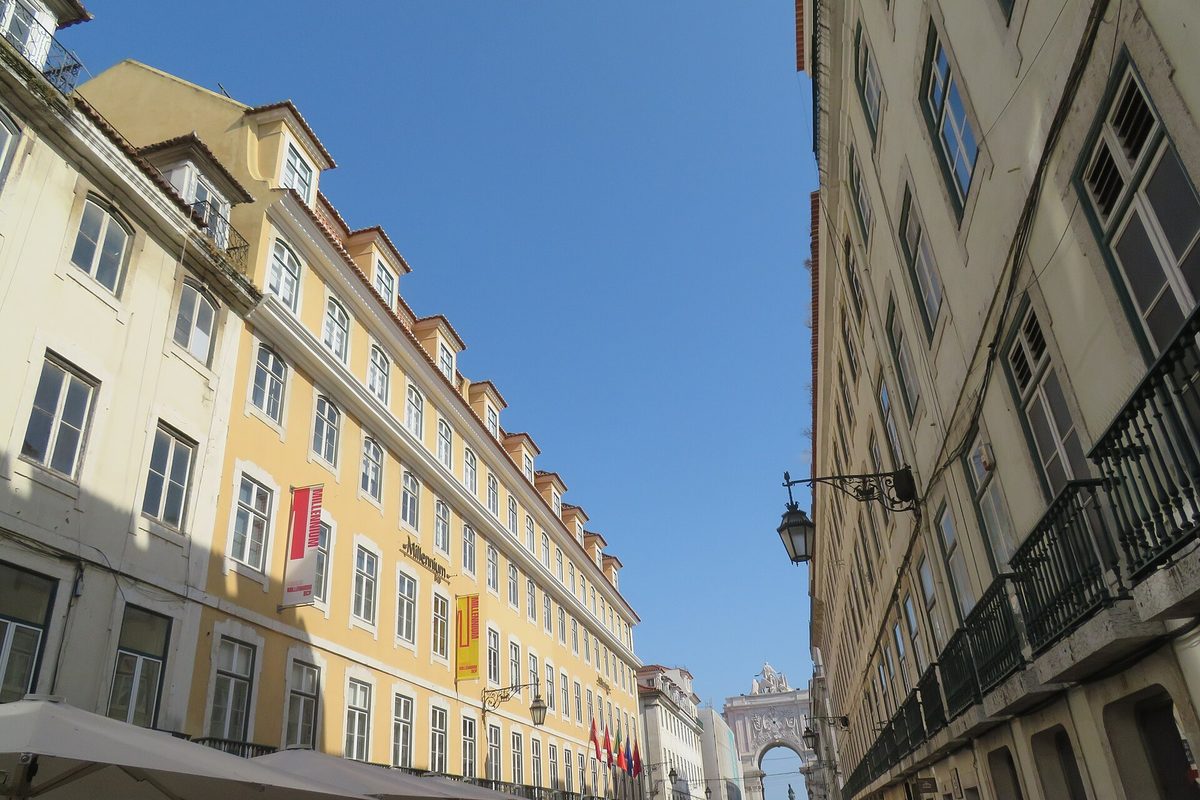
The Returning Slow Traveler's Lisbon
Returning to Lisbon after months or years away is like meeting an old friend who has changed just enough to surprise you. The pastel buildings, cobbled streets, and scent of pastel de nata remain familiar, but now you notice details that escaped you before: the azulejo patterns on a nondescript doorway, the way light falls across a square at dusk. Slow travel offers a way to reacclimatize on your own terms, trading packed schedules for unhurried mornings and spontaneous detours.
This Lisbon neighborhoods guide focuses on the best areas Lisbon has for a relaxed, unhurried pace. Rather than rushing between attractions, you settle into one district and let it reveal itself slowly. The following sections explore three distinct neighborhoods that suit the returning traveler who wants to rediscover local Lisbon without the pressure of a checklist.
Alfama, with its labyrinthine alleys and authentic fado houses, holds quiet corners away from the tram routes. Graca sits atop one of the city's highest hills, offering panoramic views and a genuinely residential feel, ideal for leisurely afternoons in a tasca or cafe where locals linger over bica and the morning newspaper. Principe Real blends shaded gardens like the Jardim do Principe Real with independent shops and art galleries, making it a calm base for slow exploration.
These quiet Lisbon spots embody slow travel Lisbon, each inviting you to wander without purpose and stay long enough to feel part of the neighborhood. Whether you are weighing Alfama vs Bairro Alto for evening strolls or searching for where to wander Lisbon away from the crowds, this guide will help you choose the right base for a restorative return.
Alfama and the Eastern Hills - Quiet Mornings and Panoramic Views
Getting Lost in Alfama's Labyrinth
The best way to experience Alfama is to arrive before the city wakes. By 8am, the cobblestone alleys are empty except for a few residents hanging laundry from wrought-iron balconies. The silence lets you hear a distant tram long before it arrives, a rare luxury in one of Lisbon's most visited districts. For the slow traveler, this early hour turns the neighborhood into a private labyrinth of whitewashed houses and geranium-filled windowsills. These early hours reveal the texture of daily life instead of the rush of sightseeing.
Alfama is the birthplace of fado, the mournful music that seeps from candlelit tascas after dark, but its daytime charm lies in the azulejos. Hand-painted tiles cover church facades and private homes, with blue-and-white panels on the exterior of Igreja de Sao Miguel and intricate geometric patterns along Beco do Jasmim. To avoid the tourist crush along tram 28, take the higher paths: climb Rua do Salvador to Largo do Salvador for a terrace overlooking the Tagus, then descend through tiny alleys connecting Rua de Sao Tome to Largo das Portas do Sol. These routes are among the best areas Lisbon for a peaceful wander, where each turn reveals a hidden miradouro or a quiet Lisbon spot to pause. For anyone weighing Alfama vs Bairro Alto, the difference is immediate: Alfama feels older, quieter, more resistant to change.
Finish your slow morning at a family-run pastelaria on Rua de Sao Miguel, where the pasteis de nata come warm from a wood-fired oven with a dusting of cinnamon. Pair one with a strong galao for a breakfast that captures the essence of a local Lisbon experience: unhurried, sensory, and deeply satisfying. This is where to wander Lisbon without a map, letting the neighborhood's labyrinth guide you.
Graca's Miradouros and Local Life
Graca sits on one of Lisbon's highest hills, home to two of the city's finest miradouros. Miradouro da Graca at Largo da Graca offers a lively terrace with benches under jacaranda trees, while Miradouro da Senhora do Monte, a short climb higher, commands a panoramic view that sweeps from the castle to the 25 de Abril Bridge and the Christ the King statue across the Tagus. This sight is especially striking at first light when the river glows gold. Local cafes like A Graca and O Poial line the square, their outdoor tables facing the water. A late morning espresso with a pastel de nata here is a quintessential slow travel Lisbon ritual, with trams clattering past on route 28.
The weekly feira at Campo de Santa Clara (Tuesdays and Saturdays) draws locals for fresh produce, cheese, flowers, and honey. Smaller daily market stalls near the Largo da Graca metro sell figs, olives, and grilled sardines from vans. Graca remains one of the quiet Lisbon spots, far from the tourist crush of Alfama or the bar crowds of Bairro Alto. Its maze of tile-clad streets and hidden staircases invites meandering without purpose, with laundry flapping overhead and cats napping on windowsills. The miradouros are also popular with locals who gather to watch the sunset with a beer from the nearby kiosk. For those wondering where to wander Lisbon without a plan, Graca's network of alleys and staircases rewards aimless exploration with changing vistas. For the returning visitor, Graca offers the relaxed pace and authentic local life that make it one of the best areas in Lisbon for slow travel.
Feiras and Authentic Encounters
Feira da Ladra, Lisbon's oldest and most beloved flea market, fills Campo de Santa Clara in Alfama twice a week, on Tuesday and Saturday mornings. For the returning traveler looking for the best areas Lisbon offers for unhurried exploration, this market is a must. Here, you can browse at your own leisure through tables piled with vintage buttons, faded postcards, handmade lace, and antique silverware. The market has been running since the 13th century, and its nickname 'thief's market' reflects the eclectic and sometimes mysterious origins of the goods. As a slow travel Lisbon experience, it rewards those who take their time, arriving early to catch the best finds.
The true treasures lie in the small interactions. Vendors who have worked the same spot for decades share stories about a piece of jewelry or a stack of old fado records. This is where to wander Lisbon without a strict plan, letting a hand-painted tile or a vintage camera catch your eye. The pace is unhurried, unlike the tourist-filled streets below. You can pick up a hand-embroidered handkerchief or a ceramic dish without feeling pressured to buy. Each item carries a piece of local history.
Beyond the market, Alfama's narrow lanes are dotted with tiny shops run by long-time residents. A seamstress mending clothes, a man selling roasted chestnuts from a cart, a small shop offering artisanal soaps made with local olive oil. These quiet Lisbon spots offer genuine encounters beyond the guidebooks. Chatting with a shopkeeper about the neighborhood's changing face reveals a connection that no tour can replicate. For those seeking local Lisbon and a slower rhythm, the eastern hills provide exactly that. The combination of market and community shops makes this area a top choice for slow exploration.
Bairro Alto and Principe Real - A Slower Side of the Nightlife Hub
Principe Real's Gardens and Boutiques
Jardim do Principe Real stands out as a quiet escape from the area's famous nightlife. Its centerpiece is a sprawling cedar tree that shades much of the park, surrounded by camellias, magnolias, and a small greenhouse. Gravel paths wind through exotic plants, and benches are scattered everywhere for long pauses. This is one of the best spots in Lisbon for slowing down naturally.
A few steps from the garden, boutique shops and concept stores offer a more curated shopping experience than the tourist-heavy Baixa. Embaixada, a former 19th-century palace turned design market, hosts local artisans and independent labels. Nearby, A Vida Portuguesa focuses on traditional Portuguese crafts, ideal for finding authentic souvenirs without the rush. These quiet Lisbon spots invite unhurried browsing, a key part of the slow travel Lisbon approach. The area also has several concept stores blending homeware, fashion, and art.
For brunch away from the crowds, Principe Real has several excellent options. Fauna & Flora offers a plant-filled space with avocado toast and fresh juices, while Nicolau Lisboa is known for its healthy bowls and smoothies. These spots embody the local Lisbon ethos of taking time over a meal. If you are comparing Alfama vs Bairro Alto, Principe Real stands out as a serene alternative. It is a prime example of where to wander Lisbon without a strict agenda, letting the day unfold around the garden, boutiques, and cafes. For the returning slow traveler, this neighborhood epitomizes the best of slow travel Lisbon.
Bairro Alto by Day - Art, Shops, and Rooftops
Bairro Alto sheds its party reputation by morning, when cobbled lanes fill with light and the neighborhood reveals its quieter personality. Small art galleries and artist ateliers open their doors on Rua da Rosa and Travessa da Queimada, where visitors can watch painters and ceramicists at work without the evening crowds. Spaces like Galeria Zé dos Bois offer rotating exhibitions that highlight contemporary Portuguese artists, making this one of the most culturally rich stops in the neighborhood.
Independent vintage shops and concept stores cluster around the lower slopes of Principe Real. Atelier 221 stocks hand-picked Portuguese ceramics and textiles, while Loja do Ferro sells mid-century furniture pieces sourced from local estates. These are the kind of places that reward slow travel Lisbon rhythms - you can spend a full morning browsing without feeling rushed, a contrast to the souvenir corridors of Alfama.
A short walk upward leads to rooftop terraces with unobstructed views over the Tagus. The terrace at Park Bar, perched atop a parking garage on Calçada do Combro, draws a daytime crowd of freelancers and readers who appreciate the mix of shade and sun. From here the castle and bridge line up in a single frame - a perspective that belongs among the best areas Lisbon for anyone seeking a moment to pause and absorb the city's scale.
Fado houses that normally hum after dark also host lunch sessions, offering an intimate introduction to the music without the cover charges of evening shows. A Tasca do Chico, on Rua Diário de Notícias, serves petiscos and fado vadio from 1pm on select weekdays, giving the returning traveler a quiet Lisbon spot to experience the tradition in daylight. This daytime version of Bairro Alto proves the neighborhood works just as well for relaxed wandering as it does for nightlife.
Chiado's Elegant Stroll and Pasteis de Nata
Chiado is the natural bridge between Lisbon's historic Alfama district and the modern Baixa area, making it one of the best areas for slow travelers easing back into city exploration. Its broad, stone-paved streets invite unhurried wandering, with elegant shop windows and tiled facades that reward those who pause often. For a returning visitor seeking a slow reintroduction, Chiado offers the right pace: calm enough to breathe, yet lively with the city's cultural pulse.
Central to Chiado sits Bertrand Bookshop, recognized by Guinness World Records as the oldest operating bookstore in the world, established in 1732. Step inside its vaulted rooms to browse Portuguese literature and international titles in a setting that has hosted readers for nearly three centuries. The shop's longevity speaks to Lisbon's deep literary roots, a quiet spot for slow travel Lisbon devotees to linger over a newly discovered novel.
Just a short walk away, Cafe A Brasileira has been serving coffee since 1905, its Art Nouveau interior and outdoor terrace drawing writers and artists for generations. The bronze statue of poet Fernando Pessoa at one of its sidewalk tables invites selfies, but the real draw is the history: Pessoa himself wrote here regularly, and the cafe remains a living monument to Lisbon's bohemian past. Order a strong espresso and sit a while, watching the street life unfold.
No Chiado visit is complete without savoring a pasteis de nata alongside that coffee. Head to Manteigaria on Rua do Loreto, where the custard tarts emerge warm from the oven throughout the day. The flaky crust and creamy filling, dusted with cinnamon, pair perfectly with a bica, Lisbon's version of a short, intense espresso. This simple ritual of pastry and coffee encapsulates the spirit of slow travel Lisbon: taking time to taste, to rest, and to feel at home again in a familiar city.
The Riverfront and Cais do Sodre - Slow Living by the Tagus
Riverside Promenades from Cais do Sodre to Belem
The riverside promenade stretching from Cais do Sodre to Belem offers one of the quiet Lisbon spots for a slow-start morning. The paved walkway hugs the Tagus, with fresh Atlantic breezes carrying the scent of salt and river grass. To the south, the suspension span of the 25 de Abril Bridge arches against the sky, matched on the far bank by the imposing Cristo Rei statue. This is slow travel Lisbon at its most meditative: no hills to climb, no crowds to navigate.
If walking feels too static, rental bikes line the route near the Time Out Market and farther along at bike-sharing docks. Pedaling the 4.5 kilometers to Belem takes about 25 minutes at a leisurely clip, with plenty of benches to pause and watch the ferries and sailboats slide past. The tides here are visible; low water reveals mudflats where egrets stalk the shallows.
For anyone prioritizing unhurried discovery, this stretch of riverfront ranks among the best areas Lisbon has to offer. It transforms a simple walk into a meditation on water, bridge, and sky: exactly the kind of reacclimating pace a slow traveler needs.
Time Out Market - A Food Hall for Returning Travelers
After a few days of hill climbing and tram dodging, the returning slow traveler will appreciate the efficiency of Time Out Market in Cais do Sodre. This sprawling food hall gathers two dozen of Lisbon's best kitchens under one industrial roof, turning the overwhelming task of choosing where to eat into a leisurely tasting tour. It is not a tourist trap, despite what some say; it is a genuine showcase of the city's culinary breadth, curated by the team behind Time Out magazine.
The layout invites grazing. You can start with a glass of vinho verde from the central bar, then wander past counters serving grilled sardines from Mar do Inferno, creamy bacalhau a bras from Miguel Castro e Silva, and charcoal chicken from Henrique Sa Pessoa. There is no pressure to commit to one restaurant. The slow travel approach is to share small plates with a companion, lingering over each dish before moving to the next stall. This rhythm mirrors the unhurried pace of exploring Alfama vs Bairro Alto: you sample a bit of everything without rushing.
The best hours for a quiet visit are between 14:00 and 15:30 on weekdays, when the lunch crowd thins but the stalls remain fully stocked. Early afternoons on Tuesday or Wednesday are especially calm. For a truly serene experience, arrive at 11:30 on a Tuesday, just as the market opens, and claim a seat by the Tagus-facing windows before the midday wave arrives.
No visit is complete without a pasteis de nata from the Manteigaria stall, located at the far end of the hall. Unlike the famous pasteis from Belem, these are baked fresh throughout the day, with a crisp, caramelized top that shatters into warm custard. Order one with a shot of espresso and watch the pastry chefs roll dough through the glass window. It is a quiet ritual and a single perfect bite that rewards the returning traveler's patience.
Cais do Sodre's Transformation - From Port to Cultural Hub
Cais do Sodre has shed its gritty port past to become a lively riverside district, but for the return visitor it still holds quiet pockets that make it one of the best areas in Lisbon for slow travel. The old cargo warehouses now house sleek restaurants and wine bars, but the morning light still hits the Tagus in the same unhurried way. A slow travel Lisbon itinerary should include a quiet coffee along the promenade before the lunch crowds arrive, when you can watch the trams glide by without checking a watch.
Pink Street, officially Rua Nova do Carvalho, is the district's most photographed corner. The bubblegum-colored pavement and surrounding street art create a colorful canvas for photographers, especially in the soft light of late afternoon. While the street is famous for its nightlife, a daytime visit reveals a completely different character. Early on a Tuesday, you will find locals chatting outside bakeries and artists touching up murals. This is where to wander Lisbon for those seeking the city's creative pulse without the noise. It is one of the quieter Lisbon spots during daylight hours, ideal for capturing the kind of candid shots that define the city's character.
A few steps inland lies Mercado da Ribeira, the city's century-old market hall. Beyond the tourist-friendly Time Out food court, the original produce section still buzzes with vendors selling seasonal fruit, fresh fish, and artisan cheeses. For a taste of local Lisbon, stop by the stall of a third-generation fishmonger or pick up a bag of wild strawberries. The market is a place where old and new collide, but the returning traveler will find comfort in the unchanged ritual of a morning shop followed by a pastel de nata at a marble counter. This is Alfama vs Bairro Alto resolved in favor of neither; Cais do Sodre offers its own distinct rhythm, one that rewards the relaxed pace of the slow traveler.
Bottom line: Reacclimating at Your Own Pace
For the returning traveler, a slow approach to Lisbon reveals the city's true rhythm. Alfama's narrow lanes still hum with fado and laundry-draped windows, but now they feel like old friends. Bairro Alto, less frantic by day, offers quiet corners for coffee and people-watching. Belem's waterfront invites lingering over pasteis de nata, while Principe Real's garden benches let you watch Lisbon breathe. These best areas Lisbon become more than sights when you grant them time.
Revisit your favorite spots with fresh eyes. That miradouro you rushed past years ago? Stop there at sunset and notice the tile work on nearby roofs. The tasca where you once had a quick lunch? Return for a slow dinner and let the owner recommend the petiscos. Slow travel Lisbon means prioritizing presence over checklist, tasting the city in small, unhurried sips. Wandering without an itinerary is the point: take a wrong turn into a quiet Lisbon spot, linger at a market stall, or simply sit on a park bench and watch locals go about their day.
A Lisbon neighborhoods guide is not about ticking boxes but about reconnection, with the city and with yourself. Move at your own pace. Stay an extra hour at a cafe. Leave the map behind. That is how Lisbon becomes yours again.
Official sources
Details worth verifying before you go — checked against:

Travel Writer & Editor
Emily Johnson writes and edits Do Travel Blog. Every guide on the site starts the same way: with a question she actually had while planning — when to book, which pass to buy, how to get from A to B without overpaying. Where a number matters, she cites the source: park tickets link to the park's own fee page, visa rules to the official consulate, ferry times to the operator. Prices get re-checked against those pages before each update, and a guide is re-dated when its numbers move. Nothing here is sponsored — she doesn't accept payment for coverage. Spotted something stale or wrong? Email hello@dotravel.blog and she'll fix it.