Northern Norway in Summer: Lofoten and the Midnight Sun
Plan your summer trip to Northern Norway. This guide covers the Lofoten Islands, the midnight sun, and travel tips for the Arctic Circle.
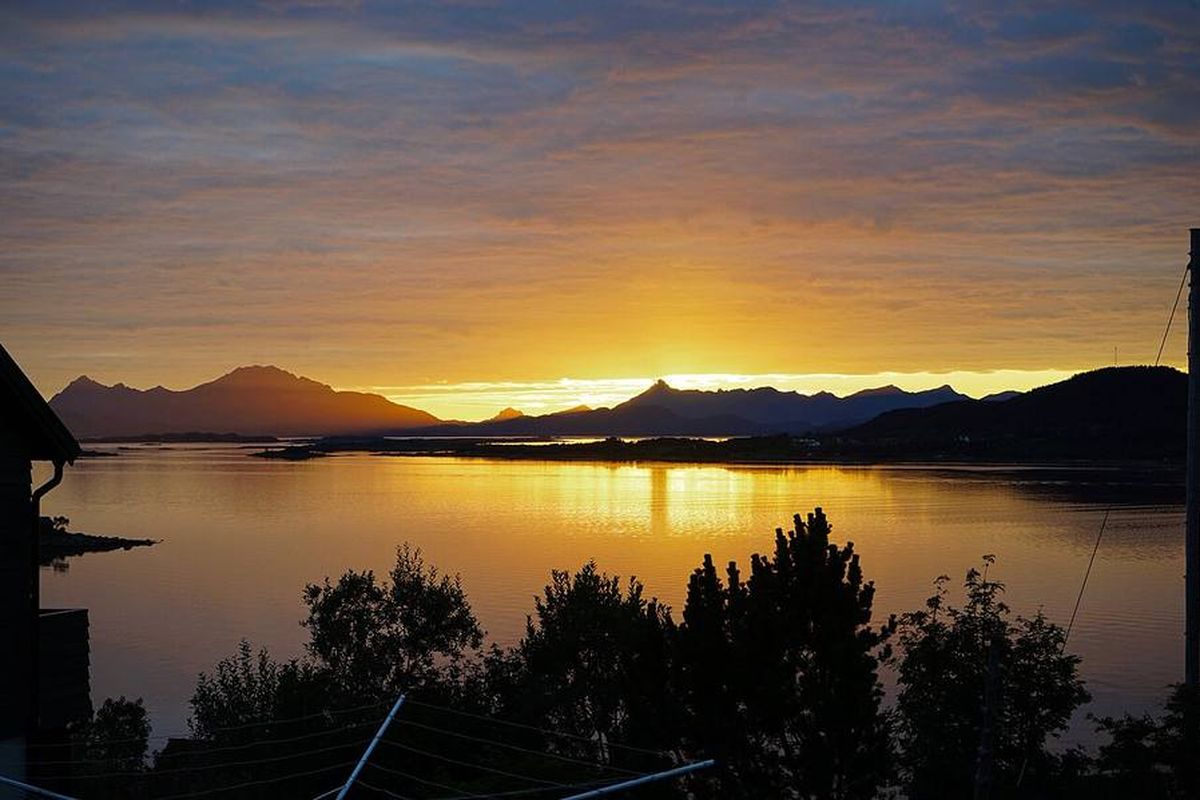
Summer in Northern Norway
Visiting Northern Norway in summer is a strange experience. While most of the world follows a standard cycle of day and night, regions above the Arctic Circle have perpetual light. This is the midnight sun, and it turns the landscape into a place where the clock feels irrelevant and you can explore at any hour.
Many travelers come for the winter aurora, but summer has its own intensity. The air is crisp, the mountains are green, and the fjords reflect a sky that never goes dark. From the peaks of the Lofoten Islands to the North Cape, the region offers a raw connection to nature that is hard to find elsewhere in Europe.
Understanding the Midnight Sun
To enjoy a summer trip to Northern Norway, it helps to understand how the midnight sun works. Between late May and late July, the sun does not set for several weeks in the northernmost areas. It dips toward the horizon and then climbs again, creating a long golden hour that lasts for hours.
This light affects both the environment and how you feel. You can hike a mountain at 2:00 AM or fish in a cove at midnight without a headlamp. For locals, it is a season of high activity, as they try to make the most of the warmth before the polar night returns. Community life runs late too: fishing competitions, village markets, and midsummer festivals routinely happen at 2:00 AM.
The Shift of White Nights
Travelers often feel a surge of energy during these "white nights." Without darkness to signal sleep, your internal clock may shift, leading to bursts of productivity. However, the light can be disorienting. Most hotels and rentals provide heavy blackout curtains. These are necessary if you want to sleep; otherwise, your brain might think it is 10:00 AM when it is actually 3:00 AM.
Sleep becomes a logistics problem, so treat it like one. Use the blackout curtains and add a contoured sleep mask, because even a sliver of light around a curtain edge is enough to wake you at 2:00 AM. Keep a normal bedtime anyway; skip the "I will sleep when it is dark" logic, because it never gets dark. If you are camping, a good mask and earplugs stop being optional gear and become the difference between a trip and a slow unraveling.
When to See the Perpetual Light
Timing is key if you want to see the midnight sun. In Lofoten, the sun stays above the horizon from around May 26 to July 17 - the exact first and last days shift by a day or two depending on where you are along the archipelago, roughly May 26-28 to July 14-17. In Tromso the window is similar, from late May to mid-July. At the North Cape, this period is even longer. June is usually the peak, coinciding with the summer solstice. The light is most consistent then, and temperatures are usually between 10 and 15 degrees Celsius. Farther south the sun does set: the west-coast fjords around Bergen get 18 to 20 hours of light instead of 24 - long days, but no true midnight sun below the Arctic Circle. June has the most intense light; July usually brings more stable weather, though four seasons in one day is still the default.
Lofoten Islands Travel Guide
Lofoten is one of the most visual parts of the country, where granite mountains rise from the turquoise waters of the Arctic Ocean. The contrast between the sharp peaks and white sandy beaches makes it feel more like New Zealand than Scandinavia.
Traditional Fishing Villages
One of the most famous sights in Lofoten are the rorbuer, which are red fishing cabins on stilts over the water. Originally built for fishermen during the winter cod season, these are now tourist accommodations. Staying in a rorbue in villages like Reine or Hamnoye lets you wake up to the sound of the tide and mountains reflected in the water.
These villages are the heart of the region. The local economy has relied on stockfish (air-dried cod) for centuries. You will still see the large wooden drying racks where fish cure in the salt air.
Hiking in Lofoten
Hiking is the main activity for summer visitors. The trails are challenging but offer great views. For more inspiration on trekking in the region, see our guide to hiking and fjord tours in Norway.
- Reinebringen: The most famous hike. It is a steep climb up stone stairs, but the top overlooks Reine and the surrounding islands. By day it is grueling and crowded; a 1:00 AM start gets you the same view in pale, empty light.
- Ryten: This trail leads to a cliff overlooking Kvalvika beach. It is a good spot to watch the midnight sun over the Atlantic.
- Festvagtind: This hike gives a panoramic view of Henningsvar and shows how the islands are linked by narrow bridges.
Arctic Beaches
Lofoten has some of the most beautiful coastlines in the world. Haukland Beach and Utakleiv Beach are known for white sand and clear water. Because of the midnight sun, you can walk these shores at any hour and watch the light shift from yellow to purple without ever getting dark.
Tromso Activities and Urban Arctic Life
Tromso blends urban comfort with wilderness access. Known as the Gateway to the Arctic, it is the hub for most travelers heading further north.
Culture in Tromso
In summer, Tromso is energetic. The city has an arts scene, cafes, and the Arctic Cathedral, which looks like an iceberg. The Polar Museum provides context on the explorers and seal hunters who worked these waters in the past.
Adventure and Wildlife
Tromso activities go beyond the city. Whale watching is popular; while winter is for orcas, summer brings humpback whales into the deep fjords. Kayaking also lets you experience the silence of the landscape from the water.
The Fjellheisen Cable Car
A trip on the Fjellheisen cable car is a must for a view of the city. From the summit of Mount Storsteinen, you can see the midnight sun glow over the city and distant peaks. The light remains soft throughout the night, which is ideal for photos.
Lofoten or Tromso?
The two anchor points of any northern Norway trip trade blows. Lofoten wins on scenery: jagged peaks rising straight from the sea, fishing villages, beaches that look borrowed from the tropics. It rewards a car and rewards you back for every detour. Tromso wins on logistics and energy: an airport close to town, restaurants and museums for the days when the weather turns, and a city that keeps hours as strange as its light. The pragmatic split is to base in Tromso for the urban half of the trip and give Lofoten the bulk of your nights, because its hikes and beaches are what you came for.
Journeying to the North Cape (Nordkapp)
For a longer adventure, many travelers go to the North Cape on Mageroya island. It is the northernmost point of Europe accessible by road.
The Road to the Edge
The drive is an adventure. You pass through tundra landscapes and small settlements where reindeer often outnumber people. The scenery is open and stark, which differs from the mountains of Lofoten. If you are planning a similar long-distance trip, check out our tips on long distance road trip logistics.
Standing at the Globe
Reaching the North Cape plateau is a major goal for many. The globe monument marks the spot. From the cliff, you look out over the Barents Sea with only water between you and the North Pole. Standing here during the midnight sun is a humbling experience.
Tips for Visitors
Visiting the North Cape requires planning because the weather changes quickly. It can shift from sunshine to freezing rain in seconds. Even in summer, bring windproof and waterproof clothing. The plateau is very windy and temperatures drop even when the sun is high.
The Arctic Circle Experience
Crossing the Arctic Circle is a common goal for travelers. There are markers along the roads where you can stop for a photo.
Flora and Fauna
Summer brings a lot of life to the tundra. Hardy wildflowers bloom, and you can find muskoxen and reindeer in the mountains. Bird watching is also popular, with puffins nesting in Lofoten cliffs and eagles soaring over the fjords.
Friluftsliv
To understand the locals, you should know about "friluftsliv" or "open-air living." This philosophy emphasizes spending time in nature regardless of the weather. In summer, this means hiking, fishing, and camping. The right to roam (Allemannsretten) lets travelers camp almost anywhere if they leave no trace.
Practical Logistics
Planning a trip here takes more effort than a trip to Southern Europe. Distances are huge and infrastructure is spread thin. Flights are the part I settle first, because the arrival airport shapes the whole route — I compare the options into the region on a cheap-flight search before planning anything else.
Transportation
- Rental Cars: This is the best way to see Lofoten and the North Cape. It lets you stop at overlooks and find quiet spots for the midnight sun.
- Ferries: These are vital for connecting the islands of Lofoten and traveling between coastal towns.
- Flights: From Oslo, the main gateways are Bodo and Evenes - Bodo connects to Lofoten by ferry and local flights, while Evenes puts you on the road to the islands - plus Tromso for the far north. Direct Oslo-Lofoten hops also exist and sell out early in summer.
- Coastal Steamers: The Hurtigruten and Havila ships work the Bergen-Kirkenes route, threading the fjords and calling at small ports. Sailing a leg under the midnight sun, the landscape never goes dark.
Packing for Summer
Many travelers underestimate the cold. Temperatures fluctuate wildly. - Base Layers: Merino wool is essential for warmth and breathability. - Outerwear: A waterproof and windproof jacket is necessary because the coastal wind is brutal. - Footwear: Use sturdy, waterproof hiking boots for the rocky terrain. - Eye Masks: A high-quality sleep mask is the only way to rest during the midnight sun. - Polarized Sunglasses: the low sun on open water stays blinding at midnight. For a comprehensive list of gear, see our nature travel packing list.
Staying Safe in Endless Light
The light breeds overconfidence. Your brain never gets the evening signal to wind down, so fatigue sneaks up: hikers start at 8:00 PM and hit a wall at 2:00 AM, miles from the cabin. Set a hard turnaround time for every route. Sudden fog can roll in from the sea and cut visibility to a few meters even in full daylight, and the insects on the inland plateaus are relentless in summer, so strong repellent is not optional.
Summer vs Winter in the Arctic
Whether to visit in summer or winter depends on what you want to see.
Winter: Northern Lights
Winter is about the Aurora Borealis. The darkness allows the lights to be visible, and the landscapes are covered in snow. However, days are very short and the cold is extreme. For those planning a winter trip, we recommend our winter northern lights guide for similar Arctic experiences.
Summer: Light and Life
Summer is about accessibility. You have 24 hours of light, roads are easier to drive, and nature is in bloom. You will not see the northern lights, but you can hike high peaks and swim in the fjords.
The West Coast Alternative
If you have extra days, pair the north with the classic fjords farther south. Geirangerfjord, a UNESCO World Heritage site, stacks the Seven Sisters waterfall against near-vertical green walls, and the Ornesstigen (Eagle Road) hairpins above it are best driven late in the evening once the cruise ships have gone. The famous ledges of Preikestolen and Trolltunga sit out that way too; a 10:00 PM start on Trolltunga puts you on the tongue at midnight, silent except for the wind. The west is about scale and greenery, the north about the edge of the map.
Sustainable Travel
As the region gets more popular, the environment faces more pressure. The Arctic ecosystem is fragile.
Respecting the Land
When visiting Lofoten, stay on marked trails. Tundra vegetation grows slowly and is easily damaged. Following "Leave No Trace" principles is necessary to preserve the region.
Local Economies
Support the community by staying in traditional rorbuer, eating fish from local fishermen, and buying from village artisans. This keeps the economic benefits within the small communities.
Culinary Traditions
Food in Northern Norway is simple and tied to the sea.
Cod
Cod is the main staple. It is served fresh or air-dried as stockfish. Try "bacalao," a hearty stew with dried cod, tomatoes, and potatoes.
Berries and Game
The land provides cloudberries, the Arctic berry Norwegians call the gold of the north; they grow in high-bog plateau terrain and turn up in local desserts, tart and sweet at once. Reindeer meat is another traditional delicacy, often served as steaks or in stews.
Eating out adds up fast, so many hikers carry a small stove and cook above the fjords. A warm meal at 1:00 AM, sun still up, is half the point of the trip.
Final Thoughts
Visiting Northern Norway in summer is a sensory reset. The scale of the mountains in Lofoten, the silence of the fjords, and the sun that never sets create a feeling of wonder. It is a place where nature is in charge and humans are guests.
Whether you are at the North Cape or in a red cabin in a fishing village, the region leaves a mark. The midnight sun offers a different way of existing where time feels less constrained.
Trip Action Plan
To make the most of your journey:
- Book accommodations early, especially rorbuer in Lofoten, as they fill up months in advance.
- Rent a car to reach remote viewpoints for the midnight sun.
- Pack merino wool layers and a professional waterproof jacket.
- Include both urban hubs like Tromso and wild areas like the North Cape in your route.
- Bring a sleep mask for the white nights.
Official sources
Details worth verifying before you go — checked against:
Travel Writer & Editor
Emily Johnson writes and edits Do Travel Blog. Every guide on the site starts the same way: with a question she actually had while planning — when to book, which pass to buy, how to get from A to B without overpaying. Where a number matters, she cites the source: park tickets link to the park's own fee page, visa rules to the official consulate, ferry times to the operator. Prices get re-checked against those pages before each update, and a guide is re-dated when its numbers move. Nothing here is sponsored — she doesn't accept payment for coverage. Spotted something stale or wrong? Email hello@dotravel.blog and she'll fix it.