Albergue vs Hotel on Camino: Prices and Booking Guide
Compare albergue vs hotel on the Camino de Santiago. Get typical municipal albergue prices, private room costs, and expert booking tips.
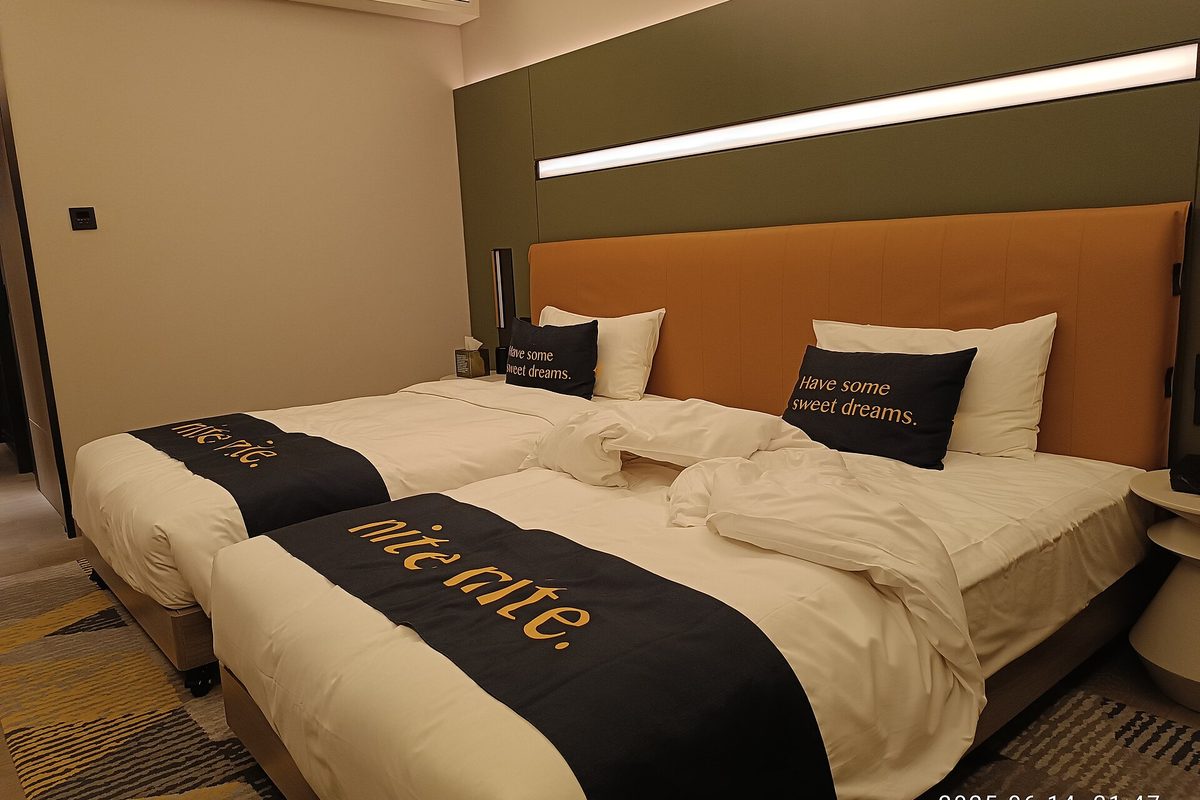
Where to stay on the Camino de Santiago
Camino de Santiago lodging is more than a place to sleep. It is where walkers meet, eat, and rest. Every afternoon, pilgrims choose between communal albergues and private hotels. This choice directly affects daily budget, sleep, and physical recovery.
Municipal albergues cost 8 to 12 EUR per night for a basic bunk. Private rooms in local pensions and hotels start around 40 to 70 EUR. The extra cost buys a private bathroom and quiet sleep.
This guide compares municipal albergue prices, private room rates, and amenities like kitchens, Wi-Fi, and laundry. It also covers booking strategies to secure beds during peak seasons while keeping the trip flexible.
Types of Camino accommodation
Municipal and parochial albergues
Municipal and parochial albergues are the traditional base of Camino de Santiago lodging. Local town councils own municipal properties, while local parishes run parochial options. Both rely on volunteer hosts, or hospitaleros, who are often former pilgrims themselves. Because these hostels operate as non-profit public services, prices are the lowest on the trail, typically 6 to 10 EUR per night.
The layout prioritizes utility. Pilgrims sleep in large shared dormitories with 10 to over 80 bunk beds in a single room, making earplugs and eye masks necessary. Bathrooms, showers, and kitchens are communal. This setup is basic compared to a private room, which usually costs 40 to 60 EUR.
Unlike hotels, you cannot book municipal or parochial albergues in advance. They operate on a first-come, first-served basis. Pilgrims must walk to the hostel and present a stamped credential to secure a bed. Walking pilgrims get priority over cyclists. Once a hostel is full, late arrivals must walk to the next town or find other lodging.
Private albergues and hostels
Municipal albergues are run by local councils or pilgrim associations, offering basic, first-come, first-served beds at low rates. Private albergues function like privately owned hostels. While municipal albergue prices usually hover around 8 to 12 EUR per night, private albergues typically cost between 15 and 25 EUR. This price difference reflects the level of comfort and service provided.
For the extra cost, pilgrims gain access to better albergue amenities. These properties frequently feature communal kitchens with utensils, laundry washing machines, dryers, Wi-Fi, and lounge areas. Some locations also offer private rooms. The Camino private room cost in these establishments usually ranges from 30 to 50 EUR, bridging the gap in the albergue vs hotel Camino debate by providing privacy alongside a social atmosphere.
A major benefit of these private types of Camino lodging is the ability to book ahead. Unlike municipal options, where pilgrims must walk quickly to queue and risk being turned away, booking albergues in the private sector can be done weeks in advance. Pilgrims can secure their beds using platforms like Booking.com, WhatsApp, or email. This makes private options a reliable choice for pilgrim accommodation during the crowded summer season.
Hotels, hostals, and casas rurales
Pilgrims looking beyond shared dorms have three main private options: hostals, standard hotels, and casas rurales. A hostal is a family run guesthouse offering basic double rooms with private bathrooms for 40 to 60 EUR. Standard hotels in hubs like Burgos or Leon provide full amenities, while casas rurales in Galician villages feature local food and historic stone buildings. When comparing albergues to hotels, expect private rooms to cost 45 to 90 EUR per night, compared to 8 to 15 EUR for municipal albergues.
Private rooms offer quiet space for physical recovery. Shared dorms expose walkers to snoring, early alarms, and constant movement. Booking a hotel room provides a private bathroom, clean sheets, and undisturbed sleep, which helps muscles recover after a 30 kilometer stage.
This setup works best for light sleepers, couples, and older pilgrims who need a standard mattress. Walkers treating tendinitis or blisters also get a clean space for wound care. Digital nomads can use the stable Wi-Fi and quiet space to work, making the higher cost a direct investment in finishing the trail.
Costs and budgeting
Municipal albergue prices and donation rules
Municipal albergues cost 5 to 10 euros per night. Local councils or volunteer associations run these hostels, providing dormitory beds and shared bathrooms. They cut costs compared to an albergue vs hotel budget, where private rooms cost over 50 euros. These properties do not take reservations. Beds go to whoever arrives first.
Some municipal and church-run hostels operate on donations. Pilgrims should pay what they can to cover utilities, maintenance, and communal meals. A normal donation is 5 to 10 euros. This money keeps the hostels open for future walkers.
Public hostels require cash. Unlike online booking sites or hotels, these shelters do not take credit cards. Hospitaleros collect euros at check-in. Carry small bills and coins to avoid delays at the door.
Private albergue rates and booking fees
Private albergues sit in the middle of the price scale for Camino lodging. Municipal beds cost 8 to 10 euros a night, while private dorms run 12 to 20 euros. The extra cost pays for better amenities, which usually include smaller dorms, cleaner kitchens, and laundry machines. For pilgrims choosing between an albergue vs hotel Camino setup, these private dorms keep the social vibe of a hostel without the high Camino private room cost of a hotel.
The base rate does not always cover everything. Many private hosts charge extra for basics. Expect to pay 1 to 3 euros for disposable sheets or blankets, and another 3 to 5 euros if you want breakfast. To keep your pilgrim accommodation budget down, check these details before booking or carry a lightweight sleeping bag liner to avoid the sheet fees.
Booking online in advance also adds to the bill. Platforms like Booking.com or Gronze often add reservation fees or markups of 1 to 2 euros per bed. Securing a bed early offers peace of mind, but the fees add up over a long walk. Booking directly by phone or WhatsApp is usually cheaper.
Hotel and private room rates
Pilgrims comparing albergues to hotels find that private rooms offer better recovery than shared dorms. A private room along the Camino typically costs between 30 and 80 euros per night. The lower end of this range covers basic pensiones or hostales with shared bathrooms in towns like Portomarin or Zubiri, while the higher end gets you a private en-suite bathroom in a mid-range hotel. While municipal dorms stay fixed at 8 to 12 euros, private rooms require a larger budget. This extra cost buys quiet space, avoiding the shared bunkrooms, communal kitchens, and limited laundry facilities of standard albergues.
Occupancy limits shape your daily lodging budget. Single rooms usually cost 30 to 50 euros, while double rooms run 50 to 80 euros, making shared rooms highly cost effective for pairs. Couples or walking partners can split a double room to match the cost of two private albergue beds. Solo travelers pay a premium for privacy. Sharing a room reduces the per-person cost to near-albergue levels while upgrading comfort, which helps when balancing your budget between cheap dorms and private rooms.
Seasonal demand drives rates up in popular stopover hubs. Cities like Leon, Burgos, Pamplona, and Sarria see heavy foot traffic from May to September. During peak summer months, lodging rates rise 20% to 40%. Holy years or local festivals like San Fermin in Pamplona can triple standard room rates. Booking months ahead secures lower rates in these busy zones. Rooms fill quickly, forcing late-booking pilgrims into expensive hotel options. Your budget planning must account for these regional spikes to avoid unexpected expenses on the Camino de Santiago.
How to book your lodging
Booking ahead during peak season
Pilgrim numbers on the Camino Frances peak in July and August, causing severe bed shortages. Municipal hostels do not take reservations, operating strictly on a first-come, first-served basis and often filling by midday. This forces walkers to rush their daily stages to secure a spot. When planning pilgrim accommodation, understanding the trade-offs between lodging types helps avoid this daily rush.
Choosing between an albergue vs hotel Camino depends on how much you value flexibility. A quick Camino hotel comparison shows that private rooms offer guaranteed rest but fewer opportunities to meet other walkers. If you prefer walking without a fixed schedule, traveling in May or October makes it easier to find beds spontaneously. During the summer peak, booking private albergues ahead is necessary.
This choice involves a clear trade-off. Relying on municipal options keeps budgets low, with dorm beds ranging from 8 to 12 euros, but offers no guarantee of a bed. Paying a higher Camino private room cost of 50 to 80 euros at a local pension or hotel guarantees a room and better amenities, but locks you into a rigid itinerary.
Apps and websites for reservations
Securing pilgrim accommodation along the Camino de Santiago requires a mix of digital platforms. For booking albergues, Gronze.com is the directory for checking availability, amenities, and contact details. Municipal albergues cost 8 to 12 EUR and do not take advance bookings, but private options listed on Gronze often link directly to reservation platforms. For private rooms, Booking.com helps compare a Camino private room cost against hotel rates. This platform simplifies the albergue vs hotel Camino decision by showing properties side by side, allowing pilgrims to balance budget hostels with private hotel comfort.
Direct communication is necessary for many types of Camino lodging. Many private albergues do not use global search engines, relying instead on WhatsApp or email for reservations. When contacting hosts directly, send a short message stating your name, arrival date, and the number of beds required. WhatsApp works well for securing a spot in a private albergue, especially during peak seasons when online portals show no availability. Keep messages simple and translate them into Spanish if writing to smaller, family-run establishments.
Using regional Spanish booking portals, such as the Pilgrim Agency site or local association pages, requires basic translation strategies. Use browser translation extensions to read terms, but fill out forms using the original Spanish interface to prevent coding errors during submission. Note key terms: 'litera' means bunk bed, 'habitación individual' means single room, and 'reserva' means booking. Always check if the price includes sheets ('sábanas') or breakfast ('desayuno') to calculate the total pilgrim accommodation cost.
How luggage transfer affects your booking options
Luggage transfer services, like Correos (the Spanish national postal service) and local private operators, move bags from one lodging to the next each morning. Pilgrims usually drop their backpacks at the reception or a designated collection point by 8:00 AM and find their bags waiting at the next destination by 2:00 PM. This convenience makes for a lighter walking experience, but it also limits where a pilgrim can realistically stay.
When using municipal albergues, booking is generally not allowed, since these sites operate on a first-come, first-served basis. Many municipal sites lack a dedicated reception or a secure, locked storage area for bags, so transfer services may struggle to find a reliable hand-off point. Private albergues and hotels, on the other hand, have a staff member to manage the logistics, making them the most reliable choice for those using transport services. When comparing albergue vs hotel Camino options, having a professional reception is the main factor for luggage transfer compatibility.
The cost of daily transport typically ranges from 5 to 7 Euros per stage. While this adds to the daily spend, it often offsets the costs associated with high-end gear. But the financial trade-off depends on the lodging type. For example, while municipal dorms stay low, usually between 7 and 12 Euros, the added daily bag transfer fee can nearly double the daily accommodation cost. For those prioritizing a private room at 20 to 40 Euros, the bag service is a complementary amenity.
Amenities and daily pilgrim life
Dorms, kitchens, and shared spaces
The most immediate difference between albergue vs hotel Camino stays is the social dynamic inside the sleeping quarters. In a municipal albergue, you sleep in a bunk bed dormitory with 10 to 50 other pilgrims. Conversations and packing sounds carry freely, and the camaraderie is genuinely memorable, but it also means zero privacy. A hotel or private room reverses that entirely: your own door, a quiet space to decompress after a long stage, and the ability to switch a light on at any hour without disturbing strangers.
Kitchen access is another major separator. Many municipal albergues (especially those charging 10-15 EUR per night) provide a basic kitchen with stovetops, pots, and a sink. Cooking your own pasta or lentils can cut daily meal costs to 5-7 EUR instead of the 15-20 EUR you would spend at a restaurant. Hotels and guesthouses rarely offer guest kitchens; you rely on cafe menus for breakfast and dinner. If budget is your priority, the albergue's kitchen might be the deciding factor in your types of Camino lodging choice.
Noise and curfews are part of the shared-space reality. Most albergues enforce a 10:00 PM or 10:30 PM lights-out rule, and the morning rush starts before 6:00 AM. Bathrooms are shared, expect to queue for a shower between 6:30 and 8:00 AM. Hotels impose no such schedule; you can shower at 11:00 AM if you want. The trade-off is simple: the social energy of a dorm versus the quiet autonomy of a private room. Booking albergues early in the afternoon helps secure a lower bunk and a spot near a power outlet, which makes the shared experience far more comfortable.
Choosing the right lodging mix for your Camino
The choice between albergues and hotels along the Camino de Santiago comes down to budget, comfort, and social experience. Municipal albergues offer the most affordable option at €5 to €12 per night, with basic amenities like bunk beds, shared showers, and a kitchen. Private albergues cost €10 to €20 and often include a meal or quieter atmosphere. Hotels and hostales range from €30 to €80 for a single room, with private bathrooms and linens included. The trade-off: albergues build pilgrim camaraderie, while hotels provide guaranteed privacy and sleep quality.
For a balanced Camino, mix types of lodging based on your energy levels and needs. Start with albergues for the first week to build connections and adjust to the communal rhythm. After a few days, book a private room every third or fourth night for a proper rest, especially before long stages or when you need laundry done. Use private albergues as a mid-range compromise: they offer smaller dorms or double rooms without the cost of a hotel. Many pilgrims alternate between municipal albergues for the lowest cost and a hotel every 4-5 days to recharge.
Before you go, book your first three nights of accommodation for peace of mind, then leave the rest flexible. Pack earplugs, a sleep mask, and a light sleeping bag liner for albergue stays. For hotels, carry a credit card and check cancellation policies. The Camino is not a fixed itinerary: let your body and budget guide your lodging choices each day. Whether you sleep in a 20-bed dorm or a private room, the path itself remains the same.
Official sources
Details worth verifying before you go — checked against:
Travel Writer & Editor
Emily Johnson writes and edits Do Travel Blog. Every guide on the site starts the same way: with a question she actually had while planning — when to book, which pass to buy, how to get from A to B without overpaying. Where a number matters, she cites the source: park tickets link to the park's own fee page, visa rules to the official consulate, ferry times to the operator. Prices get re-checked against those pages before each update, and a guide is re-dated when its numbers move. Nothing here is sponsored — she doesn't accept payment for coverage. Spotted something stale or wrong? Email hello@dotravel.blog and she'll fix it.