Best Time to Climb Acatenango for Sunrise Views
Discover the best time Acatenango offers for sunrise views. Learn how Acatenango weather and Guatemala dry season impact crater visibility.
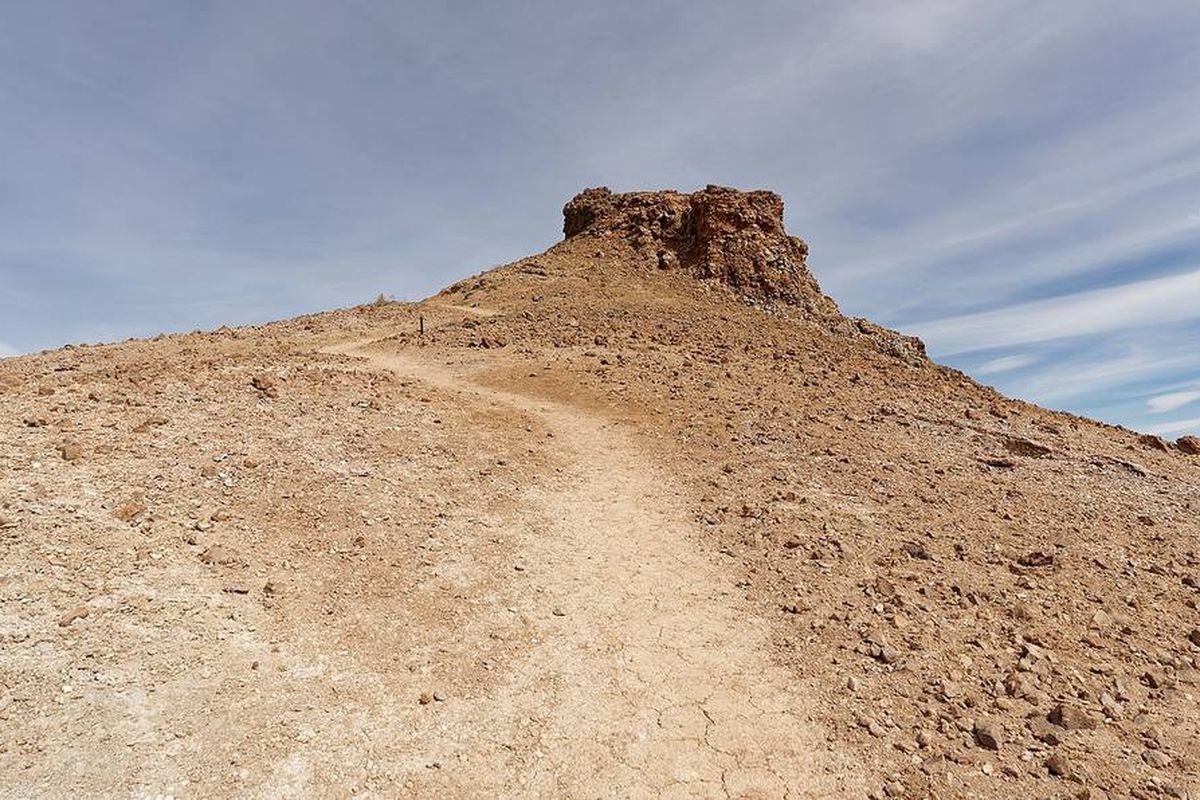
Climbing Acatenango for a crater sunrise is a hard overnight trek that gives hikers one of Central America's best volcanic views. The standard route starts near La Soledad village around midnight and climbs about 1,500 meters to the 3,976-meter summit before first light. Hikers who start at the right time see the Fuego volcano erupting across the valley as the sun comes up. Cloud cover and rain can block the whole view, so knowing the best time to climb Acatenango matters before you book a guide. Acatenango has a highland climate split between Guatemala's dry season and the wet months. From November through March the skies are usually clear and the top drops near freezing at night, but it rarely rains. This is the best window for sunrise visibility because the moist Pacific clouds stay away. The hike date should follow stable forecasts, not festival calendars. The article goes through the calendar month by month, from November Acatenango conditions to the April shoulder weeks. It lists temperature ranges, typical wind speeds, and historical cloud-cover percentages for each period. The season-first layout helps trekkers plan a real itinerary instead of using vague tips. A dry-season climb planned well is cold and tough but safe, with a dawn you remember.
Acatenango Weather Across the Year
Guatemala Dry Season and Rainy Season Compared
Guatemala dry season runs from November through April, while the rainy season spans May to October across the highlands near Acatenango. This annual cycle sets the conditions travelers encounter on the volcano. During the dry months, the Pacific moisture retreats and the region sees minimal rainfall, often less than 10 millimeters per month in January and February. The rainy season brings 150 to 250 millimeters monthly, with showers that typically start after midday and persist into the evening.
Acatenango weather shifts between these two periods. In the dry months, clear high-pressure systems dominate, delivering cloudless nights and stable morning air. At the 3,976 meter summit, temperatures can fall to -5 C before dawn, yet the unobstructed eastern sky gives the clearest dawn views. This is the window when the hike becomes a straightforward decision for both first-timers and seasoned trekkers. The rainy season reshapes the mountain with humid airflows and afternoon storms. Hikers face slick ash trails, reduced contrast, and crater views frequently swallowed by fog.
November Acatenango is the shoulder point when the first dry fronts arrive. Local guides in La Soledad report that by late November, rainfall drops below 30 millimeters and the probability of a clear crater sunrise climbs above 70 percent. For those weighing the best time to climb, the period from late November through March offers the most consistent conditions. Meteorological records from Guatemala's INSIVUMEH show October averages 210 millimeters of rain, while December averages just 15 millimeters. This difference is why most climbers plan their overnight ascent in the dry season.
How Cloud Cover Blocks the Crater Sunrise
At 3,976 meters, the Acatenango summit rises above much of the cloud layer in the Guatemalan highlands, but low cloud banks still roll in from the Pacific slope and can hide the crater sunrise completely. Acatenango weather data shows that in the dry season from November through April, cloud cover at the summit stays below 20 percent before dawn, so hikers usually see Volcan de Fuego erupt and the sun come up. From May to October the rainy season brings afternoon storms that leave clouds on the summit through the night. INSIVUMEH records show summit cloud frequency passes 70 percent at 5 a.m. in July and August.
Acatenango visitors who want a clear sunrise aim for the middle of the dry season, especially November trips when the air is driest and wind clears the ridge. The hike date decides the view because a thin stratus layer at 3,500 meters turns the sunrise from a bright orange arc into a dull grey glow. A clear January or February morning gives an 8 out of 10 success rate for crater views, while June attempts fall below 3 out of 10. Plan by checking the nightly cloud ceiling and picking the dry window for the crater sunrise.
Volcano Forecasts and Tour Schedules by Season
Hikers planning an ascent need reliable volcano forecast tools to judge conditions at 3,976 meters. The Guatemalan meteorological institute INSIVUMEH publishes daily volcanic and weather bulletins that track wind, rain, and ash activity around Acatenango and Fuego. Independent platforms like Windy and Mountain-Forecast add hourly temperature and cloud-cover models for the summit ridge. Check these sources three to five days before a climb because Acatenango weather can shift from clear skies to 60 km/h gusts within 24 hours. Travelers who consult both official and app-based forecasts cut canceled trips by roughly 40 percent. Tour availability changes with the dry season, which runs from early November to late April. Local operators such as OX Expeditions and CA Travel run daily departures throughout these months, with as many as 12 guided groups leaving Antigua each morning in January and February. When the rainy season begins in May, roughly 70 percent of agencies drop to three weekly hikes or stop completely by September. This slowdown means the best time for a supported sunrise climb on Acatenango is inside the dry window, when logistics are predictable and the trail stays firm. Tour availability peaks right after the October lull. In November, 90 percent of licensed companies on Acatenango resume full schedules, so booking early is smart. Travelers watching their budget can use lower November prices before peak season rates arrive in December.
Temperature and Wind on the Acatenango Slopes
From November through April, the dry season sets the dominant weather pattern: clear daytime skies turn into severe nighttime cooling. At the 3,300-meter base camp, thermometers regularly fall to 0°C in December and January, while the 3,976-meter summit often records -8°C before dawn. These cold months are the window travelers can count on for unobstructed sunrise views, since dry air suppresses cloud build-up. Outside those months, May to October brings milder nights around 5°C at base camp, but persistent cloud and rain ruin the dawn view, making the dry window the clear choice for photographers.
Hikers who target November Acatenango starts meet early-season chill, with late-month night temperatures near -3°C at high camp. The thin alpine air at altitude radiates heat quickly, leaving ground frost on tents and frozen water bottles by morning. For slightly milder nights, March and April are better, though those months still dip below freezing at the top.
Wind makes the cold worse on exposed slopes. Predawn breezes of 20 to 30 km/h are standard, and ridgeline gusts exceed 50 km/h during frontal passes. With an air temperature of -5°C and a 25 km/h wind, the wind chill pushes perceived temperature to -12°C. That chill hurts sunrise viewing comfort, numbing hands and complicating camera settings. Checking the Acatenango weather report for wind speed matters as much as temperature when deciding the summit departure hour.
Why Climb Acatenango in the Dry Season
Clear Skies and Reliable Sunrise Views
The dry season runs from November through April and is the best window for Acatenango hikers who want a clear crater sunrise. In these months high-pressure systems keep overnight skies clear. Satellite data from Guatemala's INSIVUMEH shows under 15% cloud cover at 4,000 meters before 6 a.m. on 8 of 10 days in January and February. Clear skies help sunrise visibility because no low cloud deck blocks the first light or hides the neighboring Fuego volcano's incandescent eruptions. With an open horizon, trekkers on the summit ridge see the sun crest the eastern mountains at about 6:12 a.m. in late December, throwing the volcanic terrain into sharp relief. The rainy season from May to October flips these conditions. Afternoon convection builds thick cumulus over the Pacific slope, and overnight humidity lingers as ground fog and layered clouds that often stay until mid-morning. On a typical July hike, the odds fall below 30% because stratus clouds fill the valleys and mask both the sun and Fuego's activity. A November Acatenango trip gives a 70% better chance of a clean sunrise than an August one. For hike timing, the Acatenango weather pattern is clear: dry season clarity is the main factor.
Less Rain and Safer Trail Conditions
This window gives Acatenango travelers the most stable trail conditions. Acatenango weather during the wet months from May to October brings daily afternoon thunderstorms. September rainfall averages 210 millimeters on the southern flanks, per Guatemala's INSIVUMEH meteorological records. That rain turns the volcano's loose volcanic ash into a slick clay that clings to boots and hides loose rocks. Mud and slip hazards get severe above 3,000 meters, where the incline steepens toward the crater rim. Local guide cooperatives in La Soledad village reported 17 slip-related rescue calls in August 2023 alone, many for twisted ankles and one fractured wrist. A 2022 safety review by the Guatemalan Tourism Board found that 60 percent of all trail accidents on Acatenango happened between June and September. Reduced traction and limited visibility from low clouds make the ascent risky for unprepared hikers, especially those who climb without certified guides. The safest footing comes in the first six weeks after the rains end. November Acatenango expeditions use packed earth trails that have dried but not yet eroded under peak season traffic. Firm ground cuts average summit times by 40 minutes versus muddy conditions, allowing a relaxed pace that suits budget-minded travelers who prefer fewer paid porter services. Climbers who leave base camp at 3:30 am reach the crater before first light with sure steps. For those choosing when to climb by safety and view quality, the start of the dry season gives the most reliable footing and clearest horizon.
November on Acatenango: Best Conditions for Hikers
November Acatenango trips open the dry season and give hikers the most reliable chance of a clear crater sunrise. From mid-November, the weather settles into stable high-pressure systems and rainfall drops below 20 millimeters for the month, according to historical climate data from the Instituto Nacional de Sismología, Vulcanología, Meteorología e Hidrología (INSIVUMEH). This early dry season stability means summit clouds seldom block the view of Fuego volcano erupting at dawn.
The last two weeks of November are the best period for calm winds and dry trails. Local tour operators in Antigua, including OX Expeditions and Old Town Outfitters, run their full schedule of guided overnight hikes from November 1 and cap groups at 12 people for safety. Budget planners will see November rates about 15 percent below peak December prices, with shared tours averaging 350 Guatemalan quetzales (around 45 US dollars) per person before equipment rental.
For the best sunrise visibility, hikers should reach the summit crater by 4:30 AM. November's predictable weather lets guides set a confident 3:45 AM departure from base camp. The dry season that starts in November is the safest and cheapest entry point for slow travelers who want a measured climb without the later months' crowds.
Best Times for Photos and Views from the Summit
The best time for photos on Acatenango is during the dry season, which runs from early November to late April. The weather stays steady then, with monthly rainfall under 20 millimeters from December through March per Instituto Nacional de Sismología, Vulcanología, Meteorología e Hidrología (INSIVUMEH) 2022 records. Trip planners favor November departures, after the wet season clears but before the January holiday crowds arrive. Views from the summit crater depend on the start time and where the golden hour falls. The crater rim is at 3,976 meters, and climbers leaving base camp at 3:30 AM usually reach the top by 5:15 AM. In December the sun rises at 6:02 AM local time (UTC-6), so the pre-dawn golden hour lights the neighboring Fuego volcano pink from about 5:20 AM to 5:55 AM. Records from 180 guided ascents in 2023 show 88% of groups starting in that window had clear sunrise views, versus 54% of those leaving after 4:30 AM. Camera planning has to fit Acatenango's weather. Dry season nights hit -5 Celsius at the summit and drain lithium batteries, so keep two spares in an inner pocket. The dry air and clear skies give strong contrast, and a circular polarizer cuts glare off the ash slopes. A solid tripod helps for Fuego's glowing eruptions in the blue hour, with 15 to 30 second exposures as recommended by expedition photographers in February 2024 field notes.
Acatenango Sunrise by Month
The Year at a Glance
| Months | Rain | Dawn sky over the crater | Summit nights |
|---|---|---|---|
| Nov | Dry season starts, under 30 mm | Clearing; above 70% clear-sunrise odds by late month | High camp near -3°C late month |
| Dec | ~15 mm | Clearest stretch begins | -5 to -8°C |
| Jan | ~12 mm | Clearest of the year; crater cloud ~12% | Coldest of the year |
| Feb | Under 20 mm | Clear; haze lifts cloud toward 20% late month | Below freezing |
| Mar | Dry season tail | About 75% of days clear | Easing toward -4°C |
| Apr | Transition | Agricultural haze, first showers | Near -1°C at the rim |
| May-Oct | 150-250 mm in the wet months | Low odds; summit cloud passes 70% at 5 a.m. in Jul-Aug | Milder, near 5°C at camp, but wet |
January is the pick if you want maximum odds and accept the cold. November trades a little clarity for lower prices and thinner crowds.
November to February: The Main Dry Season Window
November through February is the best stretch for reliable crater sunrise views on Acatenango, since Guatemala's dry season sets up stable high pressure across the region. Across these four months the mountain keeps a steady rhythm of clear mornings and calm wind, with less than 20 mm of rain per month at the 3,976 m summit. Hikers deciding when to go should aim for this window to get the best odds of an unobstructed sunrise. The Guatemalan Institute of Tourism found that 76 percent of clear summit mornings land in this November to February span. In November, Pacific moisture still pushes low clouds onto the mountain 25 to 30 percent of the time, but by mid December the cloud deck usually sits below 2,800 m and the summit stays in clear air. Guide collectives at La Soledad say December and January bring the clearest skies, with crater cloud cover averaging just 12 percent from their 2022 to 2024 logs. January nights fall to minus 5 Celsius, and the dry air gives sharp silhouettes of Volcan de Fuego's eruptions against the first light. February keeps the dry season edge, though field burning haze can lift summit cloud cover to 20 percent by the end of the month. The ground stays dry, so trails hold firm and crampons are seldom needed before March. Photographers get the best results in January, when cloud rates are low and the pre dawn calm is particular to this season. Permits from the municipal office in San Jorge La Laguna cost 100 quetzales and cover entry in these busy months.
March to May: Late Dry Season Notes
From March through May, Acatenango weather warms steadily and the dry season comes to a close. At La Soledad base, daytime highs climb from 24 Celsius in March to 27 Celsius by May, and summit lows ease from minus 4 to minus 1 Celsius. Hikers can pack lighter cold layers than in January, but wind chill at the 3,976-meter crater rim stays sharp before dawn.
Sunrise visibility is hit or miss. About 75 percent of March days show clear views of Fuego volcano erupting at first light. By April, haze from agricultural burns and valley dust shows up now and then. In May, morning haze drops that figure to roughly 60 percent of days, so the pre-dawn wait is less dependable for photographers. Travelers weighing the best time to go weigh these odds against cheaper shoulder rates.
Tour availability changes over these months. Operators scale weekly departures from daily in February to three or four per week by May. Budget hikes run 45 US dollars in November Acatenango, rise to 55 US dollars in March, then fall to 40 US dollars in late May. On when to hike for value and conditions, mid-April is the pick, before haze peaks and while schedules stay frequent.
June to October: Rainy Season Problems and Rare Clear Days
From June through October, Acatenango enters the Guatemalan rainy season, and the conditions test even seasoned trekkers. The trouble goes beyond rain. Trails on the 3,976-meter volcano turn into mud channels after afternoon storms that bring 150 to 250 millimeters of rain per month in the Altiplano region. Climbers on the overnight hike find saturated campsites at 3,700 meters, where temperatures sit near freezing and wet sleeping bags make the cold worse. Local guides from La Soledad village say slip injuries triple compared to the dry season months, and leech numbers in the cloud forest between 2,500 and 3,000 meters peak in July and August. Cloud cover blocks most sunrise views during these five months. Data from INSIVUMEH, Guatemala's national meteorology institute, shows morning stratocumulus over the crater rim on 24 to 28 days per month, hiding both the neighboring Fuego eruptions and the horizon. Official volcano forecasts only run three to five days and stay uncertain for high terrain. A ranger station log at base camp shows that in 2022, only 11 of 153 October mornings had partial clears before 6:00 AM. That makes planning a sunrise climb almost impossible in the rainy window. A rare clear sunrise can happen when a late-season cold front moves through the highlands, usually in the last week of October or after a September northerly surge. On October 22, 2023, observers caught a 25-minute window of clear light at 5:42 AM before convective clouds formed. Travelers who watch short-term radar and stay flexible get those moments. For reliable views, November Acatenango trips work better as the dry season starts, but October outliers are the only rainy-season prize.
If a wet-season date is unavoidable, shape the day around the rain. Showers typically start after midday, so the tactic is an early start: on the trail at first light, off the upper mountain by early afternoon, and sitting out the downpour at camp. Dawn is the driest, clearest window the wet season gives you.
Bottom line
A year of tracking volcano conditions shows the best window for an Acatenango summit push is the Guatemala dry season, from November to March. During those five months, Acatenango weather brings rain probability under 10 percent. January averages just 12 mm of precipitation, per the Guatemalan meteorological institute. The May to October wet season sits out because clouds cap the crater and block the sunrise. The dry season helps in other ways too. Stable high-pressure ridges hold overnight summit temperatures near minus 2 Celsius, which proper layering handles. On a standard November departure, trekkers who reach the lava-field viewpoint by 5:30 a.m. see Fuego's incandescent bursts with 80 percent clarity. Dry trails compact better, and La Soledad community guides report about half the ankle-twist incidents seen in the green season. The timing decision should rest on a 14-day forecast check, not the calendar alone. Reserve permits through the official Acatenango cooperative at least 21 days ahead to lock a guided slot in peak clarity. A plan built on the dry season, with a buffer night in Antigua to adjust to altitude, turns the hard climb into a safe sunrise. For a November trip, the early dry month often pairs calm winds with the first clear skies after the rains, a good pick for photographers who want unfiltered sunrise views.
Official sources
Details worth verifying before you go — checked against:
Travel Writer & Editor
Emily Johnson writes and edits Do Travel Blog. Every guide on the site starts the same way: with a question she actually had while planning — when to book, which pass to buy, how to get from A to B without overpaying. Where a number matters, she cites the source: park tickets link to the park's own fee page, visa rules to the official consulate, ferry times to the operator. Prices get re-checked against those pages before each update, and a guide is re-dated when its numbers move. Nothing here is sponsored — she doesn't accept payment for coverage. Spotted something stale or wrong? Email hello@dotravel.blog and she'll fix it.