Driving in New Zealand: Essential Tips for a Safe Road Trip
Essential driving in New Zealand tips covering road rules, rental car advice, fuel stops, and safety. Prepare for left-hand driving, mountain passes, and rural roads.
Why You Need to Prepare for Driving in New Zealand
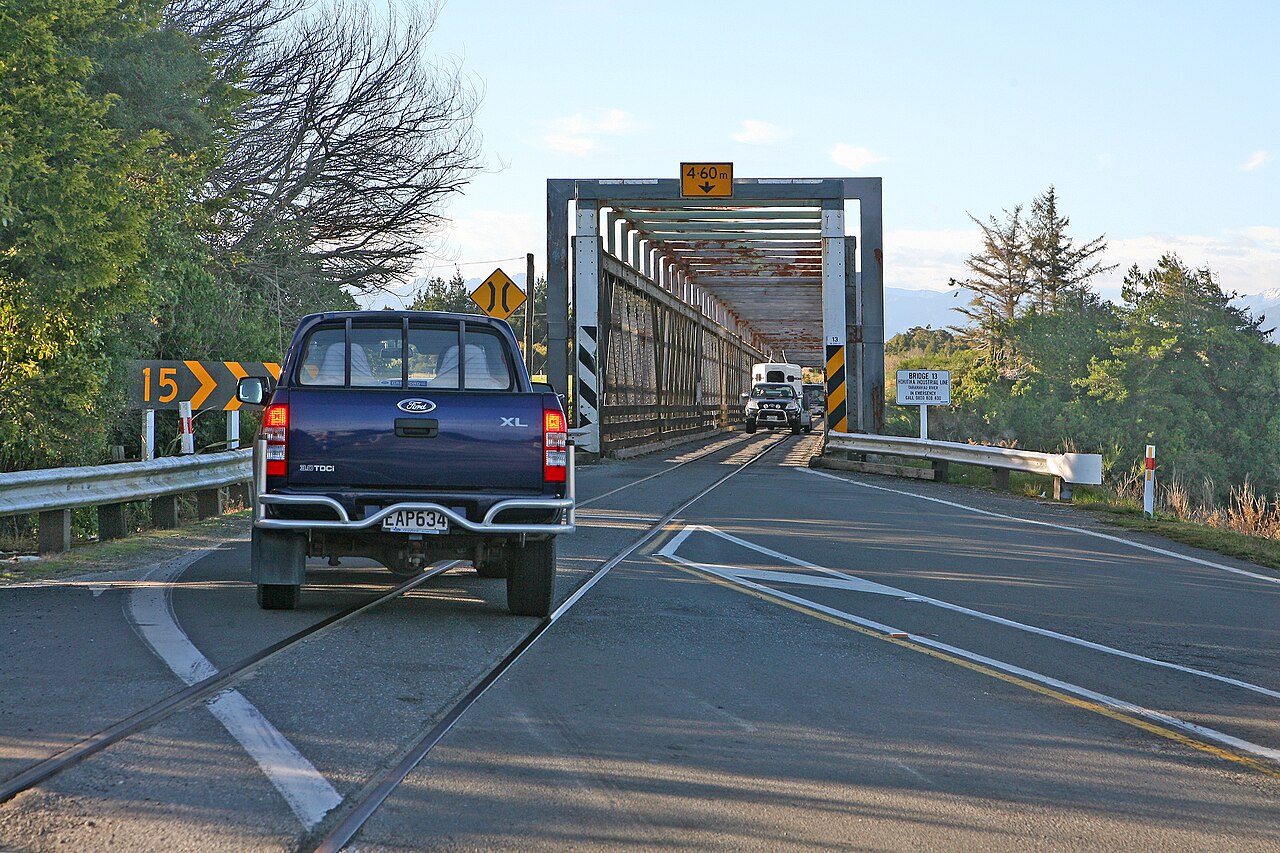
Photo: W. Bulach / CC BY-SA 4.0 / Wikimedia Commons
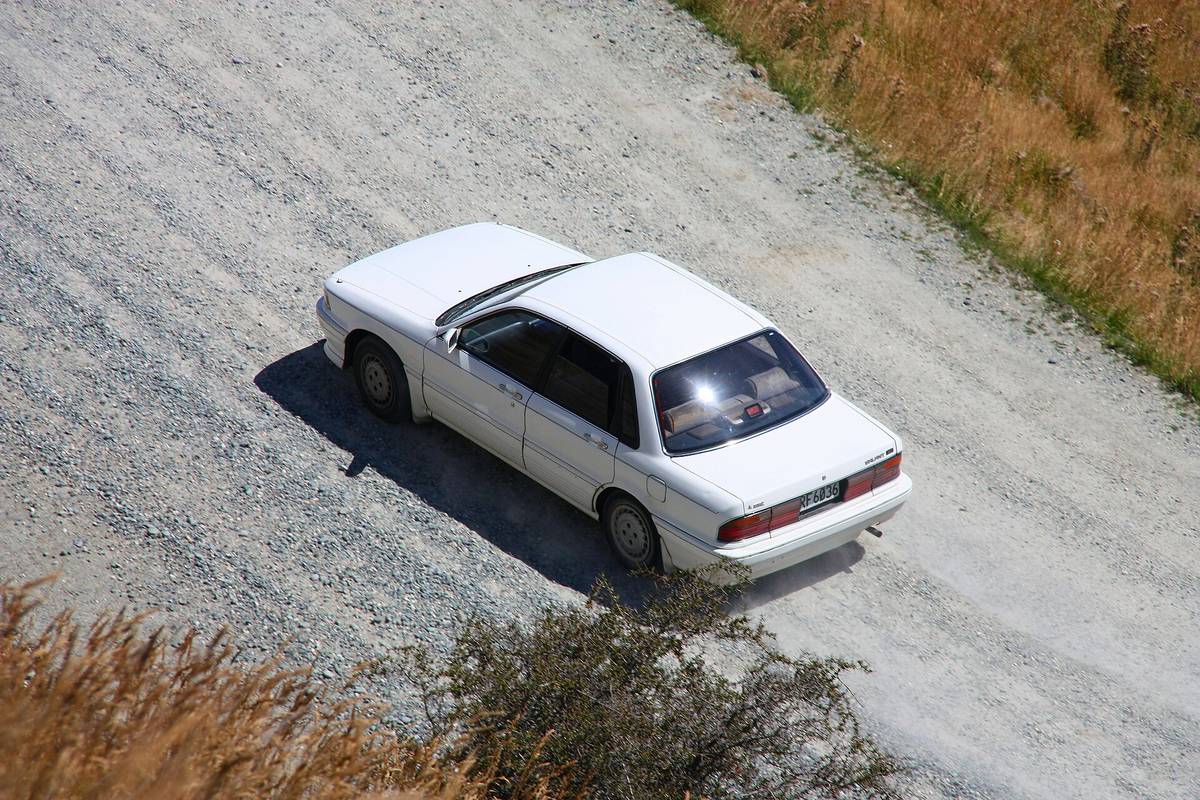
New Zealand's landscapes are breathtaking. Think of the winding Milford Road (SH94) through Fiordland, the steep Crown Range between Queenstown and Wanaka, or the exposed Desert Road across the Central Plateau. These scenic routes can be deceptively challenging: narrow lanes, one-lane bridges, sudden weather changes, and gravel sections test even experienced drivers.
This guide gathers essential driving in New Zealand tips to help you navigate safely. It covers selecting the right rental car for New Zealand conditions (a sturdy sedan or SUV, not a tiny city car), understanding New Zealand road rules including the unfamiliar give-way rule, planning fuel stops in remote areas where stations are far apart, and adopting key safety practices for rural roads like slowing down for stock trucks and keeping left.
Preparation also means checking your New Zealand driving license requirements. An International Driving Permit is recommended if your license is not in English. In alpine regions, carry snow chains between May and October. And always check the weather forecast before long drives; conditions can change from sun to sleet within minutes. With the right knowledge, New Zealand's open roads become an unforgettable adventure rather than a stressful ordeal.
Mastering New Zealand's Road Rules
Photo: Marek Ślusarczyk (Tupungato) Photo portfolio / CC BY 3.0 / Wikimedia Commons
Driving on the Left and License Requirements
Driving on the left side of the road is the most immediate adjustment you will face on a New Zealand road trip. The steering wheel is on the right side of the vehicle, and your natural instinct to stay to the right must be consciously overridden, especially when making turns or entering roundabouts. One of the most valuable driving in New Zealand tips is to always keep the center line on your left; this simple mental rule helps maintain correct lane position. Many visitors find New Zealand road rules straightforward once they commit to this shift in perspective.
License requirements depend on your home country. If your driver's license is in English, you can use it for up to 12 months. If your license is not in English, you must obtain an International Driving Permit (IDP) before arriving. This is a non-negotiable New Zealand driving license requirement for rental car New Zealand advice: most rental agencies will refuse to hand over the keys without an IDP when your license is in a non-English script. Your IDP must be issued by an authorized authority in your home country, such as the AAA in the United States or the AA in the United Kingdom.
Before navigating busy city streets or winding rural roads New Zealand is known for, take 15 minutes in an empty car park to practice. Shift into reverse, check your blind spots (which feel different on the right side), and get used to the position of the turn signal stalk; it may be on the opposite side from what you know. This simple rehearsal builds muscle memory and reduces the risk of pulling into the wrong lane when you leave the lot. New Zealand driving safety starts with this low-pressure practice session before you truly hit the road.
Speed Limits, Road Signs and Etiquette
Speed limits in New Zealand are 100 km/h on open highways and 50 km/h in urban areas. On rural roads, posted limits often drop to 80 or 60 km/h because of narrow lanes, sharp curves, and limited visibility. If you are following rental car New Zealand advice, confirm your vehicle's speedometer displays kilometers per hour to avoid unintentional speeding. Following these rules is essential for a safe and enjoyable road trip.
Yellow lines on the road mean no passing: a solid yellow line on your side means do not overtake. Common signs include the one-lane bridge warning, pedestrian crossing zigzag, and crossroads symbol on a yellow diamond. Recognizing these is a key part of driving in New Zealand tips for international visitors.
Give way rules require you to yield to vehicles approaching from your right at any uncontrolled intersection. On multi-lane roads, use the zip-merge technique: vehicles in the ending lane merge one by one, and drivers in the continuing lane allow them in. New Zealand driving safety depends on understanding these practices, whether you are a local or a tourist following rental car New Zealand advice.
Rental Car Advice for a Smooth Journey
Choosing the Right Vehicle: Car vs. Campervan
Choosing between a standard car and a campervan depends on your group size, planned itinerary, and budget. For two to four travelers covering a mix of cities and national parks, a rental car offers greater flexibility on winding rural roads and easier parking in towns like Queenstown or Wellington. Couples or solo travelers on a tighter budget often prefer a compact car to save on fuel and accommodation costs. Larger groups or families may find a campervan more economical by combining transport and lodging. When seeking rental car New Zealand advice, consider how many kilometers you will drive and whether you plan to stay in holiday parks or freedom camp. A campervan eliminates nightly hotel searches but requires advance booking for powered sites, especially in peak season.
Campervans allow you to cook meals and sleep at scenic spots, reducing food and accommodation expenses. However, they are taller and wider than standard cars, making them less agile on narrow, winding roads common in the North Island's Coromandel and the South Island's Arthur's Pass. Fuel consumption is significantly higher, so factoring in fuel stops New Zealand becomes important. Campervans may need refueling every 300-400 kilometers. New Zealand road rules require slower speeds for large vehicles on highways, and you must obey strict freedom camping bylaws. Many travelers appreciate the spontaneity a campervan offers, but the added bulk can become stressful on tight schedules.
For those driving the South Island's alpine passes and gravel roads, a 4WD vehicle is worth the extra rental cost. Roads like the Crown Range Road near Queenstown and the gravel sections of the Southern Scenic Route demand better traction and clearance, especially from autumn through spring when ice or snow appears. Standard two-wheel-drive cars may struggle on unsealed roads leading to trailheads or remote DOC campsites. Incorporating New Zealand driving safety into your vehicle choice means assessing the terrain: if your itinerary includes Milford Sound during winter or the rugged Catlins, a 4WD provides confidence. Matching the vehicle to your specific route and travel style ensures a smoother journey, whether you opt for a compact hatchback or a fully equipped campervan.
Insurance and Rental Policies You Should Know
When renting a car in New Zealand, understanding the insurance policy is one of the most important parts of rental car New Zealand advice. Standard rental agreements come with a liability for damage that can leave you responsible for an excess of NZ$2,000 to NZ$5,000, or even more for certain vehicle types. Paying extra for a zero-excess option reduces your risk to zero, which is especially wise if you plan to drive on rural roads New Zealand, where loose gravel and narrow lanes increase the chance of minor scrapes.
Damage liability extends to any scratches, dents, or windscreen chips. Fuel policy is typically full-to-full: you pick up the car with a full tank and must return it full, or the company will charge a premium refueling fee. Many renters find it convenient to fill up at one of the last fuel stops New Zealand before the airport to avoid those charges.
Age restrictions also matter. Most companies require drivers to be at least 21, and those under 25 often face a young-driver surcharge of up to NZ$30 per day. Drivers over 70 may also need a medical certificate. Always confirm New Zealand driving license requirements before booking: your home license is valid for up to 12 months if it is in English or accompanied by an official translation. Taking a few minutes to review these policies helps ensure your driving in New Zealand tips include a stress-free rental experience.
Navigating Fuel Stops and Routes
Planning Fuel Stops and Using Navigation
Planning fuel stops is essential when driving on New Zealand's rural roads. On major highways like State Highway 1, petrol stations appear roughly every 30 to 50 kilometers. But remote stretches tell a different story. The West Coast's State Highway 6 between Greymouth and Haast runs over 100 kilometers without a single station. The Desert Road on the North Island has similarly long gaps. These realities are key to internalize: always top up when you pass a town.
Mobile coverage is unreliable on scenic routes, so offline maps are a must. Download maps from Google Maps or Maps.me before departure. A dedicated GPS device adds extra reliability for backcountry driving. Many travelers also overlook station hours; some rural stations close early or are unattended, so fill up during daytime hours.
As part of any rental car New Zealand advice, ask about the fuel range of your vehicle and carry a spare canister for long unsealed stretches. Filling up at every opportunity, especially before entering remote areas, is a sensible New Zealand driving safety measure that keeps your road trip running smoothly.
Staying Safe on Rural and Mountain Roads
Navigating Rural Roads and Mountain Passes
New Zealand's rural roads and mountain passes have some of the best scenery on earth, but they need a different driving style than city or motorway driving. Single-lane bridges are common on the South Island, especially along the main highways near Queenstown and the Catlins. When you approach one, a sign shows the bridge width and who has priority: a red triangle means you must give way to oncoming traffic, and a blue rectangle means you have right of way. Always slow down, check for approaching vehicles, and be ready to stop. Gravel roads add another layer of caution: loose surfaces cut traction a lot, so drop your speed to 50 km/h or less, avoid sudden braking, and steer gently to stay in control.
Mountain passes like Lindis Pass (State Highway 8), at 971 metres, have steep gradients, tight switchbacks, and weather that can change fast. Snow and ice can show up even in summer, and fog can drop visibility to a few car lengths. The best tip for these winding roads is to take corners slowly: brake before the curve, not during it, and accelerate gently out. Use a lower gear to avoid riding the brakes on long descents, which can cause brake fade. On two-lane sections, stay well left on your side of the road, especially on blind corners where oncoming traffic might drift over the centre line. Keep your headlights on low beam during the day so other drivers can see you better.
Before heading out on any rural route, check the NZ Transport Agency website for road conditions and closures, and plan fuel stops carefully because petrol stations can be 100 kilometres apart on some stretches. With these adjustments, driving New Zealand's backcountry becomes a safe and rewarding part of your trip instead of a white-knuckle challenge.
Winter Driving and Emergency Preparedness
Winter conditions turn parts of New Zealand's South Island routes into treacherous stretches. Mountain passes like the Milford Road (SH94) and Lewis Pass often require snow chains between June and October. Key rental car New Zealand advice from operators such as Jucy and Britz includes hiring chains directly at the depot, since many agencies prohibit fitting them yourself. The official New Zealand road rules mandate carrying chains when the sign says "Chains must be fitted" - ignoring this can lead to fines or being turned around. Practice fitting them in daylight before you need them on a cold, dark roadside.
A well-stocked emergency kit can make the difference between a minor delay and a serious situation. Pack warm blankets, a waterproof jacket, high-energy snacks (muesli bars, nuts), at least two liters of water per person, a torch with spare batteries, a basic first-aid kit, and a portable phone charger. In more remote areas like the Haast Pass or the Desert Road, cell reception is patchy, so having a physical map or offline GPS app is wise.
New Zealand's universal emergency number is 111 for police, fire, or ambulance. For non-urgent traffic issues - a broken-down vehicle, debris on the road, or an abandoned car - dial *555 from a mobile. These numbers are essential for any driving in New Zealand tips guide, so save them before you set off. Always tell someone your route and expected arrival time when tackling rural or alpine roads.
Final Tips for a Safe and Memorable Road Trip
Driving in New Zealand is rewarding once you get the basics of the road rules down. Keep left, stick to the speed limits, and adjust for conditions, especially on rural roads where the surface can shift without warning. When you book a car, pick one that fits your route: a compact car works for city touring, but a 2WD or 4WD with decent clearance handles gravel roads and mountain passes better. Get comprehensive insurance, a GPS or offline maps, and know the vehicle's features before you head out.
Good preparation makes the difference between a good trip and a great one. Check road conditions on the NZ Transport Agency website, plan fuel stops in advance, because remote stretches like the Desert Road or the West Coast can have 100 kilometres between stations. Make sure you meet New Zealand driving license requirements: a valid licence from your home country is fine for up to 12 months if it is in English or has an approved translation; otherwise you need an International Driving Permit. Keep snacks, water, and a phone charger in the car for the long drives.
With these tips, you are ready to explore safely. Take a break every two hours, pull over to let faster traffic pass, and enjoy the landscapes that make this country special. Safe travels, and may every corner of the road bring something new to remember.
Official sources
Details worth verifying before you go — checked against:

Travel Writer & Editor
Emily Johnson writes and edits Do Travel Blog. Every guide on the site starts the same way: with a question she actually had while planning — when to book, which pass to buy, how to get from A to B without overpaying. Where a number matters, she cites the source: park tickets link to the park's own fee page, visa rules to the official consulate, ferry times to the operator. Prices get re-checked against those pages before each update, and a guide is re-dated when its numbers move. Nothing here is sponsored — she doesn't accept payment for coverage. Spotted something stale or wrong? Email hello@dotravel.blog and she'll fix it.