eSIM vs Physical SIM in Southeast Asia: Which Is Better?
Compare eSIM vs physical SIM in Southeast Asia for your trip. Decide based on device compatibility, cost, and convenience with our travel SIM comparison guide.
Why Choosing Between eSIM and Physical SIM Matters for Southeast Asia Travelers
You land in Bangkok after a long flight, ready to hit the temples and street food stalls, and then you realize you have no mobile data. Your phone shows an empty signal bar, and you cannot call a ride or check your map. That sinking feeling of being disconnected in a foreign country is one of the most frustrating travel hiccups, and it happens to thousands of visitors across Southeast Asia every year.
The good news is that you have two solid options to stay online: a physical SIM card you slot into your phone, or an eSIM you activate digitally. The core question is simple: eSIM vs physical SIM Southeast Asia. But the best answer depends on your device, your budget, and how you like to travel.
This article breaks down the trade-offs by comparing device compatibility, cost, and convenience across the region's most popular destinations: Thailand, Vietnam, Indonesia, Malaysia, Singapore, and the Philippines. Whether you are weighing a physical SIM or eSIM for a two-week trip in Chiang Mai or a month-long backpacking route across Vietnam, this SIM card comparison travel guide will help you make a confident choice.
What Are eSIM and Physical SIM?
Understanding Physical SIM Cards
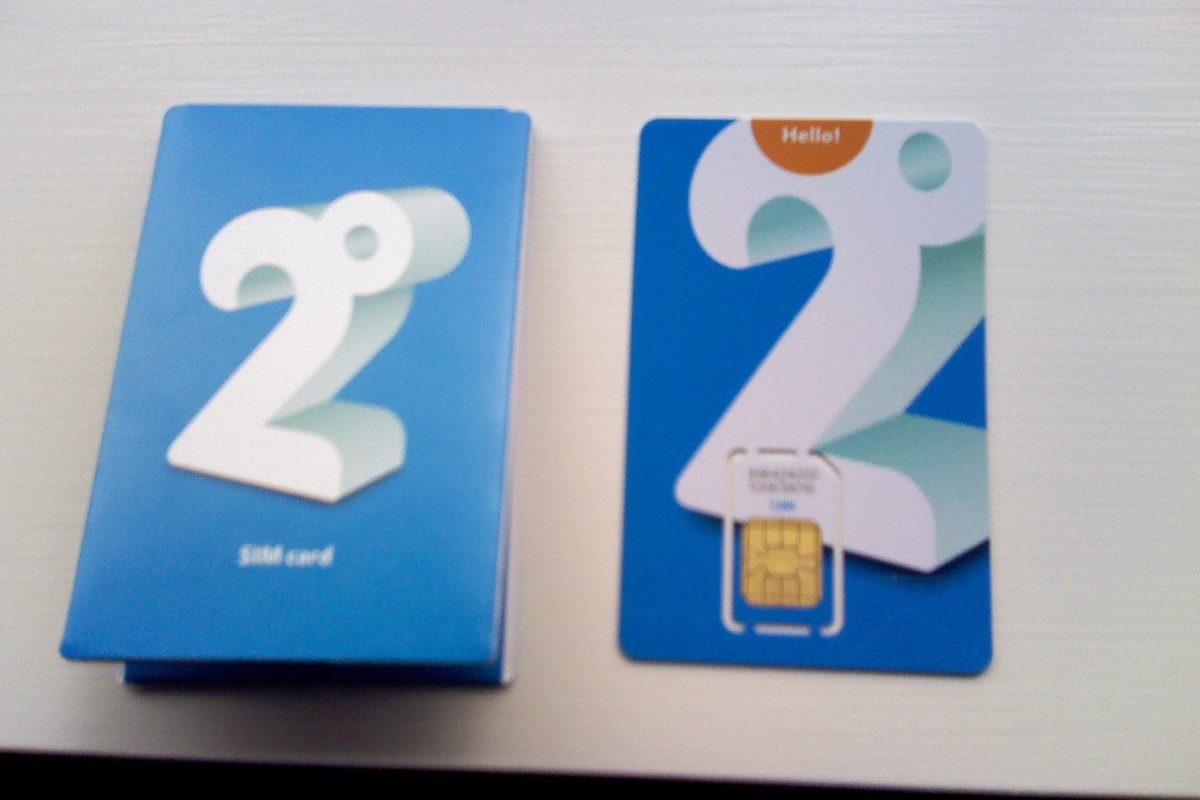
A physical SIM card is the traditional plastic chip that slots into your phone to connect to a mobile network. It has been the standard for decades and remains the most widely supported option for travelers in Southeast Asia. When you swap your home SIM for a local one, you gain a local number and data plan instantly.
These cards come in three sizes: Standard, Micro, and Nano. Most modern travel phones use the Nano SIM, which is the smallest and fits nearly all recent smartphones. Older devices may require a Micro or Standard size, but many carriers provide multi-size cards you can punch out to the correct size.
For travelers, obtaining a physical SIM is straightforward. You can buy one at airport kiosks upon arrival, at convenience stores like 7-Eleven, or at official carrier shops in major cities such as Bangkok, Ho Chi Minh City, or Kuala Lumpur. Prepaid SIM cards are the norm in the region, offering data packages that last from 7 to 30 days for as little as $5 to $15.
Using a local SIM card gives you reliable coverage on networks like AIS in Thailand, Viettel in Vietnam, or Globe in the Philippines. While the debate between eSIMs and physical SIMs continues, the physical option remains the most accessible for anyone with an unlocked phone. Understanding how to get and use a physical SIM is the first step.
How eSIM Technology Works
An eSIM, or embedded SIM, is a small chip soldered directly into your phone's motherboard. Unlike a physical SIM card, it requires no slot and can be provisioned remotely with a data plan from a carrier. This means you can store multiple operator profiles on a single device, switching between them as needed. One of the main eSIM advantages is that you don't need to track a tiny plastic card or worry about losing it during travel.
Activation is straightforward: you scan a QR code or use a carrier app, either before departure or upon arrival in a country like Thailand. Because the eSIM is separate from your phone's physical SIM slot, you can maintain a dual SIM setup, keeping your home number active for calls and texts while using the eSIM for local data. This eliminates the hassle of swapping SIMs and ensures you never miss an important message from home. For travelers weighing the two, this flexibility is a major factor in any comparison.
Device Compatibility: Which Phones Work with eSIM in Southeast Asia
eSIM-Compatible Smartphones for Travelers
Before choosing between a physical SIM or eSIM for your Southeast Asia trip, you first need to know if your phone supports eSIM. eSIM compatibility is not universal, even among modern smartphones. The list of eSIM-capable devices spans major brands but comes with important caveats. Apple's iPhone XS and later models (including the iPhone SE 2020 and 2022) support eSIM, though the iPhone 14 and 15 sold in the US lack a physical SIM tray entirely. Google's Pixel 3 and later models, including the Pixel 6a and 7a, are eSIM-ready. Samsung's Galaxy S20+ and later flagship models (S21, S22, S23, S24 series) and the Z Fold and Z Flip lines support eSIM, but the standard Galaxy S20 and S21 do not.
Regional variations complicate the picture further. A Galaxy S23 sold in Hong Kong may support eSIM, while the same model purchased in mainland China or Thailand may not. Carrier restrictions also apply: some Southeast Asian carriers lock eSIM activation to devices purchased directly from them. Always check the manufacturer's official eSIM compatibility list for your specific model and region before buying a travel SIM card.
Mid-range and budget phones, such as the Samsung Galaxy A series, Xiaomi Redmi Note series, and Oppo A series, typically lack eSIM hardware. If you travel with a phone in this price bracket, your only option for a SIM card comparison travel will be a physical SIM. For travelers with flagship devices, eSIM offers a convenient alternative, but verifying eSIM compatibility first prevents hassles at the airport.
How to Verify Your Phone's eSIM Compatibility
Before buying an eSIM for your Southeast Asia trip, check that your phone can use it. Start with the settings menu: on iPhone, go to Settings > Cellular > Add Cellular Plan; on Android, go to Settings > Connections > SIM Card Manager > Add eSIM. If you see an option to add a mobile plan, your device probably supports eSIM. This quick check saves you from buying a digital SIM that won't work.
For a definitive answer, use your phone manufacturer's IMEI check tool. Apple, Samsung, and Google each offer online compatibility pages where you enter your IMEI number (found in Settings > About Phone). Your carrier's website also lists eSIM-supported devices. Searching for 'travel phone eSIM compatible' can guide you to the right resources.
Even if your phone supports eSIM, it must be unlocked (SIM-free) to use a foreign carrier. Carrier-locked phones, common in the US and Japan, often block non-domestic eSIMs. Check with your provider before departure. For example, if you plan to use a local eSIM in Thailand from AIS or TrueMove, a locked phone will prevent activation. This is a critical step in the decision, as a locked device forces you to rely on physical SIM cards or expensive roaming. In short, an unlocked phone is the key to eSIM advantages.
Device Limitations of Physical SIM Cards
For travelers comparing eSIM vs physical SIM in Southeast Asia, the physical SIM's greatest strength is universal compatibility. Any unlocked phone accepts a physical SIM, so you don't need to check device specs before arrival. This simplicity is why many long-term travelers still prefer physical SIM cards, especially for destinations where eSIM support is limited. Budget travelers using older phones without eSIM capability also benefit from this no-fuss approach.
Dual-SIM phones, common in the region, often have a second slot that may be either physical or eSIM. Some models use hybrid slots where you choose between a second SIM and a microSD card. If you want to use a local SIM card in Thailand alongside your home provider, a hybrid slot forces you to forfeit expandable storage. This is a key consideration in any SIM card comparison travel guide.
Physical SIM swapping also requires you to carry a pin and handle the tiny card, which is easy to misplace or damage. If you plan to switch between multiple local providers to secure the best data rates, the process becomes tedious. These limitations of physical SIM or eSIM choices highlight why eSIM advantages like instant activation and no card handling appeal to tech-savvy travelers.
Cost Comparison: Are eSIMs Cheaper Than Physical SIMs?
Typical Prices for Physical SIM Cards in Southeast Asia
Physical SIM cards are still the cheapest option for travelers in Southeast Asia, though prices vary a lot by country. In Thailand, prepaid SIMs from AIS or TrueMove cost 50 to 300 THB (about $1.50 to $9.00) for data packages valid 7 to 30 days. A typical 30-day plan gives you 10GB of data plus social media access for around 200 THB ($6.00). For travelers looking for a SIM card in Thailand, buying at a 7-Eleven or a downtown electronics shop costs 20-30% less than the airport counter. Vietnam's Viettel and Vinaphone sell similar prepaid packs for 50,000 to 200,000 VND ($2 to $8), with a common 30-day, 10GB package costing about 100,000 VND ($4.00). In Malaysia, Celcom and Digi offer 10GB for 30 days at around 30 MYR ($7).
Airport SIM counters are convenient but charge a premium, often 20-30% more than shops in city centers. For example, a 15GB, 15-day plan at Bangkok's Suvarnabhumi Airport may cost 350 THB, while the same plan downtown costs 250 THB. This markup is consistent across most Southeast Asian hubs.
When comparing physical SIMs to eSIMs, the upfront price of a physical card is almost always lower. However, the travel SIM comparison should factor in convenience and the ability to keep your home number. A thorough SIM card comparison travel analysis shows that for budget-conscious travelers on a single-country trip, a physical SIM bought locally is the cheapest option.
eSIM Pricing: Data Plans from Global Providers
Global eSIM providers like Airalo, Holafly, and Nomad sell regional data packs for Southeast Asia. A typical 1 GB plan valid for 7 days starts around $5, while a 10 GB plan lasting 30 days costs roughly $15 to $20. Some providers, such as Holafly, offer unlimited data at reduced speeds after you hit a daily cap, which works for light browsing but not for heavy streaming. These prices are fixed and transparent, with no hidden fees or roaming surcharges.
When comparing SIM cards for travel, eSIMs often cost more per gigabyte than a local physical SIM bought at a Bangkok airport or a 7-Eleven in Ho Chi Minh City. But the eSIM advantages are flexibility and convenience: you can buy and activate the plan before you leave home, switch between networks without swapping cards, and avoid any roaming charges from your home carrier. For travelers who prioritize ease of setup over the absolute lowest cost, the eSIM pricing is a fair trade-off.
Hidden Costs and Roaming Fees
Physical SIM cards often carry hidden costs beyond the advertised price. In Thailand, for instance, you might pay an activation fee of 50 to 100 baht, and top-ups through kiosks or apps can add small service fees. Unused balances typically expire after 30 to 90 days, forcing you to recharge even with leftover credit. These small charges accumulate, making the apparent cost of a SIM card in Thailand higher than expected.
eSIM plans are generally more transparent, with no activation or top-up fees. However, some eSIM plans auto-renew after the initial period. If you forget to cancel a monthly data plan, you may be charged for another cycle. Short-term eSIMs (7 to 15 days) rarely auto-renew, but always verify the terms before purchasing. This is one of the key eSIM advantages: upfront pricing with few surprises.
The most expensive option by far is roaming with your home carrier. Data roaming charges in Southeast Asia can exceed $10 per day, quickly making a local SIM cheaper. For example, a U.S. carrier might charge $10 per day for data, while a local SIM in Vietnam costs about $5 for 7GB. Avoid roaming with your home carrier. Whichever option you pick, both are far cheaper than roaming. The takeaway is simple: skip roaming entirely.
Convenience: Buying and Activating SIMs in Southeast Asia
Where to Buy a Physical SIM Card in Southeast Asia
Physical SIM cards are easy to find across Southeast Asia. Airport kiosks sell them as soon as you land, and 7-Eleven stores carry prepaid SIMs from major carriers in almost every town. Carrier shops have the widest selection and the best promotional plans, while online platforms like Klook or Lazada let you pre-order with airport pickup. The main draw is instant activation: pop in the card and you have data within minutes, with plenty of providers to choose from based on coverage and budget.
But the process has practical downsides. Most Southeast Asian countries require passport registration when you buy a physical SIM, a rule meant to improve mobile security. At busy airport kiosks or small convenience stores, registration can take a few minutes, and staff may not speak English fluently, which can lead to confusion about plan details. For example, when buying a SIM card in Thailand, you must show your passport and fill out a form, which can drag on if the line is long. This is where the eSIM vs physical SIM comparison in Southeast Asia matters: eSIMs skip the physical registration step entirely.
For travelers who do not mind a short wait and handing over their passport, the instant connectivity of a physical SIM is still a reliable option. But if you arrive late or want to avoid language barriers, the decision between a physical SIM and an eSIM may lean toward eSIM advantages like remote activation, a key factor in any SIM card comparison travel guide.
How to Activate an eSIM for Southeast Asia
Activating an eSIM for Southeast Asia requires no trip to a store. You purchase the plan online, before departure or after arrival, and receive a QR code or app link. Scanning the code installs the eSIM profile directly onto your device. The choice between a physical SIM or eSIM becomes clear: you can install the profile while at home, then activate upon landing in Bangkok or Bali. No fumbling with SIM trays at the airport.
However, not all eSIMs behave the same way. Some activate instantly upon scanning, while others require a working internet connection to download the profile. If you choose a plan that needs initial online activation, you will need airport Wi-Fi or a local physical SIM as a backup. This small distinction matters when comparing the two. For travelers who prefer to hit the ground connected, checking the activation terms before buying can save a frustrating first hour.
Switching Between Providers and Managing Multiple SIMs
Managing multiple mobile providers during a Southeast Asia trip is where the physical SIM approach quickly shows its limitations. Each time you want to switch to a different carrier, say from a tourist SIM in Thailand to a local prepaid plan in Vietnam, you must physically remove the current card, store it safely, and insert the new one. This requires carrying a SIM ejector tool or a paperclip and finding a stable surface to avoid dropping the tiny card. The process is slow and risks losing the original SIM altogether.
An eSIM, by contrast, lets you store multiple profiles directly on your phone. You can keep your home carrier active for calls and texts while adding a travel data plan from a regional provider like Airalo or a local Thai carrier. Switching between profiles takes just a few taps in Settings, with no physical handling required. Many travelers find this especially useful when hopping between countries: they load a Thailand profile, then a Malaysia profile, and toggle as needed.
Dual-SIM capability further complicates the comparison. Most modern phones support one physical SIM and one eSIM simultaneously (or two eSIMs), allowing you to use a local physical SIM for voice calls, useful in markets like Thailand where local numbers are required for Grab or food delivery, while keeping an eSIM dedicated to data. This setup gives you the best of both worlds without sacrificing connectivity.
The eSIM advantage becomes clearest when you want to compare data plans mid-trip. You can browse offers from multiple providers, load a new eSIM profile, and activate it the moment you need it, all without losing your current connection. For travelers who value flexibility and speed, the debate leans heavily toward the eSIM side for multi-provider management.
Which Is Better for Your Southeast Asia Trip?
Scenarios: When to Choose eSIM Over Physical SIM
For a one-week trip to Bangkok or a quick island hop in southern Thailand, the convenience of an eSIM often outweighs the marginal cost savings of a physical SIM. With a digital plan, you can be connected within minutes of landing: no queuing at airport counters, no fumbling with tiny SIM trays, and no risk of losing your home SIM. The price difference for a 7-day data plan is usually just a few dollars, making the time saved well worth it for short-stay travelers.
Travelers who need to keep their home number active for work or two-factor authentication will find the decision clear. An eSIM lets you add a local data plan while your physical SIM slot remains free for your primary number. This dual-SIM capability is especially useful for digital nomads or anyone managing bank accounts that require SMS verification.
Hopping across multiple countries is another scenario where eSIM advantages shine. Instead of buying a new physical SIM at each border, you can switch between country plans on your phone in seconds. A traveler visiting Thailand, Vietnam, and Cambodia over three weeks can purchase a regional eSIM that covers all three, or install separate eSIMs for each country and toggle between them as needed. This flexibility is a key point in any travel SIM comparison.
Tech-savvy users comfortable with digital activation will appreciate the ability to research and install an eSIM before departure, comparing plan details on a laptop rather than a tiny phone screen. For anyone who fits these scenarios, the choice between physical SIM or eSIM becomes straightforward: eSIM wins on convenience and flexibility.
When a Physical SIM Might Be the Better Option
eSIMs are convenient for short trips, but a physical SIM still wins in some situations. The choice between a physical SIM and eSIM in Southeast Asia depends on trip length, budget, device compatibility, and whether you need a local phone number.
For stays of a month or more, prepaid physical SIMs offer much cheaper rates per gigabyte. A 30-day AIS SIM in Thailand with 100GB costs around 300 baht ($8), and a Viettel prepaid SIM in Vietnam with 30GB for 30 days runs under 100,000 VND ($4). eSIM plans for the same data often cost $10 to $15, making physical SIMs the budget pick for longer trips. Travelers watching every dollar will find physical SIMs the clear winner.
Device compatibility matters too. Many older smartphones and budget models sold in Southeast Asia lack eSIM support. If your phone does not support eSIM, a physical SIM is your only option. Travelers who need a local phone number for calls and SMS will also prefer a physical SIM. Physical SIMs come with a local number that works with ride-hailing apps like Grab and Gojek, which often require SMS verification to register. eSIM data-only plans lack this, and even eSIMs with numbers may have spotty voice reliability. For these travelers, a physical SIM is the more reliable choice.
The physical SIM or eSIM decision comes down to these practical needs. For cost-conscious travelers with compatible devices, a physical SIM remains the practical choice for extended stays in Southeast Asia.
Final Verdict: Making the Right Choice for Your Trip
The eSIM versus physical SIM debate in Southeast Asia comes down to a simple trade-off: convenience versus cost. eSIMs win on hassle-free activation and keeping your home number active. Physical SIMs offer cheaper local rates and work on any unlocked phone, including older models.
For most short-term travelers, a one- or two-week holiday, eSIM advantages make it the clear winner. Activate your plan before you board, skip the airport SIM counter, and avoid swapping cards. If your phone supports eSIM, this is the hassle-free option for your trip.
But for longer stays or budget trips, a physical SIM is hard to beat. Local prepaid cards in local-sim-cards-thailand-vietnam-Thailand, Vietnam, and Indonesia often cost half the price of equivalent eSIM data. They also work on phones without eSIM support, which is common among budget travelers.
Before deciding, check your phone's eSIM compatibility and compare plans. Use a travel SIM comparison tool or look up current SIM card Thailand deals. The final choice depends on your trip length, budget, and device. For most travelers, the eSIM is the better choice, but the physical SIM remains a strong contender for the right traveler. Weigh your trip length, your budget, and your device to make the decision that suits your itinerary.
Official sources
Details worth verifying before you go — checked against:

Travel Writer & Editor
Emily Johnson writes and edits Do Travel Blog. Every guide on the site starts the same way: with a question she actually had while planning — when to book, which pass to buy, how to get from A to B without overpaying. Where a number matters, she cites the source: park tickets link to the park's own fee page, visa rules to the official consulate, ferry times to the operator. Prices get re-checked against those pages before each update, and a guide is re-dated when its numbers move. Nothing here is sponsored — she doesn't accept payment for coverage. Spotted something stale or wrong? Email hello@dotravel.blog and she'll fix it.