Hostel Amenities Checklist: What to Look For Beyond Reviews
Check beyond reviews with this essential hostel amenities checklist. Learn what facilities like lockers, free breakfast, and common rooms really matter for a comfortable stay.
Why a Hostel Amenities Checklist Matters
A glowing five-star rating often hides a hostel where hot water runs out by 8 a.m. or a towel costs $5. Online reviews help, but they reflect personal tolerance, not objective standards. One traveler's "basic" is another's dealbreaker. That is why a structured checklist of hostel amenities matters more than any star rating.
Using a checklist before booking prevents the classic surprise: arriving after a long bus ride to find the kitchen closed at 8 p.m., no lockers for your passport, and WiFi that works only in the lobby. A good checklist shifts the focus from how many people liked the place to what facilities are actually guaranteed. It forces you to confirm specifics like 24-hour reception, luggage storage availability, and whether the free breakfast means toast or a proper spread.
The categories worth tracking fall into four groups. Security covers lockers, safe deposit boxes, and key-card access. Comfort includes air conditioning, laundry service, and towel rental. Social spaces such as the lounge and kitchen make or break the experience. And verification means checking recent photos, emailing the hostel directly, or cross-referencing with booking platforms that list facilities clearly. A checklist turns guesswork into a reliable booking decision.
Security and Practical Amenities
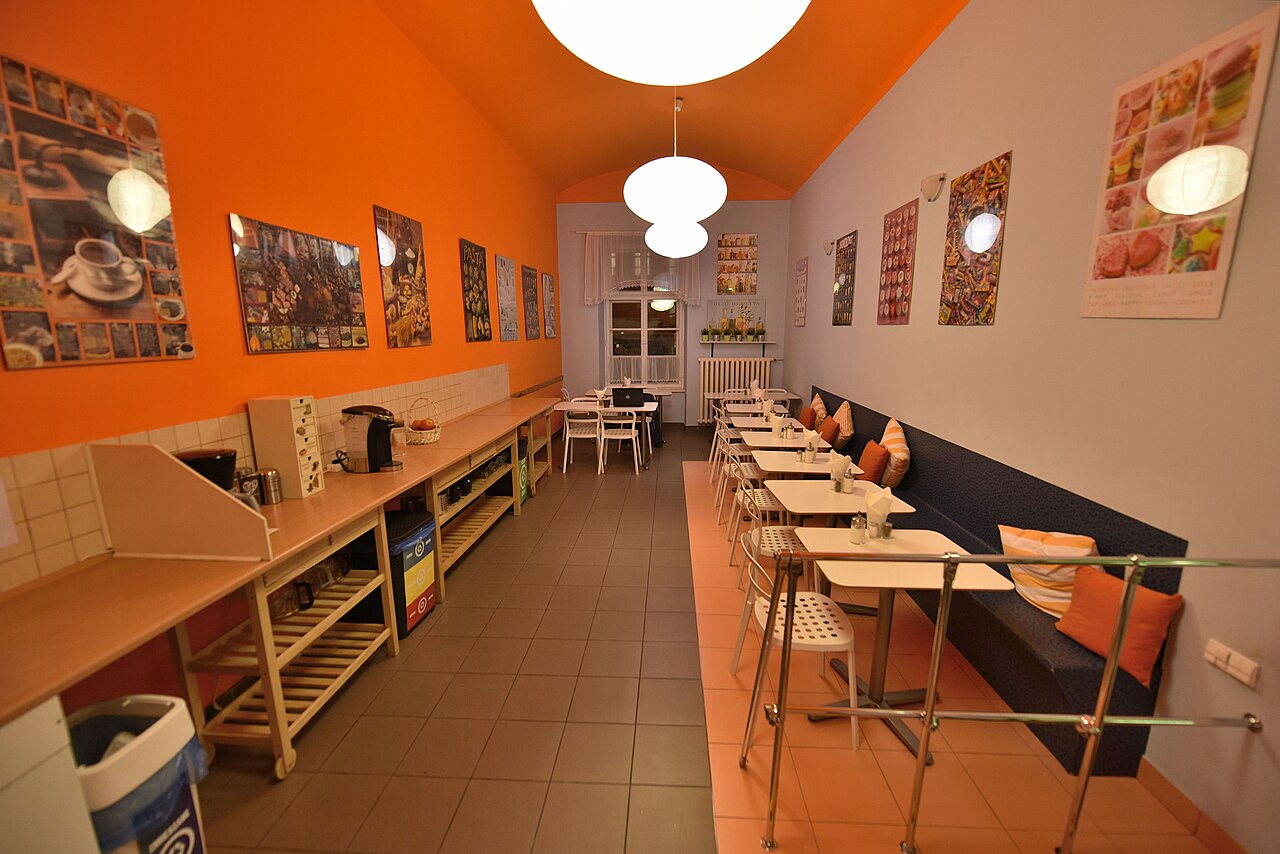
Photo: Adrian Grycuk / CC BY-SA 3.0 pl / Wikimedia Commons
Lockers and Personal Security
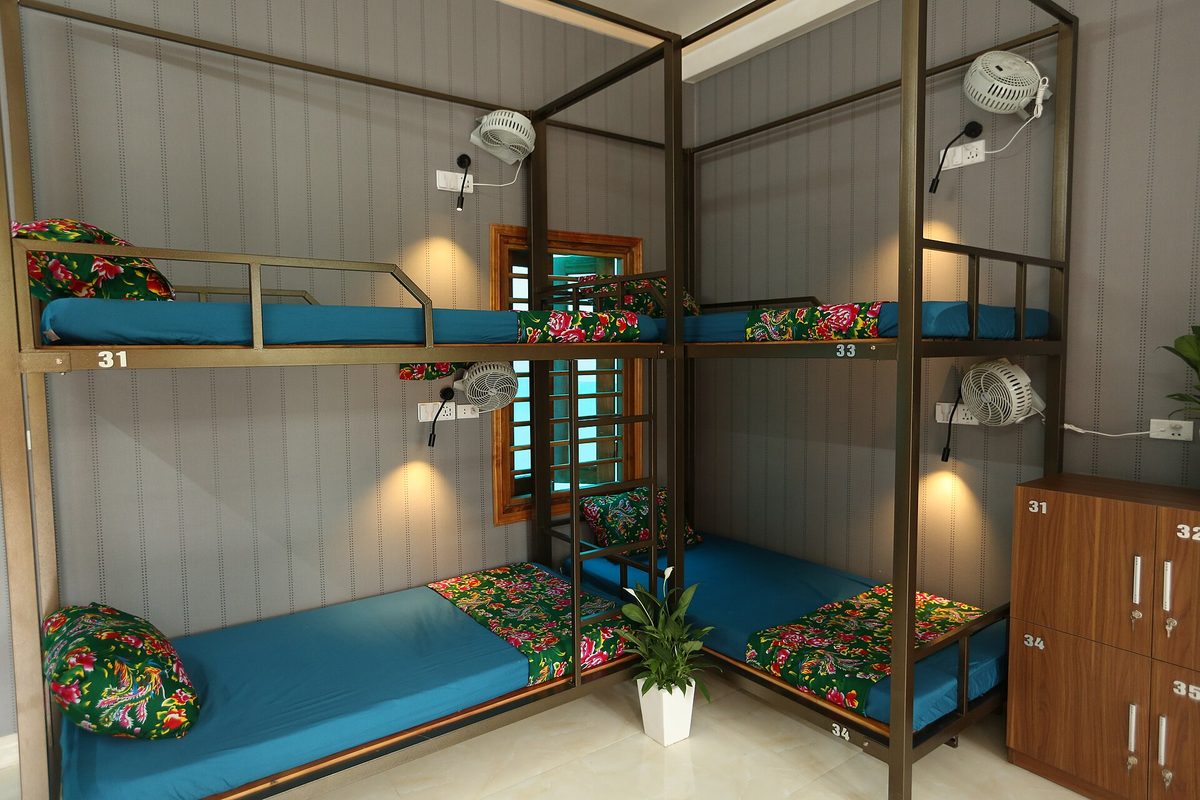
A secure locker is one of the most critical hostel amenities for peace of mind. Without it, you risk leaving your passport, laptop, or cash unattended in a shared dorm. Even the most trustworthy dormmates can't guarantee nothing will be misplaced, so a personal lockable space transforms a room from a common sleeping area into a safe temporary home. This is why any reliable hostel checklist should prioritize lockers as a non-negotiable facility.
Lockers come in two main sizes. Small lockboxes fit a passport, wallet, and phone, fine for a night out but useless for a backpack. Large lockers accommodate a full backpack or carry-on and are essential for longer stays. Crucially, check whether the hostel provides a lock or requires you to bring your own. Many budget hostels sell padlocks at reception for a few dollars, but some charge a deposit or fee for borrowing one. Reading the fine print in reviews can save you from an unexpected expense.
When scanning reviews for locker quality, look for specific claims. Guests often mention if lockers are big enough for a 15-inch laptop or a 40-liter backpack. Location matters, too: lockers inside the room are more convenient than those in a hallway or basement. Security complaints about broken locks or easy tampering appear frequently in negative reviews. A quick search for 'locker' or 'safe' within review platforms like Hostelworld or Booking.com reveals whether the hostel's lockers actually deliver on their promise. Some hostels also offer luggage storage lockers for guests who have checked out but aren't leaving town yet, a valuable facility for late flights. Adding this step to your pre-booking checklist ensures you won't be surprised upon arrival.
Reception Hours and Luggage Storage
A 24-hour reception desk is a hostel amenity worth prioritizing, especially if you plan late check-ins or early departures. Many hostels scale back to limited hours after 10 p.m., leaving you locked out or unable to retrieve items. For example, a hostel in Lisbon with reception only until 9 p.m. forced a traveler to wait outside for an hour until a staff member heard the doorbell. As part of your checklist, confirm the reception hours on the hostel's website or by calling ahead. A simple email can save you a cold night on the street.
Luggage storage is another practical facility that varies widely. Some hostels offer free, secure storage in a locked room with camera surveillance, while others charge a small fee for a basic open shelf. A paid option might still be worth it if your valuables are safe, but an open rack in a hallway is a red flag. To verify beyond reviews, ask the hostel directly about the storage process: Is it monitored? Are bags tagged? Is there a limit on bags? A hostel that answers clearly likely runs a secure operation.
Comfort and Convenience Amenities
Free Breakfast: What's Really Included?
A hostel that advertises "free breakfast" can mean anything from a pre-packaged muffin and instant coffee to a full spread of eggs, toast, and fresh fruit. The difference matters, especially when you are budgeting both money and time each morning. Before you book, check whether the offering is continental (cold items like bread, cereal, and yogurt) or hot (scrambled eggs, sausages, pancakes). Hot breakfasts are rarer and more valuable, but even a solid continental spread can save you $8-12 per day.
Most free breakfasts include a rotating selection of bread, jam, butter, cereal, and instant coffee. Some hostels add fresh fruit, yogurt, or boiled eggs. A few go further with make-your-own pancake stations or regional specialties like churros or congee. The best way to verify is to scan recent reviews for the phrase "breakfast" and sort by the most negative comments. If guests consistently complain that the coffee ran out by 8 a.m. or the bread was stale, that is a red flag. Look for photos uploaded by guests to see actual portion sizes and freshness.
Dietary restrictions are another area where promises fall short. A hostel that offers "gluten-free bread" might have only one frozen slice, or a "vegan option" could be plain oatmeal. Before booking, message the hostel directly through the booking platform to ask about current alternatives. A helpful response signals that the staff takes the question seriously. If the hostel cannot confirm even basic options, plan to bring your own staples like instant oatmeal or nut butter.
Kitchen Facilities: More Than Just a Stove
A hostel kitchen is a valuable amenity, but listing photos don't always tell the full story. Look beyond the stove and sink: check the cookware, utensils, and fridge space. Cheap, scratched non-stick pans and a shortage of sharp knives can turn a promised meal into a frustrating experience. Look for decent saucepans, a cutting board, and enough plates and bowls for the number of beds. Fridge space is often tight. Walk-in units with labeled shelves signal a well-run facility. A pantry staple shelf (oil, salt, spices) is a bonus that saves you from buying entire bottles for a single dinner.
Cleanliness is critical. Check recent reviews specifically for mentions of dirty dishes, overflowing bins, or sticky counters. A facility that lets mess accumulate until the next cleaning shift is a red flag. If photos show a tidy, organized kitchen with clear signage for dishwashing duties, that is a good sign. Ask staff directly about the cleaning schedule and how they handle leftover food in the fridge.
The kitchen is a social hub in its own right. Hostels with large communal tables and open layouts encourage travelers to cook together, share recipes, and swap stories. When looking at photos, look for enough seating and counter space to actually cook and eat at the same time. A cramped galley kitchen with no seating suggests the facility is just a functional space, not a social one.
Towels, Air Conditioning, and Bedding
Towels remain one of the most variable hostel amenities. Many budget hostels in Southeast Asia charge $2-5 for towel rental, while mid-range hostels in Western Europe typically include them free of charge. Always check the facilities list for "towel included" versus "towel rental available" before booking. Packing a quick-dry travel towel eliminates the cost gamble entirely.
Air conditioning is another critical but often misleading amenity. Central AC is standard in newer hostel buildings, but older properties often rely on noisy window units that may only run during certain hours. Seasonal availability matters: a hostel in Rome might advertise AC but only activate it from June to September. Reading reviews for mentions of "too hot at night" or "AC didn't work" reveals the real climate control situation.
Bedding quality directly affects sleep quality. Most hostels provide clean sheets and a thin blanket, but some offer pillows varying from flat foam to plush down alternatives. For cold destinations, confirm whether extra blankets are available at reception. A quick scan of recent reviews for keywords like "thin blanket" or "flat pillow" gives a realistic picture of the bedding comfort level.
WiFi and Laundry Services
Reliable WiFi is essential for modern travelers, but not all hostel connections are equal. Some hostels offer free WiFi throughout the property, while others charge a daily fee or restrict access to common areas. Speed varies widely: a 50 Mbps connection in the lobby might drop to 5 Mbps in a top-floor dorm. For digital nomads and long-term travelers who need to work online, slow or unreliable WiFi is a dealbreaker. Always check recent reviews specifically for WiFi complaints, as speed and coverage can change after initial installation.
Laundry services range from self-service coin-operated washers and dryers to drop-off services where staff handle everything for a fee. Self-service machines typically cost $3 to $6 per load, and drying machines may be separate or combined. Some hostels offer drying racks in rooms or outdoor lines, especially in warm climates. If you are traveling light, having laundry facilities on-site is a major convenience, saving time and money compared to a laundromat.
To verify these amenities, scan the most recent review mentions of WiFi and laundry. Look for phrases like "WiFi worked well in the common room but not in my room" or "laundry was a hassle because only one machine worked." Check photos posted by guests for actual WiFi routers or laundry equipment. Also confirm reception hours for laundry sign-up or key pick-up for a separate laundry room.
Incorporating WiFi and laundry into your hostel amenities checklist ensures you choose a place that matches your comfort and convenience needs. Strong WiFi supports remote work, while reliable laundry facilities let you pack lighter and stay fresher on longer trips.
Social and Extra Amenities
Common Room and Lounge Area
The common room is where a hostel's social personality shows. Look for one with varied seating: couches for lounging, tables for eating or working, and enough space that guests aren't sitting on top of each other. A well-designed lounge encourages conversation without feeling overcrowded. Essential hostel amenities in this space often include a TV for movie nights, board games and books for quiet evenings, and at least one computer terminal for quick check-ins or printing boarding passes.
Many hostels organize social events that revolve around this space, such as pub crawls, family-style dinners, and walking tours. These activities can make the difference between a forgettable stay and one where you leave with new friends. Before booking, review recent feedback specifically about lounge cleanliness and noise levels. A loud lounge late at night can make sleeping difficult if your dorm shares a wall, while a dirty one sours the entire experience. Include these social facilities in your pre-trip checklist alongside practical items like lockers and kitchen access.
Organized Events and Activities
Organized events and activities are among the most useful hostel amenities for solo travelers and social butterflies. Free breakfast, lockers, and reliable WiFi are practical essentials, but social extras like walking tours, cooking classes, and bar crawls define the character of a stay. A hostel that runs a free walking tour every morning gives you an immediate orientation to the neighborhood and a chance to meet other guests before you even head out.
- Free walking tours led by local guides who know the hidden alleys and best street food spots
- Cooking classes that use the hostel kitchen to teach regional dishes like paella or pad thai
- Bar crawls that bundle cover charges and drink specials, removing the awkwardness of going out alone
These amenities go beyond the standard facilities checklist. To verify them before booking, search recent reviews for mentions of specific events. Look for details like "the 10 AM walking tour was excellent but only runs on weekdays" or "the Italian pasta-making class was full every night." Frequency matters: a hostel that lists a bar crawl on its website but has not run one in months is a red flag. Quality also varies; a cooking class that includes all ingredients and a sit-down meal adds real value, while a rushed tour through tourist traps does not.
For the best experience, choose a hostel where the organized activities match your travel style. If you want to save on dining costs, a cooking class doubles as dinner. If you travel solo, a daily walking tour turns the city into a shared adventure. Always cross-check the hostel's event calendar against recent guest reviews to confirm these facilities are still active and well run.
Laundry and Other Practical Services
Laundry access is a hostel amenity that makes a real difference on longer trips. A traveler who packs for a week can stretch that wardrobe for two or three weeks with on-site washing machines. Most hostels offer coin-operated washers and dryers, typically costing $3-6 per load for washing and another $3-5 for drying. Some budget properties in Southeast Asia charge as little as $1-2 for a wash-and-dry service handled by staff. A quick scan of recent reviews will reveal whether the machines are reliable or frequently out of order, and whether the dryers actually dry clothes in one cycle.
Beyond laundry, a few practical facilities can shape the daily experience. Towel rental appears on almost every hostel checklist; the fee usually runs $1-3 per towel per stay, and some hostels now include one free towel to reduce single-use waste. Bike rental, offered by hostels in bike-friendly cities like Amsterdam or Copenhagen, typically costs $10-20 per day and often comes with a lock and map. A travel desk or reception that books tours, bus tickets, or airport transfers adds convenience but varies widely in commission rates. Reviews are the best way to verify pricing: past guests often mention whether the rental fees were fair or the staff at the desk pushed overpriced tours. For a complete facilities checklist, always confirm what is included in the nightly rate and what requires an extra fee.
How to Verify Amenities Beyond Reviews
Scrutinize the Hostel Website and Booking Photos
Relying only on the official amenities list can be misleading, since many hostels exaggerate or leave things out. A more reliable approach is to cross-check user-uploaded photos on platforms like Hostelworld or Booking.com. Those images often show whether the free breakfast is a simple toast spread or a full buffet, and whether the lockers are big enough for a backpack. Look for photos uploaded within the last three months; older images may predate renovations or maintenance issues. Video tours, when available, give an even clearer sense of the lounge layout, kitchen cleanliness, and air conditioning function.
Hidden fees are another trap. A hostel may advertise free WiFi but charge for a reliable connection, or list lockers as available while requiring a deposit for the key. Compare the description on the hostel's own website with the listing on third-party booking sites. If the third-party site mentions laundry service or luggage storage but the official site does not, that discrepancy signals the amenity may be seasonal or restricted. Always check the fine print for towel rental fees and reception hours that limit check-in times. A thorough amenities checklist should account for these real-world conditions, not just the marketing claims.
Contact the Hostel Directly
Reviews can be outdated or misleading, but a direct message to the hostel cuts through the noise. Before you book, send a brief email or make a quick call with specific questions about the amenities that matter most to you. Instead of asking "Do you have a kitchen?" which might get a generic yes, ask "Is the kitchen open for guest use this month?" or "Are the lockers large enough for a 15-inch laptop?" This forces the staff to give you the current status, not the advertised one.
A particularly useful question during warmer months is whether the air conditioning is actually working. Many hostels list air conditioning as a facility, but if the system is broken or only runs during certain hours, you want to know before arrival. The same applies to WiFi speed, towel availability, and laundry service availability. If the reception desk has limited hours, ask whether late check-in is possible and how luggage storage works if you arrive before check-in time.
How quickly and helpfully the hostel responds is itself a signal of service quality. A reply within a few hours with clear, detailed answers suggests a well-run property. A vague response or silence for days may indicate disorganized management.
For even faster replies, try the hostel's social media channels. Many hostels respond quickly on Instagram or Facebook Messenger, especially smaller properties where the owner manages the account directly. A quick DM about free breakfast hours or locker availability often gets a reply within minutes.
Read Reviews Strategically
Reading reviews strategically helps you separate real amenity insights from generic complaints. Start by focusing on reviews posted within the last three to six months. Hostel facilities like WiFi speed, breakfast quality, and locker security can change quickly, especially under new management or after renovations. An outdated review praising the free breakfast is useless if the hostel switched to a paid continental option last month.
Use the search function built into most booking platforms to jump directly to mentions of specific items. Type keywords like 'locker,' 'breakfast,' 'WiFi,' 'kitchen,' 'laundry,' or 'air conditioning' to find relevant feedback in seconds. This technique lets you scan dozens of reviews efficiently without reading every line. Then look for patterns: one person complaining about a broken locker might be bad luck, but three separate guests mentioning the same issue over a short period signals a persistent problem with the hostel's facilities.
Finally, filter reviews by traveler type to match your own needs. A solo traveler will prioritize different amenities than a family: solo adventurers often mention locker size and lounge atmosphere, while families focus on kitchen equipment and luggage storage. Couples may care more about privacy or towel availability. Adjusting the filter ensures the feedback you read comes from people with similar expectations, making the checklist of amenities truly actionable for your specific trip.
Bottom Line
Booking a hostel goes far beyond star ratings and guest comments. The most reliable way to secure a comfortable stay is to evaluate specific facilities before you hit the book button. Free breakfast, lockers, a functional kitchen, reliable WiFi, and 24-hour reception each play a distinct role in shaping your experience. A common room or outdoor terrace can turn an ordinary stay into a social highlight, while air conditioning, towel rentals, and laundry access often determine whether a trip feels smooth or stressful. These are the hostel amenities that matter most, and they deserve more than a quick glance at a reviews page.
Reviews are a useful starting point, but they are not the final word. A five-star rating might mask broken lockers or a kitchen closed for renovation. That is why the checklist you just worked through is your real compass. Use it every time you compare properties. Open it on your phone, run through each category, and note whether the listing explicitly confirms each feature. If the information is missing, message the hostel directly before booking.
Save or print the checklist for your next trip. Keep it in your travel folder or pinned to your notes app. With this tool in hand, you will book with confidence, skip the guesswork, and spend less time troubleshooting at check-in. Your travels will run smoother because you planned around the facilities that actually support your journey.
Official sources
Details worth verifying before you go — checked against:

Travel Writer & Editor
Emily Johnson writes and edits Do Travel Blog. Every guide on the site starts the same way: with a question she actually had while planning — when to book, which pass to buy, how to get from A to B without overpaying. Where a number matters, she cites the source: park tickets link to the park's own fee page, visa rules to the official consulate, ferry times to the operator. Prices get re-checked against those pages before each update, and a guide is re-dated when its numbers move. Nothing here is sponsored — she doesn't accept payment for coverage. Spotted something stale or wrong? Email hello@dotravel.blog and she'll fix it.