How to Choose Group Tours for Solo Travelers: A Guide
Learn how to choose group tours for solo travelers with our comprehensive guide covering group size, itinerary flexibility, social opportunities, and expert tips.
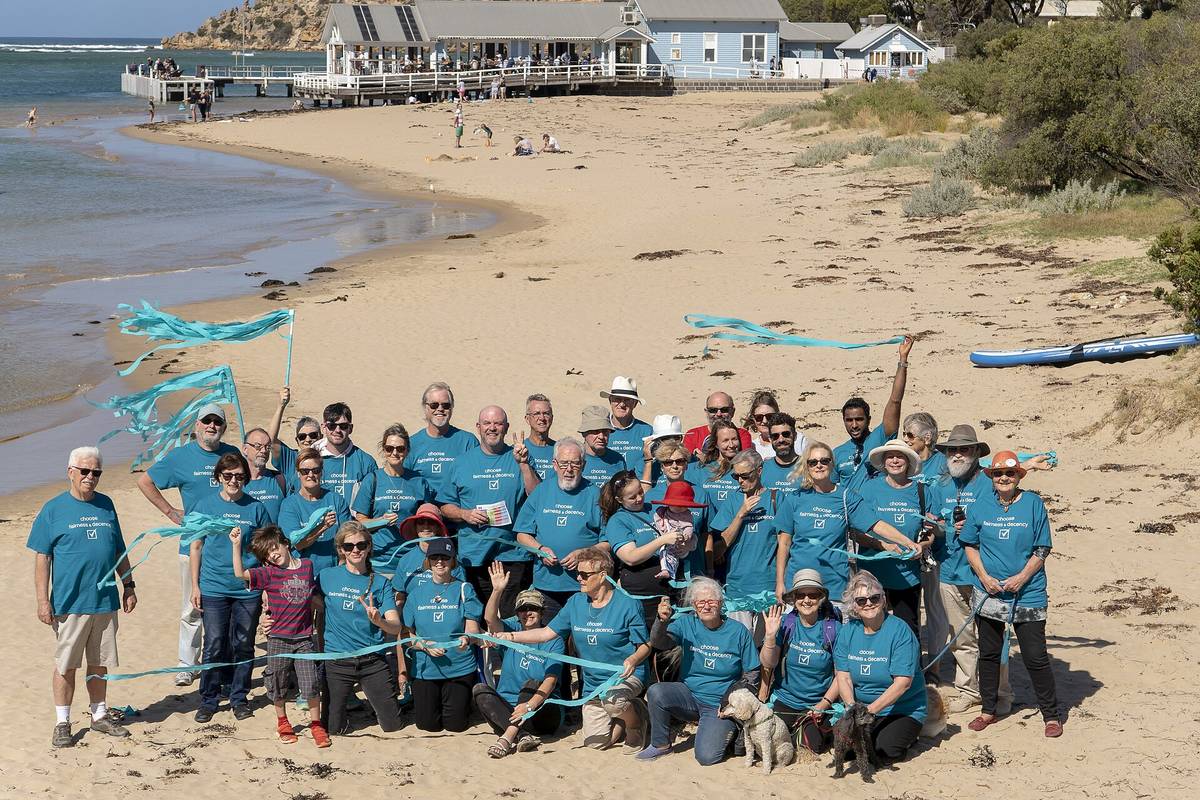
Why Group Tours Work Well for Solo Travelers

Photo: S. Clyde / Public domain / Wikimedia Commons
Solo travel offers freedom and self-discovery, but the logistics of planning a trip alone can feel overwhelming. First-time solo travelers often worry about safety, loneliness, and navigating unfamiliar destinations. A 2023 survey by Solo Traveler found that 72% of solo travelers who joined a group tour reported feeling less anxious about their trip. Group tours provide a middle ground: they offer a structured itinerary and a built-in social circle, reducing the stress of solo planning while still leaving room for independence.
This guide exists to help you make an informed decision when choosing a tour that matches your solo travel style. We will cover how to choose group tours for solo travelers by evaluating four key factors: group size, itinerary flexibility, social opportunities, and operator reputation. Each factor directly impacts your experience, from the pace of the trip to the types of connections you form.
Group size determines how intimate or crowded the experience feels; smaller groups often allow deeper bonding, while larger groups offer more anonymity. Itinerary flexibility affects whether you can explore on your own or must stay with the group. Social opportunities range from scheduled activities like welcome dinners to free time for spontaneous interaction. Operator reputation ensures reliability and quality, with reputable companies offering experienced guides and transparent reviews. By the end of this guide, you will have a clear framework for selecting tours that align with your preferences and budget.
Understanding Your Solo Travel Style and Preferences

Photo: Timothy Akolamazima / CC BY-SA 4.0 / Wikimedia Commons
Assess Your Solo Travel Comfort Zone
Before you start browsing tour listings, take a few minutes to honestly assess your solo travel style. Knowing your comfort zone is the first step in choosing tours that actually suit you. The best ones match your preferences on group size, itinerary structure, and social demands.
Group size dramatically shapes your experience. Intimate tours with 8 to 12 participants allow for deeper connections and easier access to local guides, but they also mean less anonymity. Larger groups of 20 to 30 can feel more anonymous, offer economies of scale, and often include a wider mix of personalities. If you are unsure, try a mid-sized group of 12 to 16 for your first solo travel group tour to gauge your comfort level.
Next, consider your tolerance for structure versus spontaneity. Some solo group tour tips recommend fully planned itineraries where every meal and activity is pre-booked, giving you a worry-free experience. Others prefer a loose framework with a few guided activities and several free afternoons to explore on your own. Reflect on whether you thrive on a schedule or need breathing room to adapt. Tours that offer a mix of guided highlights and independent time are often the most solo friendly tours for first-timers.
Finally, gauge your social energy. Are you looking for a built-in group of friends to share meals and excursions with, or do you need quiet time to recharge? Some tours are designed with constant group interaction, while others encourage solo exploration. Honest self-reflection on these three factors will help you find tours that feel just right.
By clarifying your comfort zone up front, you can filter out mismatched options and zero in on tours that align with your natural travel rhythm.
Define Your Travel Goals and Interests
Before you start browsing tour companies, pause to define what you actually want from a trip. Solo travelers often fall into one of three broad travel styles: adventure, culture, or relaxation. Many, however, want a thoughtful mix. If you crave physical challenge, look for hiking or cycling tours. If food and history draw you, search for culinary walking tours or museum-focused itineraries. If pure rest is the goal, beach retreats with guided yoga sessions work well.
Connecting your goals to specific tour themes makes filtering options far easier. For instance, typing "solo travel group tours" into a search engine will return hundreds of results, but narrowing that query to "solo travel group tours for foodies in Portugal" returns a manageable list. The key is to match your interests with the tour's stated focus.
To sharpen your decision, write down your top three priorities for a tour. Is it small group size? Flexible free time? A mix of structured activities and solo exploration? Knowing these three non-negotiables helps you quickly eliminate tours that don't fit, saving time and reducing decision fatigue. The best tours are those that align with your personal travel goals, not someone else's itinerary.
Budget Considerations for Solo Travelers on Group Tours
One of the biggest financial advantages of booking a group tour as a solo traveler is the elimination of the dreaded single supplement. Hotels and cruise lines typically charge solo travelers 30-50% extra for a private room, but many guides recommend opting for tours designed specifically for soloists, where roommate matching is standard or single rooms are included at no extra cost. These organized tours for singles turn what would be a budget-busting expense into a predictable, shared cost, making solo travel far more accessible.
Price ranges vary widely based on destination, length, and standard of accommodation. A 7-day European tour might cost between $1,500 and $3,000, while a 14-day trip to Southeast Asia could range from $1,800 to $4,000. The key is understanding what is included versus what is extra. Most tours cover accommodation, in-country transport, a professional guide, and some meals, but flights, airport transfers, travel insurance, and alcoholic drinks are almost always separate. Some operators also charge extra for portage or airport transfers, so reading the fine print is essential.
Hidden costs can quickly inflate the advertised price if you are not prepared. Tipping guides and drivers is customary in many countries, often recommended at $10-15 per day, and optional excursions such as a cooking class, a boat ride, or a guided hike can add $50-100 per activity. Flights to the departure city are another significant expense, especially for long-haul destinations. A practical solo group tour tip is to always request a detailed inclusions list before booking, and to budget an additional 20-25% of the tour price for non-included items. This transparency helps you find tours that genuinely fit your budget without surprise fees.
If keeping the base price low is a priority, look specifically at the operators' budget-tier product lines. G Adventures runs its "YOLO" line for travelers aged 18-35, with trips like the eight-day Peruvian Amazon experience starting at around $1,200, while Intrepid's "Basix" category strips everything back to essentials: simpler hotels (often hostels or guesthouses), some public transport for transfers, and frequently just breakfast included, leaving you free to graze local markets for lunch and dinner. Contiki's classic 18-35 tours often come in under $200 per day. Once on the road, apps like Trail Wallet and TravelSpend log daily spending in seconds and help you split group costs with new friends, and an emergency buffer of $100-200 covers the medical bills or last-minute transport changes nobody budgets for.
For budget-conscious solo travelers, organized tours for singles offer a reliable way to control costs while enjoying the social and logistical benefits of group travel. By comparing what is included across different operators and factoring in hidden expenses, you can select a tour that aligns with your financial comfort zone.
Key Factors to Evaluate When Choosing a Group Tour
Group Size: Small vs. Large Groups
The size of a group tour directly shapes your experience, from cost to connection. Small groups of 6 to 12 travelers offer intimacy and flexibility, often allowing stops at off-the-beaten-path spots large buses cannot access. These tours cost more per person because the fixed guide fee and transport are split among fewer people. In contrast, large groups of 20 or more travelers keep prices lower through economies of scale, making them the more budget-friendly option for many solo travelers. But reduced cost comes with trade-offs in pace and personal attention.
Social dynamics shift noticeably with group size. In a small group, you naturally get to know everyone over meals and shared activities, which eases the solo travel experience. The guide can tailor commentary to individual interests and answer questions on the fly. In a large group, you might find it harder to form close bonds, and the guide follows a scripted itinerary to keep the crowd moving. For solo travelers who value deep connections, the best small-group operators often cap at around 12 participants.
Your personal comfort with socializing should guide your choice. If you prefer a calm, immersive experience and can afford a higher price, a small group suits you. If you enjoy meeting many people and want to maximize your budget, a large group works well. Many operators offer both sizes, so read reviews that mention solo travel group tours to see how previous travelers described the social atmosphere. The key is matching group size to your travel style, not just the price tag.
Itinerary Flexibility: Free Time vs. Structured Schedule
Group tour itineraries range from minute-by-minute schedules to bare-bones outlines that leave most of the day open. A fully guided tour might pack every hour with museum visits, guided walks, and group meals, leaving little room to wander. On the other end, a free-and-easy itinerary lists only the hotel and maybe a welcome dinner, trusting you to fill the rest. When deciding how much structure you want, consider where you fall on this spectrum. If you prefer to have most decisions made for you, a structured tour reduces planning stress. But if you value spontaneity, look for tours that build in half-day or full-day free blocks.
Downtime is not wasted time, especially for solo travelers. Socializing with a group for hours can be draining, and a few hours of alone time each day helps you recharge and process what you have seen. The best operators intentionally include afternoons or evenings with no planned activities, so you can nap, explore on your own, or simply sit at a cafe and people-watch. This balance is one of the key solo group tour tips: choose a program that respects your need for solitude as much as your desire for company.
Optional add-on activities offer another layer of flexibility. Many tour operators list excursions you can join for an extra fee, such as a cooking class, a boat trip, or a guided hike. This lets you customize your experience without committing to a rigid full-day schedule. These bite-sized options are a practical way to filter options if you want to tailor your trip while still traveling with a group. Always check the cancellation policy for optional activities. Some require advance booking, while others let you decide day-of based on your energy.
Social Opportunities: How Tours Help You Connect
The social fabric of a tour can make or break the experience for a solo traveler, and the best operators invest heavily in creating natural opportunities for connection. Most operators build in at least one shared meal per day, often at a local restaurant where the table seating encourages conversation rather than isolation. Evening gatherings, such as wine tastings in Porto or a rooftop dinner in Marrakech, serve as informal icebreakers where travelers can swap stories from the day's adventures. Guided walks, cooking classes, and cultural workshops also function as shared activities that lower the barrier to meeting new people because everyone is focused on the same task.
A growing number of tour operators for solo travelers now design their itineraries exclusively around this demographic, meaning every component is chosen with single travelers in mind. Companies like Intrepid Travel and G Adventures offer solo-friendly departures where the group is composed entirely of individuals traveling alone, eliminating the awkwardness of being the only singleton in a sea of couples or friends. These tours often include dedicated solo welcome dinners, a group WhatsApp channel for planning optional meetups, and a tour leader trained to facilitate introductions without being intrusive.
Age range is another critical factor. Some operators, such as Contiki or Topdeck, cater primarily to travelers in their 20s and 30s, with a social calendar that leans toward nightlife and bar crawls. Others, like Road Scholar or ElderTreks, focus on travelers aged 50 and above, prioritizing cultural immersion and lower-key evening activities. For a wider range, G Adventures' 18-to-Thirtysomethings and National Geographic Expeditions attract a mixed-age crowd, so solo group tour tips include checking the recommended age bracket on the tour page before booking. Knowing the demographic profile helps solo travelers find tours that match their preferred social energy level.
Tour Operator Reputation and Solo-Friendly Policies
Before booking any trip, take time to vet the tour operator's reputation among solo travelers. Read reviews on platforms like Trustpilot, TourRadar, and dedicated solo travel forums. Look for feedback specifically from solo travelers, as their experience differs from couples or groups. G Adventures, for example, has a strong solo-friendly reputation, while Intrepid offers guaranteed roommate matching. Pay attention to comments about the guide's ability to include solo travelers in group activities.
Policies matter greatly. The best companies waive the single supplement fee, which can add hundreds of dollars to a trip. Flash Pack and Just You are known for solo-only departures, meaning every traveler is alone. This removes the 'odd one out' feeling. Check the company's history and safety record. How long have they operated? Do they have proper licenses and insurance? A reputable operator will display these details clearly.
When you evaluate operators, prioritize those that transparently address these concerns. Those with clear solo traveler policies and a track record of positive solo traveler feedback are your safest bet.
Accommodation and Rooming Arrangements for Solo Travelers
For solo travelers, accommodation arrangements can make or break the tour experience. When evaluating rooming options, the first decision is whether to book a private room or share with a stranger. Private rooms offer privacy and a personal retreat after a day of group activities, but they often cost more. Shared rooms reduce expenses and can help you bond faster with a roommate. Many solo travel group tours offer both options, so it pays to check the default setup before booking.
A major cost consideration is the single supplement fee, which tour operators charge solo travelers who want a private room. These fees can add 30% to 50% to the base tour price. To avoid them, look for tours that offer roommate matching programs, where the operator pairs you with another solo traveler of the same gender. Some companies, like G Adventures and Intrepid Travel, have dedicated "no single supplement" spaces or guarantee no supplement on select departures. This is one of the most practical solo group tour tips for keeping your budget in check.
Beyond room type, hotel quality and location matter. A central hotel near the group meeting point saves you from early morning commutes and lets you explore independently before or after activities. When reviewing options, check group travel recommendations for accommodation tips: look for properties within walking distance of main attractions and with good reviews for safety and cleanliness. The best operators will clearly list accommodation details, including star ratings and distance to daily activities, so you can compare confidently.
Before booking, always read the fine print on rooming policies. Some operators allow you to change your preference after booking, while others require a single supplement paid upfront. Knowing these details upfront helps you find a tour that fits both your comfort needs and your budget.
Tips for Finding the Best Group Tours for Solo Travelers
Where to Search: Online Platforms and Specialized Operators
Most solo travelers start on a platform like TourRadar, which aggregates over 50,000 tours from 1,200 operators and lets you compare itineraries, dates, and prices side by side. G Adventures, Intrepid Travel, and Contiki are three of the largest operators that cater to solo travelers, each offering dedicated solo-friendly departures and room-sharing options to avoid single supplements. These companies have been running group tours for decades and have refined their social dynamics so solo travelers feel included from day one.
If you want a more specialized experience, niche operators provide a curated alternative. Solo Traveler (the company behind the popular blog of the same name) runs trips designed exclusively for soloists, with a strong emphasis on community and low-pressure socializing. Flash Pack targets adventure-seeking solo travelers in their 30s and 40s, while Under30Experiences aims at the 21-35 crowd with a focus on shared experiences like hiking, cooking classes, and nightlife. These operators often build in more free time and structured icebreakers, making it easier for newcomers to group travel to find a good fit.
When you browse any platform, use the available filters to narrow your search. TourRadar and similar sites let you sort by age range, activity level, travel style, and even solo traveler availability. Checking these filters saves hours of scrolling and ensures you land on tours where other solo travelers will be in the majority. This simple step is one of the most practical solo group tour tips for anyone booking their first trip.
Deal-hunting deserves the same discipline as operator research. Beyond TourRadar, Travelstride adds user-written trip notes and photo galleries, and StayWild filters specifically for solo traveler availability. Most aggregators offer a "solo traveler" filter that highlights departures with no single supplement — G Adventures runs "Solo-ish" departures with shared rooms for exactly this crowd. Set up price alerts once you have a shortlist, and check the dedicated last-minute sections: operators routinely slash prices on unsold spots two to four weeks before departure, with some trips reaching 50% off on less popular dates, and LastMinute.com aggregates deeply discounted packages and group tours. Savvy soloists also browse the Facebook groups of operators like G Adventures and Intrepid Travel, where last-minute seats are sometimes posted directly to fill empty rooms. Flexibility multiplies the savings: keep a shortlist of three to five destinations and be ready to book whichever offers the best value — swapping a sold-out Greece itinerary for a Portugal tour departing the same week can unlock far cheaper rates — and aim for off-season windows in early spring or late fall, where discounts run steepest. To lock a low price without losing flexibility, book with companies that offer free cancellation up to 30 days before departure — Intrepid Travel and G Adventures refund most tours in full if canceled at least four weeks ahead.
Tour Types That Stretch a Solo Budget
A few tour categories deliver outsized value for soloists. Volunteer and work-exchange placements — Workaway, WWOOF, and IVHQ — trade a few hours of work per day for free or low-cost accommodation and meals, saving roughly $20-40 per day; Workaway alone connects travelers with over 50,000 hosts in 170 countries, many taking groups of 5-15 volunteers, WWOOF operates in 60+ countries on organic farms, and IVHQ runs structured programs from $20 per day with housing and food included. Adventure tours split fixed costs: a seven-day Inca Trail trek with Exodus Travels runs about $1,200 per person as a group booking versus nearly $2,000 private, TrekAmerica's five-day national park trips through Zion and Bryce Canyon start at $650 with tents, meals, and a guide included, and shared camping gear often drops equipment rental below $20 per day. Food tours punch above their price too — a half-day street-food walk typically costs $40-60 with five to eight tastings that would cost double bought separately, and operators like Devour Tours in Europe and Food Tour Bangkok cap groups at 8-12 people. Cultural tours with homestays go further, folding in lodging at $20-30 per night with dinner and breakfast; a week-long homestay-based tour in rural Vietnam can total $400-500 versus $700-plus for a hotel-based itinerary, and these homestay groups are usually capped at six to ten people, which keeps the conversation going long after the tour ends. The hands-on versions are worth seeking out too: in Chiang Mai, a typical morning takes your small group to the market to shop for ingredients before you head back to a family kitchen and prepare dishes like khao soi or green curry, while guides in Morocco lead solo travelers through the medina's spice stalls before a tagine-making session. That is a direct invitation into the host culture, not just a class.
Reading Reviews and Testimonials from Solo Travelers
Reading reviews from past participants helps you figure out which group tours work for solo travelers. But you have to filter for feedback that actually talks about the solo experience. Look for comments about the social dynamics among solo participants, whether the group welcomed newcomers, and how the guide handled solo travelers. Those details tell you if the company really caters to soloists or just lets them show up.
Check multiple review platforms. Google Reviews and Trustpilot give you a range of opinions, while Facebook groups for solo travel group tours offer direct advice from people who have taken the same trip. There you can ask specific questions about the social atmosphere and guide quality.
Look for recurring themes. If multiple reviews praise the guide's ability to connect solo travelers, that is a strong signal. If reviews mention cliques or awkward moments, consider that a red flag. With these tips, you can identify the operators that match your expectations for interaction and support.
Questions to Ask Before Booking
When booking a group tour as a solo traveler, asking the right questions before you hand over your deposit can save you from awkward surprises and hidden costs. Three questions matter most: "What is the average age of participants?" "How much free time is built into the itinerary?" and "Are single supplements waived or reduced?" The answers reveal whether the group skews toward retirees, backpackers, or a mix, and whether you will have breathing room to explore on your own.
- Ask about roommate matching policies: some operators assign same-gender roommates at no extra cost, others leave you to pay a single supplement if you do not request a match.
- Clarify the cancellation policy: what happens if you need to cancel 30 days out? 14 days? 48 hours? Look for flexible terms that protect your deposit.
- Check for optional upgrades: private rooms, premium excursions, or airport transfers that are not included in the base price.
- Use "solo friendly tours" as a checklist item: if the operator offers a dedicated solo traveler package or waives the single supplement, that is a strong signal they understand your needs.
- Ask how discounts stack: operator newsletters unlock early-bird pricing of 10-15% (Intrepid's "Flash Sale" emails feature select departures at up to 20% off for 48 hours), referral programs like G Adventures' $50 credit — and Contiki's "Refer a Friend," worth $50 off per person — apply to both parties, student, senior, and military rates exist through StudentUniverse, Gate 1 Travel, and EF Go Ahead Tours, booking through cashback portals like Rakuten or TopCashback returns another 5-10%, and a travel rewards card such as the Chase Sapphire Preferred or Capital One Venture earns 2x points per dollar you can redeem against a future tour. Small operators may also take 5-10% off for cash, booking a second trip with the same company often earns a multi-tour discount of around 10%, and tiered group pricing (one free spot per 10 paying travelers) often applies if you join an existing group booking.
Contacting the tour operator directly by phone or email often yields more honest answers than browsing the FAQ page. A quick call to ask about the average age or roommate matching can reveal whether the company is genuinely welcoming to solo travelers or just listing "solo friendly tours" as a marketing tagline. Operators that encourage this kind of inquiry are usually the ones worth booking with.
Preparing for the Tour: Maximizing Your Experience
Packing smartly for your first group tour as a solo traveler starts with versatility. Bring layers that work for both planned excursions and spontaneous free time, but also pack one item that signals solo time: a good book, a journal, or noise-canceling earbuds. Many experienced solo travelers recommend a lightweight daypack for daily use and a small lock for hostel lockers. These small choices make it easier to navigate group dynamics without feeling burdened by gear.
Before departure, most reputable tour operators create WhatsApp groups or private forums for their travelers. Join these as soon as you receive the link. Introduce yourself, ask about packing lists or airport transfers, and see who else is going. This pre-trip connection reduces first-day anxiety and helps you spot potential travel buddies before you even land. Some groups even coordinate shared meals or airport transfers, saving money and building rapport.
Setting realistic expectations is one of the most valuable solo group tour tips. Embrace the group activities and meals, but also give yourself permission to skip an optional excursion to explore alone or simply rest. Money goes further when the group cooperates, too: agree early on a common approach to gratuities and consider pooling tips for guides and drivers to avoid awkward per-person math, and share costs for optional activities or airport transfers. The best operators build in free time by design. Use it. You are not failing the group by taking an hour to yourself; you are protecting your energy for the experiences that matter most. This balance between connection and independence is what makes a group tour work for soloists.
Bottom line
Choosing the right group tour as a solo traveler comes down to three steps: know your personal travel style, evaluate each tour against the criteria in this guide, and research operators with a proven track record for solo-friendly experiences. The key factors - group size, itinerary flexibility, social opportunities, and included activities - directly determine whether a trip feels like a solitary adventure or a shared journey. Understanding how to choose group tours for solo travelers means prioritizing these elements over flashy marketing or rock-bottom prices.
Now is the time to put that knowledge into action. Start by listing your non-negotiables: small groups under 15 people, at least two free afternoons per week, or a dedicated solo traveler meet-up on day one. Use platforms like TourRadar and G Adventures to filter for solo-friendly departures, and read reviews from other soloists to see if the operator delivers on its promises. These tips will help you find a tour that matches your pace and budget.
Solo travel with a group is not a compromise. It is a rewarding adventure that combines independence with camaraderie. You will explore new places with the security of a guide and the spontaneity of solo freedom, all while building connections with like-minded travelers. Book that tour, step onto the plane, and discover how a well-chosen group can turn a solo trip into an unforgettable shared experience.
Official sources
Details worth verifying before you go — checked against:

Travel Writer & Editor
Emily Johnson writes and edits Do Travel Blog. Every guide on the site starts the same way: with a question she actually had while planning — when to book, which pass to buy, how to get from A to B without overpaying. Where a number matters, she cites the source: park tickets link to the park's own fee page, visa rules to the official consulate, ferry times to the operator. Prices get re-checked against those pages before each update, and a guide is re-dated when its numbers move. Nothing here is sponsored — she doesn't accept payment for coverage. Spotted something stale or wrong? Email hello@dotravel.blog and she'll fix it.