A Solo Traveler's Guide to Group Tours: What to Expect
A practical solo traveler guide to group tours: what to expect on your first group tour as a solo traveler, from socializing to logistics and making the most of the experience.
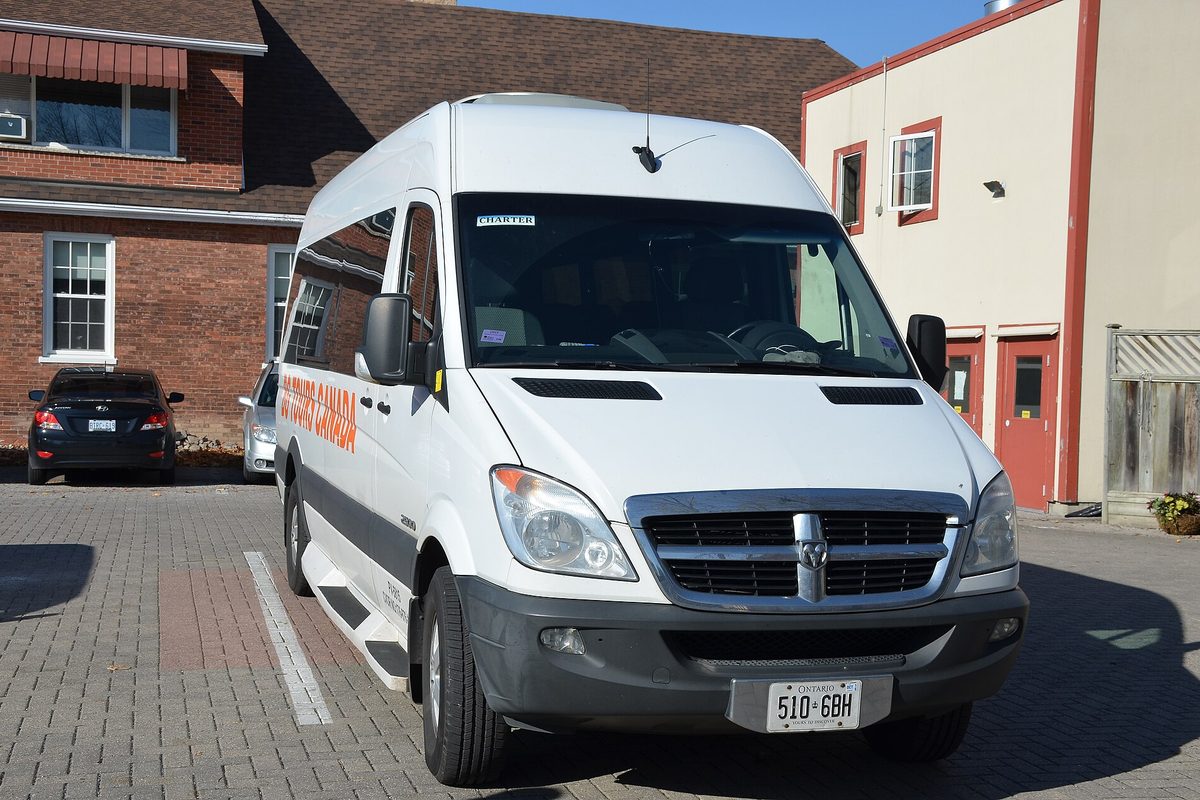
Starting Your First Group Tour as a Solo Traveler
Solo travel has grown more popular over the past decade, with more people choosing to explore the world on their own terms. But many solo travelers eventually hit a point where they want the structure and social side that a group tour can offer. Whether you are an experienced solo backpacker or planning your first trip alone, joining a group tour as a solo traveler can feel both exciting and intimidating. That is exactly where this guide comes in.
If you are looking for a solo traveler guide to group tours, this article covers what to expect on a group tour as a solo traveler, from booking your first group tour solo to navigating group dynamics and making genuine connections. You will find practical tips for solo group travel, including how to choose the right tour, what to pack, and how to handle moments of solitude within a group setting. Socializing on group tours does not have to be awkward. We break down simple strategies for striking up conversations and finding your rhythm with fellow travelers.
By the end, you will feel prepared to take the leap into your first group tour, knowing what lies ahead and how to make the most of every moment. The promise of this guide is simple: turn the unknown into something you can look forward to.
Why Solo Travelers Pick Group Tours
Overcoming Solo Travel Fears with Group Support
For many solo travelers, the leap into group touring is held back by two persistent fears: personal safety and the prospect of loneliness. The worry of navigating unfamiliar places alone after dark, or spending meals in silence, can make the first group tour solo feel intimidating. Yet group tour organizers design itineraries specifically to counter these anxieties, offering built-in support that independent travel rarely provides.
The group structure itself delivers a powerful psychological safety net. From the moment you join, a tour leader handles logistics, including airport transfers, accommodation check-ins, and local guidance, removing the stress of solo decision-making. You are never truly alone; there is always a shared meal, a guided walk, or a group briefing. This constant, low-level companionship eases the transition from isolation to connection. As one frequent solo traveler put it: "On my first group tour, I realized I could be alone without being lonely. The group was there when I wanted company and respected my space when I needed quiet."
Real-world examples reinforce this. Most first-timers admit the real reason they booked a group tour was to feel safer in unfamiliar cities. Another traveler reported that after a day of solo sightseeing anxiety in Bangkok, returning to the group dinner felt like coming home to friends she had known for years. These stories highlight a key insight: the group acts as a buffer against both physical risk and emotional isolation. The shared itinerary transforms strangers into temporary companions, making each destination feel less daunting and more welcoming.
Built-in Social Structure and Instant Community
One of the biggest fears for first-time solo travelers is the awkwardness of eating alone or approaching strangers. Group tours erase that hurdle by placing you in a ready-made social circle from the moment you arrive. Instead of wondering how to meet people, you simply show up at breakfast or join the walking tour, and conversations happen naturally around shared logistics: where to find the best gelato, how early to leave for the Colosseum, or whether anyone else forgot sunscreen. The structure removes the burden of initiating friendships; the group itself becomes the icebreaker.
Shared experiences create bonds faster than small talk ever could. You might struggle together to read a foreign map, laugh over a failed attempt at ordering in Italian, or stand in awe at the same sunset over the Amalfi Coast. These moments forge genuine connections because everyone is in the same unfamiliar situation. These shared challenges and joys transform strangers into travel companions within the first day.
Tour guides play a critical role in nurturing this community. Skilled guides intentionally mix seating on the bus, rotate dinner seating, and organize brief getting-to-know-you games on the first morning. They also check in with solo travelers individually, making sure no one feels left out. The guide's job is not just logistics but fostering belonging. This support network is a key reason why many solo travelers return to group tours for subsequent trips: the community is guaranteed, and all you have to do is show up.
Convenience of Curated Itineraries
The most immediate benefit of a group tour for a solo traveler is the convenience of a pre-planned itinerary. Instead of spending evenings researching transportation connections, accommodation options, and restaurant openings, you get a ready-made schedule that covers the essentials. This is a core part of the experience: your time is freed up for actual exploration, not logistics. A curated itinerary typically includes entrance fees, guided walks, and reserved tables, which means no waiting in lines or scrambling for last-minute bookings.
What to Expect on a Group Tour
Daily Logistics and Pace of the Tour
A typical day on a group tour follows a structured rhythm, which for a first group tour solo can feel either reassuring or restrictive. Most tours start early: a 6:00 AM wake-up call, 7:00 AM breakfast, and an 8:00 AM departure are common. Mornings often pack the main activities, such as a guided walk through a historic district or a scenic drive, followed by a lunch stop around 12:00 PM. Afternoons may include another activity or a transfer to the next destination, with free time blocks where you can explore on your own between 3:00 PM and 5:00 PM. Evenings typically offer an optional group dinner around 6:30 PM, then free time until bedtime.
Transportation is handled by the tour company, usually a private coach, minibus, or train, so you do not need to worry about navigating public systems. Meals are partially included: breakfasts are almost always covered, and lunch or dinner may be included on select days. Free time blocks are your chance to rest, shop, or join a few other travelers for an unplanned walk. This mix of structured and unstructured time makes socializing on group tours easy: you can bond during shared meals or opt for solitude during free hours.
Early starts and long travel days are part of the deal, but practical habits ease the strain. Pack your bag, charge devices, and lay out your outfit the night before to save time. On transfer days that stretch four or more hours, bring a neck pillow, earplugs, and a book or use the time to chat with seat neighbors. Knowing the daily logistics is key to a comfortable experience. For more tips for solo group travel, treat early mornings as a trade-off for seeing more destinations in less time.
Accommodation and Rooming Arrangements
On a typical group tour, solo travelers have three main rooming choices: a single supplement for a private room, a shared dorm-style arrangement, or a homestay with a local family. The single supplement guarantees privacy and personal space, making it a good fit for those who need quiet downtime after a day of socializing. But it adds a significant cost, often 30 to 50 percent above the base tour price. Dorm rooms keep expenses low and pair naturally with a first group tour solo, letting you share a room with one or two fellow travelers. The trade-off is less control over noise, sleep schedules, and clutter.
Homestays offer a middle ground: you stay in a local home, often sharing a room with another solo traveler from the group. This arrangement provides cultural immersion and built-in companionship, especially useful for introverts looking for gentle group interaction. For those following a solo traveler guide to group tours, requesting a single room at booking is the safest route if privacy is non-negotiable. If the budget is tight, ask the tour operator about roommate matching services. Many companies pair solo travelers of the same gender to share a twin room without charging a single supplement.
- Arrive early and speak with the tour leader about your rooming preferences
- Check if your operator offers a "no single supplement" guarantee on select departures
- Use pre-tour communication tools, like operator forums or WhatsApp groups, to coordinate with potential roommates before the trip starts
Whether you choose privacy, savings, or local connection, planning ahead ensures your accommodation supports your overall experience rather than detracting from it.
Balancing Group Activities with Personal Time
Group tours pack every hour with activities. For a solo traveler, especially on a first group tour solo, the constant togetherness can feel thrilling at first but lead to fatigue by day three. Choosing to skip one group dinner or an optional excursion is not anti-social; it is a necessary recharge. Even the most enthusiastic socializer on group tours needs moments of quiet to fully process a new destination. Two or three solo meals across a ten-day itinerary can restore energy and prevent burnout. This is a key tip for solo group travel: treat alone time as part of the plan, not an afterthought.
Carving out solo moments without guilt starts with a simple mindset shift. This is your vacation, not a school trip. Before you depart, scan the itinerary and mark a few blocks you can spend independently. If the group visits a museum, wander on your own for an hour. If there is a group dinner, grab a bite at the small cafe you spotted earlier. No one will think twice, and you will return more engaged with the group later. Prioritizing your own rhythm over the printed schedule makes the experience genuinely yours.
Communicating your needs to the guide and fellow travelers removes any awkwardness. A straightforward message - "I am going to take the afternoon for myself but I will be at dinner" - sets expectations without drama. Tour guides appreciate knowing where you are, and other travelers often admit they wish they had done the same. Your willingness to socialize on group tours actually improves when you allow yourself to step away. This balance between shared experiences and personal space is exactly what you should expect on a group tour as a solo traveler: the freedom to enjoy company on your own terms.
Socializing and Making Friends
How to Start Conversations with Fellow Travelers
Starting a conversation on a group tour often feels harder than it actually is. The simplest icebreaker is to comment on something you are both experiencing at that moment: the view from the bus window, the local snack you just tried, or the guide's pronunciation of a street name. Solo travelers on their first group tour quickly discover that nearly everyone around them shares the same curiosity, so a question like "Have you been to this city before?" almost never fails.
Shared travel experiences create instant common ground. When you are eating lunch at a market stall or waiting for a boat to depart, mention something you noticed earlier in the day: "The spice blend at that cooking demo was incredible. Did you catch the name?" Meals and excursions are built-in bonding slots. Sitting next to a different person at dinner each evening gives you low-pressure practice at small talk that can grow into deeper conversations about destinations you have both visited or want to visit.
Remember that everyone on a group tour chose to travel with others, which means most people are open to chatting. A tip for solo group travel: the first few hours of day one set the tone, so make eye contact and smile before you speak. The rest follows naturally.
Navigating Group Dynamics and Alone Time When Needed
Every group tour attracts a mix of personality types: the talkative extrovert who knows everyone by day two, the quiet observer who listens more than they speak, the planner who always checks the schedule, and the go-with-the-flow traveler who decides what to do last minute. As a first group tour solo, recognizing these differences is key. Understanding that not everyone will match your energy or communication style helps you set realistic expectations. For example, if you are naturally introverted, it often helps to find one or two people who share your pace rather than trying to keep up with the loudest voices.
Moments of feeling left out happen, even on well-structured trips. Maybe the others bonded over dinner while you were resting, or a subgroup formed for an optional activity you skipped. Instead of taking it personally, a simple strategy is to approach someone one-on-one during a free moment. As a tip for solo group travel, a short "What did you think of today's hike?" can lead to a real conversation. Group dynamics shift constantly, and these natural ebbs and flows are part of the experience. Use them as low-pressure openings rather than signs of rejection.
Enjoying solitude is a skill that requires deliberate choices. You might take a solo walk before breakfast or sit with a book in the lounge while others chat nearby. The goal is to recharge without disappearing entirely. Socializing on group tours works best when you balance approachable moments with clear boundaries. If you need alone time, say "I am going for a short walk; I will meet you at lunch" instead of silently vanishing. This keeps you connected while honoring your own needs. It is one of the most useful tips for solo group travel and makes the whole experience smoother and more enjoyable.
Tips for a Successful Solo Group Travel Experience
Packing Essentials and Pre-Tour Preparation
Packing for a group tour as a solo traveler means balancing personal comfort with gear that suits the group dynamic. A portable power bank is essential for long days when shared outlets are scarce. Noise-canceling headphones help during transit or when you need quiet time in shared accommodations. A lightweight daypack lets you carry daily essentials without weighing down the group. Unlike traveling alone, where you manage every delay yourself, being prepared with these items keeps you flexible and reduces stress on the road. Pack light: one carry-on size bag is often enough for a week-long trip. Multi-purpose clothing, a reusable water bottle, and a quick-dry towel handle logistics while leaving space for any local purchases you pick up along the way.
Preparation before departure sets you up for a smoother experience. Research the itinerary, group size, and accommodation style so you know what to expect. Setting clear intentions, whether you want to make close friends or explore independently, helps you choose when to join group activities and when to step away. Many first group tour solo travelers find it helpful to read reviews that mention the tour company's social culture. Knowing the pace and typical schedule reduces anxiety and allows you to arrive confident. Tips for solo group travel often highlight the value of downloading offline maps and booking a pre-tour hotel to adjust to the time zone before the group meets.
Small items can spark social connections without forcing conversation. Bring a deck of cards or a portable game for group downtime. A bag of snacks from your home country offers a natural way to share something personal. A notebook to jot down names and memorable moments helps you bond with the group: people appreciate when you remember their stories. Expect shared meals and free evenings; having these social tools ready lets you ease into interactions. Socializing on group tours becomes more natural when you carry a few conversation starters that invite participation without pressure.
Managing Expectations and Embracing Flexibility
Setting realistic expectations is half the battle. On a first group tour solo, you will not have complete control over the itinerary or pace. The group may linger at a site you find uninteresting, or skip a stop you wanted to visit. Understanding that group decisions often override personal preferences helps you avoid frustration. Expect a mix of activities; some will thrill you, others may bore you. The social dynamic also varies; some days the group feels lively, others quiet. Accepting this variability is part of the deal.
Adaptability directly affects your enjoyment. If the guide announces a last-minute change, a different restaurant or a canceled hike, embrace it. Unexpected shifts sometimes lead to the best memories. Likewise, tune into the group mood. If energy dips, use that time for quiet solo moments rather than forcing conversation. A simple mindset shift, viewing group travel as a shared adventure rather than a fixed plan, transforms potential disappointments into opportunities. Prioritize flexibility over rigid expectations for a more fulfilling experience. Let the journey unfold; you will return with richer experiences than any tightly scripted trip could offer.
Your Next Group Adventure Awaits
By now, you have a solid understanding of what to expect on a group tour as a solo traveler. You have learned how to vet tour operators, prepare for the first awkward breakfast, and use simple open-ended questions to break the ice. These tips for solo group travel cover everything from packing a power bank to knowing when to ask for alone time. The main point is that group tours are designed for people like you: people who want company without sacrificing their independence.
Your first group tour solo may feel like a leap, but it is one of the lowest-risk ways to travel alone. Companies such as G Adventures, Intrepid Travel, and Contiki regularly welcome solo travelers and offer optional single rooms or roommate matching. Many first-timers report that the biggest surprise is how quickly strangers become travel friends. The hardest part is hitting the "Book Now" button.
This guide has covered the practical side: what to pack, how to socialize on group tours, and how to handle moments of doubt. Now all that is left is for you to put it into practice. Pick a destination that excites you, read the itinerary once more, and secure your spot. Your next adventure is waiting.
Official sources
Details worth verifying before you go — checked against:
Travel Writer & Editor
Emily Johnson writes and edits Do Travel Blog. Every guide on the site starts the same way: with a question she actually had while planning — when to book, which pass to buy, how to get from A to B without overpaying. Where a number matters, she cites the source: park tickets link to the park's own fee page, visa rules to the official consulate, ferry times to the operator. Prices get re-checked against those pages before each update, and a guide is re-dated when its numbers move. Nothing here is sponsored — she doesn't accept payment for coverage. Spotted something stale or wrong? Email hello@dotravel.blog and she'll fix it.