Guide to Kyrgyzstan's Mountain Regions That Feel Like Home
Discover Kyrgyzstan's mountain regions where travelers feel at home. This Tian Shan travel guide explores Karakol, Jeti Oguz, Song Kul, and high passes for a genuine sense of belonging.
Kyrgyzstan's Mountain Regions: A Home Away from Home
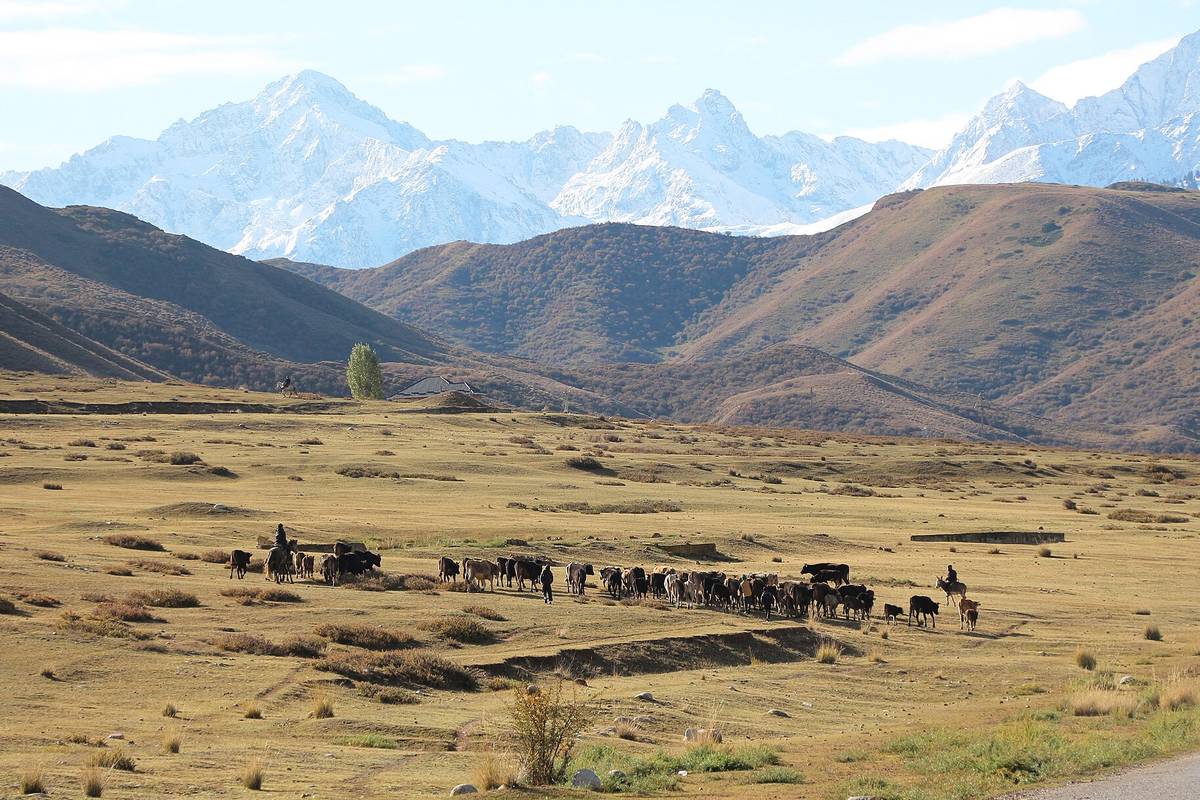
There is a peculiar ease that settles over travelers who spend time in Kyrgyzstan's mountain regions. The vast, open landscapes of the Tian Shan range, stretching across more than 2,500 kilometers from Uzbekistan to China, feel less like a foreign destination and more like a return to something deeply familiar. The air is crisp and clean, the horizons unbroken by billboards or high-rises, and the silence is punctuated only by the sound of wind across alpine meadows. For many, this is the quiet definition of where to feel home in Kyrgyzstan.
What truly transforms these landscapes into a place of belonging is the hospitality of the nomadic herders who have lived here for centuries. Walking into a yurt in the red-rock valley or beside the shores of Song Kul lake, travelers are greeted with warm tea, fresh bread, and fermented mare's milk without any expectation of payment. The custom of konok, or guest reception, is woven into daily life. Strangers become friends over shared meals, and the simplicity of this human connection dissolves the distance between visitor and local.
This guide is designed to help travelers find those specific Kyrgyzstan mountain regions and passes where the sense of home emerges most naturally. From the red sandstone cliffs to the sweeping pastures of Song Kul, from the wooded trails around Karakol mountains to the high-altitude passes of the Alay range, each location offers a different texture of belonging. Whether you are a first-time trekker or a seasoned mountaineer, this Tian Shan travel guide will point you toward the best valleys Kyrgyzstan has to offer, where the mountains do not just impress you but welcome you.
Karakol and the Tian Shan Heartland
Karakol: Basecamp for Mountain Adventures
Karakol town, founded in 1869 as a Russian settlement, sits at the eastern edge of the Tian Shan and is the main gateway for trekkers heading into the high peaks. Its Saturday market, where herders trade livestock, offers a direct link to the region's nomadic culture. The mix of wooden architecture and Soviet-era buildings gives the town a distinctive frontier character.
From Karakol, travelers can reach some of Kyrgyzstan's most celebrated alpine destinations. The turquoise Ala-Kul Lake, at 3,560 meters, is a three-day trek from the trailhead just thirty minutes away. The Jeti Oguz valley, known for its red sandstone cliffs, provides easy day hikes and stays in family-run guesthouses. For longer expeditions, the route to Song Kul Lake crosses sweeping summer pastures and yurt camps.
Karakol's walkable size and welcoming infrastructure make it a natural home base. After days on the trail, returning to guesthouses where hosts share meals creates an immediate sense of community. The town has reliable cafes, gear rentals, and bus connections to Bishkek and the border, making it a practical anchor for any Kyrgyzstan trip.
For those asking where to feel home in Kyrgyzstan, Karakol is the answer. It combines the raw beauty of the Tian Shan with the comfort of a small town. This balance makes it the essential starting point for exploring the best valleys of Kyrgyzstan, including the red-rock valley and the alpine lakes beyond.
Ala-Kul Lake and the Alpine Trails
Ala-Kul Lake is the crown jewel of the Karakol region, a turquoise alpine lake perched at 3,860 meters above sea level. The trek to reach it is one of the most demanding in Kyrgyzstan's mountain regions, typically requiring two to three days with a steep ascent over the Ala-Kul Pass. Many travelers who complete this route report that the difficulty itself becomes part of the payoff. The physical effort strips away daily distractions and forces a raw, present connection with the landscape.
The sense of accomplishment upon cresting the pass and seeing the lake unfold below is profound. Hikers often describe it as a moment of quiet triumph, where the immensity of the Tian Shan range makes personal worries feel small. This is where the feeling of home begins to emerge: not in familiarity, but in the deep resonance of having earned your place in a wild place.
The trail weaves through diverse terrain, from lush alpine meadows dotted with edelweiss to rocky scree slopes where marmots whistle. Each step builds a rhythm that aligns with the natural world. For those asking where to feel home in Kyrgyzstan, the Ala-Kul trek offers an answer: home is the moment you stop striving and simply belong to the path beneath your feet.
Guesthouses and Nomad Hospitality in the Karakol Region
The Karakol region is the gateway to some of Kyrgyzstan's most celebrated mountain landscapes, and the family-run guesthouses scattered through the Jeti-Oguz valley and the upper Karakol gorge are where travelers first discover what it means to feel at home in the Tian Shan. These are not commercial lodges but private homes where a spare bedroom, a warm stove, and a kitchen table become the center of the experience. Hosts typically speak a few words of English or Russian and rely on gesture and good humor to bridge the gap, which only deepens the connection.
Meals are shared affairs. Guests sit down to steaming bowls of beshbarmak (boiled meat and handmade noodles) or plates of manti dumplings, often served with fresh kefir from the family's cow. After dinner, over a cup of fermented kumys, the hosts unfold stories of the mountains: the legend of the forty maidens who gave Jeti-Oguz its name, the summer trek to alpine pastures, the sudden snowstorms that can trap a herd for days. These narratives transform a scenic landscape into a place with memory and meaning.
The warmth of this welcome is the single strongest reason why the Karakol mountains appear on nearly every list of where to feel home in Kyrgyzstan. Travelers who arrive as strangers leave as honorary family members, often with a bag of dried fruit and an invitation to return. For many, the guesthouse becomes the anchor of their entire trip, a base from which to explore the best valleys Kyrgyzstan offers, from the red sandstone cliffs of Jeti-Oguz to the high passes of the Ala-Kul trek.
In a region where the distances are vast and the infrastructure can be rugged, these guesthouses provide more than a bed. They offer a lived connection to the nomadic culture of the Tian Shan, making the journey feel less like tourism and more like a visit to an old friend. That is the essence of the guesthouse's role: it turns a destination into a home.
Jeti Oguz: The Red Rock Valley
The Seven Bulls: Geology and Legend
The Jeti Oguz gorge, whose name translates from Kyrgyz as "seven bulls," is defined by a striking wall of deep red sandstone cliffs that rise dramatically from the valley floor. Local legend tells of seven proud bulls that once refused to help a village plow its fields; as punishment, they were turned to stone and anchored to the mountainside, their forms still visible in the seven distinct rock turrets. Geologists point to the region's iron-rich soil, which oxidizes over millennia to create the rust-colored hues that glow most intensely at sunrise and sunset.
For photographers, the Seven Bulls formation offers a rare composition: the contrast between the crimson cliffs and the green valley below, often dotted with grazing horses and yurts. The best vantage is from the main road between Karakol and the valley resort, where the entire ridge unfolds in a single frame. Many travelers find themselves lingering here longer than planned, drawn by a quiet sense of familiarity that is hard to name.
This valley evokes a feeling of home not through grandeur alone but through its intimate scale. Unlike the vast, windswept passes of Song Kul lake, this valley is a contained space where the mountains seem to wrap around you. Kyrgyz folklore reinforces this warmth: the legend of the bulls is a moral tale about community obligation, a theme that resonates deeply in a culture built on nomadic hospitality. For visitors seeking the best valleys Kyrgyzstan offers, this gorge delivers a rare blend of geological wonder and emotional grounding. It is a place where the landscape itself tells stories, and those stories make the Tian Shan feel less like a distant range and more like a place you have always known.
Trekking Routes in Jeti Oguz
The valley, just 28 kilometers west of Karakol, offers some of the most accessible and rewarding trekking in the Karakol mountains. Trails begin at the edge of the red sandstone gorge and climb through wide alpine meadows dotted with edelweiss and wild thyme. The most popular route follows the Jeti Oguz River toward the towering Seven Bulls rock formation, a cluster of seven rust-red cliffs that glow at sunset. Beyond the bulls, the trail opens onto a plateau where the snowy peaks of the Tian Shan range rise in the distance, contrasting sharply with the red earth underfoot. The colors shift from deep umber to pale gold as the day moves on, and the whole walk feels like a living landscape painting.
Along these trails, trekkers regularly encounter Kyrgyz nomads who move their yurts and herds between summer pastures. A common sight is a family of shepherds offering cups of fermented mare's milk, kumis, to passersby. These encounters are not staged; they are daily life. The warm hospitality and the shared appreciation for the land create a quiet sense of belonging. Many travelers report that sitting on a grassy slope here, watching a herder guide his horses across the meadow, is the moment they feel most at home in Kyrgyzstan's mountain regions.
The landscape fosters this feeling through its scale and simplicity. The valley is large enough to absorb the few visitors, so the silence is broken only by wind and the distant jingle of bells. There are no souvenir stalls or marked viewpoints; just a path and the open horizon. For anyone following a Tian Shan travel guide, this trekking area is often the highlight precisely because it makes the idea of feeling at home in Kyrgyzstan tangible. It is a place where the mountains feel less like a destination and more like a return.
Living with Nomads in the Jeti Oguz Region
The summer jailoo (pasture) of Jeti-Oguz draws nomadic families from the lowlands each June, when the snowmelt turns the valley into a carpet of wildflowers and the air carries the scent of wormwood and horse sweat. Travelers who stay in a yurt camp here, rather than a hotel, step into a rhythm shaped by livestock and sunlight. The round felt dwellings, called boz ui, are furnished with hand-embroidered shyrdaks and stacked quilts, heated by a metal stove that burns dried dung cakes. A typical family might have 30 to 50 sheep, a dozen horses, and a few cows, all moved daily to fresh grazing.
Guests are invited to participate in the daily cycle: milking mares at dawn to make kumis (fermented horse milk), churning butter under a canvas awning, or helping to gather the animals before dusk. Meals are communal affairs, eaten seated on cushions around a low table. The staple is beshbarmak, boiled mutton served over flat noodles, eaten with the hands. The host always offers the choicest piece of meat, often the sheep's head, as a gesture of respect. Refusing it would be rude; accepting cements your place in the household.
This is where Kyrgyzstan mountain regions reveal their deepest warmth. The families do not treat guests as tourists but as temporary members of the community. Children tug your sleeve to see their favorite lamb; elders teach you how to wrap a kalpak hat correctly. The sense of home is not manufactured; it emerges from the genuine hospitality of people who have lived this way for generations. For anyone seeking where to feel home Kyrgyzstan, Jeti-Oguz's nomadic yurts offer an answer that no hotel or lodge can match.
Song Kul: The Lake of Nomadic Dreams
Reaching Song Kul: A Journey Through the Mountains
Reaching Song Kul lake requires crossing some of Kyrgyzstan's most remote mountain regions. The two primary access routes both climb above 3,000 meters: the northern approach from Kochkor crosses the Kalmak-Ashuu pass (3,446 m), while the southern route from Naryn traverses the Moldo-Ashuu pass (3,100 m). Either way, the journey is a lesson in alpine transformation.
The landscape shifts dramatically as you ascend. Lush river valleys give way to scree slopes and patches of lingering snow, even in July. At the pass crest, the air thins and the temperature drops, but the panorama opens onto rolling green ridges that stretch to the horizon. Then comes the moment where to feel home Kyrgyzstan becomes tangible: the descent into the vast, treeless basin of Song Kul.
The lake itself appears as a shimmering blue oval ringed by distant peaks. Yurt camps dot the shoreline, and horses graze freely. This is a place where travelers often report a profound sense of arrival, a quiet belonging that explains why this is one of the best valleys Kyrgyzstan offers for nomadic immersion. The 40-kilometer gravel road from the pass to the lakeside takes another hour, but the anticipation only deepens as the lake grows larger with every bend.
Life on the Jailoo: Summer Pastures and Yurt Camps
Song Kul lake sits at 3,016 meters on a rolling plateau in the Tian Shan, surrounded by the jailoo, the summer pastures where Kyrgyz herders have lived for centuries. From June to September, families move their livestock up to these lush alpine meadows. Near the lake's southern shore, herds of horses, sheep, and yaks graze freely, their bells chiming in the thin air. This is one of the best valleys Kyrgyzstan offers for witnessing a nomadic rhythm that has barely changed in generations.
Visitors experience this lifestyle by staying in yurt camps dotted around the lake. A typical family yurt is furnished with felt rugs, shirdak patterned mats, and low tables. Meals revolve around dairy: fresh kurut (dried yogurt balls), tangy kumis (fermented mare's milk), and beshbarmak, the national dish of boiled meat and noodles served on a communal platter. Herders invite guests to help with milking or to try their hand at churning butter. The food is simple, filling, and deeply tied to the land.
The true draw of Song Kul is how it pulls you into the daily cycle of pastoral life. You wake to the sun warming the valley, watch herders drive their horses to the water, and spend the afternoon walking the hills or riding a gentle mare along the shore. Evenings gather around the yurt's hearth, sharing stories as the sky darkens. Travelers who come here searching for where to feel home Kyrgyzstan often find it in this unhurried pace, a belonging that comes not from touring, but from living, even briefly, the jailoo way.
The Sense of Belonging at Song Kul
Arriving at Song Kul lake, travelers often describe a quiet sense of recognition that has little to do with scenery and everything to do with feeling. The lake sits at 3,016 meters, ringed by rolling green hills and the occasional flash of a white yurt. In Kyrgyzstan's mountain regions, where to feel home can be an elusive question; here, it answers itself. The openness of the landscape, the unhurried rhythm of nomadic life, and the absence of any fixed schedule dissolve the usual travel anxiety. Visitors report that within hours, the lake feels less like a destination and more like a place they have always known.
Evenings at Song Kul are communal by design. Families running the yurt camps gather travelers around a single long table for plov and fresh bread, then move outside as the sky darkens. The lack of artificial light transforms the night into a spectacle: the Milky Way arcs across the entire dome, and the silence between conversations is thick enough to hear. Stargazing becomes a shared ritual, and strangers often find themselves talking late into the night about things they rarely discuss at home. For anyone following a Tian Shan travel guide, this is the kind of experience that turns a route into a memory.
The tranquility of the lake also fosters a deeper connection to nature. There are no motorboats, no souvenir stalls, and very few other travelers. The only sounds are the wind moving across the grass, the occasional call of a horse, and the murmur of voices from a nearby yurt. Visitors often spend entire afternoons sitting by the shore, watching the light shift across the water. This simplicity, combined with the genuine warmth of the nomadic families who welcome strangers into their homes, makes Song Kul one of the best valleys Kyrgyzstan has to offer for anyone seeking a sense of belonging.
The High Passes: Connecting People and Places
Tash Rabat: A Caravanserai in the Mountains
Tucked into a remote valley at 3,200 meters, Tash Rabat is one of the best-preserved stone caravanserais on the ancient Silk Road. Built in the 15th century and possibly earlier, this rectangular stone structure with 30 rooms once sheltered merchants, pilgrims, and diplomats traveling between Kashgar and the Fergana Valley. Its thick walls and domed ceilings provided a rare refuge against the brutal winds and snow that sweep through these Kyrgyzstan mountain regions for much of the year.
For those who reach it, a three-hour drive from Naryn along a rough dirt track, the caravanserai still radiates the same quiet hospitality it offered centuries ago. Travelers who pause here often describe a profound sense of shelter, as if the building itself remembers the conversations of traders who bedded down with their camels, sharing news from distant cities. The stone floors, worn smooth by countless footsteps, hold the memory of cooks, weavers, and storytellers who passed through this solitary waystation.
This ancient shelter is a compelling answer to the question of where to feel home in Kyrgyzstan, not in a modern guesthouse, but in the very stones that once offered safety to strangers. For anyone traveling this region, a night at Tash Rabat transforms a mountain crossing into a connection across centuries. It is a reminder that, in the high passes, home has always been a place where travelers are welcomed.
The Torugart Pass: Gateway to China
At 3,752 meters above sea level, the Torugart Pass is one of the highest road crossings in the Tian Shan range. This historic trade route, used for centuries by Silk Road caravans, now serves as a border crossing between Kyrgyzstan and China. Its stark, windswept landscape of bare rock, low grasses, and endless sky offers a raw beauty that appeals to travelers seeking adventure. The thin air and extreme isolation make every crossing an event, a physical and mental challenge that rewards those who make the journey. For anyone following a Tian Shan travel guide, the Torugart Pass is a defining feature of the region's high-altitude traverses.
Beyond its physical presence, the pass connects cultures. Merchants, nomads, and now modern travelers have crossed here, exchanging goods, stories, and traditions. The shared experience of navigating this high-altitude corridor creates a bond between the traveler and the land. It is a place where the concept of "where to feel home Kyrgyzstan" becomes tangible. The rugged terrain, the hospitality of border guards and local drivers, and the sense of history all contribute to a feeling of belonging. The pass is a threshold between two worlds, and crossing it leaves a lasting impression that lingers long after the journey ends.
Crossing the Torugart Pass deepens a connection with the landscape. The slow, deliberate pace required at such altitude forces travelers to be present, to observe the subtle shifts in light and terrain. The camaraderie among fellow travelers, often strangers before the crossing, mirrors the communal spirit of the nomadic cultures that have thrived in best valleys Kyrgyzstan like the Alay and the nearby Kara-Kulja. For those planning a trip, a thorough travel Kyrgyzstan guide will outline the necessary permits and logistics, but the emotional reward of accomplishment and the bond formed with the land is something no guidebook can fully capture.
Valleys and Villages Along the Passes
As travelers cross the high passes of Kyrgyzstan, they descend into valleys that cradle some of the most welcoming settlements in the Tian Shan range. These are not tourist hubs but working villages where life has followed the same rhythms for generations. Places like the red-rock valley, with its sandstone cliffs and alpine meadows, or the shores of Song Kul Lake, where shepherds bring their flocks in summer, offer a glimpse into a world that remains deeply connected to the land. Here, the concept of where to feel home Kyrgyzstan becomes tangible.
Guesthouses run by local families dot these valleys, often the only accommodation for miles. A typical stay begins with a cup of tea and a plate of fresh bread, followed by a home-cooked meal of lagman or manti. The hosts share stories of the mountains, pointing out peaks their grandparents climbed and naming the wild herbs that grow on the slopes. This is not staged hospitality but a genuine extension of the Kyrgyz tradition of welcoming strangers into the home.
- Jeti Oguz valley: known for its red rock formations and hot springs, a short drive from the Karakol mountains area
- Song Kul Lake: a high-altitude pasture with yurt stays and breathtaking starry skies, one of the best valleys Kyrgyzstan for a pastoral experience
- The villages around Karakol: access to alpine trails and a mix of Kyrgyz and Dungan cultures, ideal for any Tian Shan itinerary
Everyday gestures, like an extra blanket on a cold night or a bowl of kumis offered to a tired hiker, build the sense of belonging that makes this corner of Central Asia unforgettable. For those seeking a travel Kyrgyzstan guide that emphasizes genuine connection, the valleys along the passes deliver exactly that.
Embracing the Home Like Feel of Kyrgyzstan's Mountains
Each of these Kyrgyzstan mountain regions offers a distinct yet equally powerful sense of belonging. The red cliffs of Jeti Oguz cradle travelers in a valley that feels both ancient and intimate, while the high-altitude expanse of Song Kul lake invites a quiet connection with the nomadic rhythm of summer pastures. Around Karakol, the gateway to the Tian Shan, the mix of bustling market life and trails leading into alpine solitude creates a place where you can arrive as a stranger and leave as a friend.
What truly sets these landscapes apart is the hospitality woven into nomad culture. A shared bowl of kumis or a freshly baked bread in a yurt is not just a meal; it is an invitation into a family's world. The warmth of the people translates the unfamiliar into the familiar, turning the remote into a refuge. Whether you are trekking through the Ala Archa gorge or camping beside Song Kul, the locals regard you not as a tourist but as a guest.
To understand why these mountains feel like home, you must experience them firsthand. Travel Kyrgyzstan with an open itinerary and let the valleys guide you. Stay in a felt yurt, ride a horse across the steppe, and listen to the wind carry stories from the peaks. The Tian Shan does not just show you its beauty; it invites you to belong. That is the quiet magic of this place: the mountains do not just welcome you, they make you feel as if you have always been there.
Official sources
Details worth verifying before you go — checked against:
Travel Writer & Editor
Emily Johnson writes and edits Do Travel Blog. Every guide on the site starts the same way: with a question she actually had while planning — when to book, which pass to buy, how to get from A to B without overpaying. Where a number matters, she cites the source: park tickets link to the park's own fee page, visa rules to the official consulate, ferry times to the operator. Prices get re-checked against those pages before each update, and a guide is re-dated when its numbers move. Nothing here is sponsored — she doesn't accept payment for coverage. Spotted something stale or wrong? Email hello@dotravel.blog and she'll fix it.