Mountain Hiking Packing List: Gear from a Nepal Trek
A complete mountain hiking packing list from a Nepal trek: gear, clothing, boots, sleeping bag, stove, first aid, and navigation essentials for multi-day mountain hikes.
Why This Packing List Works for Any Multi-Day Mountain Hike
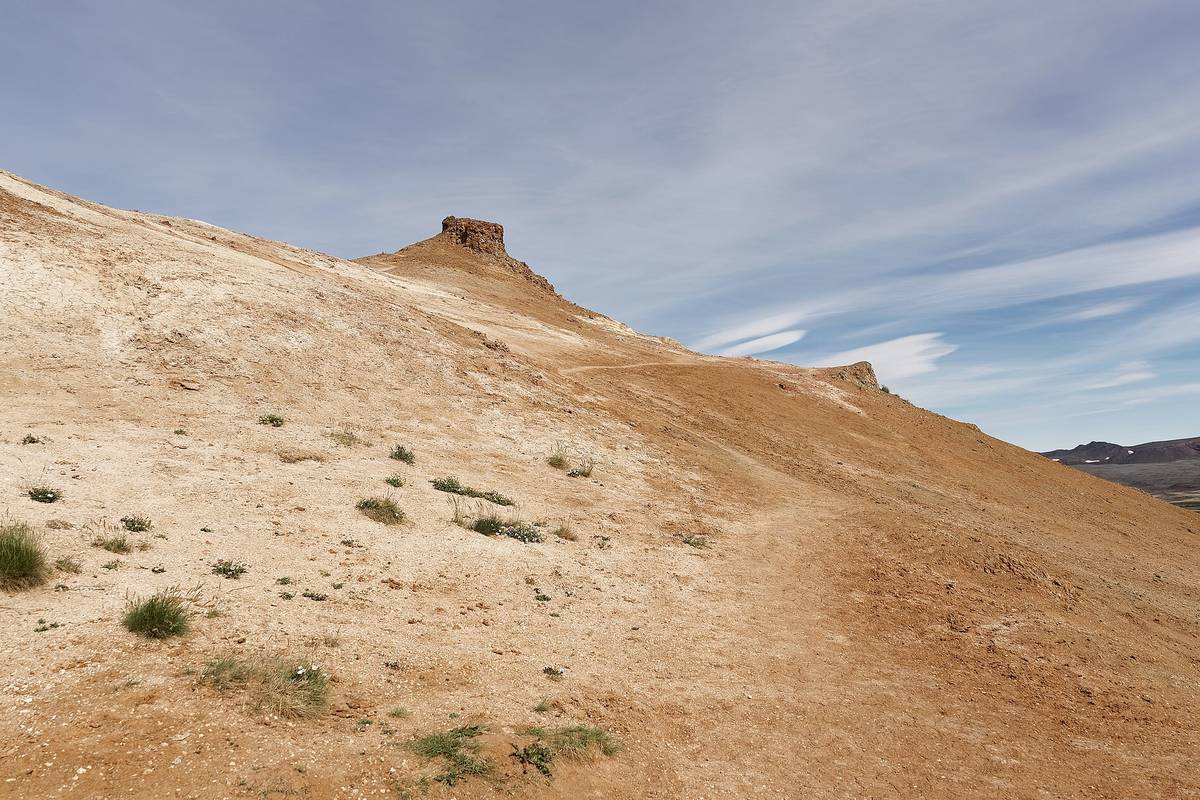
This mountain hiking packing list comes from firsthand experience trekking the Annapurna Circuit in Nepal, a 200-kilometer route that climbs from 800 meters to 5,416 meters at Thorong La Pass. The gear faced sub-zero nights, intense sun, monsoon rain, and high-altitude winds. Only items that held up in those extremes made the cut.
What works in Nepal works in other mountain ranges. The same hiking clothing layers - a merino base, a fleece mid-layer, and a waterproof shell - handle the Rockies, the Alps, or the Andes just as well. A sleeping bag rated to -5 degrees Celsius performs similarly in the Sierra Nevada. Trekking poles, a reliable hiking stove, and a comprehensive first aid kit are universal tools for any multi-day hike. The boots you break in on Nepali trails will serve you on any trail.
This article covers every essential: clothing layers, footwear advice, sleep systems, cooking gear, navigation, hydration, and safety. Each section includes specific product recommendations, weight notes, and packing tips. By the end, you will have a complete mountain trekking gear checklist that answers what to pack for hiking in mountains, regardless of destination.
Clothing: The Layering System
Base Layer: Managing Moisture and Temperature
The base layer sits directly against the skin and is the most critical piece of the layering system. On a multi-day Nepal trek, this layer manages moisture and temperature, keeping you dry during steep climbs and warm at high-altitude rest stops. The choice between merino wool and synthetic fabric is the first decision to make when building your list.
Merino wool offers natural odor resistance, excellent insulation even when damp, and a soft feel against the skin. It is ideal for multi-day hikes where washing is rare, but it dries slowly and is more expensive. Synthetics like polyester or nylon dry quickly, are durable, and cost less, but they retain odors after a few days and provide less warmth when wet. For a Nepal trek, many experienced hikers carry a merino base layer for sleeping and a synthetic top for high-output hiking days.
Cotton is strictly forbidden in the mountains. It absorbs moisture, loses insulation when wet, and takes hours to dry, putting you at risk of hypothermia even in moderate conditions. This is a non-negotiable rule.
Recommended brands include Icebreaker and Smartwool for merino, and Patagonia Capilene or Rab for synthetic. For weight, choose lightweight (150 g/m²) for active hiking and midweight (200-250 g/m²) for cooler conditions or sleeping. A lightweight merino top and a synthetic bottom cover most Nepal trekking conditions without adding unnecessary bulk to your backpack packing list.
Mid Layer: Insulation for Cold and Variable Conditions
The mid layer traps body heat and forms the core of any effective three-layer system. On a Nepal trek, where temperatures can swing from 15°C on a sunny trail to -5°C at a high camp, choosing the right insulation matters. Fleece is breathable and dries quickly, making it ideal for active hiking in cold, dry conditions. Down offers the best warmth-to-weight ratio: an 800-fill down jacket packs down to the size of a water bottle and weighs around 300 grams, but loses its insulating power when wet. Synthetic insulation, such as Primaloft, retains heat even when damp and is a safer choice for rainy seasons or high-exertion days where sweat is a factor.
For a multi-day hike, most trekkers carry two mid layers: a lightweight fleece for the trail and a down puffy for camp and summit mornings. The fleece (e.g., a 200-weight Patagonia R1) works well under a shell while moving, while the down jacket is saved for rest stops and the final push to a peak. This combination covers the variable conditions of a multi-day trek without adding unnecessary weight.
When packing a lightweight puffy, look for a hooded design that fits over your fleece and under your shell. A 300-gram down jacket is a staple of any gear list for its versatility. It is the piece you reach for when the wind picks up at 4,000 meters or when you sit down for dinner at a teahouse and the temperature drops. Knowing your priorities means putting this single item ahead of bulkier alternatives.
Outer Layer: Shell Jacket and Pants for Rain and Wind
For any multi-day hike packing list, the outer shell is your final defense against the sudden downpours and wind gusts that define mountain weather. A Nepal gear list must prioritize a jacket that balances waterproofing, windproofing, and breathability. A fully waterproof membrane (e.g., Gore-Tex or eVent) with a 10,000mm hydrostatic head minimum keeps rain out, but without breathability you will soak yourself from the inside with sweat. On cold, windy ridgelines, windproofing alone may suffice, but for alpine conditions a waterproof shell is non-negotiable. Look for a jacket with a rating of at least 15,000 g/m²/24h breathability to avoid that clammy feeling during ascent.
Key features separate a functional shell from a frustrating one. Pit zips (underarm vents) let you dump heat without stopping to remove layers. An adjustable hood that fits over a helmet or a beanie should have a stiffened brim to keep rain off your face. A durable water repellent (DWR) finish is essential for the outer fabric to bead water rather than wet out; reapply it every season with a spray-on or wash-in treatment. When choosing a shell, test the zippers: waterproof zippers on chest pockets keep your phone and map dry, while a two-way front zipper allows access to a harness or belt pockets.
Rain pants are often overlooked, yet they are critical for multi-day trips in exposed terrain. They save you from the misery of wet trousers in cold wind and act as a wind barrier above treeline. The best models have full-length side zips so you can pull them on over hiking boots without removing your footwear. Look for articulated knees and a reinforced seat, especially if you will be scrambling or sitting on damp rock. A relaxed fit over your hiking pants allows air circulation and prevents restriction. For Nepal conditions, lightweight rain pants around 200-300 grams are ideal; they pack small and deploy fast when the weather turns.
Footwear and Socks
Hiking Boots: Fit, Break-In, and Traction
For a multi-day trek, the boot versus trail runner decision is the first fork in the road. On rocky, uneven trails common in Nepal, a sturdy hiking boot provides the ankle support and underfoot protection that a lightweight trail runner lacks. A boot with a full rubber rand and a Vibram outsole featuring 4-5mm lugs delivers reliable traction on loose scree and wet sandstone. Waterproof membranes like Gore-Tex keep feet dry during stream crossings and afternoon downpours, though they trade some breathability. If you expect sustained snow or mud, a waterproof boot is non-negotiable.
The break-in period is often overlooked in a mountain hiking packing list. Budget at least two weeks of daily wear before your trip. Put on the boots with the exact socks you plan to use on the trail (typically a medium-weight merino blend) and walk on varied surfaces. To test fit, stand on a slope: your toes should not slide forward. With packed socks, you should have a thumb's width between your longest toe and the boot's end. Heel slip is a red flag that can lead to blisters on a multi-day hike. Many Nepal trekking gear outfitters recommend a half-size up to accommodate foot swelling at altitude.
Traction is equally critical. Look for a boot with a deep, multi-directional lug pattern (at least 4mm depth) and a pronounced heel brake for descending. Pair them with gaiters to keep scree and pebbles out, and your feet will thank you mile after mile.
Socks, Gaiters, and Foot Care
A reliable sock system starts with a thin liner sock against your skin - silk or synthetic materials work best. Over that, a midweight merino wool sock (like Smartwool or Darn Vermont) provides cushioning and moisture management. This two-layer setup reduces friction and helps prevent blisters, a common issue on multi-day hikes. On Nepal's trails, where you might walk for eight hours straight, changing socks at lunch is a simple habit that keeps feet dry and comfortable.
Gaiters are an underrated but essential item. They seal the gap between your boot and pant leg, keeping mud, snow, and scree out of your boots. Lightweight models like the Outdoor Research Crocodile or Black Diamond Frontpoint are durable and breathable. On the Annapurna Circuit, I saw hikers without gaiters stopping every few minutes to empty pebbles from their boots - a preventable annoyance.
A daily foot care routine is non-negotiable on a multi-day trek. At camp, wash your feet, dry them thoroughly (especially between toes), and apply foot powder. Check for hot spots and cover them with moleskin or leukotape before they become blisters. This five-minute ritual, repeated every evening, can make the difference between finishing your trek in comfort or hobbling to the finish line.
Backpack and Sleeping System
Choosing the Right Backpack (50-70L) for Multi-Day Hikes
Choosing the right backpack is one of the most important decisions in any mountain hiking packing list. On a multi-day trek like the Annapurna Circuit in Nepal, your pack will be your home on your back for two weeks. The wrong choice can turn a beautiful hike into a painful ordeal. When building your checklist, start with the capacity: 50 liters works for short weekend trips, but for anything longer than three days, aim for 60 to 70 liters. A 65-liter pack is the sweet spot for most trekkers, giving you room for a sleeping bag, clothing layers, stove, and food without forcing you to strap items to the outside.
Fit matters far more than brand. A pack that does not fit your torso length will chafe and throw off your balance. Look for an internal frame with a load adjusting system that lets you shift weight between your hips and shoulders. The hip belt is the key: it should wrap around your iliac crests, with the padded wings sitting on top of your hip bones, not above them. On steep ascents, a well adjusted hip belt transfers 70 to 80 percent of the weight to your legs, saving your shoulders. Adjustable torso length (often via a Velcro ladder) is essential for dialing in the fit before you head out.
Organizational features add convenience. Look for a top lid pocket with a key clip for sunglasses, sunscreen, and your phone. Side pockets made of stretch mesh are ideal for water bottles or a map; you can reach them without taking the pack off. A hydration sleeve with a port for the hose makes it easy to drink on the move. Many trekking packs also include a bottom sleeping bag compartment with a zippered divider, which keeps your sleeping bag separate from the rest of your gear. These small details make a big difference when you are living out of your pack for days on end.
Sleeping Bag and Sleep Pad: Warmth and Comfort
For a multi-day Nepal trek, your sleeping bag's temperature rating is the first decision. Look at the comfort rating, not the limit rating: a 20-degree Fahrenheit (comfort) bag works for spring and autumn, while winter treks demand a 0-degree bag. Down fill (700-800 power) is lighter and more compressible than synthetic, making it the top choice when every ounce matters. Synthetic fill is bulkier but retains insulation when wet, useful in humid conditions like the Annapurna foothills. Always store the bag in a waterproof compression sack.
A sleep pad's R-value measures resistance to ground heat loss. For cold mountain camps, aim for R-value 4.5 or higher. Inflatable pads offer superior comfort and pack down small, but a puncture can ruin a night's sleep. Closed-cell foam pads are heavier but never fail, making them a reliable backup. For a complete sleep system, pair an inflatable pad with a thin foam pad for added warmth and puncture insurance. This combination keeps you warm and rested, ready for the next day's climb.
Cooking and Hydration
Stove, Fuel, and Cookware for the Trail
When assembling your kit, the stove choice is critical. Canister stoves using isobutane-propane blends are lightweight and convenient but lose efficiency above 3,000 meters. On the Annapurna Circuit, a canister stove struggled to boil water at 4,500 meters, making liquid fuel stoves a more reliable choice for high-altitude treks. The MSR WhisperLite Universal performs well in cold conditions because the fuel can be pressurized, maintaining consistent output even at -20°C. This versatility makes it a staple in any kit.
Essential cookware includes a 1.3-liter titanium pot, a long-handled spoon, and a plastic mug. Titanium is lightweight and conducts heat efficiently, ideal for multi-day hike packing. A Lexan spoon avoids scratching cookware, and a plastic mug with a lid helps conserve heat for tea or soup. These items are small but crucial additions to any backpack packing list for mountain hiking.
Fuel canister safety is often overlooked. Store canisters away from food and cooking areas, and keep them upright to prevent leaks. Check for leaks before each use. In cold weather, warm the canister in your sleeping bag before cooking, but never in direct sunlight or near a heat source. Dispose of empty canisters responsibly at designated collection points in Nepal, as they cannot be recycled in the mountains.
Water Purification: Filters, Tablets, and Boiling
Water purification is a non-negotiable item on any mountain hiking packing list. On a Nepal trek, you will encounter clear glacial streams, village taps, and lodge water tanks. While the sources look clean, giardia and other pathogens are common. The method you choose depends on water clarity, available time, and how much fuel you want to carry. For a typical multi-day hike packing list, a combination of two methods is safest.
Filtering with a physical barrier removes protozoa and bacteria, making it ideal for cloudy water. Boiling kills everything but requires fuel and a pot, so it works best as a fallback at camp when you are already cooking. Chemical treatment (tablets or drops) inactivates viruses but works slowly in cold water and leaves a taste. On the Annapurna Circuit, many trekkers filter during the day and treat or boil in the evening. The key is matching the method to the water source and your schedule.
The most popular filter types are squeeze, pump, and gravity. The Sawyer Squeeze is a lightweight favorite among fast hikers: it threads onto a standard water bottle and filters quickly. Katadyn BeFree uses a similar squeeze design. Pump filters like the MSR MiniWorks are durable but heavier and better suited for basecamps. Gravity filters, such as the Platypus GravityWorks, shine for groups of three or more because they process large volumes with minimal effort. For solo trekkers, a squeeze filter is the most practical choice.
Backup methods include chemical tablets and UV pens. Aquatabs (chlorine dioxide) are ultralight and simply require a 30-minute wait. Iodine is cheaper but leaves a strong aftertaste and is not recommended for long-term use. UV pens like the SteriPEN kill pathogens in under a minute but require batteries and clear water. For reliable purification, carry a squeeze filter as your primary and a pack of Aquatabs as backup. This combination covers every scenario without adding unnecessary weight.
Navigation and Safety
Navigation Tools: Map, Compass, GPS, and Apps
A paper map and compass remain the non-negotiable foundation of any mountain hiking packing list, even in the age of smartphones. On trails like Nepal's Annapurna Circuit, signage can be sparse or nonexistent, and GPS signals often fail in deep valleys. Knowing how to take a bearing and read contour lines is a skill that can prevent a wrong turn from becoming a serious ordeal. Pack a waterproof map of the region and a baseplate compass; practice with both before you leave.
For digital backup, a dedicated GPS device such as the Garmin inReach Mini 2 provides reliable satellite navigation and an SOS function, which is invaluable on remote Himalayan routes. Alternatively, a smartphone loaded with offline maps using apps like Gaia GPS, AllTrails, or Maps.me works well when you can keep it charged. Download the full topo map of your trek at home so you are not reliant on cell service.
Battery management is critical on a multi-day hike. Include a 10,000mAh or 20,000mAh power bank; in Nepal, teahouse charging often costs a small fee and may be unreliable. A small foldable solar panel (e.g., 10W) can top up your bank during long days on exposed ridges, though it is less effective in forested or gorge sections. A comprehensive gear list always accounts for power reserves to keep your navigation tools running.
Emergency Gear: Personal Locator Beacon and Repair Kit
Even the most carefully planned multi-day hike can turn into a survival situation when an unexpected injury or wrong turn strands you after dark. Emergency gear is not optional on a Nepal trek. It is the layer that turns a bad moment into a manageable one. Two items top this list: a personal locator beacon (PLB) or a satellite messenger, and a basic repair kit.
A PLB, such as the ResQLink View, sends a one-way distress signal to search-and-rescue authorities via a dedicated satellite network with no subscription fee. A satellite messenger like the Garmin inReach Mini 2 or Zoleo offers two-way messaging, location sharing, and weather forecasts, all of which require a monthly plan. For a mountain kit, the messenger wins because it lets you check in with family back home and adjust plans if trail conditions change. The inReach is the most common choice among Nepal trekkers for its reliable coverage in the Annapurna and Everest regions.
A basic repair kit weighs almost nothing and solves dozens of field problems. Pack these items:
- Duct tape (wrap a few feet around a water bottle or trekking pole)
- A heavy-duty needle and strong thread (for torn backpack straps or clothing)
- 3 feet of lightweight cord (paracord or 2mm dyneema)
- Gear patches (Tenacious Tape or a small patch kit for sleeping pads and tents)
For emergency shelter, carry a bivvy bag (like the SOL Escape Bivvy) or two space blankets. A bivvy bag adds 250 grams to your backpack packing list but provides windproof, waterproof protection when you cannot pitch a tent. Space blankets are lighter and cheaper, but they tear easily and provide no insulation from the ground. If you carry a tent, include a pole splint or extra tent repair sleeves. These items are not just extras. They are essential where the weather can change from sunny to blizzard in an hour.
Every item on this list serves a purpose that justifies its weight. A PLB and repair kit are the difference between a story you tell and a rescue you need.
Health and First Aid
DIY First Aid Kit for Mountain Hiking
Building a DIY first aid kit is non-negotiable. Start with blister care: Compeed plasters and moleskin, since even well-broken-in boots cause hotspots. Add adhesive bandages, sterile gauze, medical tape, and antiseptic wipes. Include ibuprofen or paracetamol for headaches and muscle pain. These basics form the core of the kit.
Prescription medications need extra care. Keep them in original bottles with labels intact, plus a printed prescription or doctor's note. This is crucial when crossing borders on a Nepal trek. Store them in a waterproof pouch within easy reach of your daypack, not buried in your main bag. For more on trekking conditions, see common remote-travel mistakes.
Customize the kit for group size and trip length. For a solo 3-day hike, a small pouch with 10 antiseptic wipes and 6 bandages works. For a group of five on a 10-day trek, multiply: 20+ wipes, 30 bandages, two blister types, and elastic bandage. Add a SAM splint, tweezers, and for treks above 3,000 meters, consult your doctor about altitude medication. Tailor the kit to your route's specific risks.
Altitude Sickness, Hydration, and Personal Hygiene
Acute mountain sickness (AMS) can affect anyone above 2,500 meters, regardless of fitness. During a Nepal trek, symptoms like headache, nausea, and dizziness are common warning signs. Prevention starts with a slow ascent. The rule of thumb is not to gain more than 300 to 500 meters in sleeping altitude per day above 3,000 meters. Many trekkers also carry acetazolamide (Diamox) after consulting their doctor. A portable pulse oximeter helps monitor blood oxygen levels; numbers below 80% warrant rest or descent. Recognizing these symptoms early is essential for a safe multi-day hike, and it shapes what you pack.
Hydration becomes even more critical at altitude. The dry air and increased respiration lead to rapid fluid loss. Aim for 3 to 4 liters of water per day, more if you are sweating heavily. Electrolyte tablets (like Nuun or Hydralyte) replenish salts lost through breathing and exertion. Plain water alone is not enough. Avoid alcohol and caffeine, which dehydrate further. When deciding what to carry, a hydration bladder (2 to 3 liters) and a collapsible bottle for camp are practical choices. Filtering tablets or a SteriPEN ensure safe water from streams, a must for any trek.
Personal hygiene and waste management require careful planning to protect both health and the environment. A lightweight trowel (e.g., The Deuce) is essential for digging cat holes at least 200 feet from water sources. In fragile alpine zones where soil is thin, carry wag bags (waste bags with odor-seal) to pack out solid waste. Biodegradable wet wipes, hand sanitizer, and a small bottle of biodegradable soap complete the kit. A quick-dry towel and travel toothpaste are also worth including. These items are not just comfort; they are part of responsible trekking on any multi-day hike packing list.
Food, Sun Protection, and Accessories
Trail Food: Energy Bars, Meals, and Snacks
Every gram of food on a multi-day hike must justify its weight. The ideal trail food delivers at least 125 calories per ounce (4.4 calories per gram). Dehydrated meals hit this mark, weighing 100-150 grams and offering 400-600 calories. Fresh food like apples or sandwiches are heavy and spoil quickly, making them poor choices for extended mountain trips. When planning your trail food, prioritize calorie density over volume to keep your backpack manageable.
Dehydrated meals are the default for most trekkers because they are lightweight and shelf-stable. However, they can be expensive (up to $12 per meal) and often lack the taste and nutrition of real food. Many hikers in Nepal opt for a hybrid approach: carry a few dehydrated meals for wilderness sections and rely on teahouse meals like dal bhat for the rest. When cooking your own food, instant noodles, couscous, and instant mashed potatoes are lighter and cheaper alternatives that still provide adequate calories. For a complete mountain trekking gear checklist, include a lightweight stove and fuel canister to prepare these meals.
At high altitude, appetite typically drops, so every bite must count. Nuts, dried fruit, and chocolate are calorie-dense, resist spoilage, and provide essential nutrients. Almonds offer about 170 calories per ounce, dried apricots 80, and dark chocolate 150. A homemade trail mix combining these ingredients gives you a portable energy source that works even when you don't feel like eating a full meal. Packing a variety of such snacks ensures you can nibble throughout the day, maintaining energy levels on long ascents.
Sun Protection and Sunglasses
The sun at high altitude is unforgiving, and a reliable sunscreen is non-negotiable. On a Nepal trek, the combination of thin atmosphere and snow reflection can cause sunburn in minutes. Choose a broad-spectrum SPF 50+ sunscreen that is water-resistant (look for zinc oxide or titanium dioxide) and reapply it every two hours, especially after sweating. Equally important is a lip balm with SPF 30 or higher; cracked, sunburnt lips are painful and common above treeline. Both belong in your kit.
Sunglasses with side shields are essential for preventing snow blindness on glaciers and high passes. Standard fashion sunglasses let in too much peripheral light. Select wraparound or glacier-style glasses with category 3 or 4 lenses that block 100% of UV rays. Cheap polarized alternatives will not suffice at 5,000 meters. Many trekkers on the Annapurna Circuit learned this lesson the hard way.
A sun hat with a wide brim (at least 3 inches) protects your scalp, ears, and neck. Pair it with a lightweight buff that can be pulled up over the lower face when the wind picks up. Buffs are versatile: they also serve as a face mask against dust or a headband under a helmet. This trio of sun protection items is often overlooked in backpack packing lists, but it makes the difference between a comfortable summit day and a miserable, sunburned descent.
Trekking Poles, Headlamp, and Other Must-Have Accessories
Trekking poles are one of the most underrated items on any gear list. On a Nepal trek, where you might descend 2,000 meters in a day on loose stone, a good pair of poles reduces knee strain by up to 25% and improves balance on narrow ridgelines. They also double as tent poles for a tarp or a quick shelter, which is useful when you need to pitch in a sudden afternoon hailstorm. Look for collapsible, three-section poles with cork grips (they don't freeze in cold hands) and flick-lock mechanisms that you can adjust without tools.
A headlamp is non-negotiable for any multi-day hike. On the Annapurna Circuit, you will likely start pre-dawn hikes to reach passes before the wind picks up. Choose a headlamp with at least 200 lumens, a battery life of 50 hours on low mode, and a red-light mode. The red mode preserves your night vision when you are reading trail signs or cooking inside the tent, and it keeps you from blinding your tent mate. Carry spare batteries or a rechargeable model with a power bank, because cold temperatures sap battery life faster than you expect.
Small items that are easy to forget can make or break a trek. The small items matter too: a lightweight fleece beanie (not cotton), a sun hat with a wide brim, and a pair of liner gloves under a waterproof shell. A buff or neck gaiter protects your face from wind and dust. Add a small whistle attached to your pack strap, a mini sewing kit, and a pack of wet wipes for quick cleanups. A repair kit with a few cable ties and duct tape wrapped around a pencil handles broken zippers and torn pack straps. These accessories add less than 200 grams total but solve problems that would otherwise end a day early.
Bottom Line: Pack Smart, Hike Confident
This mountain hiking packing list, built from a Nepal trek, organizes essentials into five core categories: clothing layers, shelter and sleep, cooking and hydration, navigation and safety, and personal items. Each category plays a critical role. Proper base layers and insulation prevent hypothermia. A reliable sleeping bag and tent ensure restful recovery after long days. A lightweight stove and water filter let you stay fueled and hydrated without relying on unreliable sources. Navigation tools and a first aid kit keep you oriented and safe. Together, they form a system that supports comfort, safety, and endurance on multi-day hikes.
Before any serious trek, test every piece of gear at home or on a short day hike. Break in hiking boots over at least 20 miles to avoid blisters. Practice setting up your tent in the dark. Cook a meal on your stove to confirm it works. These small checks reveal problems before they become emergencies on the trail. A Nepal trekking gear checklist is only useful if you know your equipment works under real conditions.
A lighter pack is a safer pack. Every extra pound multiplies fatigue, increases the risk of falls, and slows your pace, which can leave you exposed to afternoon storms or fading daylight. Aim for a total pack weight of 20-25 pounds (9-11 kg) including food and water for a multi-day hike. This means making hard choices: leave the camping chair, the extra camera lens, and the second pair of jeans at home. Prioritize what you actually need. When you know what to pack for hiking in mountains, you can hike confidently, move efficiently, and enjoy the journey instead of just enduring it.
Official sources
Details worth verifying before you go — checked against:
Travel Writer & Editor
Emily Johnson writes and edits Do Travel Blog. Every guide on the site starts the same way: with a question she actually had while planning — when to book, which pass to buy, how to get from A to B without overpaying. Where a number matters, she cites the source: park tickets link to the park's own fee page, visa rules to the official consulate, ferry times to the operator. Prices get re-checked against those pages before each update, and a guide is re-dated when its numbers move. Nothing here is sponsored — she doesn't accept payment for coverage. Spotted something stale or wrong? Email hello@dotravel.blog and she'll fix it.