Tokyo Monthly Rentals and Share Houses Guide
Discover how to secure a Tokyo monthly rental or share house. Skip expensive hotels with this complete guide to budget extended stay lodging in Japan.
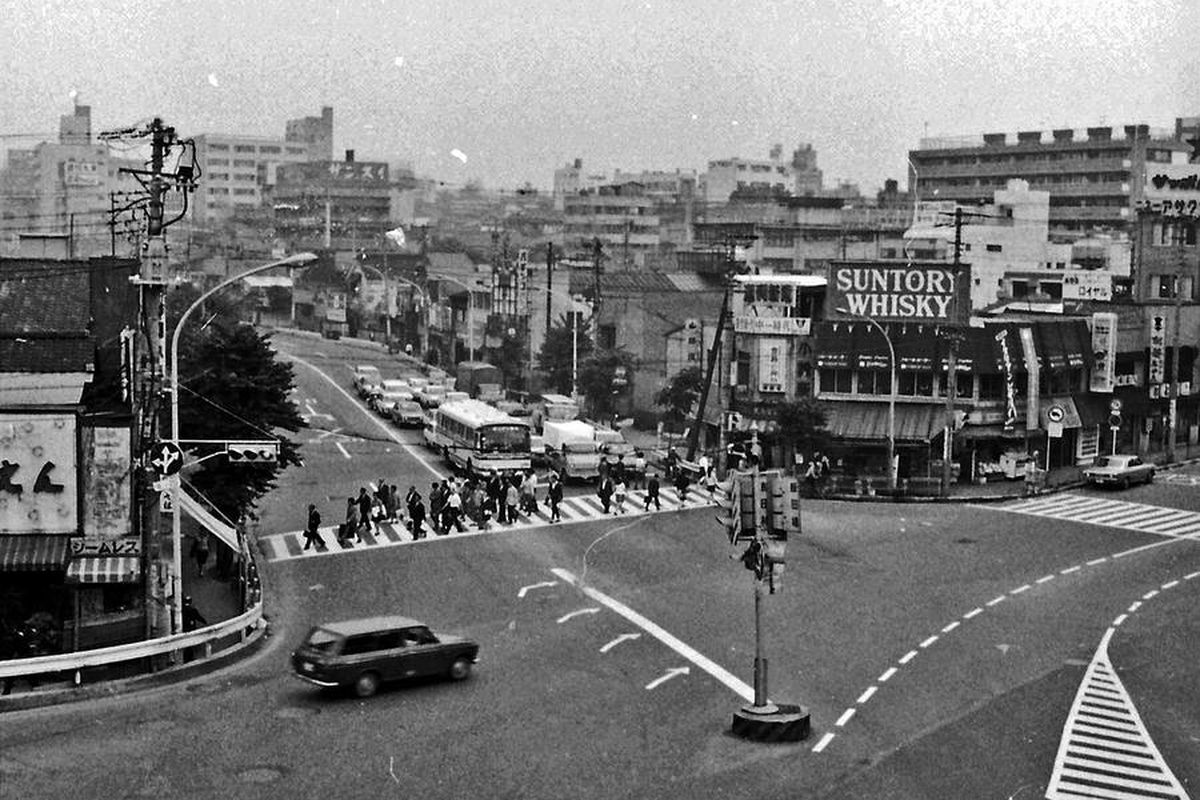
Tokyo Long-Term Lodging Overview
Finding Budget Extended Stay Housing in Tokyo
Daily rates for Tokyo hotels and capsule rooms quickly drain travel budgets. A basic capsule hotel costs 3,000 to 6,000 yen per night, and mid-range hotels exceed 15,000 yen daily. These expenses accumulate rapidly over a month, making tourist accommodation financially unsustainable for stays lasting several weeks or months.
Digital nomads, slow travellers, and remote workers staying in Japan on tourist visas or working holiday visas require budget extended stay setups. Minimizing housing costs allows these visitors to allocate more resources toward local food markets, transport, and cultural experiences.
Securing a Tokyo monthly rental or a room in a Tokyo share house offers a practical solution. A monthly apartment Tokyo provides private, fully furnished spaces without the traditional setup fees, such as key money or agent commissions, typical of a standard short-term lease. Alternatively, a guesthouse monthly setup or a Tokyo sublet reduces costs further by offering shared kitchens and bathrooms. These managed properties make it easier for foreigners to rent without needing a local guarantor or complex paperwork.
This guide details the steps to secure these properties, comparing average monthly costs across neighborhoods like Shinjuku, Koenji, and Kichijoji. It outlines the booking processes, deposit requirements, utility setups, and contract terms needed to transition into local life. By understanding these options, travellers can avoid overpriced nightly rates and establish a stable base for exploring the city.
Tokyo Monthly Rental Options
Monthly Apartments
A monthly apartment Tokyo unit, often categorized alongside serviced apartments, provides a fully furnished residential solution for mid-term visitors. Unlike a traditional Japanese lease, which requires a guarantor, key money, and a two-year commitment, a Tokyo monthly rental operates on a simplified contract structure designed for stays ranging from thirty days to several months. Serviced apartments represent the higher end of this spectrum, offering hotel-like amenities such as regular linen changes, front desk services, and English-speaking support staff, while standard monthly units focus on providing a functional, self-contained living space.
These independent units are highly valued for their private amenities. Residents enjoy exclusive access to a fully equipped kitchenette, a private bathroom, and an in-unit washing machine, eliminating the need to use communal facilities or public laundromats. This setup makes them an ideal choice for long stay Tokyo lodging, allowing travelers to prepare meals at home using local ingredients from neighborhood supermarkets like Life or My Basket, which significantly reduces daily dining expenses during a long stay.
The primary demographic for these apartments consists of remote workers, business professionals, and slow travelers who prioritize complete privacy and independence. While a share house or a guesthouse monthly setup offers social interaction, it requires sharing kitchens and bathrooms. In contrast, those who choose a monthly apartment Tokyo option prefer to avoid shared chores and communal living. For those researching how to rent in Tokyo as a foreigner, these independent units offer a quiet retreat after a day of exploring the city. This setup is particularly appealing to those looking to lease short-term or find a reliable Tokyo sublet while maintaining a standard working routine from home.
Share Houses
A Tokyo share house, historically called a Gaijin house Tokyo, is a practical alternative to a standard monthly apartment Tokyo landlords lease. These properties provide private locked bedrooms while requiring residents to share main living areas. This layout works as a flexible monthly guesthouse, eliminating the strict guarantor rules and key money payments that usually apply to standard Japanese rentals. For travellers planning a long stay Tokyo lodging experience, it acts as a secure, managed Tokyo sublet option without the high upfront costs of a traditional apartment lease.
The main benefit of this housing style is the communal spaces. Residents share large kitchens stocked with cooking appliances, living rooms, and shower blocks, which keeps monthly utility costs low. Beyond saving money, the social structure is a major draw for those on a budget extended stay. Large operators like Oakhouse and Borderless House host weekly dinners, language exchange nights, and local sightseeing outings. This setup helps solo travelers make friends quickly, turning a simple short-term lease into a supportive community. It is one of the most reliable ways to secure a Tokyo monthly rental while building a local network from day one.
Comparing Costs and Privacy
Renting a private monthly apartment in Tokyo costs between 120,000 and 220,000 JPY per month. This price includes utilities, internet, and furniture in central areas like Shinjuku or Shibuya. A share house is cheaper, with private rooms costing 60,000 to 90,000 JPY monthly. Tenants in share houses split utilities and maintenance fees, which lowers the initial cost compared to traditional leases.
Lower costs in a shared guesthouse mean less privacy. Private apartments give you your own space, but share houses require sharing kitchens, bathrooms, and laundry machines. Noise is common because thin walls in older wooden buildings let you hear footsteps and cooking. Remote workers who need quiet lodging to work may find the activity distracting, while social travelers often prefer the communal setup.
| Accommodation Type | Average Monthly Cost | Privacy Level | Best For |
|---|---|---|---|
| Private Apartment | 120,000 - 220,000 JPY | High | Remote workers, couples |
| Share House (Private Room) | 70,000 - 100,000 JPY | Medium | Budget travellers, solo socializers |
| Share House (Dormitory) | 40,000 - 60,000 JPY | Low | Ultra-budget backpackers |
The choice depends on your budget and daily routine. If you need quiet for work, a private monthly apartment in Tokyo fits best. If you want to save money and meet people, a share house works well. Compare these factors before booking a short lease.
Costs and Rental Contracts
Upfront Costs and Deposits
Securing a Tokyo monthly rental or a share house involves lower upfront costs than traditional Japanese residential leasing. Standard long-term apartments in Japan require key money (reikin), which is a non-refundable payment to the landlord, alongside agent commissions that increase initial expenses. For a budget extended stay, monthly apartment operators waive these fees. Instead, providers structure upfront costs around a refundable security deposit. This deposit typically equals one month of rent, though some guesthouse operators charge a flat deposit of 30,000 to 50,000 yen for a short-term contract.
When booking long stay Tokyo lodging, tenants must account for the mandatory cleaning fee deducted from the deposit upon departure. Rather than charging variable maintenance fees, most Tokyo sublet agencies specify a fixed cleaning deduction in the rental agreement. This fee ranges from 15,000 yen for a single room in a shared house to 35,000 yen for a private monthly studio apartment. The remaining balance of the deposit is returned via bank transfer or international payment platforms like PayPal within 30 days of move-out, provided the room has no damage beyond normal wear. Checking these deduction terms before signing ensures clear budgeting for the stay.
Paying these upfront fees requires a credit card or bank transfer prior to move-in. Unlike standard apartments that require a Japanese guarantor, monthly operators accept international credit cards, which simplifies the booking process for overseas arrivals.
Utilities and Extra Fees
Many share house and monthly rental agreements bundle water, gas, and electricity into a flat fee of 10,000 to 15,000 yen per month. These packages include usage caps to prevent waste.
If you run the air conditioning constantly during the humid summer or use heavy heating in winter, the apartment Tokyo operator will charge for the extra power. Landlords track this via individual room meters. Going over the kilowatt-hour limit adds a surcharge of 5,000 to 8,000 yen to the end-of-month bill.
Budget travelers also need to factor in bedding. Most operators do not provide sheets, pillows, or futons for free, charging a one-time linen fee of 5,000 to 12,000 yen instead. While fiber internet is usually included, some older sublets require renting a pocket Wi-Fi device for 3,000 to 5,000 yen a month. Checking these utility limits and extra fees before signing a short-term lease prevents surprise costs during your long stay Tokyo trip.
Monthly Rental Agreements in Japan
Securing a Tokyo monthly rental or a share house requires navigating Japan's specific rental laws. Most operators offering a monthly apartment Tokyo or a guesthouse utilize a fixed-term land and building lease contract, known locally as Teiki Chintai. Unlike standard Japanese residential leases that run for two years and automatically renew, these short-term agreements have a strict minimum stay of 30 days to comply with local lodging laws. This setup provides a reliable framework for an extended stay without the need for a local guarantor or key money.
The legal distinction between standard tenancies and temporary leases is critical for anyone seeking long stay Tokyo lodging. Under a Teiki Chintai contract, the tenancy terminates automatically at the end of the specified term. There is no unilateral right to renew. If a monthly contract needs to be extended, the tenant must sign an entirely new agreement, subject to availability and landlord approval. This differs from standard leases where landlords cannot easily refuse renewal.
Notice periods and early termination rules are also highly rigid under a short-term agreement. Most monthly providers require a 30-day written notice for move-out if the contract allows early termination at all. In many cases, if a tenant leaves before the contract end date, they remain liable for the rent of the remaining period. A Tokyo sublet might offer slightly more informal terms, but formal monthly contracts hold tenants strictly to the agreed dates unless a specific penalty clause is executed.
Share House Brands and Neighborhoods
Major Tokyo Share House Operators
Finding a Tokyo share house requires matching the community style with the language support you need. Oakhouse is one of the largest operators, managing over 250 properties across the capital. They offer flexible terms for a budget extended stay, with online applications translated into English, French, Chinese, and Korean. Borderless House focuses on cultural exchange, maintaining a strict 50-50 ratio between Japanese natives and international residents. This setup helps foreigners rent Tokyo rooms while practicing language skills in a shared home.
For travelers seeking premium amenities, Social Apartment provides high-end alternatives to a standard monthly apartment. These properties feature lounges, co-working spaces, and billiard rooms, combining private rooms with large communal areas. While more expensive than a basic guesthouse, they bypass the traditional key money and guarantor requirements of a standard lease.
| Operator | Size (Rooms) | Primary Language Support | Best For |
|---|---|---|---|
| Oakhouse | 5,000+ | English, French, Chinese, Korean | Variety and ease of booking |
| Borderless House | 1,000+ | English, Korean, Japanese | Cultural exchange and language practice |
| Social Apartment | 3,000+ | English, Japanese | Premium amenities and co-working |
| GG House | 8,000+ | English, Chinese, Vietnamese | Budget rooms in residential hubs |
Smaller operators like GG House provide simple, low-cost options for a long stay Tokyo lodging, though their communal spaces are minimal. When choosing a monthly apartment Tokyo alternative, prioritize operators with dedicated English support teams to handle maintenance requests and contract renewals.
Affordable Neighborhoods for Extended Stays
Finding a budget extended stay in Tokyo requires looking beyond the expensive central Yamanote line loop. Wards situated just outside this railway loop offer significantly lower rates for a monthly rental or a shared room. Neighborhoods in Suginami, Edogawa, and Kita wards provide excellent value for travellers seeking long stay Tokyo lodging without sacrificing access to the city center. For instance, renting a monthly apartment Tokyo in Suginami Ward, particularly near Koenji or Asagaya stations, connects residents directly to Shinjuku via the Chuo Line in under ten minutes, while keeping accommodation costs reasonable.
These outer wards are highly practical due to their proximity to major transit hubs and daily amenities. Living in Kita Ward near Akabane Station provides direct access to multiple JR lines, making it easy to commute. These residential areas feature a high density of budget-friendly local supermarkets like Gyomu Super and Summit Store, which helps lower the overall cost of living. Choosing a budget share house in Edogawa Ward, near Nishi-Kasai, offers quick access to the Tokyo Metro Tozai Line and puts affordable grocery options within walking distance.
For foreigners seeking housing, these neighborhoods offer an authentic local experience. Securing a guesthouse contract or a Tokyo sublet in these districts avoids the premium prices of Shibuya or Roppongi. A short-term lease in these outer wards ensures that budget-conscious travellers can enjoy a comfortable stay while remaining connected to the transit network.
Sublets and Alternative Rentals
Finding a Tokyo sublet often leads travelers to online communities, including Facebook groups like Tokyo Expat Housing or local classified boards like Craigslist Tokyo. These platforms frequently advertise short-term arrangements where current tenants seek someone to cover their rent during temporary absences. While these peer-to-peer options appear convenient for securing a budget extended stay without upfront agency fees, they bypass standard legal channels and carry significant risks for unsuspecting travelers.
Most standard Japanese residential lease agreements strictly prohibit unauthorized subletting, a practice known locally as tenkai. Under Article 612 of the Civil Code of Japan, subleasing a property without explicit written consent from the property owner is grounds for immediate lease termination. If a building manager or landlord discovers an unregistered occupant in a Tokyo monthly rental, they have the legal right to evict the subtenant without notice. Travelers risk losing cash security deposits paid directly to departing tenants, as these informal peer-to-peer agreements lack legal recourse, written contracts, or official receipts.
To avoid these liabilities, travelers seeking long stay Tokyo lodging should utilize licensed operators instead of informal peer-to-peer deals. Booking a room in a registered share house or renting a managed monthly apartment Tokyo ensures a legal rental contract, clear cancellation policies, and professional English-language support. Established operating companies like Sakura House, Oakhouse, or Social Apartment provide secure alternatives designed to help foreigners rent accommodation safely. Opting for a managed guesthouse monthly contract protects the traveler's deposit, guarantees legal residency status under Japanese law, and provides a reliable point of contact for maintenance issues.
How to Book a Rental in Tokyo
Required Documents for Foreign Renters
Renting a Tokyo monthly apartment or a share house requires specific documents to verify your identity and legal status. For most applications, you need a valid passport. Landlords for a monthly apartment Tokyo or a guesthouse require copies of your photo page and your current Japanese visa. If you enter on a tourist visa (temporary visitor status), many budget extended stay operators accept it, though some premium long stay Tokyo lodging options require a working, student, or working holiday visa.
Applicants must also provide an emergency contact. Standard apartments demand a Japanese guarantor, but share house operators or short-term lease contracts rarely do. You only need to supply the name, email, and phone number of a relative or contact person. For financial verification, providers of a Tokyo sublet or guesthouse space request proof of funds. You must upload recent bank statements showing enough capital to cover your rent, or a copy of an employment contract showing active monthly income.
Keep PDF or JPEG copies of these documents ready before starting the online application to secure the room before another applicant takes it.
Application and Move-In Process
Securing a Tokyo monthly rental or a room in a share house begins with an online application. You must submit a digital copy of your passport and your tourist landing permission or visa through the provider's booking portal. Because these options simplify how a foreigner can rent in Tokyo, traditional Japanese guarantor companies are not required. Once the operator approves your application, they reserve the room and send a detailed invoice. You must pay the first month's rent, utilities, and any cleaning fees via credit card, international bank transfer, or online payment platforms like PayPal to finalize the booking.
Contracts for a monthly apartment Tokyo or guesthouse are signed digitally before arrival, eliminating the need for in-person paperwork. The operator sends a standard short-term lease agreement via email, which you sign electronically. Key collection methods vary by provider. Many modern properties use smart locks with digital entry codes sent to your phone on your arrival date. Alternatively, some operators place physical keys in secure lockboxes at the building entrance or require a brief stop at their central Tokyo office near major hubs like Shinjuku or Shibuya. This remote process makes securing a long stay Tokyo lodging as straightforward as booking a standard hotel.
On move-in day, conduct a quick room inspection and report any pre-existing damage to protect your deposit. For those choosing a share house, a staff member or house manager often walks you through the communal house guidelines. Pay close attention to Tokyo's complex garbage sorting system, which requires separating burnables, non-burnables, plastic bottles, and cans into specific bags designated by the local ward office. Adhering to designated quiet hours, kitchen cleaning schedules, and laundry rules ensures a smooth budget extended stay for everyone in the building.
Summary
Choosing Your Tokyo Monthly Rental
Deciding between a monthly apartment in Tokyo and a local share house comes down to how much you value privacy versus social contact. A private monthly rental gives you your own kitchen and bathroom, which works best if you work remotely and need quiet. A share house or guesthouse setup gives you a private bedroom but shared common areas, which lowers your costs and helps you meet people. Both options work as affordable long-term lodging, letting you avoid the high nightly rates of hotels or capsule rooms.
For a cheap extended stay, avoiding nightly hotel rates is the easiest way to keep costs down. Getting a short-term lease or a sublet saves hundreds of dollars compared to booking a hotel. Because these places are popular with travelers, foreigners looking to rent in Tokyo need to apply quickly. These rentals usually include utilities and basic furniture, so you do not have to pay the heavy setup fees of a traditional Japanese apartment lease.
To get the best rates and locations, research properties and apply two to three months before you arrive. Booking early helps you secure a spot in convenient neighborhoods near major train lines, making it easier to settle into the city. Start comparing listings on verified platforms now to secure a budget-friendly home base for your trip.
Official sources
Details worth verifying before you go — checked against:

Travel Writer & Editor
Emily Johnson writes and edits Do Travel Blog. Every guide on the site starts the same way: with a question she actually had while planning — when to book, which pass to buy, how to get from A to B without overpaying. Where a number matters, she cites the source: park tickets link to the park's own fee page, visa rules to the official consulate, ferry times to the operator. Prices get re-checked against those pages before each update, and a guide is re-dated when its numbers move. Nothing here is sponsored — she doesn't accept payment for coverage. Spotted something stale or wrong? Email hello@dotravel.blog and she'll fix it.