Camino Francés Stages: Where to Sleep and What It Costs
Complete stage-by-stage guide to sleeping options and costs on the Camino Francés, from Saint-Jean-Pied-de-Port to Santiago de Compostela with town-specific budget notes.
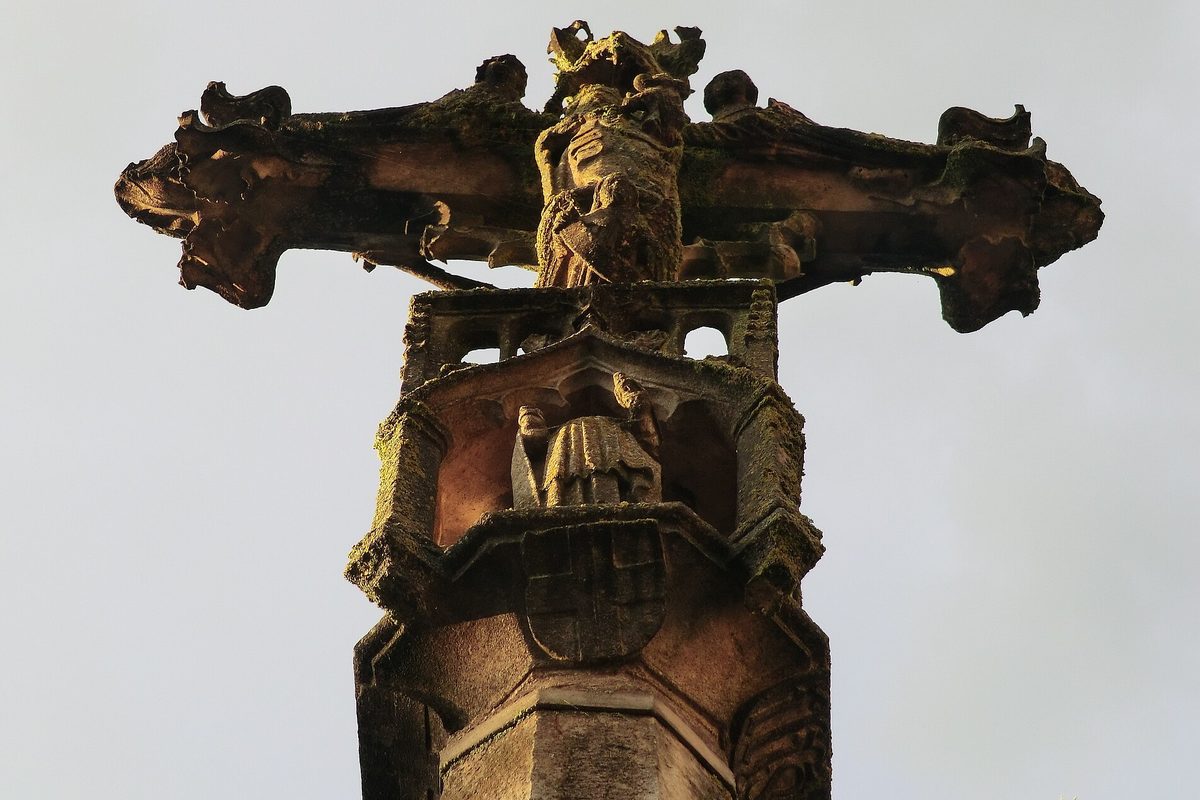
Camino Frances Stages and Lodging Costs
Why Sleep and Cost Matter for Planning
Every pilgrim quickly learns that the towns you sleep in and what you spend each night shape the entire journey. The Camino demands daily decisions: where to stop, which roof to sleep under, and how much of your budget to stretch. A well-planned stage-by-stage lodging strategy prevents rushed days, missed beds, and blown budgets.
The Camino Francés stretches roughly 780 kilometers from Saint-Jean-Pied-de-Port to Santiago de Compostela, typically walked over 30 to 35 stages, each averaging 20 to 25 kilometers. That's 30-plus nights of choosing a bed. Options range from municipal albergues (10-15 EUR) and private albergues (15-20 EUR) to guesthouses (30-50 EUR) and hotels (50-80 EUR). The cost varies dramatically by town: Pamplona's municipal albergue charges 12 EUR, while a private room near the Cathedral might run 50 EUR. In Leon, a mid-range hotel can cost 60 EUR, but a donativo albergue outside town costs just a few euros.
A stage-by-stage cost breakdown helps you plan where to splurge and where to save. Camino Frances stages lodging options are not equally distributed; some towns only have a municipal albergue, while others offer a mix of private rooms and hotels. Knowing which towns have limited options allows you to reserve ahead or adjust your pace. This guide provides a clear picture of where to sleep each night, from Saint-Jean to Santiago, and exactly what it costs.
Pyrenees and Navarre: Saint-Jean to Pamplona
Saint-Jean-Pied-de-Port to Roncesvalles
The first day across the Pyrenees sets the tone for the entire Camino Francés stages lodging experience. From Saint-Jean-Pied-de-Port, the route climbs 1,400 meters over 25 kilometers to the medieval monastery of Roncesvalles. Most pilgrims choose to complete this stage in a single day, making Roncesvalles the only practical sleeping town Camino walkers encounter before descending into Navarre.
Sleeping options in Roncesvalles are limited but well-defined. The municipal albergue, housed in a restored 12th-century monastery, offers dormitory beds for €10-12 per night. Private hostals like La Posada de Roncesvalles and Hotel Roncesvalles provide single or double rooms ranging from €30-40, ideal for anyone seeking a quieter night. The Camino stage by stage cost for this first day is among the lowest of the entire route if you choose the albergue, but prices rise sharply once you enter Spain.
Because Roncesvalles is a compact village with only a few hundred beds, booking ahead is essential during high season from May to September. The albergue fills by early afternoon, and the pensiones often sell out weeks in advance. Pilgrims who arrive without a reservation may need to continue to the next town, Burguete, which adds another 3 kilometers. This makes advance planning a key part of stage town budgets for anyone starting the Camino Francés.
Roncesvalles to Zubiri
The descent from Roncesvalles to Zubiri covers about 21 kilometers, a manageable stage that rewards pilgrims with rolling green hills and a riverside finish. Zubiri is a key sleeping town on the Camino Francés, offering a mix of budget and mid-range lodging for those tracking stage-by-stage costs.
The municipal albergue, Albergue Municipal de Zubiri, charges around €8-10 per bed, making it one of the cheapest options on the entire route. Expect basic dormitory bunks, shared showers, and a kitchen. Private albergues like Albergue Zubiri offer similar dormitory bedding for €12-15, while small guesthouses and pensiones provide private rooms for roughly €35. These private rooms are a good upgrade if you want a quieter night or a real mattress.
A practical tip: when you arrive, ask for the sello (stamp) at your albergue as soon as you check in. The credencial needs a stamp from each town you sleep in, and some albergues close their reception early. Getting it immediately avoids a last-minute scramble the next morning.
Zubiri to Pamplona
The 20-kilometer walk from Zubiri to Pamplona follows the Arga River through rolling farmland and beech forests, ending at the edge of one of the most important cities on the Camino Francés. Pilgrims typically arrive by early afternoon, leaving time to explore the old town, visit the cathedral, and clean gear before the next day's push to Puente la Reina. Pamplona is a major urban stop, so the sleeping options are more varied than in any previous stage town, from the basic municipal albergue to boutique hotels inside the city walls.
The municipal albergue, Albergue de Peregrinos de Pamplona, sits just inside the city gate and charges €12 for a bunk in a clean, no-frills dormitory. Several private albergues in the same area run €10 to €15, often with kitchen access and laundry. For more privacy, hostales like Hostal Maiora or Hostal Pompaelo offer double rooms from €40 to €60, a good middle ground for pilgrims wanting a night away from snoring bunks. Higher-end hotels, such as Hotel Tres Reyes or the Gran Hotel La Perla, start around €70 and can climb above €150 during peak season or the San Fermín festival in July.
The key decision in these sleeping towns is whether to book ahead. Pamplona has enough beds in normal months - the municipal albergue alone holds 120 - but the city fills up fast during summer weekends and festival dates. Pilgrims on a tight budget should aim for the albergues; those with a little more flexibility can find a hostal room for under €50 without sacrificing location. The stage town budgets here are higher than earlier villages, but the trade-off is access to supermarkets, pharmacies, and a chance to restock supplies for the next section.
When planning costs for this stage, factor in an extra €5 to €10 for Pamplona's pricier dinner options and a possible laundry stop. The municipal albergue is the cheapest sleep, but a private hostal often includes a better mattress and quieter surroundings - a worthwhile investment before the long stretch to Logroño.
La Rioja and Castile: Pamplona to Burgos
Pamplona to Puente la Reina
The 24-kilometer stage from Pamplona to Puente la Reina starts with a steady climb out of the city, crossing the Alto del Perdon. The wind-swept ridge gives wide views, and the descent into the valley leads straight to Puente la Reina, one of the classic sleeping towns on the Camino Frances. The town is named for its six-arched medieval bridge, a symbol of the route.
For those tracking Camino Frances stages lodging, Puente la Reina offers a full range of accommodation. The municipal albergue, run by the local parish, has a dormitory with basic amenities for EUR 10 per night. Several private albergues, such as Albergue Jakue, charge around EUR 12-15 and include a kitchen and garden. Travelers wanting more privacy can choose a hostal, with rooms typically costing EUR 35-50. Hostal Palacio de Puy and Hotel Estrella are reliable options with private bathrooms and central heating.
When planning your budget, the difference between an albergue and a hostal often comes down to comfort versus community. Pilgrims on a tight budget will find the municipal albergue perfectly adequate, while those wanting a quiet night might prefer a hostal. Booking ahead for hostals is recommended during the summer, as the town's dormitory beds fill quickly. With its mix of low-cost and mid-range options, Puente la Reina shows the variety of stage town budgets along the Camino.
Puente la Reina to Estella and Los Arcos
After crossing the medieval bridge at Puente la Reina, the Camino Francés stages lodging options diversify in the wine-making towns of Estella and Los Arcos. Estella, about 22 kilometers from Puente la Reina, offers a municipal albergue (€8) with a large dormitory, kitchen, and basic facilities; it often fills early. The municipal albergue is located near the town center, close to restaurants and the main square. Private albergues like Albergue de Peregrinos Estella (€12) provide a more intimate setting with a garden and washing machine. For pilgrims seeking privacy, pensiones such as Pensión Belez and Hostal Amenabar offer en-suite rooms for €30-40 per night. Booking ahead is wise for pensiones, especially in summer.
Los Arcos, another 22 kilometers west, is a classic sleeping town on the Camino. Its albergue municipal (€8) sits next to the church and features a garden, kitchen, and a 10 PM curfew. Pilgrims wanting a private room can book Hostal San Andrés, a comfortable option with a bar and restaurant, where a double costs around €35. The town also has a grocery store and a pharmacy for resupply.
Across both towns, lodging costs remain predictable: €8-12 for albergue beds, €30-40 for private rooms. These figures are standard for the middle section of the route. Budgeting €10-15 per night for dormitories or €35-45 for a private room, plus an additional €5-8 for breakfast, covers the range comfortably.
Logrono: Capital of La Rioja
Logrono is the first major city on the Camino Frances after Pamplona, and it has a dense concentration of sleeping options. The municipal albergue, run by the Ayuntamiento, offers basic bunk-bed accommodation for around EUR 10 per night. It has a kitchen, a courtyard, and a strict no-reservation policy, so arriving early (before 14:00) is wise. The parochial albergue at the Church of Santiago el Real is a quieter alternative, also around EUR 10-12, with a garden and a communal dinner. Private albergues like La Casa del Peregrino or La Rioja Hostel charge EUR 12-15 per night, often with better mattresses, wi-fi, and fewer bunks per room.
For pilgrims ready for a private room, hostals in Logrono typically run EUR 45-60 per night. Hostal La Numantina sits right on the Calle Mayor, just off the main square, while Hostal la Plancha offers simple but clean doubles near the cathedral. Hotels cost EUR 80 or more; the Hotel Ciudad de Logrono and the Hotel Sercotel Portales are two solid mid-range options with air conditioning and en-suite bathrooms. This cost pattern mirrors what you will find in Leon: Leon Camino hotels follow the same EUR 80+ baseline, while albergues stay in the EUR 10-15 bracket. In both cities, the key is to book ahead if you want a private room, especially from May to September.
Logrono also offers a handful of apartment rentals via Airbnb and Booking.com, typically EUR 50-70 for a small studio. Because it is a major stage town, the lodging market is competitive, so prices stay reasonable even in peak season. The main takeaway is that Logrono fits neatly into the wider Camino Frances stages lodging pattern: albergues for budget pilgrims, hostals for the mid-range, and hotels for those who want comfort. Understanding these stage town budgets helps you plan where to stop on the Camino without overspending.
Najera and Santo Domingo de la Calzada
Nájera, in the heart of La Rioja, gives pilgrims a solid range of Camino Francés stage lodging. The municipal albergue charges €10 and requires a pilgrim credential; it is basic but clean. For more comfort, hostals and private rooms run €35-50, with some offering breakfast. The monastery of Santa María la Real occasionally houses pilgrims in a dormitory setting, which adds a unique experience. This variety makes Nájera a flexible sleeping town on the Camino for different budgets.
Continuing to Santo Domingo de la Calzada, the municipal albergue again costs €10 and is located near the cathedral. Hostals here also fall in the €35-50 range. The standout is the Parador de Santo Domingo de la Calzada, a luxurious hotel in a converted 12th-century hospital, with rates exceeding €100. Most pilgrims select the albergue or a hostal. These two towns illustrate the typical cost pattern: albergues at €10 and hostals at €35-50, with occasional splurge options.
Belorado, San Juan de Ortega, and Burgos
Belorado, the first major stop after the Montes de Oca, offers a reliable mix of municipal and private sleeping options. The municipal albergue, run by the town council, costs around €10 and provides basic bunks and hot showers. For a quieter stay, private albergues like Albergue Cuatro Cantones charge €12-15 and include a communal dinner or kitchen access. Pilgrims arriving early can also grab a bed at Albergue El Pájaro Loco, known for its welcoming atmosphere.
Just 12 km west of Belorado, the tiny hamlet of San Juan de Ortega has a single albergue attached to the monastery. With only 30 beds, spaces fill quickly, especially in peak season. The albergue is simple, no frills, just a cold-water sink and a pilgrim's blessing, but its stillness is a favorite among those seeking solitude. Plan to arrive by 2:00 PM or book ahead through the monastery's limited reservation system.
Burgos, the largest city on this stage, presents a stark contrast. The municipal albergue near the cathedral costs €10-12, but for more comfort, hostals like Hostal Las Teresas offer double rooms from €45. Hotels such as NH Palacio de la Merced or Hotel Corona de Castilla range €80-120, often with modern amenities and easy access to the city's Gothic highlights. The variety means pilgrims can choose based on their budget and energy level.
For those planning their Camino Francés stages lodging, this stretch illustrates the range of sleeping towns on the Camino: from €10 albergues in Belorado to €80 hotels in Burgos. Understanding these costs helps pilgrims decide where to splurge and where to save. A typical budget for this section is €10-15 in albergues, €40-70 in hostals, and €80-120 in hotels, with Burgos offering the widest price spectrum.
The Meseta and Leon: Burgos to Leon
Burgos to Hornillos del Camino
The stage from Burgos to Hornillos del Camino is a short but exposed walk of about 20 kilometers across the open Meseta. Pilgrims leave the cathedral city behind and quickly find themselves on dirt paths through wheat fields with little shade. Hornillos is the first logical stop, sitting roughly at the halfway point between Burgos and Castrojeriz.
Sleeping options in Hornillos are limited to two albergues: the municipal albergue and a small private hostel. The municipal albergue charges €8 per person and offers basic dormitory beds with a kitchen and cold showers. The private albergue, run by a local family, costs €10 and includes a small garden and a vending machine for snacks. Neither option provides private rooms or hostal-style accommodation, so solo travelers or couples should expect shared dormitories.
Pilgrims should plan ahead for the limited services in Hornillos. There is a single bar-restaurant that serves meals, but it closes early in the off-season. A small grocery store stocks basic supplies, but fresh produce and cooked meals are scarce. The village has no ATM or pharmacy, so it is wise to withdraw cash and buy snacks in Burgos before starting the stage. Many pilgrims carry a packed lunch to avoid depending on the restaurant's limited hours.
For those on a tight budget, the municipal albergue at €8 is one of the cheapest sleeping options on the entire Camino Francés. This stage exemplifies the trade-off of the Meseta: lower accommodation costs versus fewer services and longer distances between towns. Pilgrims who prefer more amenities may choose to walk further to Hontanas (23 km from Burgos), but Hornillos remains the classic stage-end for its simplicity and low cost.
Castrojeriz to Fromista
Castrojeriz, a hilltop village at the midpoint of the Meseta, offers three distinct sleeping options for pilgrims. The albergue municipal (€8 per bed) is a basic bunkhouse with communal kitchen and cold showers. For more privacy, Hostal Cid (€36) provides clean private rooms with en-suite bathrooms. The convent of Santa Clara runs a donativo albergue where guests contribute what they can; it includes a simple breakfast and a quiet courtyard. Both albergues open at 12:00, and beds fill quickly by mid-afternoon.
The next town, Frómista, lies 12 km west. Its albergue municipal (€10) is a modern facility with 48 beds, laundry service, and a small grocery next door. The private Hostal San Martín (€38) offers doubles with heating and balcony views of the famous San Martín de Frómista church, a Romanesque masterpiece. Pilgrims often stop here to tour the church before continuing.
Across both towns, lodging costs stay consistent: €8 - 10 for albergues, €35 - 40 for hostals. These sleeping towns serve as natural stage breaks, with bakeries and bars open for pilgrim menus. Packing earplugs is wise, as both municipal albergues sit near busy roads.
Carrión de los Condes to Sahagun
Carrión de los Condes is where this 20km stage across the Meseta begins. The town has several sleeping options for pilgrims. The Albergue Municipal Santa María de las Tiendas, run by the local parish, charges €8 for a bed in a clean dormitory. For a private room, the Albergue San Martín has dorm beds at €10-12 and a private double for around €35. Hostal La Corte, on the main square, offers doubles starting at €40. Most pilgrims stay in Carrión to avoid the long stretch ahead.
At the halfway point, Calzadilla de la Cueza is a tiny settlement with only one albergue, the Albergue de Calzadilla. It is basic: a dormitory with bunk beds, cold showers, and a simple kitchen. The cost is €8 per person. Cyclists or walkers who split the stage into two shorter days often use this albergue, but most push on to Sahagún.
Sahagún, the end of the stage, has a greater variety of lodging. The Albergue Municipal de Peregrinos offers dorm beds for €10. Hostal San Benito, a popular choice, charges €35 for a private room with shared bathroom. For a more comfortable stay, the Hotel Monasterio de Sahagún, a converted monastery, has doubles from €50. The town also has supermarkets, restaurants, and a pharmacy for resupply.
Across these towns, the cost pattern holds: albergues €8-12, hostals €30-50, hotels from €50. This stage is a typical Meseta crossing, with long straight paths and few services between towns, so planning your stop is essential.
Sahagun to Leon
The 63-kilometer stage from Sahagun to Leon is the longest single day on the Camino Frances, so most pilgrims split it into two days. A common overnight stop is El Burgo Ranero or Mansilla de las Mulas, where basic albergues charge €10 to €15. Those who push through to Leon arrive in the largest city since Pamplona, with a full range of accommodation.
Albergues in Leon cost €10 to €15, private hostals run €40 to €60, and hotels with private bathrooms start at €80. For pilgrims tracking Camino Frances stages lodging, Leon is a major sleeping town on the Camino. Lodging for this section can be as low as €10 in a dormitory, but many choose to treat themselves to a private room after days on the Meseta. Stage town budgets like Leon's show how spending varies widely. When deciding where to stop on the Camino, Leon stands out as the best place for a rest day. Leon's hotels near the historic center offer convenience and comfort. For those planning the full route, Leon provides the most variety of any city on it. Whether you spend €10 or €90, the city's amenities make it a memorable stop.
Galicia and the Final Stretch: Leon to Santiago
Astorga to Ponferrada
Astorga, the first major stop after Leon, gives pilgrims a choice between the municipal albergue (EUR10) and several hostals priced between EUR35 and EUR50. The albergue municipal is clean and functional, while private hostals like Hostal San Feliz offer more comfort. For those seeking privacy, hotels such as Astur Plaza provide comfortable rooms. About 20 kilometers west, Rabanal del Camino is a smaller mountain village with a municipal albergue run by the local parish. Private albergues like Albergue Guacimara and a small hostal add more options, with costs similar to Astorga: albergues at EUR10, hostals at EUR35-50.
Ponferrada, the largest town on this stage, has a well-regarded municipal albergue near the Templar castle, plus several hostals and full-service hotels like Hotel Bierzo Plaza. The municipal albergue has over 100 beds, making it a reliable choice. Hostals in Ponferrada typically cost EUR35-50, with hotels offering more amenities. This segment of the Camino Frances shows how costs stay consistent across town sizes, with albergues at EUR10 and hostals at EUR35-50. Knowing the going rates helps you budget accurately for key sleeping towns and pick your stops.
Villafranca del Bierzo to O Cebreiro
The climb from Villafranca del Bierzo to O Cebreiro marks the transition into Galicia and the most demanding ascent of the Camino Francés. Villafranca itself offers several sleeping options before the hill. The municipal albergue (€10) provides basic bunk beds and a kitchen, while private albergues like Albergue La Casa de los Prados (€12) add hot showers and a small cafe. For more comfort, Hostal El Padrino charges €40 for a private room with a shared bathroom, and Hospedaje La Rosaleda runs €50 for an en suite double.
The 28-kilometer stage climbs 1,200 meters, so most pilgrims break it at O Cebreiro, a hilltop village at 1,300 meters. This is a popular sleeping town on the Camino, so booking ahead is essential, especially from May to September. The municipal albergue (€10) offers 60 beds in a traditional stone building with a small store. Private albergues like Albergue A Reboleira (€12) include a bar and a terrace with panoramic views. For a quieter night, Pension O Cebreiro (€35-45) provides simple private rooms with heating and a shared bathroom. The pension also serves a communal dinner for €12, a good option after the long walk.
Overall, costs for this leg range from €10 for a basic albergue bed to €50 for a private room in Villafranca, making it one of the more affordable sections of the full route. The steep terrain and strong winds at O Cebreiro mean a warm, dry bed is worth the extra spending.
Sarria to Portomarin
Sarria is the gateway to the final 100 km, the minimum distance required to earn the Compostela, so the town overflows with pilgrim accommodation. You will find more than a dozen albergues (municipal, private, and parochial) alongside hostals and hotels. The municipal albergue (Albergue San Lázaro) costs €10, private albergues like Albergue La Casona charge €12, and hostal or hotel rooms run €35-50 (Hostal Alfonso IX is a reliable mid-range option). Many pilgrims pause here to collect their credencial sello from the church or tourist office before setting off.
The 22 km stage from Sarria to Portomarín rolls through green Galician hills and small hamlets. Portomarín itself is a modern town rebuilt after a dam project, anchored by the impressive Romanesque Church of San Xoán. Its albergue municipal (€10) is large and functional; private albergues such as Albergue Ferro ask €12. For a private room, hostals like Hostal O Mirador charge €40-50. The town has a handful of bars and a grocery store. For those walking the última etapa, Portomarín is a common overnight stop before the final push to Santiago.
Arzua to Santiago de Compostela
From Arzua, the final push to Santiago de Compostela covers roughly 20 kilometers, a distance that many pilgrims complete in a single day. Those who prefer to break the stage often stop in Arzua itself, where lodging options range from the municipal albergue (EUR12 per bed) to private albergues like Albergue Teclus (EUR15) and more comfortable hostals such as Hostal Arzua (EUR45). The town's stage town budgets are manageable, with private rooms in the EUR40-70 range. For walkers needing a halfway point, O Pedrouzo (also known as Arca do Pino) offers a similar mix: the municipal albergue charges EUR10, while hostals like Pension O Pedrouzo provide rooms around EUR50. This is a logical place to stop for those who want to arrive in Santiago early the next morning.
Upon reaching Santiago de Compostela, the sleeping options expand dramatically. The municipal albergue at the Seminario Menor costs EUR12, but private albergues like Roots & Boots (EUR15) offer a more social atmosphere. Hostals and hotels cluster around the cathedral: Pension San Martin (EUR55) and Hotel Compostela (EUR90) are popular mid-range choices, while the Parador de Santiago, a historic former hospital, starts at EUR150. For budget-conscious pilgrims, the Camino Frances stages lodging in Santiago can be as low as EUR10-15 for an albergue, but booking ahead is recommended during peak months. The final stretch offers the widest price range, from spartan bunk beds to luxury accommodations, reflecting the city's role as the journey's end.
Bottom line on Camino Frances Lodging and Costs
Key Takeaways for Pilgrims Planning Their Stages
On the Camino Frances, lodging costs vary predictably by type. Municipal and parochial albergues typically charge between 8 and 15 euros per night, making them the most budget-friendly option for pilgrims. Private hostales and guesthouses range from 30 to 60 euros, offering a private room and shared bathroom. For those seeking more comfort, hotels in larger towns like Pamplona and Leon charge 60 to 150 euros per night, often with breakfast included. These price bands hold across most stage towns from Saint-Jean-Pied-de-Port to Santiago.
Booking ahead becomes critical during peak season (May through September). Many albergues, especially in popular stops like Pamplona and Leon, fill up by early afternoon. Pilgrims should reserve a bed at least a day in advance during these months, either through online platforms or by calling ahead. Spontaneous walking without reservations works in the off-season (October to April), but summer walkers risk walking extra kilometers to find space.
Use this stage-by-stage guide as a practical tool for planning your Camino Frances stages lodging. Each town entry includes specific budget notes and recommended sleeping spots, so you can match your daily budget to your walking pace. Whether you prefer 10-euro dormitory beds or a 60-euro private room, the Camino offers options for every pilgrim. Knowing where to stop and what to expect cost-wise removes stress and lets you focus on the journey.
Official sources
Details worth verifying before you go — checked against:
Travel Writer & Editor
Emily Johnson writes and edits Do Travel Blog. Every guide on the site starts the same way: with a question she actually had while planning — when to book, which pass to buy, how to get from A to B without overpaying. Where a number matters, she cites the source: park tickets link to the park's own fee page, visa rules to the official consulate, ferry times to the operator. Prices get re-checked against those pages before each update, and a guide is re-dated when its numbers move. Nothing here is sponsored — she doesn't accept payment for coverage. Spotted something stale or wrong? Email hello@dotravel.blog and she'll fix it.