Driving in Iceland: Ring Road Tips and Car Rental
Planning to drive the Ring Road? Get essential tips on Iceland car rental, road conditions, safety, and more for a successful Iceland road trip. Your complete guide to driving in Iceland.
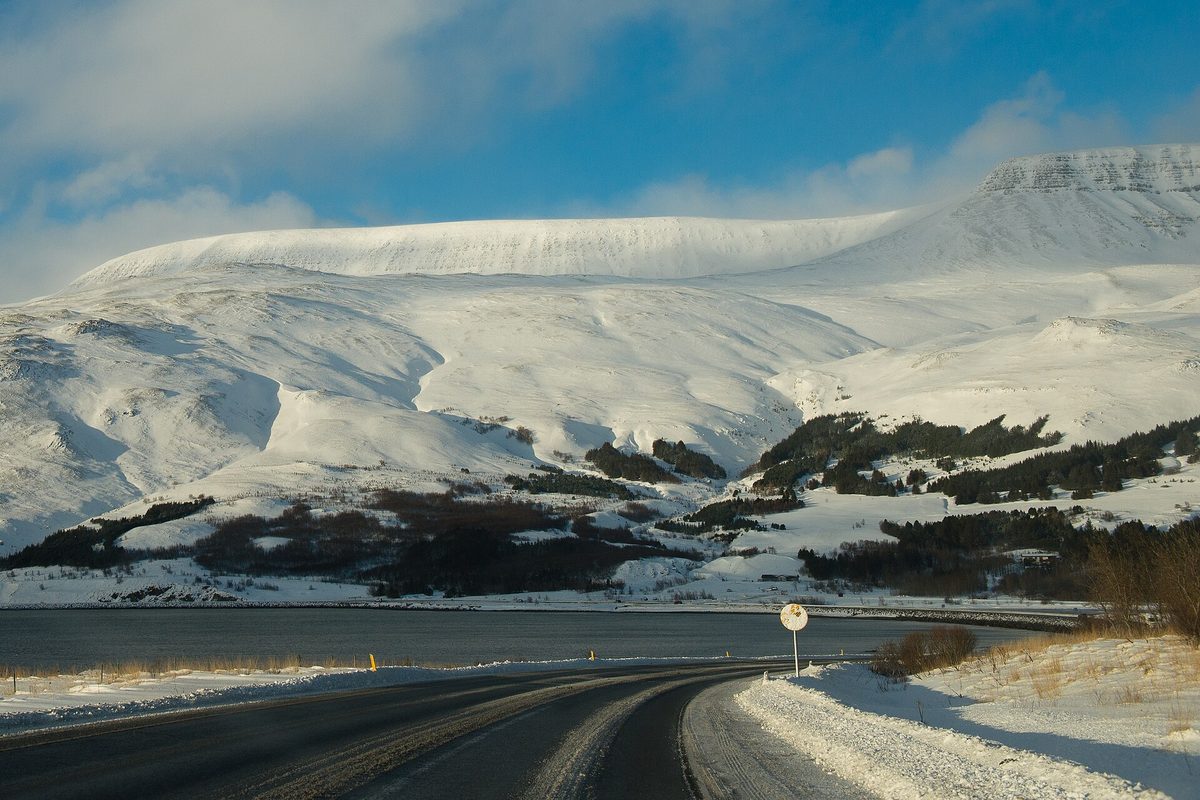
Driving Iceland's Ring Road: A Complete Guide
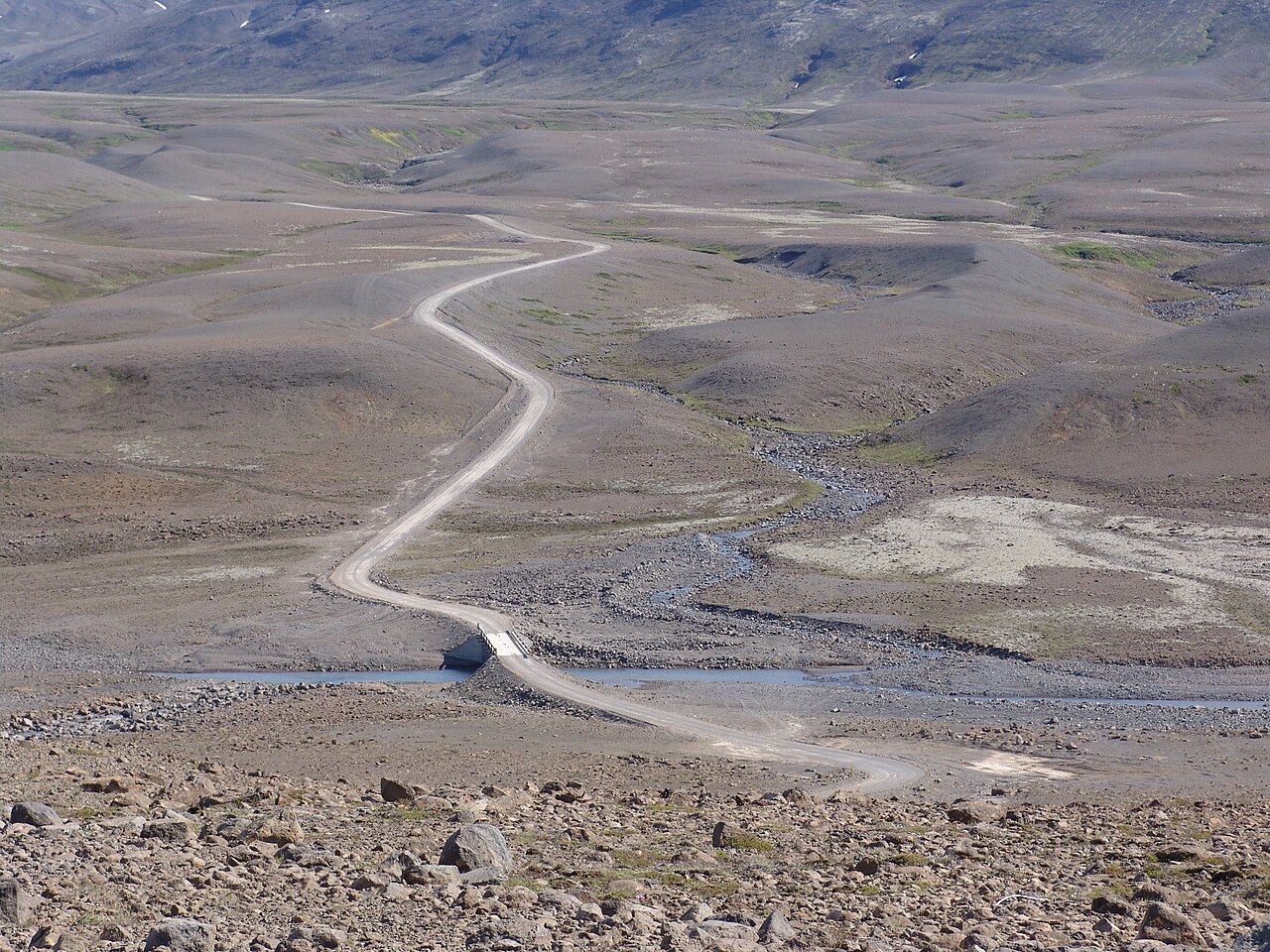
Photo: Manfred Morgner (ka-em-zwei-ein) / CC BY-SA 3.0 / Wikimedia Commons
Iceland's Ring Road, Route 1, stretches roughly 1,332 kilometers around the island, connecting fishing villages, volcanic landscapes, and waterfalls. The drive offers great scenery, but it requires preparation. Unpredictable weather, narrow bridges, and gravel sections can surprise even experienced drivers, so advance planning is essential for a smooth trip.
This guide covers every aspect of driving Iceland's Ring Road, from choosing the right car rental and understanding Iceland car insurance requirements to navigating Iceland road conditions and Iceland driving rules. You will learn where to find Iceland fuel stations, how to interpret weather alerts, and what safety equipment to carry. Each section focuses on practical advice drawn from extensive local experience, so you can explore with confidence.
By the end, you will be fully equipped to plan a safe and enjoyable road trip along Route 1. Whether you are a first-time visitor or a returning traveler, these Iceland road trip tips will help you avoid common pitfalls and make the most of your journey through Iceland's raw, dramatic landscape.
Choosing the Right Rental Car for the Ring Road
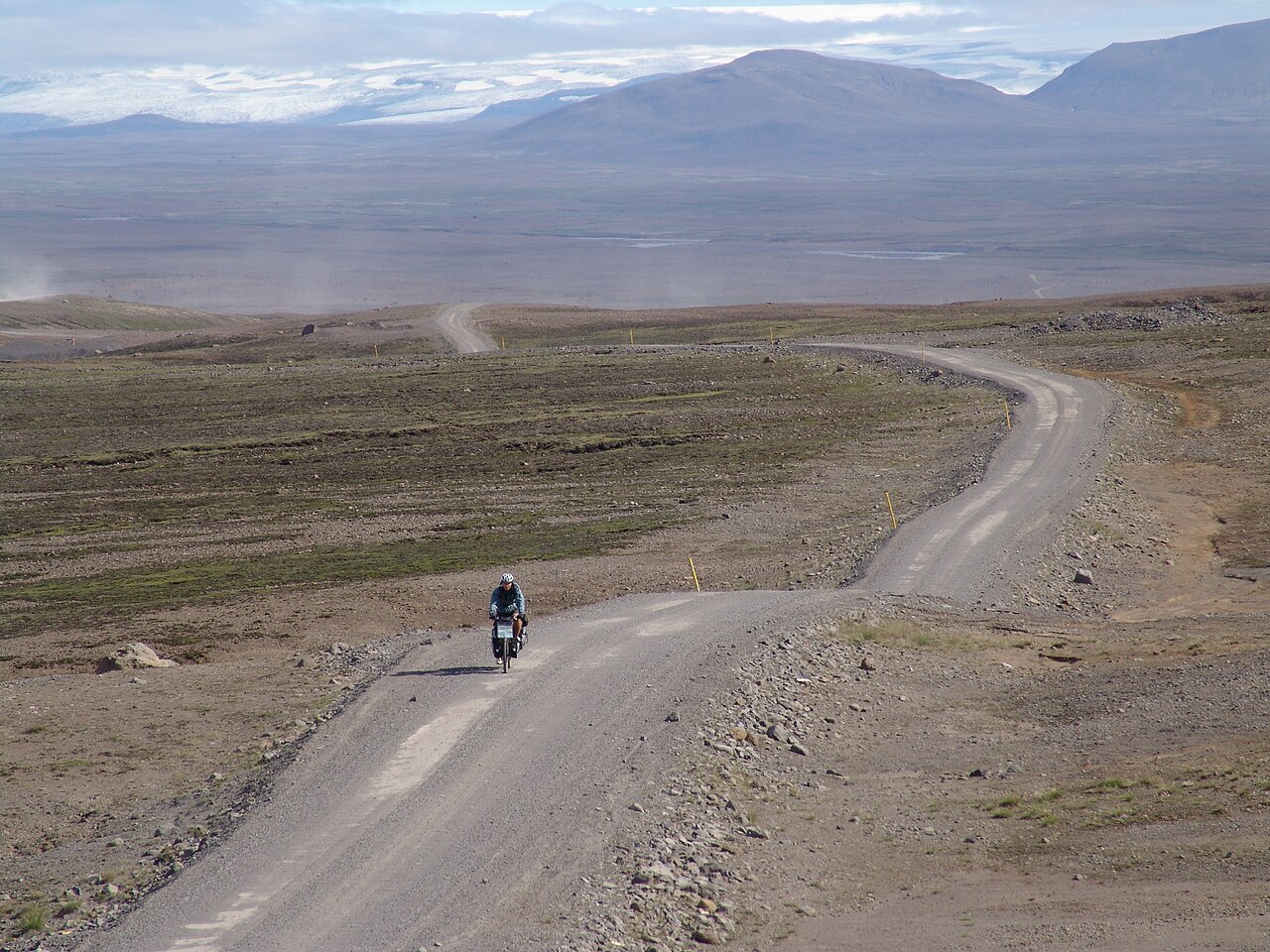
Photo: Manfred Morgner (ka-em-zwei-ein) / CC BY-SA 3.0 / Wikimedia Commons
Why a 4x4 Matters for Icelandic Roads
Many travelers assume a standard two-wheel-drive car is sufficient for the Ring Road, and during summer the main Route 1 is indeed paved and well-maintained. However, Iceland's true beauty lies beyond the ring road on gravel F-roads, highland passes, and in winter conditions. A 4x4 vehicle provides the traction, stability, and clearance needed for these surfaces. Without it, you risk getting stuck, damaging the undercarriage, or being unable to reach iconic destinations like Thorsmork or Landmannalaugar. For a comprehensive Iceland road trip tips list, a 4x4 is non-negotiable once you leave the main highway.
Rental companies in Iceland, such as Blue Car Rental and Lotus Car Rental, offer a range of 4x4s including the compact Suzuki Jimny, the economical Dacia Duster, and the rugged Toyota Land Cruiser. These vehicles are built for the unpredictable conditions you will encounter: river crossings, loose gravel, and sudden snow flurries. High ground clearance is not just a luxury; it is a necessity for fording streams and navigating washboard roads. Without it, even a brief detour onto a gravel road can result in costly damage. For your Iceland car rental, prioritize a 4x4 to ensure you can safely explore both the Ring Road and the off-the-beaten-path gems that make this trip unforgettable.
For transmission, most rental cars in Iceland are manual, which is standard across Europe. Automatics are available but often at a premium; book well in advance if you prefer one. For winter driving especially, a 4x4 with good tires (often studded in winter) is essential for maintaining control on icy sections. The extra cost of upgrading from a 2WD to a 4x4 is a small price for the safety and access it provides, particularly if you plan to venture into the highlands or drive during the shoulder seasons. Always check the specific 4x4 iceland requirements for your route and season.
Iceland Car Insurance: What You Need to Know
When renting a car for the Ring Road, the standard Collision Damage Waiver (CDW) is included in most rental agreements, but it comes with a high excess typically 350,000 to 500,000 ISK ($2,500 to $3,600). CDW does not cover damage to the undercarriage, tires, windshield, or headlights, and it excludes gravel, sand, and ash damage. These exclusions cover the most common claims on Icelandic roads.
Optional coverages fill these gaps. Super CDW (SCDW) reduces your excess to around 75,000 to 150,000 ISK. Gravel Protection (GP) covers chips and cracks from loose stones on unpaved sections, a common risk on routes like the Kjolur highland road. Sand and Ash Protection (SA) shields against windblown grit that can sandblast the paint in a single afternoon. Theft protection is also available but less critical for the Ring Road. Given that many secondary roads remain unpaved and summer winds can exceed 20 m/s, GP and SA are not optional. They are the difference between a minor claim and a 400,000 ISK bill.
Before booking, check the excess amounts on your Iceland car insurance policy. Companies like Blue Car Rental and Lotus Car Rental offer third-party excess insurance that cuts the rental company's excess to zero, often for less than $15 per day. This can save you a large bill if you need to file a claim while driving through gravel valleys or ash covered stretches near the South Coast.
Understanding Iceland's Road Conditions and Weather
Common Road Surfaces and Conditions
The Ring Road (Route 1) is mostly paved, but drivers should expect sections of gravel, particularly in the north and east. These gravel stretches can be rough and loose, requiring slower speeds and careful handling. A common mistake is maintaining highway speeds on gravel, which reduces traction and increases stopping distance. For those planning an Iceland road trip, understanding the difference between paved and gravel surfaces is essential for safety. If you are considering Iceland car rental, many companies restrict gravel-road driving for certain vehicles, so always check your rental agreement.
Single-lane bridges are frequent on the Ring Road, especially in less populated areas. Approach these with caution: yield to vehicles already on the bridge, and use the designated pullouts if necessary. Narrow roads with no shoulder are common, and sheep crossings appear without warning, particularly in rural stretches. These conditions demand constant vigilance, especially during summer when livestock graze near the road. Understanding Iceland road conditions means anticipating these slow-downs and adjusting your schedule accordingly.
Before setting out each day, check road.is for real-time updates on closures, construction, and weather warnings. This government-maintained site provides color-coded maps showing road conditions: green for clear, yellow for difficult, red for impassable. During winter or after storms, sections of the Ring Road may close temporarily. For Iceland driving rules, knowing how to read these maps is as important as knowing the speed limits.
Note that roads in the highlands (F-roads) require a 4x4 vehicle and are only open from late June to early September. These unpaved tracks cross rivers and rough terrain; even a standard SUV might not suffice. If you plan to explore the highlands, ensure your Iceland car rental includes a proper 4x4 with ground clearance. The combination of variable surfaces, unexpected obstacles, and changing weather makes Iceland road safety a daily priority on any Ring Road journey.
Iceland's Unpredictable Weather and Its Impact on Driving
Iceland's weather changes fast. A calm sunny morning can turn into rain or fog within minutes. On the Ring Road, these shifts affect visibility and traction. A clear stretch might suddenly become a whiteout or a sheet of black ice, so drivers need to stay alert.
Common conditions include heavy rain, dense fog, strong crosswinds that can push a car off the road, and snow in winter. Before driving each day, check vedur.is for forecasts and road.is for road conditions and closures. These two sites are useful for any Iceland road trip and should be checked at every stop.
Winter driving adds extra hazards. Black ice is nearly invisible, snowstorms can cut visibility to zero, and daylight lasts only four or five hours. If you plan a winter Iceland car rental, make sure it has winter tires and adequate insurance. Preparation and real time weather checks are key to safe driving in Iceland's unpredictable climate.
Special Hazards: Gravel, Sandstorms, and Floods
Gravel roads are common on many side routes and even some sections of the Ring Road, especially in the Highlands and rural areas. Loose stones kicked up by your own tires or by passing vehicles can chip windshields and scratch paintwork with surprising force. A single incident can cost hundreds of dollars in repairs, which is why gravel protection insurance is one of the most important add-ons when you book your Iceland car rental. Most standard policies exclude this type of damage, so double-check before you drive.
Sandstorms present a different but equally dangerous hazard, particularly in the south near Mýrdalssandur and along the coast near Vík. When strong winds sweep across the black volcanic sands, visibility can drop to near zero in seconds. If you are caught in a sandstorm iceland event, the safest action is to pull over as far off the road as possible, turn off the engine, and wait for conditions to improve. Driving through reduced visibility risks serious collisions and sandblasted paintwork.
River crossings on F-roads add another layer of risk. These unbridged fords can appear shallow but conceal deep channels or sudden flash floods after rain or glacial melt. Before attempting any crossing, stop and assess the water depth and speed. If you have any doubt, turn back. Iceland road trip tips always emphasize that no destination is worth compromising your safety. Knowing when to turn around is a mark of experience, not failure.
Essential Driving Rules and Safety Tips for the Ring Road
Iceland Speed Limits and Traffic Laws
Speed limits on the Ring Road follow a simple rule: 90 km/h on paved roads, 80 km/h on gravel surfaces, and 50 km/h in towns and urban areas. Don't be tempted to push past these limits, especially on gravel sections where loose stones can cause a loss of traction. The 80 km/h limit on gravel is there for a reason, and many rental cars specifically prohibit driving faster than 80 km/h on unpaved roads. Watch for the speed limit signs as you approach smaller villages like Vik or Hofn, where the limit drops abruptly to 50 km/h. Speed cameras are common on the Ring Road, particularly near tunnels and bridges, and fines are steep: expect a ticket of 5,000 to 20,000 ISK (roughly 35 to 140 USD) for a standard violation, with higher amounts for serious speeding.
Icelandic traffic laws also demand a few non-negotiable habits. Headlights must be on at all times, even in the middle of summer's midnight sun, because the law prioritizes visibility over saving bulbs. Seat belts are mandatory for every passenger, including those in the back seat. The blood alcohol limit is a strict 0.02%, essentially zero tolerance for drinking and driving. Even a single beer can put you over the limit, so plan to stay completely sober behind the wheel.
Roundabouts, or traffic circles, are common in Reykjavik and in larger towns like Akureyri. Always yield to traffic already in the circle. The more challenging situation is single-lane bridges, which are still found on the Ring Road, especially in the east near the fjords. Approach with caution, slow down, and look for the blue sign that indicates which direction has the right of way. If the sign favors your side, you can proceed; otherwise, yield to oncoming traffic. On narrow roads, the rule is to pull over at designated passing points to let faster vehicles or larger trucks pass. These are simple rules, but knowing them beforehand makes the drive smoother and safer.
Fuel Stations on the Ring Road: Planning Your Stops
Fuel stations on the Ring Road are sparse in remote areas, especially between towns. The golden rule for a trouble-free Iceland road trip is to refill when your tank hits the halfway mark. This simple habit prevents the stress of hunting for a station on a long, empty stretch where the next stop might be 100 kilometers away.
Major chains include N1, ÓB, Orkan, and Atlantsolía. N1 stations are the most widespread, often with convenience stores and restrooms. ÓB and Orkan offer competitive prices and are common in the south and west. In rural areas, many stations are self-service with card payment only, and they require a chip-and-pin card. Contactless may not work, so carry a card with a PIN and a backup.
For winter driving or long sections like the Eastfjords, carrying a backup fuel can is a smart precaution. Even a small 5-liter canister provides enough range to reach the next station. Iceland fuel stations are generally reliable, but advance planning is essential for a stress-free journey on the Ring Road.
Safety Gear and Emergency Preparedness
Icelandic law requires all vehicles, including rentals, to carry specific safety gear during winter (November through April). The mandatory items are winter tires (studded or all-weather with the mountain snowflake symbol), a reflective vest, a warning triangle, and a flashlight or headlamp. These are not optional extras. They are non-negotiable for Iceland road safety. Even if you pick up your car in summer, always check that the trunk contains these basics. Many rental companies provide them, but confirm before you leave the lot, especially if you book through a discount broker.
Beyond the legal minimum, experienced Ring Road drivers pack a few extra items that can turn a minor inconvenience into a manageable situation. A first aid kit, a warm blanket, a few liters of water, high-energy snacks, a compact snow shovel, and a fully charged power bank for your phone can make a real difference if you are stuck waiting for assistance. On a 2023 survey of Ring Road travelers, those who carried these extras reported feeling significantly less stressed during unexpected delays.
The 112 Iceland app is a free tool that every driver should install before departure. It sends your GPS coordinates directly to emergency services with a single tap and also allows you to register your travel itinerary so authorities can check on you if you fail to check in. Cell coverage along the Ring Road is generally good. Most towns and main roads have 4G, but it can drop in the highlands, the Westfjords, and a few stretches between Hofn and Egilsstadir. Download offline maps of Iceland before you go, and keep a paper road map as a backup. For a comprehensive Iceland road trip tips list, safety gear belongs at the very top.
Navigating the Ring Road: GPS and Maps
Reliable navigation on the Ring Road starts before you leave the car rental lot. Network coverage is patchy across the island, especially in the highlands and along stretches of the north and east, so depending on streaming maps is risky. The most practical solution is to download offline maps on your phone before you depart. Google Maps allows you to save specific regions for offline use, and the dedicated app Maps.me offers detailed offline navigation with turn-by-turn directions. Some travelers also bring a standalone GPS unit, but a smartphone with downloaded maps is usually sufficient.
For real-time updates, road.is is the official site for road conditions, closures, and weather warnings. Check it every morning of your trip. The app SafeTravel Iceland provides push alerts for weather changes and road hazards, and it also allows you to register your travel plan, which is a simple but effective safety step. In areas with no cell service, a paper map of Iceland is a reliable backup, though it is less convenient for finding specific addresses.
When you pick up your Iceland rental car, ask the staff about current road conditions and any local tips for navigation. They often know about recent closures or construction that may not be reflected in apps. Combining offline maps, road.is, and a paper map ensures you stay on track without relying on expensive data roaming.
Final Thoughts
Start Your Ring Road Trip with Confidence
A successful Ring Road adventure rests on a handful of concrete decisions: picking a vehicle that suits the terrain, investing in the right insurance coverage, checking road.is and Vedur.is before every drive, respecting the posted speed limits, mapping fuel stops in advance, and packing a basic safety kit with a reflective vest and first-aid supplies. These steps may sound routine, but they are the difference between a trip defined by stress and one defined by discovery.
Preparation is the single most reliable tool for a safe and memorable Iceland road trip. The landscape rewards those who plan ahead, from the black sand beaches of Vik to the geothermal baths of Myvatn. When you know the road conditions, the weather forecast, and your next fuel stop, the driving becomes background noise and the scenery takes center stage.
So take these iceland road trip tips to heart. Choose your vehicle thoughtfully, drive with awareness, and let the waterfalls, glaciers, and volcanic valleys fill your days. The Ring Road is one of the most remarkable drives on Earth, and with the right preparation, you will experience it exactly as it should be: breathtaking, safe, and unforgettable.
Official sources
Details worth verifying before you go — checked against:

Travel Writer & Editor
Emily Johnson writes and edits Do Travel Blog. Every guide on the site starts the same way: with a question she actually had while planning — when to book, which pass to buy, how to get from A to B without overpaying. Where a number matters, she cites the source: park tickets link to the park's own fee page, visa rules to the official consulate, ferry times to the operator. Prices get re-checked against those pages before each update, and a guide is re-dated when its numbers move. Nothing here is sponsored — she doesn't accept payment for coverage. Spotted something stale or wrong? Email hello@dotravel.blog and she'll fix it.