India Visa Requirements: Documents Checklist
Need a complete India visa documents checklist? This guide covers passport photo size, bank statement, flight ticket proof, hotel booking, and cover letter requirements. Avoid rejection with expert-ti
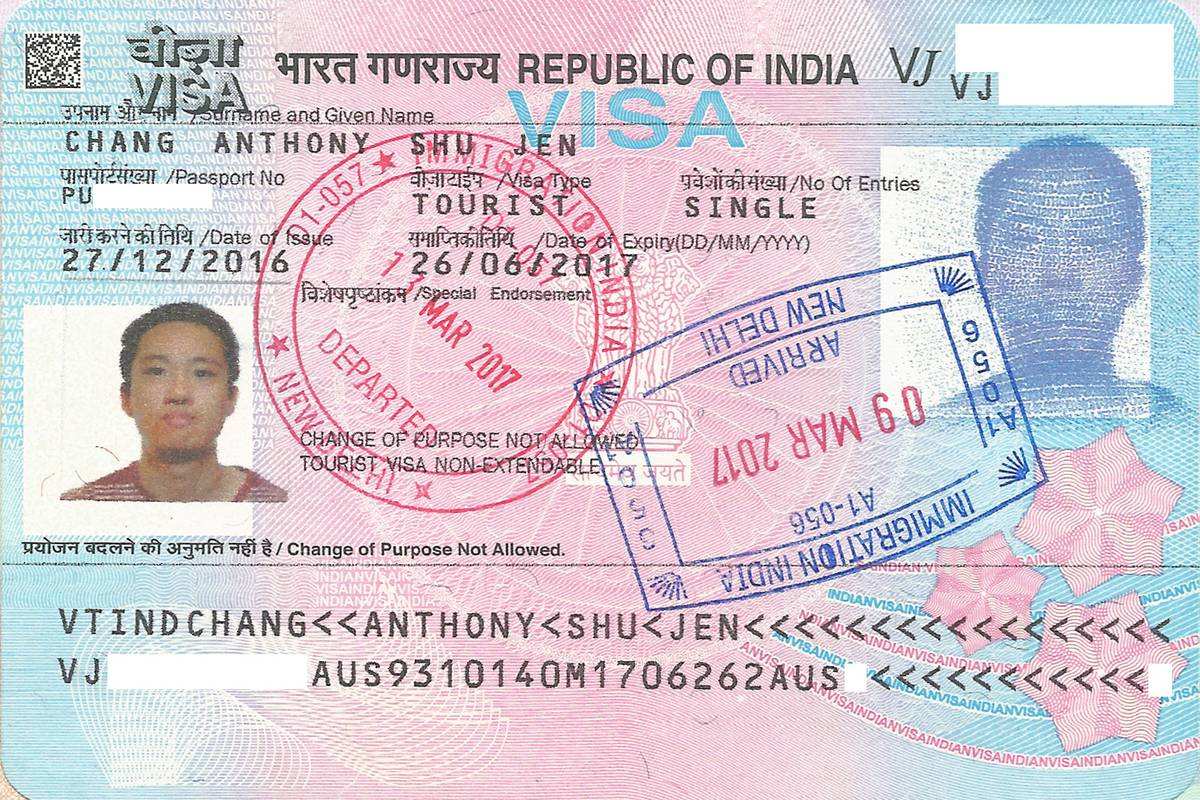
India Visa Requirements Checklist
India Visa Documents Checklist: What You Need to Prepare
Applying for an Indian visa means gathering a specific set of documents, and missing even one can cause delays or outright rejection. This checklist covers every item you need to prepare, from your passport and photograph to financial proof and a cover letter. Whether you are applying for a tourist, business, or e-Visa, knowing the India visa requirements upfront saves time and frustration.
Start with your passport: it must be valid for at least six months from your date of arrival and have at least two blank pages. The visa photo specs India are strict: a 2x2 inch (51x51 mm) white-background photograph, taken within the last six months, with a neutral expression and no glasses. Many applicants are rejected because their passport photo does not match these exact dimensions. Do not guess; check the official guidelines.
For financial proof, submit a bank statement for the last three to six months showing sufficient funds to cover your stay. Self-employed applicants should include an income tax return, while employees need a letter from their employer. Alongside the application, you will need flight ticket proof and hotel booking documentation, either confirmed reservations or a detailed itinerary. Finally, a cover letter stating your purpose of visit, travel dates, and itinerary adds clarity and helps the visa officer assess your application quickly.
Each document must be clear and legible, preferably in color. By following this India visa documents checklist, you minimize the risk of common rejection reasons such as incomplete forms, incorrect photo dimensions, or insufficient financial proof.
Core Documents You Need for an India Visa
Valid Passport with Six Months Validity
The most basic requirement for any India visa application is a passport that stays valid for at least six months after your planned arrival date. This is not a loose suggestion; it is a hard rule enforced by Indian immigration authorities. For example, if you plan to land in Mumbai on October 1, 2025, your passport must be valid through at least April 1, 2026. Many travelers get caught off guard by this rule, especially when their passport expires just a few months after their trip. The visa officer will reject the application outright if the passport does not meet this six-month window, regardless of other documents being in order.
Beyond the validity period, your passport must have at least two consecutive blank pages for the visa sticker and entry/exit stamps. These pages should be designated for visas, not filled with prior stamps or marks. The passport itself must be in good physical condition: no torn pages, water damage, or bent covers. A damaged passport can raise suspicions about identity document integrity and lead to delays or refusal. Additionally, the passport must be machine-readable, which means it has the two-line code at the bottom of the personal information page. Older hand-written passports are not accepted for India visa applications.
Meeting these passport requirements is the first step in your checklist. While the six-month validity and blank pages are often overlooked, they account for a significant portion of initial rejections. Double-check your passport's expiration date and physical condition before gathering any other documents. This one simple check can save you time, money, and the frustration of a rejected application.
Passport Photo Size India: Exact Specifications
The most common reason for India visa photo rejections is incorrect sizing. For US applicants, the standard is 2x2 inches (51x51 mm), and India's official requirement is also 2x2 inches (51x51 mm), so the same dimensions apply. However, the photo must be a perfect square, so avoid cropping to 4x6 proportions.
A white background is mandatory, with no shadows on the face or backdrop. The photo must be recent (within the last 6 months). Do not retouch or edit the image; the visa office compares it against your passport photo.
Common mistakes that lead to rejections: wearing glasses (even clear lenses) - remove them entirely; hair covering the eyebrows or eyes; a non-neutral expression (smiling, frowning, or raised eyebrows); and background colors that are off-white, cream, or gray. The guidelines strictly require a pure white background photo.
Follow these exact specs: 2x2 inches, white background, full face, neutral expression, no glasses, no head coverings (except for religious reasons, which must be shown in full face). For a trouble-free application, get your photo taken at a professional studio that knows the Indian requirements.
Completed Visa Application Form
The India visa application process starts online, and the form you submit is the foundation of your entire application. Whether you apply for an e-Visa or a regular visa through the Indian embassy or consulate, every applicant must complete the online application form at the official Indian visa portal. The e-Visa, available for tourism, business, and medical visits, is fully online and does not require a physical stamp. The regular visa, for longer stays or work, requires submitting the printed form to the embassy along with other documents. Knowing the difference between these two paths is essential when gathering your India visa requirements and creating your checklist.
Accuracy is non-negotiable. Every detail you enter (your full name as it appears on your passport, your passport number, travel dates, and place of birth) must match exactly with the supporting documents you submit. Even a single typo can trigger a rejection or delay. For example, a mismatch between the name on the form and the name on your flight reservation or hotel booking can lead to a visa refusal. Similarly, your passport photo must meet the exact specifications (2x2 inches, white background, no glasses), or the photo validation step will fail.
After completing the online form, you must print it, sign it by hand, and attach a recent passport photo that meets the visa photo specs India. The signed form confirms your acceptance of the terms. Double-check the spelling of your name, passport number, and travel dates before you print. It is a common mistake to reverse the day and month in dates, which can cause issues. Reviewing the form carefully and cross-referencing with your bank statement, flight reservation, and hotel booking will save you headaches. A thorough check of your cover letter India and other documents is equally important. A few extra minutes of verification can prevent a costly rejection.
Financial Proof: Bank Statement and Sponsorship
Bank Statement Requirements for India Visa
When you apply for an India visa, your bank statement is the main financial proof. The Indian embassy usually asks for statements covering the last three to six months. These documents need to show a steady and sufficient balance to convince the visa officer that you can pay for your whole trip without working illegally in India.
The bank statement must be official: printed on bank letterhead, stamped with the branch seal, and signed by an authorized bank officer. Online printouts alone are not accepted unless the bank certifies them. If you are a joint account holder, make sure the statement clearly lists your name. For this requirement, the statement should be in English or come with a notarized translation.
What counts as 'sufficient funds'? At minimum, your balance should cover your round-trip flight, hotel bookings, and daily expenses. That is typically around $50 to $100 per person per day, depending on your itinerary. Some visa officers also look for a reasonable average balance over the three-month period, not just a lump sum deposited the week before. If you are relying on a sponsor, you must submit their bank statement along with a sponsorship letter and proof of relationship.
To avoid rejection, never submit a bank statement with large unexplained deposits or withdrawals. The visa officer uses this financial proof to assess your ability to travel and your ties to your home country. A clean, well-documented statement significantly strengthens your application.
Sponsorship Letter and Financial Support Proof
When a host, family member, or employer in India is covering the trip expenses, the applicant must include a sponsorship letter as part of the India visa requirements. The letter must be notarized and addressed to the Indian embassy or consulate, clearly stating the sponsor's willingness to take financial responsibility for the visitor's stay. It should include the sponsor's full name, address, passport number, relationship to the applicant, and the exact dates of travel.
- A copy of the sponsor's passport (first and last pages with signature and photo)
- Bank statements covering the last three to six months showing sufficient funds
- Proof of relationship (birth certificate, marriage certificate, or family registration)
- Affidavit of support for certain visa types such as the Employment Visa or Student Visa, which may require a separate notarized affidavit
To avoid delays, verify that the sponsorship letter includes the sponsor's contact details and a clear statement of financial responsibility. The bank statement requirement is one of the most common reasons for rejection, so the sponsor's account should show a steady balance rather than a single large deposit. A well-prepared sponsorship letter, along with the supporting documents, strengthens the application and is a critical part of the overall checklist. For applicants who are also submitting a cover letter India, the sponsorship letter can be attached as a separate supporting document rather than merged into the cover letter.
Travel Itinerary and Accommodation Proof
Flight Ticket Proof and Round Trip Itinerary
The Indian visa application requires a confirmed round-trip flight itinerary as flight ticket proof. This document shows you have a clear entry and exit plan for India, which is a standard part of the India visa documents checklist. The itinerary must list your scheduled arrival and departure dates, and these dates must fall within the visa's validity period. Without a clear round trip itinerary, the application may be flagged for incomplete travel plans, a common reason for delays.
If you have not yet purchased your tickets, you can get a dummy flight itinerary from a travel agent or the airline. Many agencies offer a free or low-cost reservation that holds for up to 72 hours. This reservation works as sufficient flight ticket proof for the visa office. Make sure the document includes your full name, flight numbers, and the confirmed entry and exit cities in India. The itinerary should be submitted alongside your other documents, such as your bank statement and cover letter.
The round trip itinerary must show you departing from the same country you entered, or at least a clear onward journey. Immigration officers at Indian airports may ask to see this document upon arrival. Keep a printed copy in your travel folder. For e-Visa holders, the same rule applies: you must have a confirmed departure ticket within the visa's allowed stay period. This avoids any issues with overstay or visa violation, and ensures your application aligns with India visa requirements.
Hotel Booking Confirmation for Visa
For an India visa application, you must submit a hotel booking confirmation covering the entire duration of your stay. The reservation document must clearly show your full name (as it appears on your passport) and the complete address of the hotel. This serves as address evidence for immigration officials to verify your planned accommodation.
A key distinction exists between refundable bookings and confirmed, non-refundable reservations. Visa officers tend to view confirmed reservations more favorably because they demonstrate genuine travel intent. Refundable bookings, especially those made through third-party sites that allow free cancellation, can sometimes raise questions about your actual plans. To strengthen your hotel booking visa proof, consider booking a non-refundable room or at least a reservation that requires a deposit. If your itinerary includes multiple cities, provide separate confirmations for each hotel. Always ensure the booking dates align exactly with your flight ticket proof.
For tourists staying with friends or family, a formal invitation letter from the host along with their address proof and ID copy is acceptable in place of a hotel booking.
Supporting Documents: Cover Letter and Address Evidence
How to Write a Strong Cover Letter for India Visa
A cover letter is a critical part of the India visa requirements. It is a personal statement explaining the purpose of your trip, your planned itinerary, and your ties to your home country. Consular officers use it to assess whether you are a genuine visitor who will return after the visit. A well-written letter can reduce the risk of rejection, especially for first-time applicants or those applying from countries with higher visa refusal rates.
When writing your cover letter, include specific details about your employment: your job title, how long you have worked there, and the dates of approved leave. Attach a copy of the leave approval letter if possible. Also demonstrate financial capability by mentioning your salary or savings and referencing the attached bank statement visa requirement. Explain how you will cover accommodation and daily expenses, showing you are not a financial risk.
Format the letter professionally. Address it to the Visa Officer at the Indian Embassy or Consulate where you are applying. Include your full name, passport number, email address, and phone number at the top. Keep the tone courteous and factual. For example: 'I am writing to apply for a tourist visa for India. I plan to visit Delhi, Agra, and Jaipur from March 10 to March 25, 2025. I have secured leave from my employer and have sufficient funds for the trip.'
Address Evidence and Other Identification Documents
Address evidence is a core requirement in the India visa application process. The visa officer needs to verify that you reside where you claim. Acceptable documents include a utility bill dated within the last three months, a rental agreement, or a government-issued voter ID. If you are self-employed or a homemaker, a spouse's utility bill with a marriage certificate can also work. The address on the evidence must exactly match the one entered on the visa application form. Even a minor mismatch can trigger a rejection. Keep photocopies of the original document and a translation if it is not in English.
For employed applicants, the visa office expects additional proof of your professional ties. A company ID card, recent salary slips, or an employment letter on company letterhead are strong options. The employment letter should state your position, length of service, and annual salary. These documents serve a dual purpose: they confirm your address and demonstrate that you have a stable job to return to. Self-employed travelers should attach a business registration certificate or a recent tax return alongside the address evidence.
Students should submit an enrollment letter from their educational institution plus a valid student ID card. The enrollment letter must include the academic term dates and the institution's address. If you are a minor, include a parent's or guardian's address evidence as well. Regardless of your status, every applicant should include a clear photocopy of the biographical page of their passport. This is not technically address evidence, but it ties your identity to the supporting documents. For the complete checklist, always double-check that your address evidence is recent, legible, and consistent with every other form you submit.
Common Reasons for India Visa Rejection and How to Avoid Them
Top Mistakes in Document Submission and Photo Compliance
The most common reasons for India visa rejection are simple to fix once you know what to look for. An incomplete application form, photos that do not match the strict visa photo specs India, insufficient bank balance, and a vague itinerary are frequent triggers. If your bank statement shows a sudden large deposit or an average daily balance below the minimum required (typically $1,000 to $2,000 for a standard tourist trip), officers may doubt your ability to self-fund. A missing flight ticket proof or hotel booking visa also raises red flags because it suggests no concrete plan.
For Chinese applicants, a common pitfall is submitting a passport photo with a white background that is too bright or wearing glasses. The official India visa photo requirements are precise: 2x2 inches, 600 dpi, face covering 70 to 80% of the frame. Always consult the consulate's native-language guidance (e.g., the Chinese version of the India visa application website) to verify current specs before printing.
To avoid rejection, run through this checklist after every item is uploaded. Check that your cover letter India clearly states the purpose of your visit, dates, and ties to your home country (job, family, property). Never apply for a tourist visa if you plan to work or study, and ensure your passport has at least two blank pages and six months' validity. A strong, complete submission shows you are a low-risk traveler.
Final Thoughts on Your India Visa Application
Final Checklist and Next Steps
A complete India visa application relies on a handful of essential documents. The India visa documents checklist includes a valid passport with at least six months of validity and two blank pages, a completed visa application form, a recent passport-size photo meeting the visa photo specs India, a bank statement spanning the last three to six months, confirmed flight ticket proof and hotel bookings, and a cover letter explaining the purpose of your visit. Each item plays a specific role in demonstrating your eligibility and intent to comply with India visa requirements.
Two areas commonly trip up applicants: photo specs and financial proof. The passport photo size India requires a 2x2 inch image with a plain white background, no shadows, no glasses, and a neutral expression. Your bank statement should show a steady balance sufficient to cover the entire trip. If you are self-employed, include a business registration certificate; if employed, attach a leave letter and recent pay slips. Even a minor mismatch in photo dimensions or unclear bank records can lead to a rejection.
Apply early, ideally four to six weeks before your departure date, to allow for processing delays and potential corrections. After submitting your application, use the reference number provided to track your application status online. Processing times vary by nationality and season, so checking regularly helps you anticipate any issues.
For the most reliable and current India visa requirements, always consult the official Indian visa website at indianvisaonline.gov.in. Requirements are updated periodically, and relying on third-party sources can lead to outdated information. A careful review of each document before submission saves time and increases your chances of approval.
Official sources
Details worth verifying before you go — checked against:

Travel Writer & Editor
Emily Johnson writes and edits Do Travel Blog. Every guide on the site starts the same way: with a question she actually had while planning — when to book, which pass to buy, how to get from A to B without overpaying. Where a number matters, she cites the source: park tickets link to the park's own fee page, visa rules to the official consulate, ferry times to the operator. Prices get re-checked against those pages before each update, and a guide is re-dated when its numbers move. Nothing here is sponsored — she doesn't accept payment for coverage. Spotted something stale or wrong? Email hello@dotravel.blog and she'll fix it.