Iceland's Ring Road: Must-See Stops and Hidden Gems
Discover the best stops on Iceland's Ring Road, from iconic waterfalls and glaciers to hidden gems. Tips on timing, photography, and avoiding crowds included.
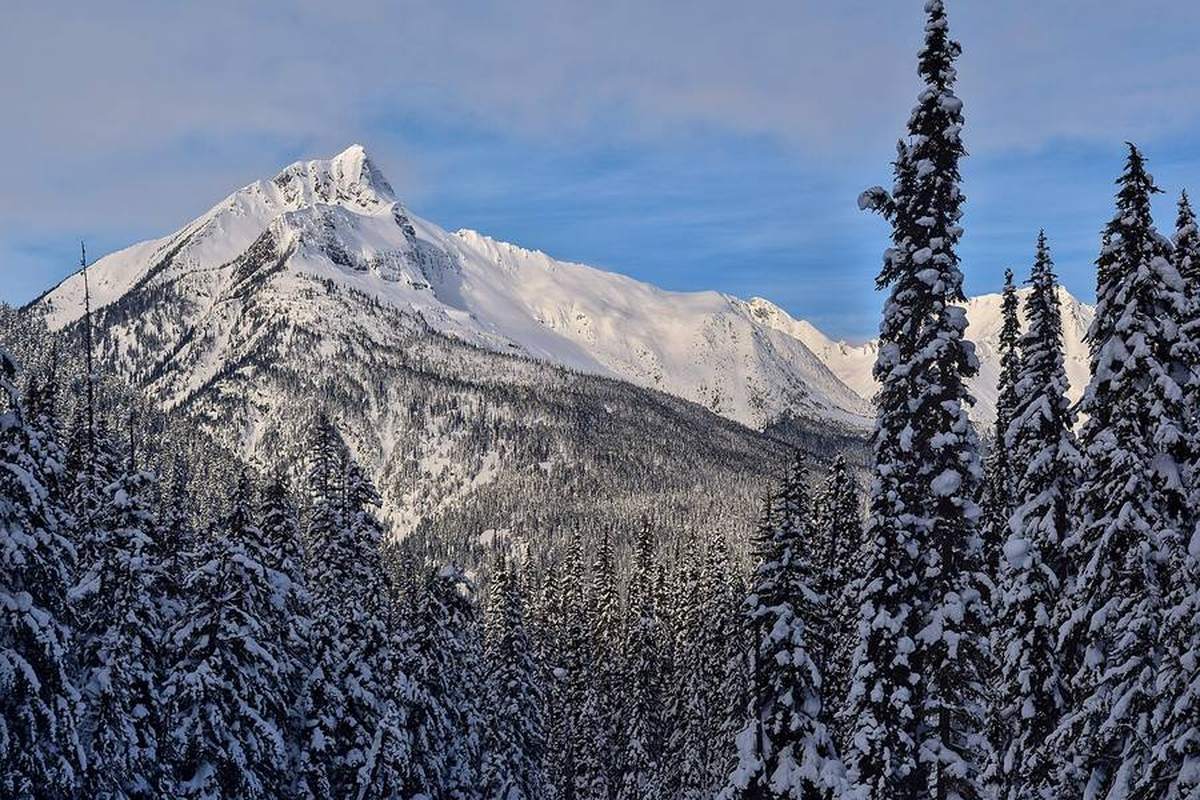
Iceland's Ring Road Attractions
What to Expect on Your Ring Road Trip
Driving Iceland's Ring Road is a loop of waterfalls, glaciers, volcanoes, and fishing towns. This guide covers the essential Iceland Ring Road attractions plus quieter hidden gems, with practical advice on timing, photography, and dodging the tourist crowds at peak hours.
The route is roughly 1,300 kilometers, and most travelers drive clockwise or counterclockwise from Reykjavik. Whether you want the best stops ring road iceland is famous for or off-the-beaten-path alternatives, knowing the road's flow helps you plan efficient daily drives. By the end of this article, you will have a complete itinerary and insider knowledge to experience Iceland's diverse landscape fully.
From the thunderous cascade of Seljalandsfoss and Skogafoss to the icy expanse of Vatnajokull National Park, each section of the road reveals new wonders: glacial lagoons, volcanic craters, and black sand beaches. The article also points you toward serene ring road photo spots and less-crowded alternatives, so you can capture the magic without the rush. Knowing the best time to visit each attraction can make the difference between a crowded viewpoint and a solitary experience, and we explain exactly when to go. With this guide, you will navigate the Ring Road with confidence and discover why it remains one of the world's great driving adventures.
Golden Circle and South Coast: Essential Stops
Thingvellir National Park: A Tectonic Rift
Thingvellir National Park is a UNESCO World Heritage site set in the dramatic rift valley between the North American and Eurasian tectonic plates. About 40 minutes from Reykjavik, it is a key stop on the Golden Circle route. Established in 1930, it was the first of Iceland's national parks and remains one of the most significant. The park's unique geology and its role as the site of the ancient Althing parliament make it a standout among Iceland's ring road attractions. For anyone planning a trip around Iceland, it belongs on every list of the best stops on the Ring Road.
Key experiences include snorkeling in the Silfra fissure, a crack between continents with visibility over 100 meters. Snorkeling requires advance booking and a dry suit since the water temperature stays around 2 degrees Celsius year-round. The Almannagjá gorge offers an easy walking path along the canyon wall, passing the Lögberg rock where the world's oldest parliament once convened. At the edge of the gorge, the Öxarárfoss waterfall plunges about 20 meters and is one of the most photographed waterfalls in Iceland. For photography, a wide-angle lens is essential to capture the full scale of the canyon walls; using a small aperture like f/16 keeps the scene sharp from foreground to background. The local spelling is Þingvellir, reflecting the historical name of the parliament site.
Summer crowds can be intense, so arriving before 9 am in June and July ensures a quieter experience. Alternatively, visiting in the shoulder seasons of late May or early September can avoid the peak. In winter, the park is less crowded but road conditions require caution. Check weather forecasts and road reports before heading out. Regardless of season, Thingvellir delivers an unforgettable geological and cultural stop, making it a highlight of any Ring Road itinerary.
Geysir and Gullfoss: Geothermal and Waterfall Marvels
The Geysir geothermal area on Iceland's Golden Circle is a regular stop on any Ring Road trip. The namesake Geysir is now mostly dormant, but its neighbor Strokkur erupts reliably every 5 to 10 minutes, blasting boiling water up to 20 meters high. Visitors gather around the turquoise pool, cameras ready, as the water swells and bursts with a satisfying roar. The surrounding hot springs and steam vents add to the otherworldly landscape, and it is one of the best stops on the Ring Road for geothermal wonder.
Just a 10-minute drive away lies Gullfoss, one of Iceland's most iconic waterfalls. The Hvita River plunges in two tiers, dropping a total of 32 meters into a rugged canyon. On sunny days, rainbows frequently form over the mist, making it a prime ring road photo spot. For a different perspective, skip the lower viewing platform and walk to the upper platform, which offers a head-on view of the cascade and the gorge. To avoid harsh shadows and capture the fall in even light, plan your visit outside midday hours.
Together, Geysir and Gullfoss form a compact half-day detour from the Ring Road, often paired with Thingvellir National Park. They are part of Iceland's famous Golden Circle, yet their convenience and beauty make them essential additions to any itinerary focused on Iceland national parks and Iceland waterfalls.
Seljalandsfoss and Skogafoss: Waterfalls You Can Walk Behind
Two of Iceland's most photographed waterfalls sit 20 minutes apart on the South Coast, but each feels completely different. Seljalandsfoss drops 60 meters from a cliff carved by ancient glaciers, and its main draw is the narrow footpath that winds behind the falling water. Anyone who goes this close should wear a waterproof jacket and pants. Even on a calm day, the spray soaks through fast. This access makes Seljalandsfoss one of the best stops on the Iceland Ring Road for travelers who want to see the falls from every angle.
Just 200 meters west of Seljalandsfoss is Gljufrabui, a hidden gem many visitors miss. You walk through a narrow canyon opening to find a waterfall plunging into a dimly lit grotto. The only way to reach it is through a shallow stream, so waterproof boots are equally essential. This spot rewards those who take the extra few minutes and offers a quieter, more intimate view of Iceland's waterfalls.
Further east, Skogafoss commands attention with its 60-meter drop and 25-meter width. A steep staircase of 527 steps climbs to the summit, where you can look out across the black sand coastline and the river valley stretching inland. The vantage point also reveals smaller cascades upstream, giving photographers a reason to linger after the climb.
For photography, plan your timing carefully. At Seljalandsfoss, arrive during the golden hour just after sunrise or before sunset to capture backlit mist against the dark cliff. On sunny days at Skogafoss, look for rainbows that appear in the spray near the base, especially around midday when the sun is high. Both locations rank among the top photo spots along the Ring Road for good reason.
Reynisfjara and Dyrholaey: Black Sand and Sea Arches
Just east of Vik, the coastline becomes one of Iceland's most dramatic stretches. Reynisfjara, the famous black sand beach, sits beneath towering basalt columns and the roaring North Atlantic. The volcanic sand shines in any light, and the columnar jointing of the rock forms a natural cathedral of hexagons. But Reynisfjara's beauty comes with a serious warning: sneaker waves. These powerful, unpredictable waves can rush far up the beach without warning, dragging anyone caught off guard into the icy sea. Never turn your back on the ocean here, and stay well above the high-tide line.
A few minutes east, Dyrhólaey rises as a massive promontory with a natural arch carved through its volcanic core. From the top, you get sweeping views of the black sand coast stretching south, and in summer, the cliffs teem with puffins and other seabirds. Late afternoon offers the best conditions, as the wind often drops and the low-angle light illuminates the arch and the surrounding sea stacks.
For photography, both spots reward early risers and patient shooters. At Reynisfjara, a long exposure of the waves sweeping over the black sand creates a silky contrast against the sharp basalt columns. Silhouettes of the basalt stacks against a moody sky make for iconic ring road photo spots. At Dyrhólaey, frame the arch with the beach below to capture one of Iceland's hidden gems without the crowds that fill the parking lot by midday.
Glaciers, Icebergs, and the East Fjords
Vatnajokull National Park: Europe's Largest Glacier
Vatnajokull National Park is a highlight of the Iceland ring road, and for good reason. Vatnajökull itself covers roughly 8 percent of the country, making it Europe's largest glacier by volume. The park protects not just the ice cap but also its outlet glaciers, ice caves, and underlying volcanic features like the Grímsvötn eruption site. This combination of fire and ice makes Vatnajökull a standout among the best stops ring road iceland offers.
The Skaftafell area serves as the main gateway for hiking. The popular trail to Svartifoss waterfall takes about 45 minutes each way, and the falls are best photographed with the basalt columns framing the scene. From the same trailhead, guides lead walks onto Skaftafellsjökull, a tongue of the main glacier. These are among the most accessible iceland glaciers for first-time visitors.
Timing matters for different experiences. Winter visitors (November through March) can book ice cave tours into the natural caverns that form inside the glacier. These tours sell out weeks in advance, so book early. Summer visitors can enjoy longer glacier hikes and the Skaftafell visitor center, which has exhibits on the park's geology and ecology. For photographers tracking ring road photo spots, the ice caves demand a tripod and low ISO to capture the deep blue light. Svartifoss offers a classic composition with its columnar basalt backdrop; bring a wide lens for both.
Jokulsarlon Glacier Lagoon and Diamond Beach
Few sights along the Ring Road match the stark beauty of Jokulsarlon, a glacier lagoon fed by the retreating Vatnajokull ice cap. Electric-blue icebergs calved from the Breidamerkurjokull glacier drift slowly toward the sea, often accompanied by seals swimming between the ice formations. Boat tours, from amphibious vehicles to small Zodiacs, take visitors up close to the towering blocks, where the ice's age is revealed in compressed blue bands. This stop is one of the best on Iceland's Ring Road, a highlight of any route itinerary.
Just across the road lies Diamond Beach, where icebergs that have drifted through the short channel wash ashore on volcanic black sand. The contrast of crystalline ice against the dark sand creates a scene that changes by the hour; some chunks are as small as a fist, others as large as a car. The name comes from the way the ice sparkles in the sun, like scattered gems. This Ring Road spot is a favorite for photographers seeking dramatic landscape shots.
Timing is critical: arrive early morning or late evening to avoid the tour bus crowds and to catch the best light. Low-angle sun illuminates both the lagoon and the beach with a warm glow that makes the ice pop. For photography, a polarizing filter is essential; it cuts the glare off wet ice and reveals the deep blues hidden beneath the surface. On the beach, try long exposures to blur the lapping waves and create a surreal effect around the grounded icebergs. Combining both Jokulsarlon and Diamond Beach in one visit gives you two completely different perspectives on glacial ice, making it one of the top stops for nature lovers and photographers alike.
East Fjords: Scenic Drives and Fishing Villages
The East Fjords are quieter and more dramatic than the crowded South Coast, with steep mountains dropping into deep inlets that shape some of the island's most striking landscapes. Key stops include Reyðarfjörður, a historic trading post with a well-preserved World War II museum; Fáskrúðsfjörður, a village shaped by French fishermen and known for its colorful harbor; and Egilsstaðir, the region's main town and the main gateway to the Icelandic highlands. These towns are among the best stops on the Ring Road for travelers seeking solitude and raw, uncrowded nature.
A worthwhile detour is Bakkagerði in Borgarfjörður Eystri, a remote coastal village that ranks among Iceland's top puffin-watching spots. Thousands of these seabirds nest on the nearby cliffs from June to August, viewable from designated trails. Photographers should aim for early morning, when mist clings to the fjords and lights up the village's brightly painted houses against the rugged backdrop. These conditions make the East Fjords exceptional ring road photo spots. As an Iceland hidden gem, this area rewards those who linger with uncrowded trails, cascading waterfalls, and a genuine sense of discovery away from the tourist crowds.
North Iceland: Geothermal Wonders and Powerful Waterfalls
Myvatn Area: Pseudocraters and Geothermal Baths
The Mývatn lake region in North Iceland delivers some of the most varied geological sights along the Ring Road. This shallow eutrophic lake is surrounded by volcanic features formed over the past few thousand years. The Skútustaðagígar pseudocraters are a highlight: these crater-like mounds were created by steam explosions when lava flowed over wetlands. From a viewing platform, you can see the entire cluster, especially dramatic at sunset when the low sun casts long shadows across the lake. Nearby, Dimmuborgir (the Dark Castles) is a sprawling lava field with bizarre, twisted rock formations. One of the most famous features is the Kirkjan (Church) formation, a natural lava cave shaped like a cathedral dome. Hverfjall Crater, a massive tephra ring just east of Dimmuborgir, offers a straightforward 45-minute rim hike with panoramic views of the entire Mývatn basin and distant mountains.
For a relaxing soak, the Mývatn Nature Baths are a quieter alternative to the Blue Lagoon, with water averaging 38 degrees Celsius (100 F) and a geothermal steam bath included in the entry fee. This is one of the best Iceland hot springs along the northern route, with views over the lake and lava fields. Photographers should plan to visit the pseudocraters from the higher vantage point of the Ring Road during the golden hour, while Dimmuborgir's twisted lava forms are best captured with a wide-angle lens and a polarizer to reduce glare on the wet volcanic rock. Hverfjall is best hiked in the evening: the light softens the crater walls and the crowds thin out.
For those seeking the best stops on the Ring Road in Iceland, the Mývatn area combines accessible geology, a soak, and photo opportunities that define the route.
Dettifoss: Europe's Most Powerful Waterfall
Dettifoss thunders through a 100-meter-wide chasm and plunges 44 meters into the Jokulsargljufur canyon, carrying the highest water volume of any waterfall in Europe. During spring melt, it channels up to 500 cubic meters of water per second, creating a constant mist that can soak visitors from 50 meters away. This immense force makes it a mandatory stop for anyone exploring the Ring Road - the raw power is unforgettable.
The waterfall is accessed via a gravel road off Route 864. The east-bank parking lot is easier to reach, requiring only a short 15-minute walk to the viewing platform. The west-bank road (Route 862) is rougher and often impassable for regular cars in wet conditions, but the payoff is a closer, more dramatic view that lets you feel the spray on your face. A 4WD is recommended for this side. Just 1.5 kilometers upstream, the smaller Selfoss offers a gentler cascade that makes a perfect warm-up for the main event.
To photograph Dettifoss, bring a wide-angle lens to capture the full width of the falls and the canyon walls. A tripod is essential for long exposures that smooth the water's motion, but be prepared to wipe the lens constantly - the mist coats everything. A rain cover for your camera or a shower cap over the body can save your gear. Early morning light from the east side illuminates the falls with fewer crowds, making it one of the best ring road photo spots in northern Iceland.
Husavik and Asbyrgi: Whale Watching and a Hidden Canyon
Husavik is widely considered the whale watching capital of Iceland, with tour operators reporting success rates above 95% during peak season. Common sightings include humpback whales, blue whales, and minke whales in the nutrient-rich waters of Skjalfandi Bay. For the best experience, book a morning tour when the seas are calmer and the light is best for photography. A telephoto lens is essential for capturing whales breaching or their tails surfacing against the backdrop of snow-capped mountains. This stop is one of the most rewarding for wildlife enthusiasts.
Just 60 kilometers east of Husavik lies Asbyrgi, a dramatic horseshoe-shaped canyon carved by catastrophic glacial floods thousands of years ago. Now part of Vatnajokull National Park, this hidden gem features sheer cliffs rising up to 100 meters on three sides, enclosing a flat, forested floor unlike most Icelandic landscapes. A short 20-minute hike from the parking area leads into the canyon, where birch trees and moss create a sheltered microclimate. The contrast between the towering rock walls and the lush vegetation makes it one of the best stops ring road Iceland offers for those seeking solitude.
For photographers, Asbyrgi's cliffs are best captured from the canyon floor with a wide-angle lens to emphasize their scale, while early morning light reduces harsh shadows. Both Husavik and Asbyrgi can be visited in a single day, making them efficient additions to any itinerary focused on Iceland national parks and Iceland hidden gems. Remember to dress warmly even in summer, as the canyon retains cool air.
Hidden Gems Along the Ring Road
Hraunfossar and Barnafoss: Translucent Waterfalls in West Iceland
Just over an hour and a half east of Reykjavik, the twin waterfalls of Hraunfossar and Barnafoss offer a quiet alternative to the crowded Gullfoss and Seljalandsfoss. Located just off the Ring Road near Husafell, these cascades are often overlooked by travelers racing toward the Westfjords. For those seeking Iceland hidden gems, this stop delivers an unforgettable sight: Hraunfossar spills across a 900-meter-wide lava field, sending hundreds of rivulets through porous rock. The water filters through the volcanic stone, emerging with a distinct milky blue hue that glows under low-angle sunlight.
A short walk upstream leads to Barnafoss, a narrow chute of white water that crashes through jagged basalt. The waterfall takes its name from a local legend: two children crossing a natural stone bridge were swept away when the arch collapsed, and it is said that the water still weeps at night. Unlike Hraunfossar's gentle sheet, Barnafoss is turbulent and compressed, its roar echoing off the canyon walls. Together, the two falls form one of the most photogenic and underrated sights on the Ring Road, yet they receive a fraction of the visitors of the Golden Circle.
For the best light on the water, plan your visit in the late afternoon, when the low sun backlights the cascades and the lava field. The smooth, flat boardwalk stretches less than half a mile and is wheelchair-accessible, making it an easy stop for all travelers. Most tour buses skip this pair, so you will often have the walkway to yourself. Add Hraunfossar and Barnafoss to your best stops ring road Iceland itinerary for a peaceful, visually stunning detour that rewards those who take the time to explore past the main tourist circuit.
Vatnsnes Peninsula: Seals and Coastal Cliffs
For travelers looking for sights beyond the main circuit, the Vatnsnes peninsula offers a quiet detour along Route 711. This rugged coastline is home to one of the country's most unusual rock formations: Hvitserkur, a 15-meter sea arch that resembles a dragon drinking from the ocean. The cliffs also host colonies of harbor seals, often seen basking on offshore rocks or swimming in the shallows.
The entire peninsula has dramatic sea cliffs, jagged sea stacks, and abundant birdlife, including Arctic terns and fulmars. Because it sits away from the main tourist flow, Vatnsnes feels more remote than many best stops ring road Iceland. It qualifies as one of the true Iceland hidden gems along the route, rewarding those who take the time to explore.
- For the best experience, visit Hvitserkur at low tide so you can walk closer to the base. Bring binoculars from Reykjavik or a local rental shop to spot seals from a safe distance without disturbing them.
- Photographers should aim for foggy conditions, when crashing waves frame the arch and seals dot the shoreline, a dramatic scene that ranks among top ring road photo spots in Iceland.
Bottom line on Planning Your Ring Road Trip
Making the Most of Your Iceland Ring Road Trip
From the Golden Circle's geysers and Thingvellir National Park to the South Coast's towering waterfalls like Seljalandsfoss and Skogafoss, the Iceland Ring Road attractions are as diverse as they are dramatic. Further east, you will find massive glaciers such as Vatnajokull, the serene East Fjords with their twisting roads, and the volcanic landscapes of North Iceland around Lake Myvatn. To truly appreciate these best stops the Ring Road has to offer, timing matters. Visit iconic sites early in the morning or late in the evening to avoid the tour bus crowds. Always check road.is and vedur.is for current conditions, especially in winter or shoulder seasons, when sudden storms can close stretches of Route 1.
For photographers, the golden hours around sunrise and sunset are ideal for capturing Iceland waterfalls and Iceland glaciers without harsh shadows. A sturdy tripod is essential for long exposures, and a waterproof cover for your camera will protect against spray near falls like Dettifoss. Pack a wide-angle lens for sweeping views and a telephoto for details like ice formations on Diamond Beach. Most importantly, respect the environment: stay on marked paths, never walk on fragile moss, and keep a safe distance from cliff edges and glacier tongues.
Beyond the well-known stops, the best memories often come from spontaneous detours. Take the gravel road to Hengifoss, one of Iceland's tallest waterfalls, or stop at the lonely turf church of Hofskirkja in the southeast. The Iceland hidden gems listed in this guide offer quieter encounters with nature. Use this article as your checklist and start planning your Ring Road trip today. Every bend in the road holds a new surprise, and with this itinerary, you are ready to experience the very best of Iceland's incredible landscape.
Official sources
Details worth verifying before you go — checked against:
Travel Writer & Editor
Emily Johnson writes and edits Do Travel Blog. Every guide on the site starts the same way: with a question she actually had while planning — when to book, which pass to buy, how to get from A to B without overpaying. Where a number matters, she cites the source: park tickets link to the park's own fee page, visa rules to the official consulate, ferry times to the operator. Prices get re-checked against those pages before each update, and a guide is re-dated when its numbers move. Nothing here is sponsored — she doesn't accept payment for coverage. Spotted something stale or wrong? Email hello@dotravel.blog and she'll fix it.