Tbilisi Public Transport & Car-Free Day Trips to Kakheti
Master Tbilisi's metro, buses, and marshrutkas with this complete transport guide. Discover how to explore Mtskheta and Kakheti wineries without a car. Plan your car-free day trips today.
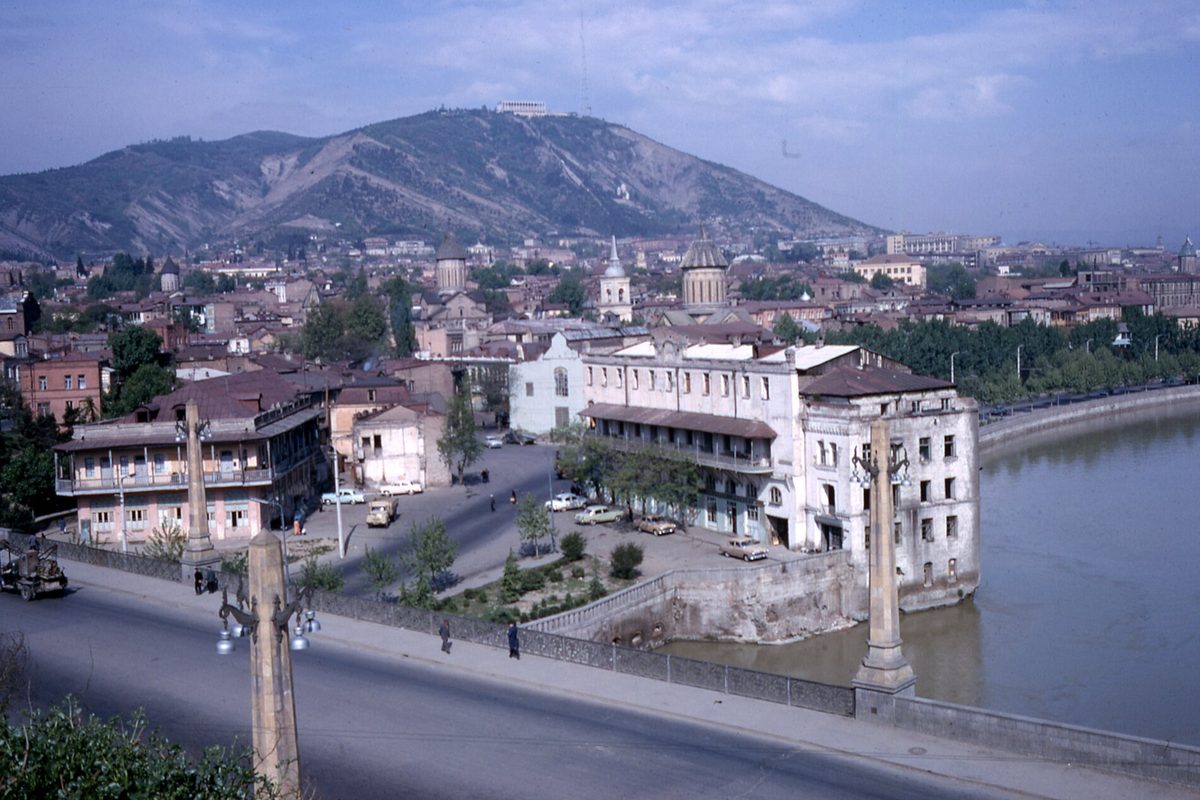
Tbilisi Public Transport: Your Gateway to the City and Beyond
Why a Tbilisi Public Transport Guide Matters for Independent Travelers
Tbilisi's compact Old Town is easily walkable, but the city's full potential opens up when you step outside the historic center. Public transport becomes essential for independent travelers: the ancient capital of Mtskheta is reachable in 20 minutes by marshrutka, and the Kakheti wine region is a day trip without a rental car.
This guide covers the metro, city buses, and marshrutka minibuses, plus two car-free day trips that work perfectly for first-time visitors. It walks through the Tbilisi metro card system (the Metromoney card costs 2 GEL and rides are 1 GEL), the most useful marshrutka routes, and the exact marshrutka numbers for Mtskheta and Telavi. No confusing jargon, just practical, step-by-step advice for getting around Georgia's capital and beyond.
With a Metromoney card loaded and a few marshrutka numbers saved, you can see Svetitskhoveli Cathedral at sunrise or join a Tbilisi to Kakheti wine tour without worrying about parking or driving. These day trips from Tbilisi no car are not only possible; they are actually easier and cheaper than renting a vehicle. The metro covers the city, the minibuses handle the suburbs, and the long-distance marshrutkas take you straight to the vineyards. This guide provides the exact instructions for each route, allowing independent travelers to plan confidently.
Getting Around Tbilisi by Metro, Bus, and Marshrutka
Tbilisi Metro: Lines, Stations, and How to Ride
Tbilisi's metro system is the fastest way to cross the city, with two lines covering the main districts. The Akhmeteli-Varketili line (red) runs from the northern suburbs through the city center to the southern industrial area, while the Saburtalo line (green) connects the university district with the central station. Key stations include Rustaveli and Liberty Square (both in the heart of the city), Marjanishvili (a lively neighborhood with cafes and markets), and Didube, which is the main hub for marshrutkas heading to the Kakheti wine region and other destinations. Didube's bus terminal links directly to the metro, making it a smooth transfer for day trips from Tbilisi without a car.
To ride the metro, you need a Metromoney card, which costs 2 GEL (refundable) and can be topped up at any station. A single ride costs 1 GEL, and you can also use the card on Tbilisi's buses and marshrutkas. Tbilisi metro cards are available at ticket windows and vending machines; you can buy them with cash or card. The metro operates from 6:00 AM to midnight, with trains running every 2-4 minutes during peak hours and every 5-10 minutes off-peak.
While the metro is efficient, it gets crowded during rush hour between 8-10 AM and 6-8 PM. If you can, plan your trips outside these windows to avoid the crush. Also, keep an eye on your belongings, especially in busy stations and on packed trains. The metro is safe, but pickpocketing can occur in crowded areas. With these tips, you will navigate the system like a local.
Tbilisi City Buses: Routes and Fares
Tbilisi's bus network covers over 150 routes and operates on a hop-on, hop-off basis. You pay with the same Metromoney card used for the metro, tapping at the front door. A single ride costs 1 GEL (about $0.37), and transfers are free within 90 minutes. This makes buses an affordable way to reach neighborhoods the metro does not serve, such as the hillside areas of Mtatsminda or the distant suburbs of Gldani.
Three routes are especially useful for visitors. Bus #350 runs from the city center to the airport in about 40 minutes, a cheaper alternative to a taxi. Bus #6 connects to Didube station, where you can catch marshrutkas to Mtskheta or Kakheti. Bus #9 goes to Vake Park, a popular green space. Do note that buses are slower than the metro due to traffic, so budget extra time during rush hours.
For real-time tracking, use the Tbilisi Transport app or check Google Maps, which now shows live bus positions. Boarding at the first stop or using the mobile app to see when the next bus arrives will save you from waiting in the heat or cold. Even with slower speeds, the bus network is indispensable for anyone planning day trips from Tbilisi without a car.
Marshrutka Routes in Tbilisi: Flexible Minibus Travel
Marshrutkas are the backbone of Tbilisi's public transport system. These shared minibuses follow fixed routes but stop virtually anywhere a passenger requests. Unlike city buses, they have no official schedule; they depart when full and run every few minutes during peak hours. For anyone navigating the city, understanding marshrutkas is essential, as they reach neighborhoods the metro does not serve.
Common routes include marshrutka #10, which runs from Rustaveli Avenue to Didube bus station, and marshrutka #14, connecting Liberty Square with the main railway station. These minibuses are especially useful for reaching Vake, Saburtalo, and the outskirts of the city. Fares cost 2 to 3 GEL per ride, paid in cash directly to the driver.
To catch a marshrutka, stand at any designated stop and wave as it approaches. Pay when you board, or hand your fare forward if you are seated further back. Tell the driver your destination in advance, or simply call out 'gacheret' (stop here) when you see your stop. This flexible system makes marshrutka routes in Tbilisi a convenient option for spontaneous travel.
Be prepared for crowded conditions, especially during rush hour; marshrutkas pack in as many passengers as possible. Route maps are rarely posted inside the vehicle, so use the Tbilisi Marshrutka app or Google Maps to track your route in real time. The app displays the exact route and stops, helping you navigate without confusion. With a little practice, marshrutkas become an indispensable tool for day trips from Tbilisi without a car, whether you are heading to the train station or transitioning to a longer journey toward Kakheti.
Essential Tips for Using Tbilisi Public Transport
Getting a Tbilisi Metro Card: Step by Step
Buying a Metromoney card is your first step to using Tbilisi's public transport. Head to any metro station kiosk or vending machine. At the kiosk, ask for a Metromoney card and pay 2 GEL for the card itself. Then load it with trips: each ride costs 2.50 GEL as of 2025. Vending machines have an English-language interface and accept both cash and cards. These Tbilisi metro cards are reusable, so you only need to buy the card once.
Topping up is straightforward. Use the same machines, kiosks, or the Tbilisi Transport app. The app lets you add funds directly from your phone. The card works for both buses and the metro, so you can switch between them without buying a separate ticket. A tip: keep your card until your last day in Tbilisi. It remains valid for years, making it useful for future visits.
Having a Metromoney card makes navigating the city simple, especially for day trips without a car. For example, to reach the Kakheti wine region, take the metro to Didube station and catch a marshrutka. The same card gets you to the bus station, though you pay cash for the minibus itself. This guide covers the essentials, from metro cards to marshrutka routes, so you can explore Mtskheta from Tbilisi or join a Kakheti wine bus tour without renting a car.
Tbilisi Taxi Apps: Safe and Affordable Rides
When navigating Tbilisi, the two most reliable taxi apps are Bolt and Yandex Go. Both operate like ride-hailing services worldwide: you set your pickup point, enter your destination, choose between economy or comfort options, and pay by card or cash. These apps are much better than hailing a street taxi, which often quotes inflated prices to tourists. Using the app shows you the fare upfront, so there is no risk of overcharging.
For short trips within the city center, fares usually run between 5 and 10 GEL. A ride to the airport costs around 15 to 25 GEL, depending on traffic and the time of day. The convenience and transparency make these apps a key part of any visit. Even if you plan to rely on buses and metro, having a taxi app installed gives you a backup for late-night travel or when carrying luggage.
Street taxis are plentiful, but the price difference is significant. An unmetered street taxi might charge 30 GEL for a trip that costs 7 GEL on Bolt. For safety and budget, stick with the apps.
Free Things to Do in Tbilisi via Public Transport
Tbilisi's public transport gets you to several free attractions without a car. The metro's Liberty Square station is the gateway to the Old Town, where you can walk to Rike Park, the modern Bridge of Peace, and the base of Narikala Fortress. Climbing the fortress is free, and the path up offers wide views of the city and the Mtkvari River. The Dry Bridge Market, a 10-minute walk from Avlabari metro station, is a free open-air flea market open on weekends, where you can browse Soviet-era antiques, local art, and handmade crafts.
The aerial tramway from Rike Park to Narikala costs 2.50 GEL for a round trip, but walking up is free and takes about 20 minutes. At the top, the Mother of Georgia statue offers panoramic views at no cost. Free walking tours start daily from Freedom Square at 10:00 AM and 2:00 PM, led by local guides who cover the history of the Old Town, the sulfur baths, and the city's architecture. These tours are tip-based and last about two hours.
With a Tbilisi metro card, you can easily combine these free activities in one day. Purchase a card at any station for 2 GEL (refundable) and load it with credit for single rides at 1 GEL per trip. The metro runs from 6:00 AM to midnight, and buses connect to other areas. For those seeking free things Tbilisi has to offer, the combination of public transport and walking makes it possible to see the city's highlights without spending on expensive tours or entry fees. The Mother of Georgia statue, the Narikala fortress walls, and the lively Dry Bridge Market are all accessible without a car.
Day Trips from Tbilisi Without a Car
Mtskheta from Tbilisi: A Quick and Easy Trip
A trip to Mtskheta from Tbilisi is one of the most straightforward day trips you can do without a car. Head to Didube bus terminal, find the marshrutkas bound for Mtskheta, and you'll be on your way in minutes. The ride takes about 30 minutes and costs just 2 GEL per person. Marshrutkas leave regularly from the same bay as the Kutaisi and Gori routes, so look for the sign or ask a driver.
Once in Mtskheta, two sights dominate. Svetitskhoveli Cathedral, a UNESCO World Heritage site, sits in the town center with its 11th-century frescoes and the claimed burial site of Christ's robe. A short taxi ride or a 20-minute uphill walk takes you to Jvari Monastery, perched on a cliff overlooking the confluence of the Aragvi and Mtkvari rivers. The view alone is worth the climb.
The entire trip can be done in half a day, leaving you plenty of time for a leisurely lunch at a local restaurant near the town square. Try the Mtskheta-style khachapuri or a plate of ojakhuri. If you're tired after visiting Jvari, take a taxi back to town for around 15-20 GEL. This is a reliable option for travelers who want to save energy without sacrificing the experience.
Tbilisi to Kakheti Wine Tour by Bus or Marshrutka
For a self-guided Tbilisi to Kakheti wine tour, the marshrutka from Didube bus station is the most flexible option. Marshrutkas to Telavi, the regional capital, depart regularly from the northwest corner of the lot. The journey takes 2 to 3 hours and costs 10 to 15 GEL per person. If you prefer a smaller town, take a direct bus to Signagi instead: 2 hours and 8 GEL, dropping you right at the old town gate. Both routes pass through vineyard country, and you can hop off at any winery along the way if you arrange it with the driver beforehand.
Didube is the central hub for all Kakheti routes. The station is a chaotic but functional open-air lot crammed with minibuses and coaches. Look for the signs or ask for "Telavi" or "Signagi" at the marshrutka dispatcher booth. The most convenient place to catch a marshrutka is from the Didube metro station exit, which puts you directly at the bus terminal.
If you want a more structured experience, join a guided minibus wine tour. These tours typically cost 30 to 50 GEL per person and include visits to two or three wineries, a traditional supra lunch with khachapuri and khinkali, and round-trip transport from central Tbilisi. They save you the hassle of navigating marshrutka schedules and negotiating with drivers, though you lose the freedom to linger at a winery you love.
One practical tip: always check the return schedule. Marshrutkas and buses to Kakheti run frequently in the morning but taper off after 4 p.m. On weekdays, the last marshrutka from Telavi back to Tbilisi departs around 6 p.m. Missing it could mean a costly taxi ride or an unplanned overnight stay. Ask your driver for the return time when you arrive, and save the number of a Tbilisi taxi app like Bolt or Yandex Go just in case.
Exploring Signagi: The City of Love on a Day Trip
A marshrutka from Didube bus station reaches Signagi in two hours for 8 GEL, making it an easy day trip from Tbilisi without a car. Marshrutkas run frequently from morning to late afternoon. For anyone relying on public transport, this route is essential for a Signagi day trip.
The walled old town, with its 18th-century fortifications, is a maze of cobblestone streets lined with pastel houses and flower-filled balconies. The fortress walls offer panoramic views of the Alazani Valley, heart of Georgia's wine region, with the distant Caucasus mountains on the horizon. The 24-hour marriage registry allows couples to marry at any hour, adding to the romantic atmosphere that earned the town its nickname "City of Love."
Wine lovers should not miss Pheasant's Tears, a cellar producing natural qvevri wines. Tastings cost 15-25 GEL for several varieties. The Signagi Museum displays artifacts from the region's history, including archaeological finds and traditional costumes. Together, these make a Tbilisi to Kakheti wine tour without a car entirely doable.
For the best experience, try local cheese with a glass of Saperavi at a small cafe, then walk the fortress walls as the sun sets over the valley. The golden light on the mountains from the southeastern bastion is a perfect end to your Signagi day trip. Many visitors find this the highlight of their day.
Telavi and the Heart of Georgia Wine Country
Reaching Telavi from Tbilisi is straightforward without a car. Head to Didube station, where marshrutkas bound for Telavi depart every 30 to 60 minutes. The journey takes about 2.5 hours and costs 10 to 15 GEL per person. This is one of the most reliable marshrutka routes Tbilisi offers for exploring Kakheti, and it gives you a direct window into Georgia's vineyard-draped countryside.
Once in Telavi, the main attractions cluster within walking distance. Batonis Tsikhe fortress, the 17th-century royal residence, anchors the city center with its crenellated walls and museum. A short stroll leads to the lively Telavi bazaar, where farmers sell fresh churchkhela, sulguni cheese, and local honey. Just 20 minutes east by taxi, Alaverdi Monastery rises above the Alazani Valley; its 11th-century cathedral is one of Georgia's tallest religious structures.
Wine lovers can explore the region's famous cellars independently. From Telavi, a taxi ride to Shumi, Tsinandali, or Napareuli wineries runs about 10 to 15 GEL per ride. Each Telavi wine cellar offers tastings and tours, often including a look at traditional qvevri winemaking. For a more structured experience, book a local guide for a half-day wine tour; prices typically range from 30 to 40 GEL per person, covering transport, entry fees, and tastings. This approach lets you enjoy a full Tbilisi to Kakheti wine tour without a rental car, making it one of the best day trips from Tbilisi no car required.
Kakheti Wine Bus Tour: Practical Tips for Independent Travelers
Travelers heading to Kakheti from Tbilisi face a choice between organized group tours and a do-it-yourself approach. Group tours bundle transport, a guide, and often lunch at a family winery, making them hassle-free for a single day. A DIY trip using marshrutkas and local taxis costs roughly 30-50 GEL total and lets you set your own pace, but it requires more planning. For a Kakheti wine bus tour without a fixed itinerary, independent travelers can start at Tbilisi's Ortachala bus station or the Samgori metro area, where marshrutkas depart regularly for Telavi or Sighnaghi.
Reputable operators offering structured tours include GoTrip Georgia, which provides private transfers with driver-guides, and Shekvetili Tours, known for small-group wine excursions. Local agencies in Tbilisi, such as those along Rustaveli Avenue, also sell day trips to Kakheti wineries. These tours typically cost 60-100 GEL per person and cover three to four stops, including a traditional supra. For a DIY Kakheti wine bus tour, travelers should research marshrutka routes to Sighnaghi (around 10 GEL per person) and then hire a local taxi for winery visits, which usually costs 20-30 GEL for a half-day. The key is to confirm the return time with the driver and always carry enough cash for unexpected expenses, as card payments are rare outside Tbilisi.
Understanding marshrutka routes and metro cards helps DIY travelers plan efficiently. The Tbilisi to Kakheti wine tour is one of the most rewarding day trips from Tbilisi without a car, offering a taste of Georgian wine culture without the need for a rental vehicle. With a bit of advance preparation, independent travelers can enjoy the same wineries as organized groups at a fraction of the cost.
Bottom line
Tbilisi's public transport system is one of the most affordable and reliable ways to explore the city and its surroundings. A single metro ride costs just 1 lari (about $0.30), and the same reusable metro card works on buses and marshrutkas. With this network, day trips from Tbilisi without a car become straightforward: a marshrutka to Mtskheta departs from Didube station every 15 minutes for 2 lari, and a Tbilisi to Kakheti wine tour by bus or shared minibus costs around 30 lari, including tastings at several family wineries. This Tbilisi public transport guide proves that you do not need a rental car to experience Georgia's wine country or ancient capital. The marshrutka routes are well-signposted and drivers are helpful.
The key to stress-free travel is to buy a metro card as soon as you arrive at the airport or any metro station. Vending machines accept cash and cards, and you can load the card with as little as 5 lari. With this card, you can tap onto any bus, metro, or marshrutka across the city, eliminating the need for cash tickets. Once you have it, navigating Tbilisi and planning day trips from Tbilisi without a car becomes second nature. Start planning your trip using the tips in this guide: grab a card, hop on a marshrutka, and discover why Georgia's capital is best explored on its own terms.
Official sources
Details worth verifying before you go — checked against:

Travel Writer & Editor
Emily Johnson writes and edits Do Travel Blog. Every guide on the site starts the same way: with a question she actually had while planning — when to book, which pass to buy, how to get from A to B without overpaying. Where a number matters, she cites the source: park tickets link to the park's own fee page, visa rules to the official consulate, ferry times to the operator. Prices get re-checked against those pages before each update, and a guide is re-dated when its numbers move. Nothing here is sponsored — she doesn't accept payment for coverage. Spotted something stale or wrong? Email hello@dotravel.blog and she'll fix it.