7 Days in Georgia Without a Car: Tbilisi to Svaneti
Plan your Georgia 7 day itinerary no car using trains, marshrutkas, and shared taxis. Explore Tbilisi, Kakheti wine region, and Svaneti mountains without a rental car.
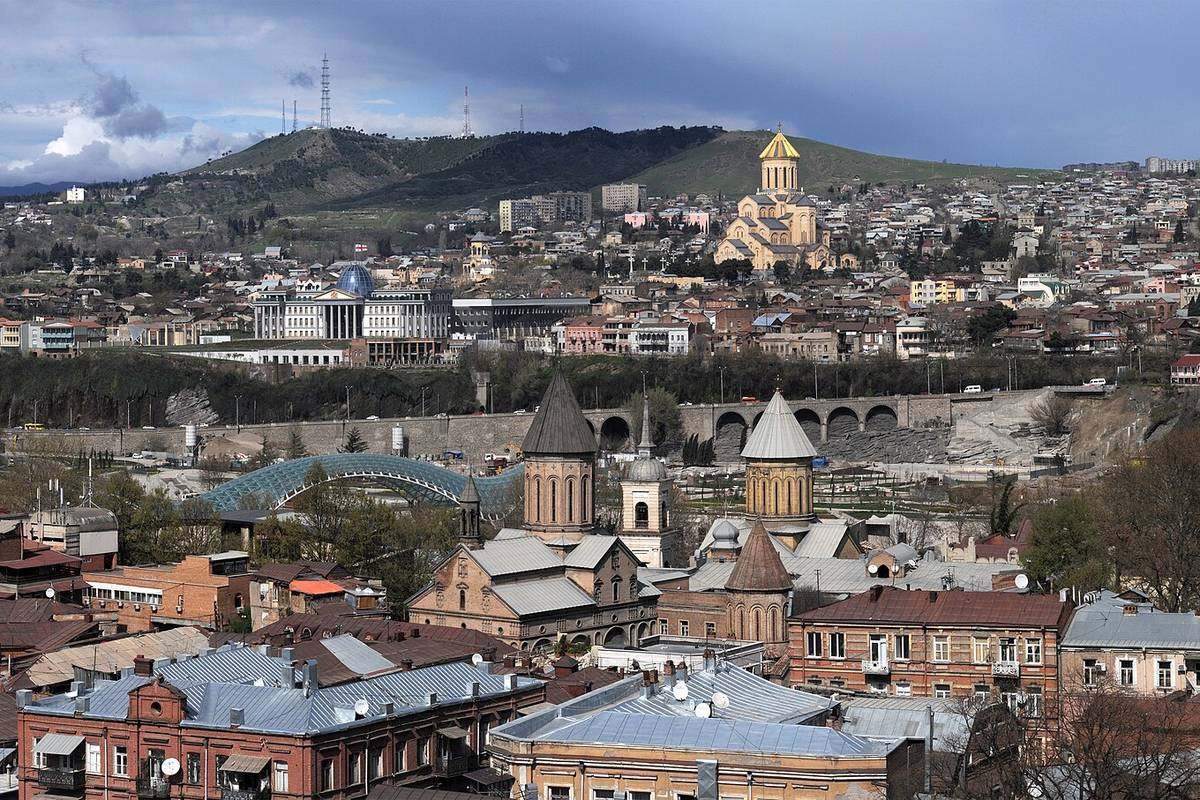
Overview of the 7-Day Itinerary
Traveling independently in Georgia without a rental car is far easier than most visitors expect. The country's compact geography and well-connected network of trains, marshrutkas (minibuses), and shared taxis make it possible to explore the capital, the wine country, and the high Caucasus in a single week. This Georgia 7 day itinerary no car is designed for travelers who want to skip driving and rely on the local transport system, which is affordable and reliable.
The route covers three distinct regions: Tbilisi, the capital known for its eclectic architecture and sulfur baths; Kakheti, Georgia's primary wine region with rolling vineyards and ancient monasteries; and Svaneti, a remote mountain area famous for its medieval stone towers and dramatic alpine scenery. The journey connects these destinations using public transport, following the Tbilisi Kakheti Svaneti public transport route that locals and backpackers use regularly.
Whether you are a solo traveler or part of a small group, this Georgia without car route offers flexibility. You can adjust the pace, add day trips, or shorten stays depending on your interests. The itinerary includes practical tips on how to travel Georgia by train (for the Tbilisi to Zugdidi leg), marshrutka to Svaneti (from Zugdidi to Mestia), and shared taxis for shorter distances in Kakheti. It is a budget Georgia itinerary that keeps costs low while maximizing experiences, and it works well for a Georgia solo travel plan where independence is key.
Planning Your Car-Free Georgia Trip
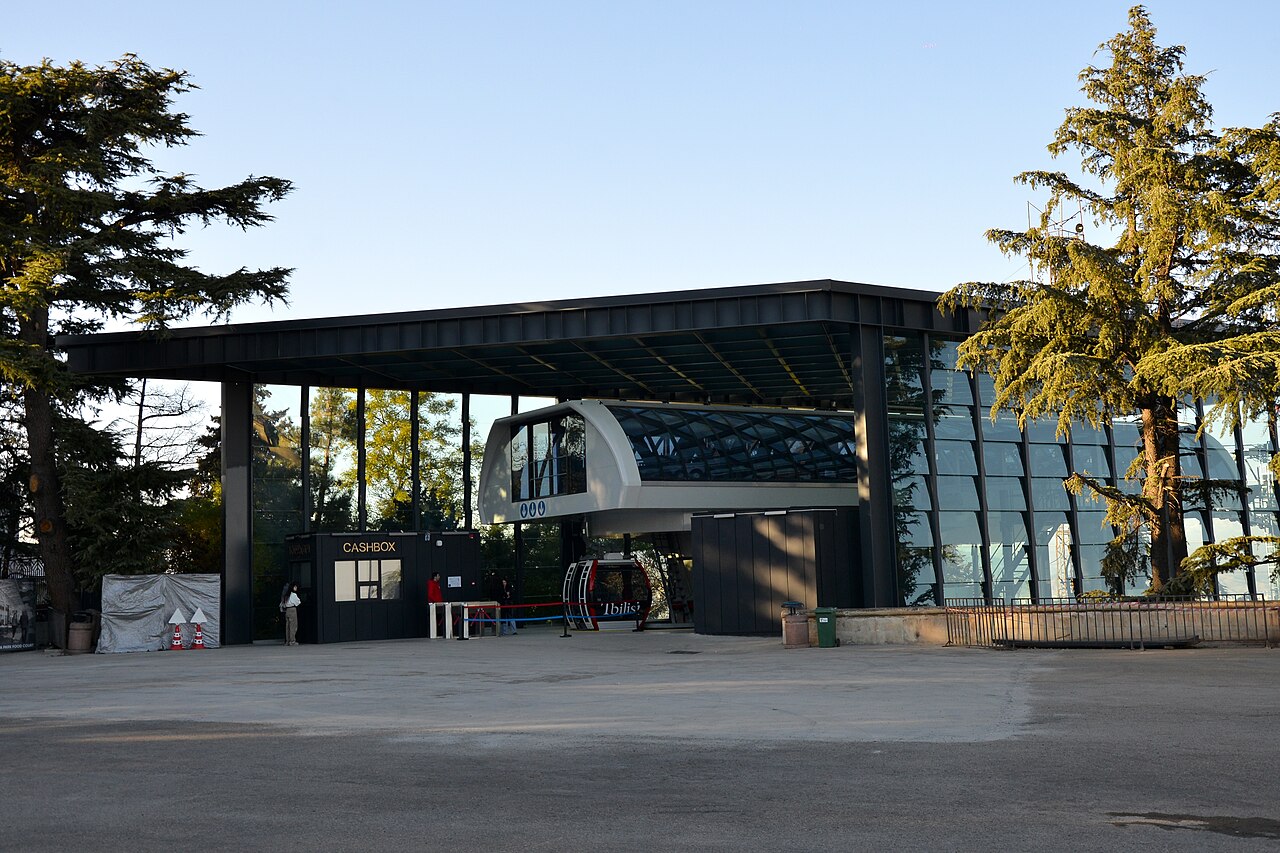
Photo: Jelger Groeneveld / CC BY 4.0 / Wikimedia Commons
Understanding Georgia's Public Transport: Trains, Marshrutkas, and Shared Taxis
Georgia's public transport network makes a car-free itinerary surprisingly straightforward. The system combines overnight trains, ubiquitous marshrutkas (minibuses), and shared taxis to connect Tbilisi with Kakheti and Svaneti. Understanding how these options work is the key to a smooth trip.
Georgian Railways operates a nightly sleeper train from Tbilisi to Zugdidi, the gateway to Svaneti. The train departs around 9:30 PM and arrives in Zugdidi at about 6:30 AM, costing roughly 30 GEL for a second-class couchette. Tickets can be booked online at railway.ge or at Tbilisi Central Station, though same-day purchases are usually fine outside peak season. From Zugdidi, a marshrutka or shared taxi continues to Mestia, taking about 4 hours.
Marshrutkas are the backbone of Georgia's public transport. For western destinations like Svaneti, head to Didube bus station, where minibuses depart for Zugdidi, Batumi, and Kutaisi throughout the day. For eastern routes into the Kakheti wine region, Ortachala station is your hub. Direct marshrutkas from Ortachala run to Telavi and Sighnaghi, typically costing 10-15 GEL and taking 2 hours. No advance booking is needed; just show up, confirm the destination with the driver, and pay onboard.
Shared taxis fill the gaps where marshrutkas are less frequent. For the Tbilisi to Mestia leg, a shared taxi from Didube costs about 50-60 GEL per person and shaves an hour off the marshrutka journey. In Kakheti, shared taxis between wineries or from Telavi to Sighnaghi are easy to arrange at the main bus stands. Negotiate the price before getting in, and expect to wait until the car is full.
For a budget Georgia itinerary, marshrutkas are the cheapest option, while the night train offers a comfortable way to cover long distances without losing a day. Combined, these modes allow you to traverse the Tbilisi Kakheti Svaneti public transport route without a car, making this a viable Georgia solo travel plan or a budget-friendly adventure.
When to Go and What to Pack for This Route
Spring (April to June) and autumn (September to October) are the best times for this route. Daytime temperatures in Tbilisi sit around 20-25°C, while the mountains of Svaneti stay cooler at 10-15°C. These seasons also mean fewer crowds on marshrutkas and trains, so you can get seats without booking ahead. Summer (July-August) brings heat and more tourists, and winter snowfall can close the Mestia road.
Packing calls for a layered system. In Tbilisi, light clothing and comfortable walking shoes work for city wandering, but Svaneti needs a warm jacket, fleece, and a waterproof shell, even in May or October. The air in Mestia can turn chilly at night regardless of the season.
Essentials include a reusable water bottle (tap water is safe in most of Tbilisi and mountain villages), a power bank for long marshrutka rides where outlets are scarce, and comfortable walking shoes that can handle cobblestone streets and unpaved mountain paths. A small daypack helps for market visits and short hikes.
Budgeting for a 7-Day No-Car Itinerary
A week in Georgia without a car is surprisingly affordable, especially when you rely on public transport. Budget-conscious travelers can expect to spend around $45 to $65 per day, covering guesthouse accommodation, meals, and local transport. Guesthouses in Tbilisi and Svaneti typically cost $20 to $30 per night, including breakfast, while lunch and dinner at local cafes run $5 to $8 each. Transport between regions adds another $10 to $15 per day on average, keeping the overall daily spend well under $70.
- Marshrutka from Tbilisi to Sighnaghi: 10 GEL ($3.50)
- Train Tbilisi to Zugdidi (second class): 25 GEL ($9)
- Shared taxi from Zugdidi to Mestia: 40 GEL ($14)
- Marshrutka Mestia back to Tbilisi: 40 GEL ($14)
Wine tasting fees in Kakheti are modest, usually 5-10 GEL ($2-4) per session, and many wineries waive the fee if you buy a bottle. Optional guided hikes, such as the Chalaadi Glacier trek near Mestia, cost around $20-30 with a local guide. Setting aside $30-$50 for these extras leaves room for a memorable experience without blowing the budget.
For a full week following this Georgia without car route, a realistic total estimate is $500-$700 per person. That covers seven nights in guesthouses, all meals, intercity transport, a few wine tastings, and one guided hike. Solo travelers can trim costs by sharing marshrutka seats and choosing dorm beds, bringing the total closer to $450.
Days 1-2: Exploring Tbilisi by Foot and Public Transport
Day 1: Arrival in Tbilisi and Old Town Walking Tour
Day one starts when your flight lands at Tbilisi International Airport or your train pulls into Tbilisi Central Station. From either point, the metro is the fastest and cheapest way to the city center. A single ride costs 1 GEL (about 30 cents) using a reusable Metromoney card, which you can buy at the station kiosk. The airport is connected by the Airport Express bus to the Varketeli metro station, while the train station already has a metro entrance. Get off at Liberty Square station for the Old Town.
Check into a guesthouse in the narrow streets around Erekle II Street. Expect to pay 40-60 GEL per night for a basic but clean room with shared bathroom. Many guesthouses include a simple breakfast of bread, cheese, and jam.
Once you have dropped your bags, set out on a self-guided walking tour. Start at Freedom Square, with its gold statue of St. George, then walk south along the Kura River to Sioni Cathedral, the seat of the Georgian Orthodox Church. Continue to Anchiskhati Basilica, the oldest surviving church in Tbilisi, dating from the 6th century. The entire loop takes about 90 minutes at a leisurely pace.
As evening falls, head to Abanotubani, the historic sulfur bath district. A 60-minute soak in a private room costs around 50-70 GEL. The traditional brick-domed baths, like the famous Chreli-Abano, have been drawing visitors for centuries. The warm, mineral-rich water is a perfect antidote to travel fatigue and sets the tone for a week of exploring Georgia without a car.
Day 1 Evening: Traditional Georgian Feast at a Local Restaurant
On this route, your first evening in Tbilisi is best spent at a traditional restaurant that showcases the country's legendary hospitality. Machakhela, with its rustic wood-paneled interior and live polyphonic singing, offers an immersive experience. Alternatively, Shavi Lomi serves modern interpretations of classic dishes in a cozy courtyard setting. Both are within walking distance of the city center and accept card payments, so no need to worry about cash.
The meal must include three iconic dishes. Start with khinkali, broth-filled dumplings that should be eaten with your hands, biting a small hole to sip the juice before finishing the rest. The Adjarian khachapuri, a cheese-filled bread boat topped with a runny egg and butter, arrives sizzling and must be stirred together before tearing off pieces of the crust. Pkhali, a spread of finely chopped vegetables (spinach, beetroot, or eggplant) mixed with walnuts and herbs, provides a lighter counterpoint.
Pair the spread with a bottle of wine from Kakheti, Georgia's principal wine region, easily reached by public transport later in the itinerary. A dry Saperavi or a crisp Rkatsiteli from a local producer like Teliani Valley or Orgo complements the rich flavors. This feast not only satisfies hunger but also introduces the culinary traditions that define this Georgia without car route, setting the tone for the week ahead.
Day 2: Tbilisi Essentials - Cable Car, Narikala, and Dry Bridge Market
Day two starts with the Tbilisi cable car from Rike Park, a 2.5 GEL ride that lifts you above the Mtkvari River to the Narikala Fortress platform. The 360-degree view over the colorful Old Town and the sprawling city beyond is one of the most iconic views of the whole week. From the platform, walk up the stone steps to explore the fortress ruins, which date back to the 4th century and give you a real sense of Tbilisi's layered history.
Instead of returning by cable car, descend through the Botanical Garden of Tbilisi, which sprawls across 128 hectares downhill from the fortress. The garden's shaded paths, streams, and waterfall make for a peaceful transition from hilltop to city. The exit deposits you near the western end of the Dry Bridge Market, where vendors sell everything from Soviet-era medals and vinyl records to antique carpets and samovars. This is Tbilisi's most famous flea market, open daily but best on weekends.
For lunch, head to a local khachapuri spot near the market. Sakhli #11 on Betlemi Street serves a perfectly crisp Imeretian khachapuri with gooey sulguni cheese, accompanied by a simple tomato and cucumber salad. A meal for one runs about 15-20 GEL, fitting a budget Georgia itinerary. This combination of fortress, garden, market, and local food captures the essence of how to travel Georgia by train and marshrutka, but today everything is within walking distance, making it a stress-free start to your 7-day route.
Day 2 Afternoon: Day Trip to Mtskheta by Marshrutka
On the second afternoon, head to Didube bus station to catch a marshrutka to Mtskheta, Georgia's ancient capital. The ride takes just 20 minutes and costs around 1 GEL per person. From the town center, a short taxi ride or a steep uphill walk (about 30 minutes) leads to Jvari Monastery. This 6th-century UNESCO World Heritage site offers sweeping views of the confluence of the Mtkvari and Aragvi rivers. Spend 30-45 minutes here before descending back to Mtskheta.
Next, visit Svetitskhoveli Cathedral, the largest medieval church in Georgia. Built in the 11th century, it is believed to be the burial site of Christ's robe and is a deeply spiritual place. Wander its frescoed interior and peaceful courtyard. By late afternoon, catch a marshrutka back to Tbilisi (same 20-minute journey). This easy day trip proves the route is entirely feasible by public transport. Return to Tbilisi for a relaxed evening meal.
Days 3-4: Kakheti Wine Region by Public Transport
Day 3: Travel from Tbilisi to Telavi by Marshrutka
On Day 3, you head east from Tbilisi to the Kakheti wine region. The main public transport option is the marshrutka from Ortachala Bus Station. Ortachala is the central hub for routes heading east and south, about 15 minutes by metro from the city center. Marshrutkas to Telavi leave every 30 to 60 minutes between 7:00 AM and 6:00 PM. The trip takes roughly 2 hours, covering 120 kilometers through scenic hills and passing through the town of Sagarejo. A ticket costs around 10 to 15 GEL ($3.50 to $5.50). For the most reliable service, arrive before 10:00 AM to get a seat and avoid the midday rush.
Arriving in Telavi, you step into the heart of Kakheti. Most guesthouses are clustered near the central square or along the main streets within walking distance from the marshrutka drop-off point. It is wise to book your guesthouse in advance, especially during harvest season (September to October). These family-run lodgings often include a traditional home-cooked supra (feast) and offer wine tastings with their own homemade qvevri wine. Budget-friendly options start around 40 to 50 GEL per night for a private room, including breakfast.
After settling in, spend the afternoon visiting the Tsinandali Estate, about 10 kilometers east of Telavi. You can take a local marshrutka or a taxi (10 to 15 GEL) for the short ride. The estate is the former home of the 19th-century poet and diplomat Alexander Chavchavadze. The museum displays period furniture, art, and manuscripts, and the gardens are a peaceful blend of European and local design. The highlight for many is the wine cellar, where you can taste the estate's signature Tsinandali wine. This visit is a perfect introduction to Kakheti's wine culture and makes the Tbilisi Kakheti Svaneti public transport route feel effortless.
Day 3 Evening: Wine Tasting in Telavi
By the time you arrive in Telavi on the afternoon marshrutka from Tbilisi, the town's small scale makes it easy to navigate on foot. The route is designed to minimize logistics, and Telavi's compact center means you can walk everywhere. Begin your evening by exploring local wine cellars within a few blocks of the main square. Many family-run cellars offer tastings of qvevri wines, aged in clay vessels buried underground. A visit to a cellar like Napareuli Wine Cellar gives a taste of the ancient winemaking tradition that defines Kakheti. Most tastings cost 20-30 GEL and include three to five wines, from dry Saperavi to amber Rkatsiteli.
For dinner, book a guesthouse that serves a traditional homestyle meal. A typical spread includes khachapuri, khinkali, pickled vegetables, and fresh cheese, all paired with the host's own wine. This is a chance to connect with local culture and taste dishes that rarely appear on restaurant menus. The Tbilisi Kakheti Svaneti public transport route makes Telavi a natural stop for this kind of immersive evening.
If time allows after dinner, walk up to Telavi Fortress, just a five-minute climb from the town center. The fortress walls frame panoramic views of the Alazani Valley, and the sunset light over the Greater Caucasus mountains is a perfect end to the day. Traveling Georgia without car route, you will appreciate how walkable Telavi is. Every experience is within a 15-minute stroll.
Day 4: Sighnaghi - The City of Love by Bus
From Telavi's main bus station, a 1-hour marshrutka carries you southeast to Sighnaghi, the region's most picturesque hilltop town. This segment proves that public transport gets you to even the most dramatic viewpoints. The bus drops you at the edge of the old town, and within minutes you can climb the 18th-century fortress walls that encircle the city.
Walking the full circuit takes about 45 minutes and rewards you with panoramic views of the Alazani Valley stretching toward the Caucasus. The crenellations are well preserved, and the vantage points let you photograph the patchwork of vineyards below. For a true taste of the Tbilisi Kakheti Svaneti public transport route, this detour into wine country is essential.
After the walk, head to a local family winery in the town center. Many offer tastings of Saperavi and Rkatsiteli for around 15 GEL, often including a brief tour of the qvevri cellar. For lunch, choose a restaurant with a terrace facing the valley. The combination of fresh khachapuri, house wine, and that endless view is the highlight of any Georgia without car route.
Day 4 Afternoon: Return to Tbilisi and Prepare for Svaneti
After the morning wine tasting in Sighnaghi, the return journey to Tbilisi involves two straightforward legs. First, catch the regular bus from Sighnaghi back to Telavi (about 2 hours, 10 GEL). Buses depart roughly every hour from the main bus stand near the old city wall. Once in Telavi, head to the same bus station where you arrived, and board a marshrutka to Tbilisi. These marshrutkas run until late afternoon, cost about 15 GEL, and take 2.5 hours. You will arrive at Tbilisi's Ortachala bus station, from which the metro can take you back to your accommodation in 15 minutes.
The evening is dedicated to securing your transport to Svaneti. Head to Didube metro station, which is the main hub for marshrutkas heading west. On the ground floor of the station complex, look for the marshrutkas to Mestia. Operators typically sit at small tables near the vehicles or at the station entrance. Book your seat for the next morning's marshrutka. The journey to Mestia takes about 8-9 hours and costs 50-60 GEL per person. Confirm the departure time (usually around 7:00 or 8:00 AM) and ask to sit on the left side for the best mountain views on the way. Pay in cash and keep the receipt or note the marshrutka number. This advance booking saves you from the 6:00 AM scramble to secure a spot.
Pack for the mountain leg with a focus on warmth and practicality. The temperature in Mestia is often 10-15 degrees Celsius cooler than in Tbilisi, even in summer. Bring a waterproof jacket, sturdy walking shoes, warm layers, and a hat. Leave bulky luggage at your Tbilisi guesthouse or use a luggage storage service at Didube station (around 10 GEL per day). Svaneti's cobblestone streets and steep trails are not kind to rolling suitcases. A backpack is far more practical. Also pack a refillable water bottle and snacks for the long marshrutka ride, as stops are limited.
Days 5-6: Svaneti - Mountain Adventure Without a Car
Day 5: The Long Journey from Tbilisi to Mestia by Marshrutka
Day 5 starts with a 7:45 AM arrival at Tbilisi's Didube bus station, the main hub for marshrutkas heading west. By 8:00 AM the van is full and rolling out of the city. This is the longest single transfer of the entire week, and it demands patience, but the payoff is a gradual unveiling of the Caucasus.
The marshrutka to Svaneti follows the Tbilisi Kakheti Svaneti public transport route, first heading west on the flat highway to Zugdidi, a journey of about 4 hours. After a brief stop for khachapuri and coffee, the road veers north into the mountains. The asphalt narrows, the air cools, and the Enguri River appears to the left. The driver will pull over at least twice, once at the Enguri Dam viewpoint and again near the village of Khaishi for a photo of the snow-capped peaks. This is the Georgia without car route at its most scenic: hairpin turns and waterfalls, then sudden alpine meadows.
Around 5:00 PM the van pulls into Mestia's central square, 8-9 hours after departure. The cobblestone streets and stone Svan towers confirm you have arrived in Svaneti without a car. This long day by marshrutka to Svaneti is the only way to reach the mountains independently, and it sets the stage for two days of hiking in genuine solitude.
Day 5 Evening: Settling into Mestia Guesthouse
After the long marshrutka ride from Tbilisi, you check into a family-run guesthouse in Mestia, the main hub of Svaneti. Most guesthouses operate on a half-board basis, so expect a warm welcome and a home-cooked dinner included in the nightly rate. You drop your bags in the room and take a moment to appreciate the dramatic mountain views from the window.
Dinner is the highlight of the evening. Your host will likely serve kubdari, the signature Svaneti meat pie filled with spiced minced beef or pork. The khachapuri-like bread is crisp on the outside and savory inside, made from a recipe passed down through generations. Alongside kubdari, you will probably get a bowl of local soup, fresh salad, and a glass of homemade chacha or fruit compote. This is a solid introduction to Svan cuisine.
After dinner, take a short walk around Mestia's compact center. The town is small enough to explore on foot in under an hour. If you arrive before the museum closes (usually around 6 PM), pop into the Svaneti Museum of History and Ethnography. It houses an impressive collection of medieval icons, manuscripts, and the famous Svaneti gold coins. Even a quick 30-minute visit gives you useful context for the watchtowers and churches you will hike to the next day. This is how you experience Svaneti without a car: by letting the guesthouse become your base and the walking tour your transport.
Day 6: Hiking to Ushguli or Koruldi Lakes
For Day 6, you have two solid options to explore the high Caucasus without a car, both easy to arrange from Mestia. The first is a shared taxi to Ushguli, the highest inhabited village in Europe at 2,200 meters. This UNESCO World Heritage site is known for its ancient Svan towers and dramatic alpine scenery. Shared taxis leave from Mestia's central square and cost around 30-40 GEL per person for the 1.5-hour drive along a rough but passable road. Once there, spend a few hours wandering the village, visiting the museums, and photographing the panoramic views of Mount Shkhara before returning to Mestia in the late afternoon.
The second option is a guided hike to the Koruldi Lakes, a challenging but rewarding day trip. The hike starts from the outskirts of Mestia and takes about 6-7 hours round trip, gaining nearly 800 meters in elevation. Hiring a local guide (around 50-60 GEL per person) is strongly recommended for safety and navigation, especially as the trail can be unclear in places. The reward is a series of turquoise alpine lakes set against the dramatic backdrop of Mount Ushba, one of Georgia's most iconic peaks. Both options show how this Georgia without car route offers genuine mountain access.
Whichever you choose, pack a substantial lunch and at least 1.5 liters of water per person. There are no shops or restaurants along either route. Proper hiking shoes and a rain jacket are essential, as weather can change quickly. You will return to Mestia by early evening, just in time for a hearty Svan dinner in one of the local guesthouses. This day is a good example of how the Tbilisi Kakheti Svaneti public transport network enables even solo travelers on a budget Georgia itinerary to experience the high Caucasus firsthand.
Day 6 Evening: Local Svan Cuisine and Rest
After a day of hiking or exploring Mestia's stone towers, dinner at a family-run guesthouse is the highlight of the evening. Hosts typically serve a multi-course meal of Svan specialties: kubdari (spiced meat pie), chvishtari (fried cornbread with cheese), and a hearty bowl of lobio (bean stew). Many guesthouses also pour homemade chacha or wine from the Kakheti region you visited earlier in the week. The meal is served family-style, giving you a chance to swap stories with other travelers following the same route.
As the evening settles in, the dining room fills with the warmth of a wood-burning stove. The mountain air is still and cold, visible through the windows. This is the moment to truly absorb the Svaneti atmosphere: the quiet, the towering peaks, the sense of having reached a place that rewards slow travel. Most guesthouses offer a simple lounge area with a tea station and a stack of well-worn books.
Before heading to bed, confirm your return transport for the next morning. Whether you booked a marshrutka to Tbilisi or a shared taxi to Zugdidi, it pays to double-check the departure time and location. Pack your daypack with essentials for the long journey ahead, and leave a small tip for the guesthouse staff. This restful evening is the calm before the final leg of your Tbilisi Kakheti Svaneti public transport route, ensuring you arrive back in the capital refreshed and full of stories.
Day 7: Return to Tbilisi and Departure
Day 7: Marshrutka from Mestia to Tbilisi
The marshrutka from Mestia to Tbilisi leaves from the central square near the Mestia Tourist Information Center, usually at 8:00 AM sharp. The fare is about 40 GEL ($15), making it a budget-friendly option for the final leg of the trip. The ride winds through the Enguri Valley, past the Enguri Dam, and then down to Zugdidi, where the driver typically stops for 15 minutes so passengers can grab snacks and use the bathroom. From Zugdidi, the road flattens and follows the main highway, crossing the Rioni River and passing through Kutaisi before heading east toward Tbilisi. Expect to arrive at Didube Bus Station around 5:00 to 6:00 PM, depending on traffic.
For those short on time, an alternative is the internal flight from Mestia's Queen Tamar Airport to Tbilisi. The flight takes about 1 hour, but service is seasonal and often canceled due to weather. As of 2025, Vanilla Sky operates the route with a single daily flight, but seats are limited and fill up quickly. The flight costs roughly 120-150 GEL ($45-55) one way, which is three times the marshrutka price. Budget travelers on a Svaneti without car itinerary will find the marshrutka more reliable and cost-effective.
This final journey completes the Tbilisi Kakheti Svaneti public transport route, proving that a Georgia without car route is not only possible but also enjoyable. The long day of travel lets you watch the landscape shift from alpine meadows to subtropical lowlands, a fitting goodbye to the country's diverse geography. Plan a light dinner or a takeaway for the road, as the marshrutka does not serve meals.
Final Afternoon in Tbilisi and Departure Tips
Before heading to the airport, make your final stop at Dry Bridge Market, Tbilisi's sprawling flea market where vendors sell Soviet-era badges, antique cameras, handmade carpets, and oil paintings. It operates daily from around 10:00 to 17:00, with the best finds arriving early. If you prefer modern souvenirs, Tbilisi Mall (near the Sports Palace) offers international brands and a supermarket for local wine and churchkhela. Both are easily reached by bus or metro from central Tbilisi.
For the airport transfer, Bus 337 departs from Liberty Square every 15-20 minutes and reaches Tbilisi International Airport in 30 minutes for just 1 GEL. Taxis booked via Bolt or Yandex cost 30-40 GEL and take 20 minutes; avoid unmetered drivers at the taxi stand. Allow at least two hours before your flight to account for security lines.
This 7-day Georgia itinerary without a car proves that a Tbilisi-Kakheti-Svaneti public transport route is not only possible but rewarding. Trains carried you to the Kakheti wine region, marshrutkas climbed to Mestia, and shared taxis connected the mountain villages. The entire loop (Tbilisi, Sighnaghi, Telavi, Mestia, Ushguli, and back) runs on a budget of roughly 350-400 USD per person, including accommodation, food, and transport. Whether you are a solo traveler or a small group, Georgia without a car route is safe, convenient, and deeply immersive.
Bottom line: Is a No-Car Georgia Itinerary Worth It?
The Verdict
For travelers weighing whether to follow this Georgia 7 day itinerary no car, the verdict is clear: the route delivers on every front. The cost savings alone are significant. A marshrutka from Tbilisi to Mestia costs about 40 GEL ($15), compared to over 200 GEL for a rental car plus fuel. More importantly, the public transport network forces you to slow down, creating authentic experiences that bus tours cannot replicate. Riding a marshrutka through the Caucasus foothills or sharing a taxi with locals in Kakheti's wine region becomes part of the adventure.
This Tbilisi Kakheti Svaneti public transport route proves that Georgia is exceptionally well-connected for independent travelers. The overnight train from Tbilisi to Zugdidi (how to travel Georgia by train) runs daily, connecting directly to the marshrutka to Svaneti. The Kakheti wine region buses depart every hour from Samgori station, making it easy to hop between Telavi, Sighnaghi, and local vineyards. For Svaneti without car, the Tbilisi to Mestia transport is reliable and scenic.
The Georgia without car route is not just a budget option. It is a richer travel experience. The shared taxis and marshrutkas create spontaneous encounters with locals, making the journey as memorable as the destinations. Whether you are following a Georgia solo travel plan or a budget Georgia itinerary, this car-free approach works well. The network is robust enough for first-time visitors and rewarding enough for seasoned travelers. Take the leap. You will not regret leaving the car behind.
Official sources
Details worth verifying before you go — checked against:

Travel Writer & Editor
Emily Johnson writes and edits Do Travel Blog. Every guide on the site starts the same way: with a question she actually had while planning — when to book, which pass to buy, how to get from A to B without overpaying. Where a number matters, she cites the source: park tickets link to the park's own fee page, visa rules to the official consulate, ferry times to the operator. Prices get re-checked against those pages before each update, and a guide is re-dated when its numbers move. Nothing here is sponsored — she doesn't accept payment for coverage. Spotted something stale or wrong? Email hello@dotravel.blog and she'll fix it.