Tokyo, Kyoto & Osaka Day-by-Day: A 10-Day Breakdown
Plan your perfect Tokyo day by day itinerary and Kyoto Osaka itinerary with this detailed 10-day Japan day by day plan covering top attractions, food, and transit tips.
Why This 10-Day Japan Itinerary Works
This 10-day Japan itinerary splits your time into a balanced rhythm: four days in Tokyo, three days in Kyoto, and two days in Osaka. The final day accounts for transit between cities, so you have a full day in each destination without cutting visits short. This Tokyo day by day itinerary covers the sprawling capital's major districts, from the history of Asakusa to the neon energy of Shibuya, while the Kyoto Osaka itinerary focuses on temple-lined streets and the lively food scene of Dotonbori.
Key experiences include cultural immersion in Kyoto's Nishiki Market and Fushimi Inari shrine, modern attractions like teamLab Borderless in Tokyo, and Osaka's famous street food - takoyaki and okonomiyaki. The Japan day by day plan weaves these together so you never backtrack: you start in eastern Tokyo, move to western Tokyo, then transfer to Kyoto's eastern temples before ending in Osaka's central district. Each day's activities are grouped by neighborhood, which cuts transit time and leaves more hours for exploring.
Transit between cities is effortless on the shinkansen - about 2.5 hours from Tokyo to Kyoto and just 30 minutes from Kyoto to Osaka. By dedicating specific days to each city, this Tokyo 4 days itinerary gives you room to pace yourself while the Kyoto 3 days itinerary and Osaka 2 days itinerary focus on each city's character. The result is a Japan daily schedule that feels full but flexible, with enough breathing room to adjust on the fly.
Tokyo - 4 Days of Exploration
Getting Around Tokyo: Subways and JR Lines
When planning your Tokyo day by day itinerary, the first thing to understand is the city's dual-layer rail network. The JR Yamanote Line is a green loop that connects major hubs like Shinjuku, Shibuya, Tokyo Station, and Ueno in about an hour. Beneath it runs the Tokyo Metro and Toei subway systems, extending into neighborhoods the JR line doesn't reach. Together they cover every corner of the city, and a Tokyo itinerary relies on using both efficiently.
The simplest way to pay for all of them is a Suica card, a rechargeable IC card you tap at ticket gates. You can buy one at any JR station for a 500 yen deposit. For tourists staying multiple days, the Tokyo Subway Ticket offers 24, 48, or 72 hours of unlimited rides on Tokyo Metro and Toei lines (but not JR). If you're also visiting Kyoto and Osaka, consider whether a national JR Pass makes sense for the shinkansen legs; for local Tokyo travel, Suica or the Subway Ticket is more cost-effective on a Kyoto Osaka itinerary.
Navigating Tokyo's stations takes practice. Shinjuku has over 200 exits; Tokyo Station's underground maze connects to multiple lines. Before you go, download Google Maps or Japan Travel by Navitime, which show platform numbers and transfer times. To avoid the worst crowds, skip rush hour: 7:30-9:30am and 5-7pm on weekdays. If you must travel then, walk on the left side of escalators in Tokyo (right in Osaka) and keep bags close. A few small habits make a huge difference in your Japan daily schedule.
Day 1: Asakusa, Sensoji, and Akihabara
Start your Tokyo day by day itinerary in Asakusa, home to Sensoji Temple, Tokyo's oldest Buddhist temple. Arrive early to beat the crowds and walk through the iconic Kaminarimon gate, then pass through Nakamise-dori, a 250-meter shopping street lined with stalls selling traditional snacks and souvenirs. Try ningyo-yaki, small castella-filled cakes shaped like iconic figures, and pick up a handmade fan or set of chopsticks.
After a lunch of tempura or soba nearby, head to Akihabara Electric Town, the global hub for electronics and anime culture. Explore multi-story stores like Yodobashi Camera for the latest gadgets, or browse Mandarake for rare manga and figurines. For a true otaku experience, visit a themed arcade like Taito Game Station.
As evening falls, take a short train ride to Ueno Park, a sprawling green space home to several museums and the famous Ueno Zoo. End your day at Ameya-Yokocho, a bustling market street beneath the train tracks. This lively alley offers everything from fresh seafood to vintage clothing, making it the perfect spot for a casual dinner of yakitori or okonomiyaki before you review your Kyoto Osaka itinerary for the days ahead.
Day 2: Shibuya, Harajuku, and Shinjuku
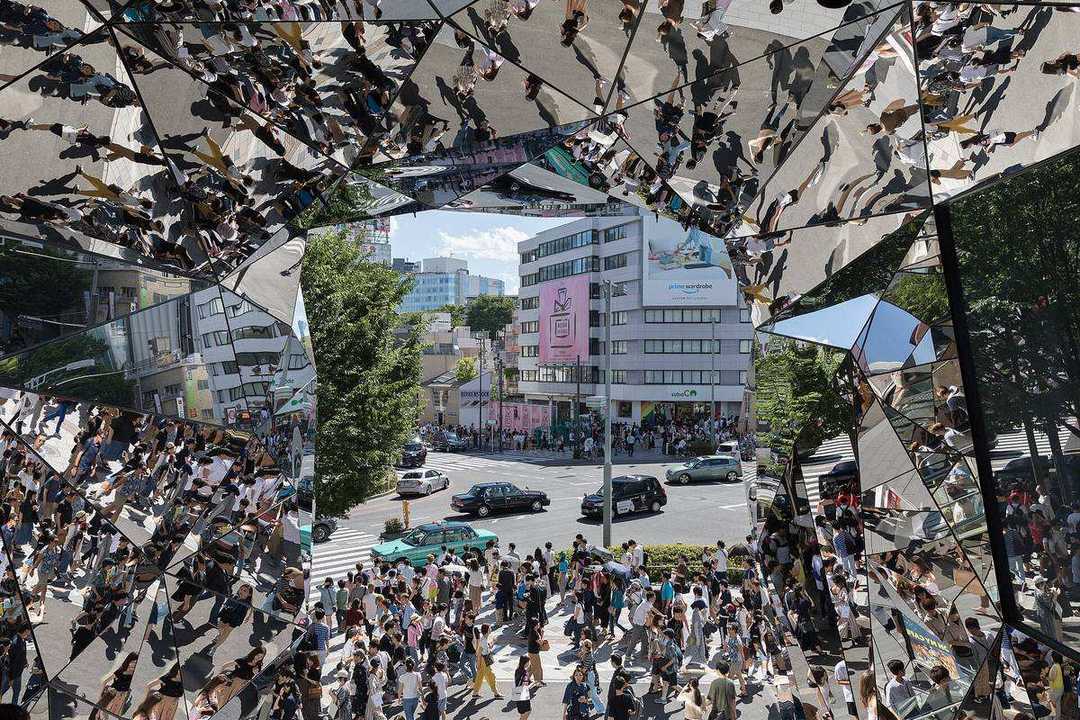
Start your second day at Shibuya Crossing, Tokyo's iconic scramble intersection. Arrive around 8:30 AM to see it with smaller crowds, then snap a photo with the Hachiko statue, the loyal Akita dog and a classic meeting point for locals. For the best overhead view, head to the Shibuya Sky observation deck or the Starbucks inside Tsutaya Books. The organized chaos of pedestrians crisscrossing the intersection is a must-see on any Tokyo day by day itinerary.
Next, take a 15-minute walk to Meiji Jingu, a serene Shinto shrine dedicated to Emperor Meiji and Empress Shoken. Enter through the massive wooden torii gate and walk the gravel path lined with towering trees; the tranquility offers a sharp contrast to the urban energy just outside. After paying respects, head to nearby Harajuku's Takeshita Street, the epicenter of youth fashion and quirky culture. Grab a crepe from Marion Crepes or try the giant rainbow cotton candy for a classic Harajuku experience. This stretch is perfect for people-watching and browsing boutique shops.
In the afternoon, walk to Shinjuku Gyoen National Garden, about 20 minutes away. This expansive park combines Japanese, French, and English garden styles. Aim to arrive by 2 PM to enjoy the grounds before they close at 4:30 PM. As evening falls, head to Shinjuku's Omoide Yokocho, also known as Memory Lane. This narrow alleyway is lined with tiny yakitori bars seating just eight people. Grab a seat for grilled skewers and a cold beer, a quintessential Tokyo dining experience.
Day 3: Imperial Palace, Tsukiji Market, and Ginza
Morning starts at the Imperial Palace, where the East Gardens open to the public at 9:00 AM. The inner palace grounds require advance booking for the English guided tour, offered at 10:00 AM and 1:30 PM on weekdays, but the East Gardens are free and always open. Walking through the moats, stone walls, and the former site of the Edo Castle keep gives you a real sense of Tokyo's feudal roots before it became the modern capital. This stop fits neatly into any Tokyo day by day itinerary because it offers both quiet and history in the middle of a busy city.
From the palace, take the Tokyo Metro Tozai Line to Tsukiji Station for the Outer Market. Unlike the relocated inner wholesale market at Toyosu, Tsukiji Outer Market is still a jumble of narrow stalls serving fresh sushi, tamagoyaki, grilled scallops, and matcha ice cream. Grab a seat at Sushi Daiwa or Daiwa Sushi for a textbook example of Edomae-style sushi, or sample small plates from multiple vendors. The market is best visited before noon to avoid the heaviest crowds and to taste the freshest catch.
After lunch, head east to Ginza, Tokyo's premier shopping district. Browse flagship stores like Uniqlo Ginza and Muji, or explore the high-end boutiques along Chuo Dori. For a modern contrast, visit teamLab Borderless or teamLab Planets. Book tickets weeks in advance. Borderless reopened in Azabudai Hills in February 2024, while Planets is in Toyosu. Both offer immersive digital art installations that have become essential experiences on any first visit. Wrap up the day with a quiet dinner in Ginza, perhaps at a soba or tempura specialist, before returning to your hotel.
Day 4: Last Day in Tokyo - Odaiba or Day Trip
Day 4 is your last full day in Tokyo, and you have two strong choices. Option A keeps you in the city: head to Odaiba, a man-made island in Tokyo Bay. Spend the morning at teamLab Borderless, an immersive digital art museum with no fixed path through its glowing, interactive installations. Afterward, walk across the Rainbow Bridge or view it from the nearby waterfront. Odaiba also has large shopping centers like DiverCity Tokyo Plaza, home to a life-sized Unicorn Gundam statue, and VenusFort with its indoor shopping arcades.
Option B is a day trip outside Tokyo. Kamakura, just one hour south by train, offers the Great Buddha of Kotoku-in, the serene bamboo grove at Hokoku-ji, and the iconic Tsurugaoka Hachimangu Shrine. Nikko, two hours north, has the ornate Toshogu Shrine, Lake Chuzenji, and Kegon Falls. Both make excellent additions to a Tokyo 4 days itinerary, giving you a taste of Japan beyond the capital.
Whichever option you choose, return to your hotel by early evening. Pack your luggage and keep essentials handy for the next morning's shinkansen to Kyoto. This transition between cities needs a bit of planning, so prepare your Suica card and confirm your Shinkansen ticket. With your bags ready, you can start the Kyoto-Osaka portion of your Kyoto Osaka itinerary fresh and stress-free.
Where to Stay in Tokyo for Easy Access
For first-time visitors following a Tokyo day by day itinerary, where you sleep each night shapes the rhythm of your entire trip. The right neighborhood saves 20 to 40 minutes of transit each morning and determines how easily you can step back into the city after dinner. Most travelers choose between four distinct bases: Shinjuku, Shibuya, Asakusa, and Ginza.
Shinjuku is the most practical hub for a Tokyo 4 days itinerary. With direct train lines to Shibuya, Harajuku, and the east side, plus the Narita Express to the airport, it offers unmatched convenience. Nightlife here is intense, but quieter pockets near the backstreets of Golden Gai exist. Business hotels like APA Hotel Shinjuku Gyoenmae keep rooms compact but functional, while capsule properties such as Nine Hours Shinjuku provide a budget-friendly crash pad for solo travelers. Shibuya skews younger and trendier, with the scramble crossing and boutique shopping steps away. It connects easily to central Tokyo but lacks the direct airport link Shinjuku has.
Asakusa delivers the strongest sense of authenticity. Staying near Senso-ji Temple and the traditional food stalls of Nakamise-dori gives morning walkers a quiet, old-Tokyo atmosphere before day-trippers arrive. Ginza, by contrast, focuses on upscale convenience: luxury stores, Michelin-star dining, and direct subway access to both Shibuya and Asakusa. For a splurge, Hoshinoya Tokyo in Otemachi blends modern luxury with ryokan-style service, complete with tatami floors and an onsen, though it demands a short subway ride from major stations. Capsule hotels like Nine Hours also operate in Ginza but feel more sterile than their Shinjuku counterparts. When balancing convenience, nightlife, and authenticity, Shinjuku wins for action, Asakusa for calm culture, and Ginza for polished ease.
Kyoto - 3 Days of Tradition
Getting Around Kyoto: Buses and Taxis
Kyoto's bus network is the main way to reach temples and shrines scattered across the city. A one-day unlimited bus pass costs 700 yen and covers the city's main bus lines, making it the most cost-effective option for a typical Kyoto 3 days itinerary. You can buy the pass at Kyoto Station or directly on the bus.
For short distances or when traveling in a group of three or more, taxis become competitive. Expect a base fare of around 600 yen. Rental bicycles are another good alternative, especially on flat routes like the Philosopher's Path or along the Kamogawa River. Many hotels offer bike rentals for about 1,000 yen per day.
During peak seasons (cherry blossom in April and autumn foliage in November), buses on popular routes like the 100 and 206 can be overwhelmingly crowded. To save time, consider walking between nearby sites or using the Karasuma Subway Line for north-south travel. Adjusting your sightseeing schedule to early mornings or late afternoons also helps you avoid the busiest crowds. A flexible mix of bus, taxi, and foot travel keeps your journey comfortable.
Day 5: Arashiyama Bamboo Grove and Kinkakuji
Start Day 5 early to experience Arashiyama Bamboo Grove before the crowds arrive. Aim to be there by 7:00 AM, when the light filters through the towering green stalks and the path is almost empty. This walk sets the tone for a morning steeped in nature, and it fits perfectly into any Kyoto 3 days itinerary that prioritizes tranquility over tourist rush.
Right next to the bamboo path lies Tenryuji Temple, a UNESCO World Heritage site with a stunning pond garden designed by the 14th-century Zen priest Muso Soseki. Take time to sit on the veranda and absorb the view. From Arashiyama, a short bus ride or taxi brings you to Kinkakuji, the Golden Pavilion, whose gold-leaf facade shimmers against its mirror pond. Just 10 minutes away by foot or bus is Ryoanji, home to Japan's most famous Zen rock garden. The 15 stones arranged on raked white gravel invite quiet contemplation. These two temples are non-negotiable stops that blend beauty and history.
For the afternoon, you have two strong choices. The Kyoto Railway Museum delights train enthusiasts with steam locomotives and a massive roundhouse. History fans will prefer Kitano Tenmangu, a Shinto shrine dedicated to the god of learning, with a lively market on the 25th of each month. Both options feed into a well-paced Tokyo day by day itinerary segment that respects rest and interest. End the day back in central Kyoto for a kaiseki dinner or a casual bowl of ramen.
Day 6: Fushimi Inari Trail and Gion District
Day six starts early at Fushimi Inari Taisha, the shrine known for its thousands of vermilion torii gates that wind up Mount Inari. The full hike to the summit and back takes about two to three hours, depending on your pace. Most visitors stop at the Yotsutsuji intersection halfway up for a panoramic view of Kyoto before heading back down. To avoid the crowds, arrive before 8:00 a.m., when the trail is still quiet and the morning light filters through the gates.
After descending, walk ten minutes to Tofukuji Temple, one of Kyoto's best spots for autumn foliage. Even outside peak leaf season, its sprawling Zen gardens and the Tsutenkyo Bridge offer a calm contrast to the busy shrine earlier. The temple grounds have a rock garden and a covered bridge lined with maples that turn bright red in November. Take twenty to thirty minutes to explore the grounds fully.
By midday, head to Nishiki Market, Kyoto's long-running food market known as 'Kyoto's Kitchen.' The narrow covered street is lined with over a hundred shops and stalls selling fresh seafood, pickles, grilled skewers, and matcha sweets. Grab a quick lunch of sushi or yakiimo (roasted sweet potato) as you walk the five-block arcade. Sample the marinated mackerel or a warm bowl of soba to refuel for the afternoon.
As evening settles, make your way to the Gion district, Kyoto's most famous geisha quarter. Stroll along Hanamikoji Street, where wooden machiya townhouses glow with lantern light and the chance of spotting a maiko or geiko hurrying to an appointment is highest after 6:00 p.m. For dinner, reserve a seat at a traditional ochaya or try okonomiyaki at a casual spot. A walk along the Shirakawa Canal with weeping willows completes a day that fits naturally into a broader Kyoto Osaka itinerary.
Day 7: Higashiyama District and Kiyomizudera
Start your third morning in Kyoto with an early visit to Kiyomizudera, arriving just after the gates open at 6:00 a.m. The wooden stage juts out over the hillside, giving you sweeping views of the city and the cherry and maple trees below. On day two of this Kyoto 3 days itinerary, this temple anchors the Higashiyama exploration. The hall itself dates to 778, though the current structure was rebuilt in the early 1600s.
Day Trip from Kyoto: Nara Deer Park and Todai-ji
Nara works well as a half-day trip from Kyoto or a stop between the two cities, fitting into any Japan itinerary. The train takes 45 minutes from Kyoto Station on the Kintetsu Nara Line and costs about 760 yen one way. It drops you at Kintetsu Nara Station, right near the main sights.
Once you exit the station, you step straight into Nara Park, home to over 1,200 free-roaming sika deer. You can buy shika senbei (deer crackers) for 200 yen from a vendor. The deer have learned to bow politely for a cracker. Walk deeper into the park to reach Todai-ji temple, a UNESCO World Heritage site with a 15-meter-tall bronze statue of the Great Buddha. The Daibutsu-den hall, one of the world's largest wooden buildings, feels enormous. Entry costs 600 yen.
A short walk from Todai-ji, Isuien Garden offers a quieter, carefully designed landscape. This Meiji-era garden uses borrowed scenery to frame Todai-ji's roofs and the surrounding hills. It is especially beautiful in autumn. From there, follow the stone lantern-lined path to Kasuga Taisha, Nara's most famous Shinto shrine, founded in 768 AD. Its 3,000 bronze and stone lanterns are lit twice a year during the Setsubun Mantoro (February) and Chugen Mantoro (August) festivals.
Osaka - 2 Days of Food and Fun
Getting Around Osaka: Subways and Walking
Osaka's subway network is compact and easy to use, with eight lines covering the main districts. For travelers on a Kyoto Osaka itinerary, the Osaka Amazing Pass offers good value: a one- or two-day pass covers unlimited subway rides and free entry to over 40 attractions, including Osaka Castle, the Umeda Sky Building, and the Tempozan Ferris Wheel. The pass costs around 2,700 yen for one day and 3,600 yen for two days, paying for itself after just a few rides and one attraction. It also includes discounts at select restaurants and shops. This makes it a smart addition to any Osaka visit, especially a focused two-day stay.
The city's most vibrant areas are best explored on foot. Dotonbori, with its neon signs, the iconic Glico man billboard, and endless street-food stalls, is a pedestrian-friendly stretch along the canal. Nearby Namba offers shopping and dining in a maze-like layout that includes the covered shopping streets of Sennichimae and the Namba Walk underground mall. Umeda, the northern hub, connects major train stations with a sprawling underground shopping arcade and the rooftop observatory of the Umeda Sky Building. All three districts are within a 15-minute subway ride of each other, making it easy to pack in sights without rushing.
Getting to Osaka from Kyoto is straightforward: the Shinkansen covers the 30-mile trip in just 15 minutes, departing every 10-15 minutes from Kyoto Station. This seamless connection allows travelers to incorporate Osaka into a balanced Tokyo day by day itinerary, spending two days on food and fun without sacrificing time in Kyoto. For those with a Japan Rail Pass, the ride is included at no extra cost, making it even more convenient.
Day 8: Osaka Castle, Dotonbori, and Shinsekai
Start your eighth day at Osaka Castle, a striking reconstruction that anchors a sprawling park covering 106 hectares. Arrive by 9 a.m. to avoid crowds and explore the eight-story museum inside the main tower, which traces the city's feudal history through artifacts and dioramas. The ascent rewards you with a 360-degree view of the city skyline. Allow about 90 minutes here, then stroll through the surrounding Nishinomaru Garden, where cherry blossoms frame the stone walls in spring.
From the castle, take the Chuo subway line to Nippombashi station for Dotonbori, Osaka's neon-lit entertainment district centered on the Dotonbori Canal. The afternoon is best spent walking the canal-side promenade, sampling street food from vendors along the covered shopping arcades. Try takoyaki (octopus-filled batter balls) from a stall near the Ebisu Bridge, and follow it with okonomiyaki, a savory cabbage pancake, at a casual counter restaurant like Mizuno. This area is the heart of the city's kuidaore culture, meaning eat until you drop.
As evening falls, head south to Shinsekai, a retro neighborhood built around Tsutenkaku Tower. The 103-meter observation deck offers a glittering view of Osaka's rooftops, with the tower's neon color indicating the next day's weather (orange for sun, white for rain). Dinner here means kushikatsu, deep-fried skewered meat and vegetables, at a local restaurant like Yaekatsu. Pair it with a glass of draft beer for a proper Osaka meal. End the night wandering the narrow streets lined with pachinko parlors and old-school arcades.
Day 9: Universal Studios Japan or Aquarium Kaiyukan
Day 9 gives you a choice between two very different Osaka experiences. Both options start with an early morning visit to Kuromon Market for breakfast, then split into either a full day at Universal Studios Japan or a relaxed afternoon at the aquarium and ferris wheel. Finish the evening at Umeda Sky Building for skyline views.
Option A is Universal Studios Japan, home to Super Nintendo World. This immersive zone lets you walk through a life-sized Mushroom Kingdom, ride Mario Kart: Koopa's Challenge, and collect digital coins with the Power-Up Band. The park opens at 8:30 AM, and lines for the signature rides can exceed 90 minutes by 10 AM, so arriving before opening is essential. Purchase an Express Pass (from JPY 5,000) in advance to cut wait times, and set aside the full day to cover all the major attractions, from The Wizarding World of Harry Potter to the new Donkey Kong Country expansion.
Option B is the Osaka Aquarium Kaiyukan, one of the largest aquariums in the world. Its nine-level tank replicates the Pacific Ring of Fire, housing whale sharks, manta rays, and Japanese spider crabs. Allow around three hours to walk through the spiral galleries. Right next door, the Tempozan Giant Ferris wheel (15-minute ride, JPY 800) offers panoramic views of Osaka Bay and the Seto Inland Sea. Afterward, take a 15-minute walk to the nearby Legoland Discovery Center if traveling with children.
Whichever option you choose, begin your morning at Kuromon Market, a 580-meter covered street known as Osaka's Kitchen. Grab a skewer of grilled wagyu (around JPY 1,500), fresh uni sea urchin (JPY 1,200 per piece), or takoyaki from a vendor. Around 5 PM, head to Umeda Sky Building's Floating Garden Observatory (JPY 1,500) for sunset over the city. The open-air deck is less crowded on weekdays, making it a calm end to a packed day.
Day 10: Departure Day - Last-Minute Souvenirs and Transit
Your final morning in Osaka is a relaxed send-off. Use it for last-minute shopping along Shinsaibashi-suji, the covered arcade packed with clothing stores, souvenir shops, and the famous Dotonbori sign for a final photo. Or explore America-mura (Amerika-mura), a trendy district known for vintage boutiques and street art. Both are within easy walking distance from Namba Station.
For lunch, grab a quick meal at a kaiten-sushi (conveyor belt sushi) chain like Sushiro or Kura, where plates typically cost around 100-300 yen each. If you prefer ramen, Ichiran in Dotonbori serves excellent tonkotsu ramen in individual booths. Budget about 1,000-1,500 yen for a filling bowl.
From Namba or Shin-Imamiya, take the Nankai Line to Kansai International Airport (KIX); the 40-minute ride costs about 1,000 yen for the Airport Express. Alternatively, the JR Kansai Airport Express Haruka departs from Tennoji or Shin-Osaka, covered by the Japan Rail Pass if you activated it. Aim to leave 2.5-3 hours before your flight for check-in and security. This smooth transit ends the trip on a stress-free note.
Day Trip Options from Osaka: Himeji Castle or Kobe
If you have an extra half-day during your Osaka 2 days itinerary, two nearby destinations offer completely different experiences. Himeji Castle delivers a dose of feudal history, while Kobe provides a gourmet lunch paired with hillside gardens. Both are less than an hour by train from Osaka Station.
Himeji Castle is Japan's most magnificent original 17th-century fortress and a UNESCO World Heritage site. A 30-minute shinkansen ride from Shin-Osaka brings you to Himeji station, followed by a 15-minute walk through the castle grounds. Plan two to three hours to explore the main keep, where the original wooden interiors and steep staircases survive intact. The brilliant white facade has never been rebuilt, making this a rare authentic samurai-era structure. This half-day trip fits neatly into your Japan day by day plan, leaving your evening free for Osaka's Dotonbori district.
Alternatively, take a 30-minute train to Kobe for a completely different flavor. Head to the Sannomiya area for a Kobe beef teppanyaki lunch; expect to pay around 5,000 to 8,000 yen for a premium set. Afterward, ride the ropeway up Mount Rokko to Nunobiki Herb Garden, where terraced flower beds overlook Osaka Bay and the harbor. Allow two hours for the gardens and the return cable car. The experience pairs well with a Kyoto Osaka itinerary that values both culture and modern food scenes.
Both day trips return you to Osaka by late afternoon, giving you time to enjoy your final evening. Use this last night to revisit a favorite spot from your first day or try something new, like a local okonomiyaki joint in the Umeda district. A well-paced Tokyo day by day itinerary reserves these optional excursions to make the most of every hour without feeling rushed.
Final Tips and Encouragement
This 10-day Japan itinerary balances three distinct cities. Tokyo delivers electric energy with neon-lit Shibuya crossings and serene Meiji Shrine mornings. Kyoto immerses you in centuries of culture at Fushimi Inari's thousand torii gates and Kinkaku-ji's golden pavilion. Osaka brings the culinary fireworks, from Dotonbori street food to sizzling okonomiyaki. The mix of 4 days in Tokyo, 3 days in Kyoto, and 2 days in Osaka gives each city enough time without feeling rushed.
While structure helps, flexibility matters just as much. A rainy morning might be the perfect excuse to swap your Arashiyama bamboo walk for a covered shopping arcade like Nishiki Market. Jet lag could shift your Fushimi Inari hike from sunrise to late afternoon. Listen to your energy levels and adjust what to do in Tokyo or what to do in Kyoto based on weather and mood. The best moments often come from unplanned detours.
To reduce stress, book key attractions and inter-city transport in advance. Reserve Shinkansen seats on the Tokyo to Kyoto leg using the JR Pass exchange system or directly on Smart EX. Secure timed-entry tickets for popular spots like the Ghibli Museum, TeamLab Borderless, and Kichi Kichi omurice in Kyoto. Having these locked in lets you enjoy your Japan daily schedule without scrambling for availability, leaving more room to savor each moment as it unfolds.
Official sources
Details worth verifying before you go — checked against:

Travel Writer & Editor
Emily Johnson writes and edits Do Travel Blog. Every guide on the site starts the same way: with a question she actually had while planning — when to book, which pass to buy, how to get from A to B without overpaying. Where a number matters, she cites the source: park tickets link to the park's own fee page, visa rules to the official consulate, ferry times to the operator. Prices get re-checked against those pages before each update, and a guide is re-dated when its numbers move. Nothing here is sponsored — she doesn't accept payment for coverage. Spotted something stale or wrong? Email hello@dotravel.blog and she'll fix it.