Central Vietnam: Hue, Da Nang & Hoi An Guide
Plan your Central Vietnam itinerary with expert tips on Hue, Da Nang & Hoi An. Discover gems, avoid tourist traps, and make the most of your trip.
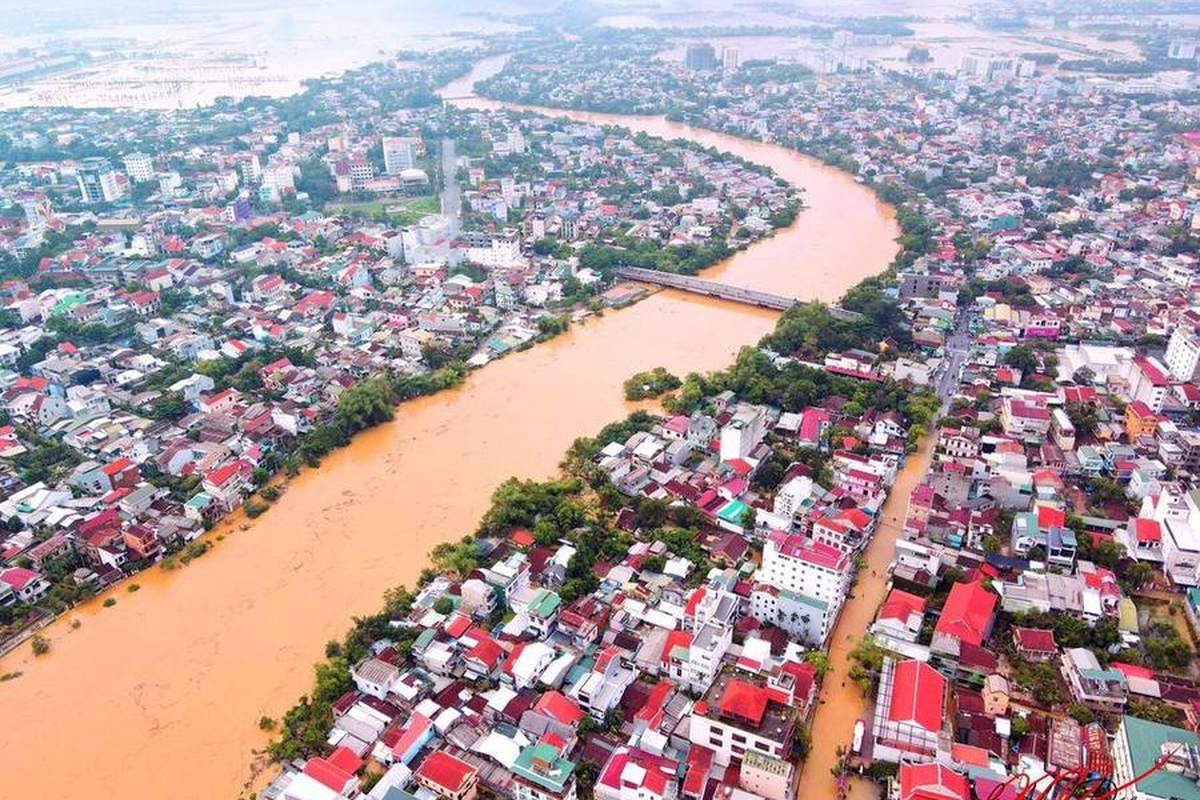
Introduction to Central Vietnam
Why Central Vietnam Should Be on Your Travel List
Central Vietnam is where the country's imperial past meets its coastal present, offering travelers a rare mix of history, nature, and old-world charm without the crowds of Hanoi or Ho Chi Minh City. The region's three anchor cities (Hue, Da Nang, and Hoi An) each deliver a distinct experience: the solemn grandeur of the Nguyen emperors' citadel in Hue, the sandy stretches of Da Nang's coastline, and the lantern-lit alleys of Hoi An's ancient town. Together, they form the backbone of any well-planned Central Vietnam itinerary.
But popularity comes with pitfalls. A smart plan balances the three cities, but each has its traps. In Hue, skip the overpriced dragon boat tours and walk the citadel walls at sunrise instead. Da Nang's best beach experiences are north of My Khe near the Son Tra Peninsula, away from the main strip of jet-ski vendors. And Hoi An's lantern-clad streets are magical at 6am before the day-trippers arrive, not during the peak evening crush. Whether you have three days or a full week, knowing where to skip and where to linger makes all the difference between a rushed trip and a rewarding one.
This guide cuts through the noise with practical, first-hand advice on accommodations, meals, and activities that prioritize authenticity over convenience. From Hue's imperial city to the quiet coves of Da Nang and the real Hoi An after dark, you will find honest tips to shape your central Vietnam travel. Use it as your map to the heart of Hue Da Nang Hoi An.
Hue - The Imperial Heart of Vietnam
Exploring the Hue Imperial City
The Hue Imperial City, a UNESCO World Heritage site, was the political and ceremonial heart of the Nguyen dynasty from 1802 to 1945. The walled citadel spans 520 hectares along the Perfume River. At its core lies the Forbidden Purple City, an inner sanctum reserved for the emperor and his concubines. Key surviving structures include the Thai Hoa Palace, with its restored throne and ornate wood carvings, and the massive citadel walls that rise six meters high. Bombing during the Vietnam War destroyed much of the complex, but ongoing restoration has returned several halls and gates to their former glory.
Visitors enter through the Ngo Mon Gate, which leads into a series of courtyards and ceremonial halls. The Forbidden Purple City, though largely in ruins, still evokes imperial grandeur through its foundations and partial reconstructions. The throne halls display gilded altars, bronze urns, and lacquered screens that hint at the court's former opulence. To fully appreciate the symbolism behind the layout, hire a guide for about 200,000 to 300,000 VND per hour. Guides explain feng shui alignments, the role of the five gates, and the significance of the nine dynastic urns outside Hien Lam Cac. Self-exploration also works well if you pick up a map at the ticket booth and take time to wander the less-crowded eastern and southern areas, where mossy pagodas and crumbling walls feel untouched.
Entrance to the Imperial City costs 200,000 VND (about $8.50). Arrive at 7:30 AM when the gates open to avoid the midday heat and tour bus crowds. Plan two to three hours for a thorough visit. The site is a staple on any route linking Hue, Da Nang, and Hoi An. Many travelers combine a morning here with an afternoon trip to the royal tombs or a cruise on the Perfume River.
Hue's Royal Tombs and Pagodas
The mausoleums of Minh Mang, Khai Dinh, and Tu Duc are a must for any visit focused on the imperial city. Minh Mang's tomb reflects Confucian harmony with symmetrical gardens and lakes. Khai Dinh's monument blends Vietnamese and European styles, decorated with porcelain mosaics and concrete dragons. Tu Duc's tomb is the most poetic, with pavilions and a tranquil lake built as a retreat during his lifetime. Thien Mu Pagoda, the seven-story octagonal tower on the Perfume River, is the city's unofficial symbol. Together, these sites reveal the depth of Nguyen dynasty culture.
A Perfume River cruise efficiently connects these landmarks. Half-day tours from Hue's central pier stop first at Thien Mu Pagoda, then continue by boat to the royal tombs. This river cruise is a highlight of central Vietnam travel, saving time and offering scenic views. After the imperial sights, a Hue food tour provides a contrasting experience; local dishes like bun bo Hue and banh khoai come from royal court traditions. Many visitors completing a Hue Da Nang Hoi An loop spend one day on tombs and pagoda, then an evening food tour before moving on.
Hue Food Tour - A Culinary Journey
A Hue food tour is the most direct way to experience the city's culinary soul, which UNESCO recognized as a Creative City of Gastronomy in 2024. The dish you must start with is bun bo Hue, a spicy beef noodle soup that locals argue about the exact recipe for. Unlike the sweeter pho of the north, bun bo Hue gets its depth from lemongrass, shrimp paste, and a rich beef broth, typically served with thick round noodles and fresh herbs. Two other essentials are banh khoai, a crispy mini pancake filled with shrimp and bean sprouts served with a tangy dipping sauce, and nem lui, grilled lemongrass pork skewers wrapped in rice paper with green banana and star fruit.
To eat these dishes like a local, head to Dong Ba Market near the Perfume River. The market's food stalls serve bun bo Hue for around 30,000-40,000 VND (about $1.25-1.65) per bowl, and you can watch women grilling nem lui right in front of you. For banh khoai and other specialties, seek out the hidden family eateries in the narrow alleys off Nguyen Dinh Chieu Street. These places have no English menus and only a few plastic tables, but they serve the most authentic versions. One trusted spot is Quan Bun Bo Hue on Tran Cao Van Street, run by the same family since 1985.
Be careful of overpriced restaurants directly outside the Citadel's main gate. These venues often charge double for bun bo Hue that tastes like a watered-down version made for Western palates. The tourist trap sign is easy: a menu printed in four languages and waiters standing outside trying to wave you in. Instead, walk 10 minutes into the surrounding neighborhoods, where the real Hue food scene lives. A proper food tour Hue experience, whether self-guided or with a local guide, should focus on these neighborhood stalls rather than the tourist-heavy areas. Spending two hours exploring Dong Ba Market and the nearby alleys will teach you more about Hue's culinary identity than any sit-down restaurant near the Citadel.
Da Nang - Coastal Modernity and Natural Wonders
Da Nang's Best Beaches and Marble Mountains
Da Nang's coastline is anchored by My Khe Beach, a six-kilometer stretch of soft white sand where gentle waves make it ideal for swimming. Despite its fame, My Khe rarely feels overcrowded because the beach is long enough to spread out. For quieter spots, head to the southern end near the Marble Mountains, or walk from the main strip toward Non Nuoc Beach, where locals set up hammocks under coconut palms. The water here stays calm year-round, and early mornings are especially peaceful, with fishing boats bobbing on the horizon.
Just a few kilometers south, the Marble Mountains rise abruptly from the flat coastal plain. This cluster of five limestone and marble hills is honeycombed with caves that once served as Buddhist sanctuaries. Climb the 156 steps up Thuy Son (Water Mountain) to explore Huyen Khong Cave, where shafts of sunlight pierce the natural ceiling, and visit the Tam Thai Pagoda perched on the summit. From the top, the vista is breathtaking: the entire Da Nang bay spreads out below, with the Cham Islands visible on clear days.
Combining beach time with a Marble Mountains visit is perfectly doable in a half day. Spend the morning swimming at My Khe or Non Nuoc, then walk or take a short taxi ride to the mountain entrance. The two sites are close enough that you can cover both without rushing. For anyone planning a central Vietnam 3-day itinerary, this pairing makes Da Nang a logical midpoint between the Hue imperial city and the Hoi An lantern town, offering a taste of both nature and coastal relaxation in one day.
Ba Na Hills and the Golden Bridge
Ba Na Hills resort combines a record-breaking cable car ride with a recreated French village and an indoor amusement park. The main draw is the Golden Bridge, a 150-meter pedestrian bridge held by giant stone hands, which has become a social media sensation. But does it live up to the hype? For photographers, the bridge offers unique photo opportunities against the Truong Son Mountains, especially in early morning when mist clears. However, the experience feels manufactured.
The reality involves long queues for the cable car, crowds at every viewpoint, and a substantial entrance fee around 1,500 baht per person including the round-trip cable car. The French village is a facsimile rather than genuine architecture, and the amusement park targets families rather than cultural travelers. Many visitors on a tight central Vietnam 3 days schedule find the time and cost hard to justify.
Instead, consider free alternatives that showcase Da Nang's natural beauty without the price tag. Son Tra Peninsula offers hiking trails and the Linh Ung Pagoda with a 67-meter Buddha statue, all free of charge. Hai Van Pass, the coastal road between Hue and Da Nang, rewards drivers with sweeping ocean views. These options add authentic depth to any central Vietnam travel plan and avoid the artificial crowds of Ba Na Hills.
Motorbiking the Hai Van Pass
The Hai Van Pass is a 21-kilometer stretch of coastal highway that snakes over the Truong Son mountain range, connecting the imperial city of Hue with the modern coastal hub of Da Nang. For anyone planning the region, this road offers one of the most dramatic and memorable experiences on the coast. Winding through lush green mountains with the South China Sea glittering below, the pass delivers panoramic views that rival any postcard. The road itself is well-paved but narrow in sections, with sharp curves and occasional trucks, which demands attentive riding but rewards with a sense of freedom that few tourist attractions can match.
- Renting a motorbike: Available in Hue or Da Nang for around $10-$15 per day; Easy Rider tours also offer a guided option with an experienced driver.
- Safety essentials: Always wear a helmet, check brakes and lights before setting off, and avoid riding after dark due to limited lighting and winding roads.
- Recommended stops: Lang Co Beach (a crescent-shaped bay about halfway), the summit viewpoint with its abandoned French fortifications, and the Hai Van Quan gate at the top for photos.
The Hai Van Pass remains a true gem because it has not been overdeveloped. Unlike some scenic drives in Vietnam that now feature souvenir stalls every few hundred meters, this road still feels raw and untamed. The views of untouched coastline, the breeze on your face, and the thrill of navigating each curve create a genuine sense of adventure. For travelers building a central Vietnam travel plan, allocating a half-day to motorbike the Hai Van Pass is one of the best ways to connect the cultural richness of Hue with the beaches of Da Nang, offering an experience that is both practical and exhilarating.
Hoi An - The Timeless Lantern Town
Hoi An Old Town: Ancient Architecture and Lanterns
The UNESCO-listed Old Town of Hoi An preserves over 800 public and private historic buildings, including the iconic Japanese Covered Bridge, originally built in the 1590s by the Japanese community. The bridge connects Nguyen Thi Minh Khai Street with Tran Phu Street and is a pedestrian-only passage. Nearby, the assembly halls built by Chinese merchant guilds, such as the Fujian Assembly Hall and the Cantonese Assembly Hall, feature ornate courtyards, altars, and ceramic murals. Ancient houses like Tan Ky and Phung Hung offer a glimpse into 18th-century merchant life, with their open floor plans, wooden carvings, and original Chinese-Japanese fusion architecture.
As darkness falls, the Old Town transforms into what locals call the Hoi An lantern town. Hundreds of silk lanterns in crimson, amber, and turquoise are strung across streets and along the Thu Bon River. The best photography spots are the pedestrian bridge near the Japanese Covered Bridge and the riverbank opposite the Hoi An Night Market. Evening boat rides cost around 100,000 VND (about $4) and let you release a paper lantern onto the water, a tradition that locals believe brings good luck. The soft lantern glow eliminates the need for flash photography.
For a less congested experience, walk the Old Town between 7:00 and 9:00 AM or after 8:00 PM. The main loop starts at the Japanese Covered Bridge, heads east along Tran Phu Street to the Hoi An Market, then returns via Nguyen Thai Hoc Street, passing the ancient houses and assembly halls. Midday crowds pack the narrow alleys, especially between 11:00 AM and 3:00 PM, when tour groups from Da Nang arrive. A visit during early morning or late evening lets you appreciate the architecture without jostling, and the cooler temperatures make walking pleasant.
Hoi An's Tailor Shops and Cooking Classes
For travelers planning the trip, Hoi An's reputation as a lantern town often overshadows its twin attractions of custom tailoring and cooking classes. Both activities offer hands-on engagement with local craftsmanship and cuisine. The key is knowing how to separate quality operators from the many tourist traps clustered near the Old Town.
For tailoring, start with established shops on Nguyen Thai Hoc Street or Tran Hung Dao. Inspect finished garments for even stitching, secure buttons, and neat linings. Natural fibers like silk or linen cost USD 10-20 per yard and breathe better than polyester blends that pill and shine. Plan 24 hours for a simple dress, two to three days for a full suit with two fittings. Touts near the night market often push low-quality knock-offs made from cheap fabric; they pressure you to pay before you see the finished piece. Always request a written price list that itemizes fabric, labor, and any rush fees.
Cooking classes introduce regional dishes such as cao lau, made with water sourced specifically from Ba Le Well to achieve noodles with a chewy texture, and white rose dumplings, delicate translucent parcels filled with shrimp. Reputable schools like Red Bridge or Green Bamboo begin with a market tour, last four to five hours, and cost around USD 35-45 including a full meal. Avoid bargain classes under USD 25 that skip the market or rely on pre-chopped ingredients. They cut cultural context and deliver a generic experience. With careful selection, both tailoring and cooking classes become highlights of any central Vietnam travel plan.
Beyond Hoi An: An Bang Beach and Countryside
An Bang Beach is only four kilometers from Hoi An's old quarter but feels completely different. Unlike the crowded streets of the lantern town, this stretch of coast has a genuinely relaxed vibe, with local seafood shacks lining the shore. A typical lunch here runs 50,000 to 100,000 VND for grilled fish or squid fresh off the boats, and you can rent a lounger for about 20,000 VND. Many travelers skip this beach, but it is one of the best ways to escape the Old Town crowds.
For those wanting to explore more, a countryside cycling loop starts right from An Bang. Pedal through narrow lanes lined with rice paddies and banana groves, eventually reaching Tra Que Vegetable Village. Local farmers there tend over 20 varieties of herbs and greens using traditional methods. The village offers cooking classes and a chance to join a morning harvest. Combining the beach with this bike ride makes for a full day that many miss when sticking strictly to a Hue Da Nang Hoi An central Vietnam travel plan.
The payoff for leaving the Old Town is twofold: you avoid the pushy vendors and overpriced souvenir shops, and you get to see authentic local life. While Hoi An's lantern-lit streets are undeniably beautiful, spending one full day on the coast and in the countryside turns a standard three-day stay into something much richer. An Bang and Tra Que are genuine gems, not tourist traps. For any route, this detour delivers the peaceful side of the region that too many visitors overlook.
Planning Your Central Vietnam Itinerary
3-Day Central Vietnam Itinerary
A well-planned Central Vietnam itinerary lets you hit three distinct destinations in three days without feeling rushed. This compact route covers Hue's imperial legacy, Da Nang's coastal energy, and Hoi An's lantern-lit charm, all connected by easy transport options.
Day 1 starts in Hue, where you explore the UNESCO-listed imperial citadel and take a slow boat on the Perfume River before the midday heat sets in. On Day 2, travel south to Da Nang. After arriving, visit the Marble Mountains in the cool morning hours, then spend the afternoon at My Khe Beach. Day 3 brings you to Hoi An. Save the morning for the Ancient Town's narrow streets and Japanese Covered Bridge, and stay until evening when the lanterns light up the river.
Getting between these cities is part of the experience. The scenic train between Hue and Da Nang hugs the coast and costs under $10 per person. For more flexibility, hire a private car (around $50-70) and drive the Hai Van Pass, stopping for ocean views. Adventurous travelers rent a motorbike for the same route, but be prepared for sharp curves and occasional fog.
Time management is critical in central Vietnam. Start every day by 7:00 AM to beat the crowds and the intense midday sun, which peaks between 11:00 AM and 2:00 PM. This schedule lets you cover Hue, Da Nang, and Hoi An in three days without sacrificing depth at any stop.
Avoiding Tourist Traps: Gems vs. Overhyped Attractions
Many visitors end up paying for overpriced cyclo tours in Hue, buying fake antiques peddled as real artifacts near the Citadel, or caving to pushy vendors outside Hoi An's markets. These traps thrive on the tourist rush, but a little awareness goes a long way. The classic trick is a "half-day city tour" that charges inflated prices for a rushed route through the same stops. To avoid it, skip the hotel concierge recommendations and walk into a local tour agency instead. You will pay roughly 30% less for the exact same route.
Genuine gems are easy to find once you step off the main drag. In Hue, the lesser-known pagodas like Tu Hieu or Thien Mu (the latter is famous but still authentic if visited early) offer quiet moments without the crowds. In Da Nang, Son Tra Peninsula rewards those who rent a scooter for the morning. Its wild monkey troops and overlooked Linh Ung Pagoda rival any beachfront bar. In Hoi An, the UNESCO crowds pack the Old Town, but the back alleys behind the Japanese Bridge reveal locals mending fishing nets and quiet family temples untouched by lantern shops.
The best way to avoid these traps is to research ahead on travel forums, ask a guesthouse owner for their favourite local eatery, and never buy a pre-packaged combo ticket. The Japanese Bridge itself is an authentic gem. Go there at sunrise when it is empty and the light hits the wooden beams. That small shift in timing and curiosity will make your Hue Da Nang Hoi An itinerary feel less like a checklist and more like a proper discovery of central Vietnam travel.
Conclusion - Final Thoughts on Central Vietnam
Embrace the True Essence of Central Vietnam
Each city in this region holds its own distinct character: Hue imperial city with its ancient citadel and royal tombs, Da Nang beaches stretching along the coastline, and Hoi An lantern town glowing at dusk. But beyond the iconic sights, the real draw is balance. Spend a morning exploring Hue's lesser-known pagodas away from the crowds, hike the Son Tra Peninsula for Da Nang's best ocean views, or cycle through Hoi An's rice paddies at sunset. A well-planned central Vietnam itinerary makes room for both the famous landmarks and the quiet moments that define the destination.
Slow travel turns a trip from a checklist into an experience. Instead of rushing through three cities in three days, linger over a bowl of bun bo Hue in a local market, chat with a silk lantern maker in Hoi An, or simply sit on Da Nang's My Khe Beach watching the fishing boats. Stay flexible. The best discoveries often happen when you wander without a plan. Engaging with local culture, whether through a cooking class or a cyclo ride through Hue's backstreets, creates memories that last far longer than any photograph.
Central Vietnam rewards those who take the time to see beyond the headlines. Start planning your journey today, mixing the well-known with the unexpected, and you will return home with stories that go far beyond the usual tourist tales.
Official sources
Details worth verifying before you go — checked against:

Travel Writer & Editor
Emily Johnson writes and edits Do Travel Blog. Every guide on the site starts the same way: with a question she actually had while planning — when to book, which pass to buy, how to get from A to B without overpaying. Where a number matters, she cites the source: park tickets link to the park's own fee page, visa rules to the official consulate, ferry times to the operator. Prices get re-checked against those pages before each update, and a guide is re-dated when its numbers move. Nothing here is sponsored — she doesn't accept payment for coverage. Spotted something stale or wrong? Email hello@dotravel.blog and she'll fix it.