Packing List for a New Zealand Road Trip: What to Bring
The ultimate packing list for a New Zealand road trip. Learn what to pack for variable weather, camping, hiking, and tech gear. Your essential New Zealand travel checklist.
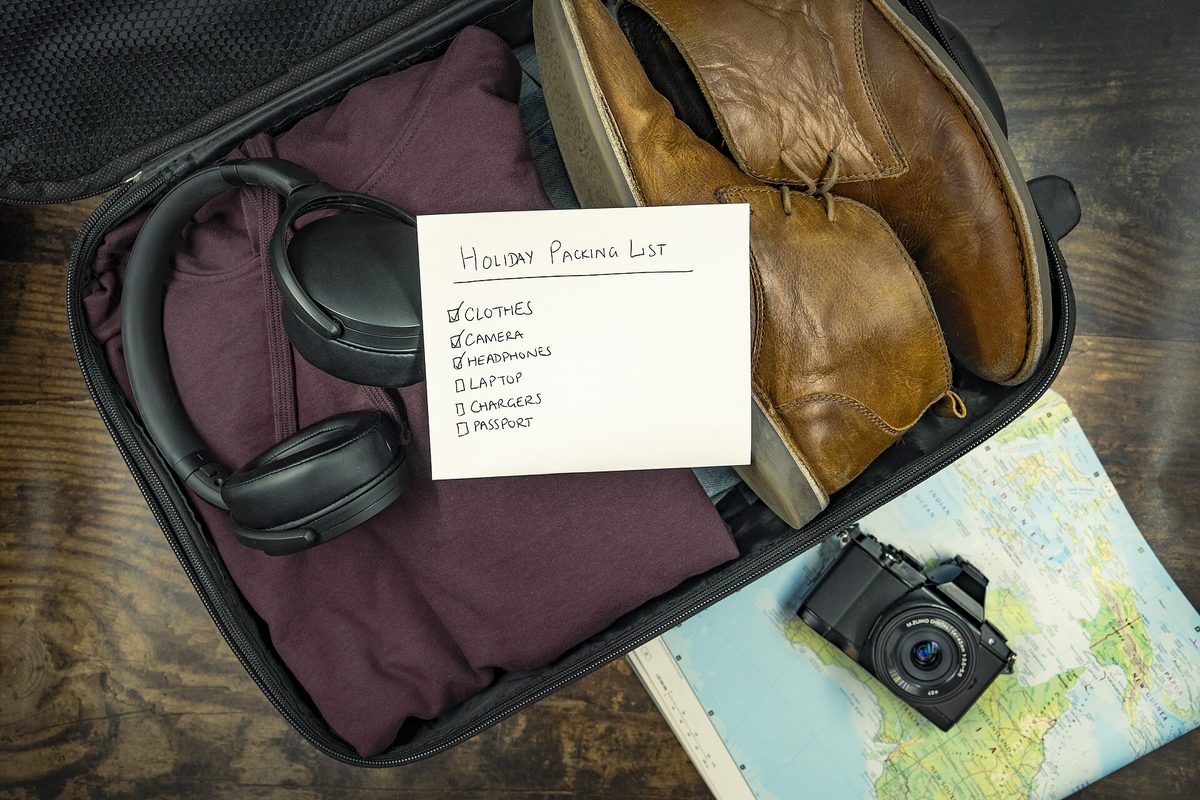
Why a Packing List Matters for a New Zealand Road Trip
New Zealand's famously changeable weather demands a smart packing strategy to stay comfortable across the country's diverse landscapes. This guide covers all your New Zealand travel essentials: clothing for every season, camping gear you might need for Department of Conservation sites, tech gadgets for navigation and photography, and health essentials for outdoor adventures. Use it to decide what to pack for New Zealand without overpacking or forgetting critical gear.
The key is versatility and layering. A merino wool base layer, a fleece mid-layer, and a waterproof shell handle sunny days, sudden rain, and alpine cold. This New Zealand clothing guide suggests packing items with multiple uses and leaving bulky single-purpose items at home. The outdoor gear New Zealand section covers sturdy boots, a headlamp, and a compact first-aid kit. For campers, the camping gear New Zealand list includes a lightweight stove and a sleeping bag rated for sub-zero nights. For tech lovers, tech gadgets New Zealand travel advice recommends a power bank, car charger, and local SIM card.
A well-prepared bag saves you time, money, and stress. You won't scramble for rain gear when the sky opens, buy overpriced equipment on the road, or worry about being underprepared. Use this packing list to stay comfortable and focused on enjoying New Zealand's stunning scenery.
Clothing for New Zealand's Four Seasons in One Day
Base Layers and Mid Layers
Merino wool is the top choice for baselayers on any New Zealand road trip packing list. This natural fiber breathes well, resists odors after multiple wears, and keeps you warm even when damp from rain or sweat. A lightweight merino top and bottom set works for everything from coastal walks to alpine mornings. For budget-conscious travelers, synthetic baselayers made from polyester or nylon dry faster than merino and cost about half the price. They are a practical choice if you plan to wash clothing frequently on the road. No matter the material, quick-dry fabrics are non-negotiable for what to pack for New Zealand, because they let you rinse items in a hostel sink and have them ready by morning.
Above your baselayer, a mid layer provides insulation when temperatures drop or wind picks up. A fleece jacket offers breathable warmth and dries quickly, while a lightweight down or synthetic puffy jacket packs into a small stuff sack for extra warmth on colder days. Both options work well under a waterproof shell. For versatility, bring at least two sets of baselayers so you can rotate between hiking days. This simple strategy keeps your pack light without sacrificing comfort, and it fits the layering system that defines a New Zealand clothing guide. Combine merino or synthetic baselayers with a fleece or down mid layer, and you will be ready for the sudden shifts that give New Zealand's weather its famous four-seasons-in-one-day reputation.
Waterproof and Windproof Outer Shell
A quality waterproof jacket is non-negotiable on any packing list for a New Zealand road trip. The country's rain and wind can arrive without warning, and a shell with a breathable membrane like Gore-Tex prevents overheating while hiking or cycling. This single layer counts among the most important items, especially if you plan to explore trails in Fiordland or the Southern Alps.
Waterproof pants are equally useful for hiking wet trails or walking on glaciers, where spray can soak through quickly. Choose an outer shell roomy enough to fit a mid layer underneath, such as a fleece or lightweight puffer. A packable jacket that stuffs into its own pocket saves valuable space in your luggage, making it easier to carry both without adding bulk. Pairing these pieces with quick-dry base layers completes a flexible system for a what to pack for New Zealand list.
Footwear: Hiking Boots and Everyday Shoes
Any packing list for a New Zealand road trip should start with footwear. Sturdy hiking boots with ankle support are your most important piece of gear for tackling the country's rugged trails, from the Tongariro Alpine Crossing to the Routeburn Track. Good tread and waterproofing protect your feet on rocky terrain and muddy paths. Break in your boots well before the trip by wearing them on long walks at home; blisters can ruin a hike and there is little time to heal when moving daily. Aim for at least two weeks of regular wear before you depart.
Lightweight walking shoes or breathable trainers are a smart second pair for towns and easier walks. They work well for exploring cities like Queenstown or Christchurch and for short day hikes on well-maintained trails such as the Abel Tasman Coast Track. They are also more comfortable for driving breaks and casual meals.
Sandals or jandals (the New Zealand term for flip-flops) are a must-have for beaches, campsite showers, and hostel bathrooms. They are lightweight and take up little space, but they provide essential hygiene in shared facilities. Plus, they let your feet breathe after a day in boots.
For the South Island's wetter tracks, such as the Milford Track, waterproof hiking boots are strongly recommended. Even if your main boots are not fully waterproof, a pair of lightweight waterproof boots or trail runners can be a worthwhile addition. High-quality waterproof boots are one of those items that keep you comfortable when the trail is wet. By covering these three footwear categories, you have what to pack for New Zealand's diverse conditions.
Camping Gear and Outdoor Essentials
Tent, Sleeping Bag, and Sleeping Pad
When you pack for a New Zealand road trip, the tent is the piece of gear that will make or break your nights outdoors. Many Department of Conservation (DOC) campsites sit on exposed headlands or open tussock fields, so choose a tent rated for sustained wind and heavy rain. A three-season model with a full-coverage rainfly and sturdy poles handles most conditions. Always pack a tent footprint - a simple groundsheet protects the tent floor from sharp river stones or volcanic scoria.
What to pack for sleeping comfort in New Zealand? A three-season sleeping bag with a comfort rating between 0 and 5 degrees Celsius (32 to 41 Fahrenheit) works for the vast majority of trips. Even summer nights can drop near freezing in alpine areas such as the Southern Alps or Tongariro National Park. Down bags are lighter and more compressible, but synthetic bags handle New Zealand's sudden damp better and dry faster if they get wet.
An insulated sleeping pad is one of the most underrated items on this list. It adds a layer of warmth between you and the cold ground and makes gravelly hut floors or hard tent platforms far more comfortable. Look for a pad with an R-value of at least 3.5 for spring or autumn use.
If you want to save baggage space and airline weight fees, consider hiring camping equipment locally. Companies like Wilderness Motorhomes, AdventureHQ, and many outdoor gear shops in Auckland, Christchurch, and Queenstown offer full tent-sleeping bag-pad hire packages. You can reserve them online and pick them up on arrival, turning your flight into a carry-on only affair.
The right shelter and sleep system let you rest properly, giving you energy for the day's hikes and drives. They are the core of any great outdoor gear New Zealand road trip plan.
Cooking, Food Storage, and Water Filtration
A portable camping stove and gas canisters are central to any packing list for a New Zealand road trip. They let you cook hot meals wherever you stop, whether at a DOC campsite or a scenic rest area. Lightweight cookware is equally important: pack one pot, one pan, a bowl, and a spork per person. Look for a stove that uses widely available propane canisters and choose aluminum or titanium cookware to save weight. A stove with a simmer control helps you cook rice or pasta easily, expanding your meal options. Pack extra fuel canisters for longer stretches between resupply points. Many DOC huts have no cooking facilities, so relying on your own stove is essential.
Food storage is another critical item when planning what to pack for New Zealand. Rodents are a persistent problem in South Island huts and backcountry campsites, so bear-resistant food containers effectively keep mice and rats out of your supplies. Giardia and cryptosporidium are present in some New Zealand streams, making a water filter (such as the Katadyn BeFree) or purification tablets (like Aquatabs) essential when refilling from backcountry sources. A lightweight filter like the Sawyer Mini works well for solo travelers. Finally, a reusable water bottle is one of the easiest wins, reducing plastic waste and ensuring you stay hydrated. These pieces complete your camping gear New Zealand kit, allowing you to cook and drink safely throughout the journey.
Tech Gadgets and Travel Accessories
Camera, Drone, and Photography Gear
New Zealand's landscapes, from the mirror-like waters of Lake Tekapo to the jagged peaks of Mount Cook, demand a camera that can do them justice. A DSLR or mirrorless body with a versatile zoom (like a 24-70mm f/2.8) is ideal for most travellers. Models such as the Sony A7 IV or Canon EOS R6 offer excellent dynamic range for those high-contrast sunrise shots. A compact tripod is non-negotiable: light carbon-fiber models weigh under 1.5 kg yet provide stability for long exposures of waterfalls and for astrophotography in the Dark Sky Reserve.
If you plan to fly a drone, understand that New Zealand's Civil Aviation Authority strictly regulates unmanned aircraft. You cannot fly over people, near airports, or in national parks without a specific permit from the Department of Conservation. Even popular spots like Milford Sound require prior approval. Most general-use areas allow drones under 25 kg with a simple registration, but always check the Airshare map before launching. Breaking these rules can mean a fine of NZD 1,000 or more.
Memory cards fill fast when you're shooting raw files of every fjord and forest. Carry at least three 128 GB SD or CFexpress cards, and back up each evening to a portable SSD (500 GB is plenty) or to a cloud service like Google Drive or Flickr using campsite Wi-Fi. For those who prefer a lighter load, a recent smartphone with a 48MP or higher sensor paired with a clip-on lens kit (Moment makes excellent wide-angle and telephoto options) can produce near-DSLR quality for the average traveller. Regardless of your kit, these items form the core of any thorough packing list for a New Zealand road trip.
Chargers, Adapters, and Navigation Tools
When preparing your packing list for a New Zealand road trip, note that the country uses Type I power outlets (three flat pins, one angled), so a universal adapter is essential. Add a high-capacity power bank (20,000 mAh or more) to your what to pack for New Zealand kit; it keeps devices charged during long drives or full-day hikes. USB cables for every device are mandatory, but label them with coloured tape or tags to avoid arguments between travel companions.
- Universal adapter for Type I sockets
- Car charger with at least two USB ports
- High-capacity power bank (20,000 mAh recommended)
- Labelled USB cables for all devices
- Offline maps downloaded via Google Maps or Maps.Me before departure
These five items are core New Zealand travel essentials. Offline maps from Google Maps or Maps.Me allow you to navigate without data, crucial in remote regions like Fiordland or Mackenzie Country. The multi-port car charger keeps the driver's phone for GPS and passengers' devices charged simultaneously.
Final Packing Tips for a Stress-Free New Zealand Road Trip
To finalize your packing list for a New Zealand road trip, start gathering everything about a week before you depart. This buffer prevents the last-minute scramble that often leads to forgotten items and gives you time to test or replace anything that doesn't fit or function properly. A checklist taped to your suitcase door works well for tracking daily progress.
The layering system is non-negotiable when deciding what to pack for New Zealand. You'll likely cycle through all three layers (base, mid, and outer shell) within a single day as weather shifts from frosty mornings to sunny afternoons to rainy evenings. A merino wool base layer paired with a fleece and a waterproof jacket covers most conditions without bulky items.
Leave a little empty space in your luggage for souvenirs like local merino garments or extra outdoor gear you pick up along the way. If you are renting a campervan, contact the rental company beforehand to see what camping gear they include; many provide cookware, bedding, and even outdoor chairs, so you can avoid packing duplicates that eat up room and weight.
Finally, download offline maps and entertainment before you leave. Wi-Fi on the road is patchy, especially in the South Island's national parks and remote stretches. Apps like Google Maps allow you to save entire regions offline, and preloading podcasts or audiobooks ensures you stay entertained during long drives. These New Zealand travel essentials will keep your trip smooth and stress-free.
Official sources
Details worth verifying before you go — checked against:

Travel Writer & Editor
Emily Johnson writes and edits Do Travel Blog. Every guide on the site starts the same way: with a question she actually had while planning — when to book, which pass to buy, how to get from A to B without overpaying. Where a number matters, she cites the source: park tickets link to the park's own fee page, visa rules to the official consulate, ferry times to the operator. Prices get re-checked against those pages before each update, and a guide is re-dated when its numbers move. Nothing here is sponsored — she doesn't accept payment for coverage. Spotted something stale or wrong? Email hello@dotravel.blog and she'll fix it.