Tokyo Lodging Types Compared for Budget
Compare Tokyo budget lodging types including hostels, capsules, guesthouses, and manga cafes. Find the best price per night and cheap sleep options.
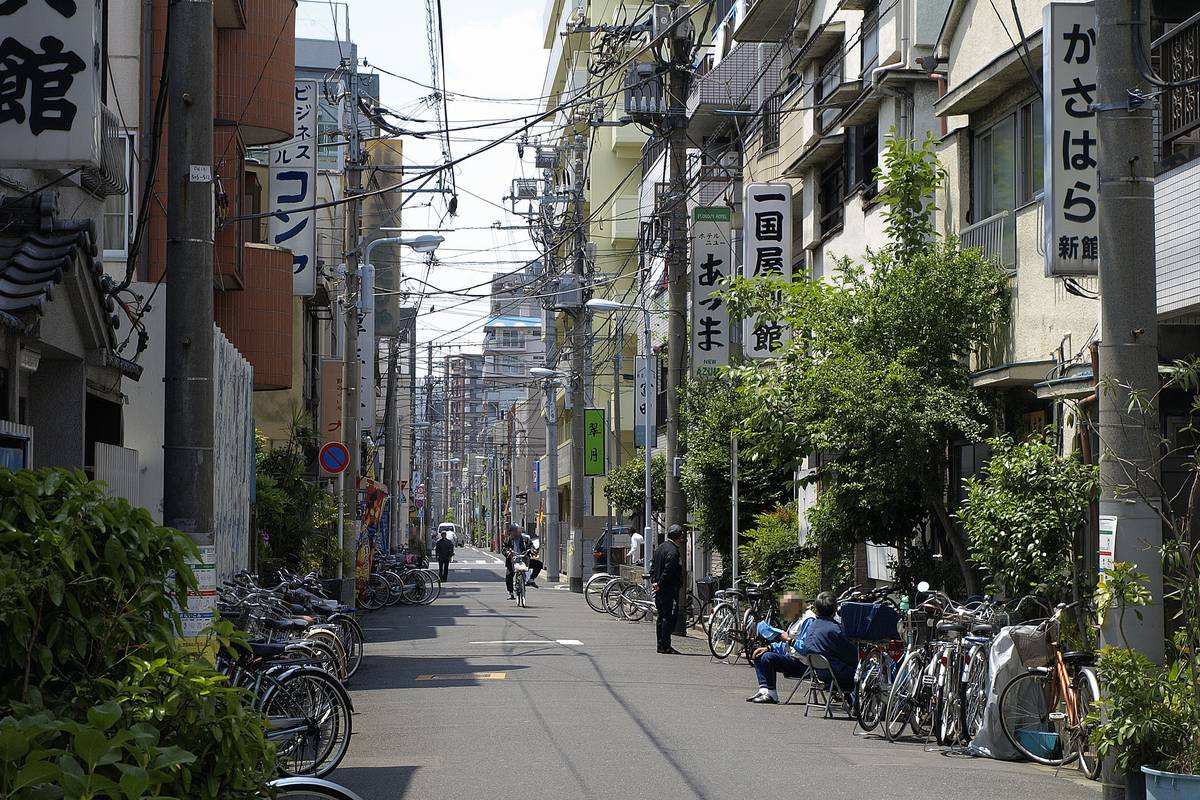
Tokyo Budget Lodging Options
Where to Find Cheap Accommodation in Tokyo
Tokyo has a reputation as one of the world's most expensive cities, which makes many travelers assume they cannot find a cheap place to stay. In reality, the city has plenty of low cost options that are clean, safe, and comfortable. Finding them just requires knowing the different types of budget lodging available near the main train hubs, from shared rooms to micro-accommodations.
Choosing the right spot comes down to trade-offs. When comparing a Tokyo hostel vs capsule hotels, hostels give you social common areas and kitchens, while capsule hotels offer private sleeping pods and shared bathrooms. For longer trips, a Tokyo guesthouse often offers the best value if you want a community feel. If you just need a cheap bed for one night, you can use a manga cafe overnight stay or an internet cafe booth. For more privacy, a Tokyo business hotel provides a small private space with its own bathroom, while a 24-hour spa bathhouse offers hot springs and lounge chairs for a quick rest.
Comparing these options helps you find the best cheap sleeps in the city. Matching nightly rates, location, and amenities to your budget keeps lodging costs down, leaving you with more money to spend on food and sightseeing.
Hostels and Guesthouses
Dorm Rooms and Youth Hostels
Choosing among Tokyo budget lodging types requires understanding the layout of a standard youth hostel. Unlike a standard business hotel room, typical dormitories feature wooden or metal bunk beds, often built directly into the walls to maximize space. These wooden cabins function like semi-private pods, equipped with individual privacy curtains, reading lights, electrical outlets, and small security lockers for valuables. A typical Tokyo guesthouse price ranges from 3000 to 5000 yen per night for a dorm bed, making it an incredibly cheap option compared to private rooms. The layout differs from a Tokyo hostel vs capsule setup, as hostels offer more vertical headroom and room to stand up next to the bed.
Safety and comfort are primary considerations for solo travelers, which has led to a rise in dedicated ladies-only hostel options and female-only dorm floors. Establishments like Nui. Hostel or Mustard Hotel reserve entire floors exclusively for women, secured by keycard access. These gender-segregated spaces include private shower rooms, powder rooms stocked with hair dryers and basic skincare products, and dedicated laundry facilities. This setup provides peace of mind for travelers who want the affordability of a shared dorm without sharing sleeping quarters with male guests.
Beyond the sleeping quarters, the social environment sets hostels apart from alternatives like a manga cafe overnight stay or a 24-hour spa visit. Large common areas, shared kitchens, and rooftop terraces encourage interaction among international guests. Amenities typically include free Wi-Fi, coin-operated laundry, and self-service kitchens stocked with basic cooking utensils. Many hostels also organize weekly events, such as gyoza-making classes or local izakaya tours, helping budget travelers connect and share tips about exploring the city.
Tokyo Guesthouses and Share Houses
Tokyo hostels cater to short-term tourists looking for a nightly bed, but Tokyo guesthouses, often called share houses, require longer commitments, typically starting at one week or one month. This distinction matters when evaluating Tokyo budget lodging types. For travelers planning extended stays, a guesthouse often offers better value than daily rates at a standard business hotel. A typical weekly stay in a Tokyo share house costs between 15,000 and 25,000 JPY, while monthly rates range from 45,000 to 80,000 JPY depending on the ward. For stays exceeding two weeks, this residential arrangement provides a more stable, cost-effective option compared to transient spaces.
Beyond the base rent, the primary financial advantage of a guesthouse lies in its communal infrastructure. Unlike the tight quarters evaluated in a Tokyo hostel vs capsule comparison, guesthouses feature fully equipped communal kitchens. Access to stoves, rice cookers, and shared refrigerators allows residents to prepare meals using ingredients from local discount supermarkets like Gyomu Super, cutting daily food costs. On-site laundry facilities, often free or coin-operated for a nominal 100 JPY fee, eliminate the need for external laundromats. These integrated amenities make share houses an efficient choice for budget travelers looking to minimize daily living expenses.
Capsule Hotels and Business Hotels
Hostels vs. Capsule Hotels
Tokyo budget lodging comes down to space and noise. In a standard youth hostel dorm, you share a room with four to twelve wooden bunk beds, where privacy relies on thin fabric curtains. This setup makes hostels susceptible to ambient noise, like rustling bags or late-night arrivals. The Tokyo hostel vs capsule comparison shows how capsule hotels swap social spaces for individual, stackable fiberglass units. While still subject to shared room noise, capsule guests get rigid plastic barriers that block light and muffle immediate movement.
Modern capsule design fits everything into a footprint of roughly two meters long, one meter wide, and one meter high. Inside these modular plastic pods, guests find integrated control panels regulating dimmable LED lights, ventilation fans, and digital alarm systems. Dedicated power outlets and USB ports are standard, allowing travelers to charge devices securely inside their own space. For reliable cheap sleep, visitors often prefer these self-contained units over traditional dorms because the design eliminates the struggle of finding an available wall outlet near a shared bunk.
Privacy levels vary based on these structural differences. While a hostel curtain offers basic visual screening, it does not block sound or prevent accidental intrusion. Capsule hotels provide a more defined personal boundary with pull-down screens or plastic doors, though Japanese fire regulations prevent these pods from locking. For those seeking absolute privacy, a Tokyo business hotel room is a step up, though a typical Tokyo guesthouse price of 4,500 to 7,000 yen per night is higher than the 3,000 yen average for a capsule. Capsules offer a secure, enclosed middle ground.
Business Hotels for Private Rooms
Travelers comparing Tokyo budget lodging types but rejecting shared spaces can use business hotel chains for a private room and bathroom. Major national chains like APA Hotels, Toyoko Inn, and Super Hotel sit clustered around transit hubs. While a Tokyo hostel vs capsule setup requires sharing showers and toilets, these compact rooms offer self-contained units with desks and modular bathrooms. They work as a direct upgrade for visitors seeking a cheap sleep option with personal space.
Costs differ from shared options. While a guesthouse averages 3,500 to 5,000 JPY per night, business hotels range from 6,500 to 11,000 JPY depending on the season. This price difference adds booking flexibility. Unlike an internet cafe booking or a manga cafe overnight stay where spaces cannot be reserved far ahead, business hotels allow bookings months in advance. Most chains allow free cancellation up to 24 hours before check-in, which budget hostels rarely match.
These hotels also include amenities absent in a 24-hour spa or a basic youth hostel. Guests get pajamas, toothbrushes, internet, and access to coin laundry. Super Hotel includes hot breakfasts and pillow options, while Toyoko Inn has identical layouts across locations. For solo travelers or couples, the price increase over a capsule hotel adds privacy and security, fitting practical itineraries.
Ultra-Budget Overnight Alternatives
Sleeping in Manga and Internet Cafes
Tokyo has cheap, unconventional lodging in 24-hour internet and manga cafes. Chains like Kaikatsu Club or Bagus require registration at the front desk using a passport. Guests choose a stay duration, usually an eight-hour or twelve-hour night pack costing between 2000 and 3500 yen. This rate is much lower than a standard Tokyo guesthouse or a typical business hotel room.
When booking a manga cafe overnight booth, guests choose between a reclining seat or a flat mat. The flat mat booth, lined with plastic cushions, lets you lie down fully and is better for sleep. These private cubicles have a sliding door, a computer, and dimming lights. They are not as comfortable as a youth hostel Tokyo bed, but they work as a functional alternative in comparisons like Tokyo hostel vs capsule setups, especially if you miss the last train.
These venues offer practical amenities that rival Tokyo budget lodging types:
- Unlimited soft drinks and soft-serve ice cream.
- Hot showers for 300 to 500 yen, including towels.
- Free Wi-Fi, print services, and libraries of manga.
- Blanket rentals and slippers at no extra cost.
While not built for multi-week stays, an internet cafe provides a safe, dry, and cheap shelter for a single night.
24-Hour Spas and Public Bathhouses
For travelers comparing Tokyo budget lodging types, 24-hour spa facilities offer an unconventional cheap-sleep alternative to a standard youth hostel or a cramped capsule. These venues, often called kenko land or super sento, allow overnight stays by charging a basic entry fee plus a late-night premium, typically totaling 3,000 to 5,000 yen. Instead of a bed, guests sleep in shared relaxation rooms equipped with deeply reclining lounge chairs, individual TV screens, and reading lights. While less private than a business hotel room, it provides a functional resting place after the trains stop running.
Popular locations like Thermae-Yu in Shinjuku and Spa LaQua in Bunkyo Dome City provide central access to these facilities. Guests receive access to multiple indoor mineral baths, carbonated pools, outdoor baths, and dry or mist saunas as part of the entry package. This bath access is a significant upgrade over the basic showers found in a manga cafe or internet cafe location. These wellness-focused spaces prioritize physical recovery, offering a therapeutic environment that justifies the cost when compared to a budget guesthouse.
Before choosing this option, travelers must navigate specific cultural rules. Most Japanese spas maintain a strict ban on tattoos of any size, though select modern venues permit entry if tattoos are completely covered with waterproof patches. Luggage management also differs from standard accommodations. Spas do not allow large suitcases in the relaxation lounge; guests must secure large bags at the front desk lobby or utilize coin lockers at nearby transit hubs. For budget travelers comparing a Tokyo hostel vs capsule experience, the 24-hour spa represents a unique compromise that trades private sleeping quarters for rejuvenating thermal baths.
Comparing Tokyo Budget Accommodations
Average Price per Night
Tokyo budget lodging rates vary by neighborhood and style. A typical Tokyo guesthouse costs 3,500 to 6,000 JPY per night for a private room with shared bathrooms. When comparing a Tokyo hostel vs capsule, a dorm bed in a youth hostel costs 3,000 to 5,000 JPY, while a capsule hotel runs 3,500 to 6,500 JPY. For a cheap night's sleep, a manga cafe overnight stay or an internet cafe booth costs 2,000 to 3,500 JPY, and a 24-hour spa entry fee is 2,500 to 4,500 JPY. A standard business hotel room starts higher, usually between 7,000 and 12,000 JPY.
| Lodging Type | Average Nightly Rate (JPY) | Best For |
|---|---|---|
| Manga/Internet Cafe | 2,000 - 3,500 | Emergency stopovers |
| 24h Spa | 2,500 - 4,500 | Budget relaxation |
| Youth Hostel | 3,000 - 5,000 | Social solo travelers |
| Guesthouse | 3,500 - 6,000 | Mid-term slow travel |
| Capsule Hotel | 3,500 - 6,500 | Solo efficiency |
| Business Hotel | 7,000 - 12,000 | Privacy seekers |
Seasonal demand changes these rates. During the spring cherry blossom season from late March to mid-April, and holidays like Golden Week in May or New Year, prices rise by 30% to 50%. Business hotels and popular hostels book out months ahead, leaving late bookers with capsules or spas. Booking early secures these baseline rates.
Privacy, Curfews, and House Rules
Privacy levels depend on the lodging type. A standard youth hostel Tokyo has open dormitories where only a curtain separates the bunk beds. In the Tokyo hostel vs capsule comparison, capsules offer more personal space in enclosed plastic pods, though Japanese fire laws prohibit locking the doors. For a cheap night's sleep, an internet cafe or manga cafe overnight booth gives you a private cubicle with a reclining chair or mat, but these spaces lack ceilings, so you will hear ambient noise. A private room in a business hotel or a guesthouse provides a locking door, though this increases the average Tokyo guesthouse price.
Capsule hotels and 24-hour spas require daily checkout. Even if you book multiple nights, you must vacate your pod or relaxation chair every morning, usually by 10:00 AM, and check back in during the afternoon so staff can clean. You must store luggage in lockers or pay extra to leave bags at the front desk, and you cannot lounge in the facility during the day without paying a daytime rate.
Access and etiquette rules are strict. Many budget guesthouses and hostels enforce a daytime lockout between 11:00 AM and 3:00 PM, and some lock their doors for a midnight curfew. The traditional shoes-off policy is mandatory. You must remove outdoor footwear at the entrance (genkan), use the provided indoor slippers, and keep your outdoor shoes in designated lockers. Ignoring these footwear rules is a major cultural offense that can result in staff canceling your booking immediately.
Safety, Security, and Booking Tips
Tokyo budget lodging is generally safe, but security setups differ by property type. Hostels and capsule hotels provide lockers for valuables. Hostels usually offer under-bed cages that require your own padlock, while capsule hotels use separate locker rooms with wristband keys. Internet cafes and manga cafes do not have lockable doors. If you stay overnight in one, you will need to leave large bags at the front desk or use coin lockers at the train station. 24-hour spas provide secure lockers linked to your billing wristband. Most capsule hotels and hostels offer female-only floors, which helps solo travelers feel more secure.
Getting the best rates on cheap lodging requires planning. Guesthouse rates drop if you book monthly stays directly with operators like Oakhouse or Sakura House. For youth hostels and business hotels, booking three months ahead on major booking sites gets the lowest rates, especially during the spring cherry blossom season. Mid-week stays cost less than weekends, when domestic tourists fill the city. Check the cancellation rules, as many budget places allow free cancellation up to 48 hours before you arrive. Compare booking sites against the property's own website, since direct bookings sometimes include free breakfast.
Your neighborhood choice affects how much you spend on daily trains. Focus your search on Ueno, Asakusa, or Shinjuku. Ueno has direct trains to Narita Airport via the Keisei Skyliner. Asakusa has the highest concentration of traditional budget guesthouses. Shinjuku sits on the Yamanote Line, which makes it easy to get around without paying for extra transfers between different train companies. Ueno and Asakusa work well if you want historic walks, while Shinjuku is better for nightlife. Staying within a ten-minute walk of any of these stations keeps transit costs low and helps you avoid expensive late-night taxi fares.
Summary
How to Choose the Right Budget Stay
Choosing cheap lodging in Tokyo means balancing cost, comfort, and privacy. Deciding between a hostel and a capsule hotel comes down to whether you want social interaction or personal space. Hostels have shared kitchens and bunk beds, while capsules give you a private pod but no floor space. For the lowest rates, you can sleep in a Tokyo internet cafe or manga cafe stall, though you will sacrifice sleep quality. A 24-hour Tokyo spa offers hot baths and lounge chairs but no privacy.
Different accommodations fit different travelers. Solo travelers who want to meet people should choose a Tokyo youth hostel, while those who want quiet efficiency should book a capsule. Groups or long-term visitors get the best rates in a Tokyo guesthouse, where prices usually drop for longer stays. Couples on a budget should look for cheap Tokyo business hotels to get privacy at a low cost.
Book your room two to three months early to get the lowest rates. Tokyo hotels fill up fast, especially during spring cherry blossom season and autumn foliage peaks, which makes last-minute prices spike. Booking early also helps you secure a spot near major transit hubs like Shinjuku or Shibuya.
Official sources
Details worth verifying before you go — checked against:

Travel Writer & Editor
Emily Johnson writes and edits Do Travel Blog. Every guide on the site starts the same way: with a question she actually had while planning — when to book, which pass to buy, how to get from A to B without overpaying. Where a number matters, she cites the source: park tickets link to the park's own fee page, visa rules to the official consulate, ferry times to the operator. Prices get re-checked against those pages before each update, and a guide is re-dated when its numbers move. Nothing here is sponsored — she doesn't accept payment for coverage. Spotted something stale or wrong? Email hello@dotravel.blog and she'll fix it.