How I Get Around Southeast Asia on a Budget
Discover how I save money on transportation budget in Southeast Asia with cheap flights, bus travel, and local tips. From night buses to budget airlines, here's my complete guide.
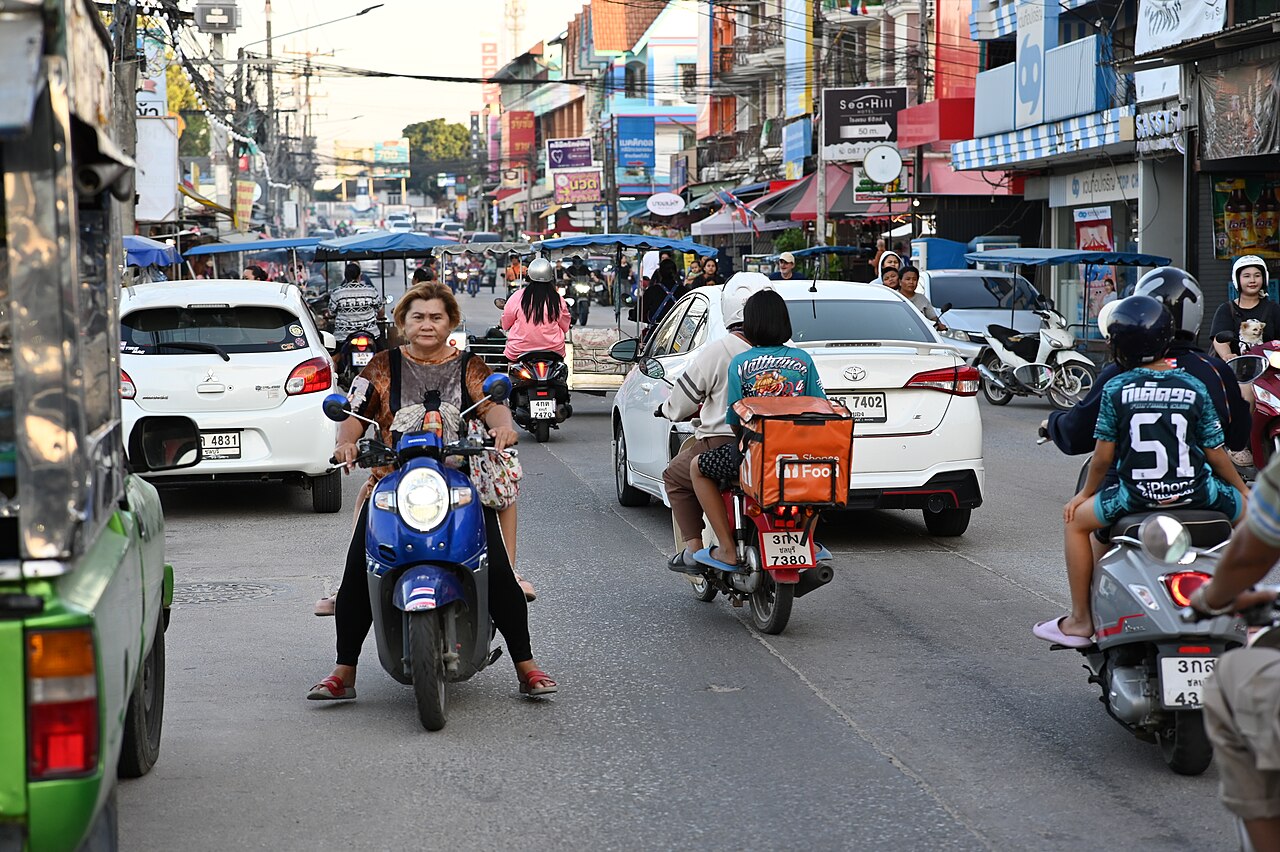
How I Get Around Southeast Asia on a Budget
When people ask me about the biggest cost of traveling through Southeast Asia, they usually guess accommodation or food. But in my experience, transportation is the real budget-buster. It can eat up half your daily spend if you are not careful. I remember my first month backpacking through Thailand: I budgeted $25 a day for hostels and ate street food for less than $3 a meal. Yet the bus from Bangkok to Chiang Mai, the flight to Krabi, and all the tuk-tuk rides added up fast. That is when I started learning how to book cheap flights, use overnight buses to save on accommodation, and navigate local transport without overpaying. In this article, I will share my methods for keeping your transportation budget across Southeast Asia low.
The article covers everything you need to know: how to score cheap flights on budget airlines like AirAsia and VietJet, the ins and outs of long-distance bus travel in Cambodia and Thailand, the scenic train routes through Vietnam, and tips for local transport like scooter rentals and ride-hailing apps. I will explain when to book flights in advance versus last-minute, which bus companies are reliable, and how to avoid common scams. By the end, you will have a clear strategy for saving on transport wherever you go.
Finding Cheap Flights in Southeast Asia
Budget Airlines Worth Your Money
For managing my transportation budget in Southeast Asia, budget airlines are my go-to for crossing borders. I fly with AirAsia most often; their network covers almost every city I visit. VietJet is my choice for Vietnam's domestic routes, sometimes costing as little as 150,000 VND for a flight from Ho Chi Minh to Hanoi. Scoot offers good deals out of Singapore, and Nok Air connects Thailand's smaller islands at reasonable fares. For example, flight prices in Thailand between Bangkok and Chiang Mai often drop below 500 THB if booked two weeks ahead.
Typical regional flights range from $15 to $50 one-way, depending on the route and season. The key to keeping those cheap flights truly cheap is to avoid add-ons. I always book with hand luggage only, a 40-liter backpack that fits under the seat. Checking a bag can add $20 to $40, which suddenly makes a $15 ticket a $55 expense. Before every flight, I weigh my bag at the hostel and redistribute items if needed to stay under the 7 kg limit.
This habit alone saves me hundreds per trip. Those savings fund bus travel between towns or a scooter rental for a day of exploring. The real trick is not just finding a low fare; it is sticking to hand luggage and skipping the fees that silently inflate your budget.
Tips for Booking Cheap Flights
I have tested booking windows across Southeast Asia and found a consistent pattern: for flight prices in Thailand, four to six weeks ahead works best, while international hops like Bangkok to Hanoi need two months for the lowest prices. Last-minute deals exist but are too unpredictable for my plans.
When I search for flights, incognito mode is a must. It stops airlines from inflating prices based on my history. I compare all options on Skyscanner, use the month view to spot the cheapest dates, and set price alerts. Another trick is checking alternate airports: for Singapore, I fly into Senai in Johor Bahru (often half the price of Changi) and then take a cheap bus across the border. Similarly, Don Mueang in Bangkok is usually cheaper than Suvarnabhumi.
Finally, I sign up for airline newsletters. AirAsia and Scoot run flash sales where I grab seats for $10-$20 if I book within the first few hours. These habits have kept my transport budget across the region in check.
Long-Distance Bus and Train Travel
Night Buses: Sleep and Save Money
One of the smartest moves I've made for my transportation budget in Southeast Asia has been swapping daytime journeys for overnight buses. The double win is hard to beat: you pay for a single ticket that moves you between cities and doubles as your accommodation for the night. On the Bangkok to Chiang Mai run, for example, a standard VIP bus costs around 600 baht (about $17) and departs around 9 p.m., arriving at 6 a.m. That's a solid night's rest and breakfast in a new city for less than a hostel dorm bed.
That same logic works on the Ho Chi Minh to Da Nang route, one of the best night bus trips in Vietnam. The sleeper bus has reclining seats that go nearly flat, and the 14-hour journey lets you wake up to the coastline. Comfort varies by operator, so I always pack my inflatable neck pillow, a sleep mask, and foam earplugs. The air conditioning can be aggressive, so a light jacket or a sarong double as a blanket. Earplugs are especially important on Vietnamese buses, where the drivers sometimes honk through the night.
Booking ahead through a reputable company like The Sinh Tourist or 12Go gives you a better seat and a guaranteed spot. With a little preparation, a night bus can be one of the most comfortable and cost-effective ways to save on transport while covering long distances.
Bus Travel in Cambodia and Vietnam
In Cambodia, bus travel is the most practical way to get between major cities. Giant Ibis and Mekong Express both offer reliable service with air conditioning, onboard WiFi, and power outlets. A ticket from Phnom Penh to Siem Reap costs roughly $15 and takes about six hours. For my transportation budget in Southeast Asia, these buses beat flying because they drop you right in the city center and include a bottle of water.
Vietnam's open bus system, operated by Sinh Tourist and a few similar companies, turns long-distance travel into a flexible journey. You buy one ticket that lets you hop on and off along the coast from Ho Chi Minh City to Hanoi, with stops in Da Nang, Hoi An, Hue, and Nha Trang. I paid around $30 for a full open ticket and stayed a few nights in each city. It saved me from booking multiple flights and let me travel at my own pace.
For buying tickets, I usually go to the bus station a day before my departure. In Cambodia, the station counters accept cash and you can see the actual bus before paying. Online platforms like 12Go.asia charge a small booking fee but offer convenience and confirmed seats. In Vietnam, Sinh Tourist has its own website where you can book the open bus online, and the price is often the same as at their office. Just check departure times the evening before and confirm your seat.
Train Travel in Vietnam - A Scenic Budget Option
When I plan my transportation budget across Southeast Asia, I've found that Vietnam's Reunification Express is worth paying a little extra for. The overnight train from Hanoi to Ho Chi Minh City covers the 1,700-kilometer journey in around 30 hours, winding through coastal scenery that buses rush past. I've taken this route twice now, and each time the slow pace felt like a gift rather than an inconvenience.
My advice on sleeper class is straightforward: book a soft sleeper if your budget allows. The hard sleeper cabins are functional, with a thin mattress and basic pillow, but the soft sleeper adds a door you can lock, thicker bedding, and noticeably less noise from the corridor. The price difference is usually around 5 to 8 USD per bunk, which I consider essential for arriving rested. For solo travelers, the soft sleeper also gives you a small shelf and reading light, making the 12-hour overnight segments genuinely pleasant.
When do I choose the train over a bus? I pick trains for any journey over six hours, especially if I'm traveling overnight. The bus network is faster by a few hours and cheaper by roughly 10 to 15 USD, but the train's dining car, ability to walk around, and cleaner toilets make a real difference on a long day. For shorter hops, say two to three hours, I stick with buses. But for the full north-south route, the train remains my favorite way to see Vietnam's countryside without blowing my daily transport limit.
Getting Around Cities on a Budget
Scooter Rental: Cheap and Convenient
In many parts of Southeast Asia, renting a scooter is the most practical and affordable way to get around, especially on islands like Koh Lanta or in rural areas where public transport can be sparse. I usually pay between $5 and $10 per day, which is far cheaper than multiple tuk-tuk rides or taxi trips. For a couple or a small family, though we travel with our daughter so we take a bit more care, it still beats the cost of hiring a private driver.
Before you grab the keys, check local laws on driving permits. Some countries, like Thailand, accept your home license plus an International Driving Permit (IDP), while others, like Vietnam, may not recognize the IDP at all. I always check recent travel forums or ask the rental shop directly, but I also carry an IDP just in case. Rental shops rarely ask, but police checks do happen.
Safety is non-negotiable. I always wear a helmet. Most shops provide one, but I carry a lightweight foldable helmet for our daughter. Before riding, I quickly inspect the tires, brakes, and lights. A flat tire or faulty brake on a winding mountain road is the last thing you want. Taking a few minutes to check can save you from a costly breakdown or something worse.
Scooter rental gives you freedom at a low price, but it demands common sense. For anyone watching their transportation budget in Southeast Asia, it's one of the best ways to save on transport while enjoying spontaneous detours. Just ride carefully.
Tuk-Tuks: How to Negotiate the Fare
Tuk-tuks are a convenient way to get around cities in Southeast Asia, but price gouging is common. Always set the fare before you get in. Drivers often start high, especially when they see a foreigner. I follow a simple rule: never sit down without confirming the price first, and always ask the driver to repeat it so there is no confusion later.
The best way to avoid overpaying is to ask someone local what a fair fare is for common routes. In Bangkok, a guesthouse owner might tell you that a typical short ride costs 100 to 150 baht, not the 400 baht a driver initially asked. In Phnom Penh, a standard tuk-tuk trip within the city center runs around 4000 to 6000 riel. Use that as your starting point for negotiation. Remember that tuk-tuks come in different forms: in Cambodia, they are motorized rickshaws (a motorbike pulling a trailer), while in Thailand, they are the classic three-wheeled vehicles. Some places also have a secondary type, such as motorcycle taxis, which might be cheaper for one person.
Adding these fare tips to your overall transportation budget in Southeast Asia helps you save on transport and leaves more room in your wallet for experiences. A little local advice goes a long way toward fair pricing.
Grab: The Uber of Southeast Asia
Grab is the ride-hailing app that dominates Southeast Asia, available in Thailand, Vietnam, Indonesia, the Philippines, Malaysia, Singapore, and Cambodia. It offers fixed prices through the app, so you know the cost before you ride. This predictability is important when you're managing a transportation budget in Southeast Asia: no haggling, no meter disputes, no surprises.
For short city trips, GrabBike (motorcycle taxis) is the cheapest option, often half the price of a regular car. For longer distances, you can use GrabCar, which is perfect for airport transfers or intercity rides. I once took a GrabCar from Siem Reap to Phnom Penh, and it was only slightly more than a shared minibus but far more comfortable. Even if you've already booked your flights between countries, Grab helps you get to and from the airport without blowing your budget.
When comparing Grab with local taxis, the answer isn't always straightforward. In cities like Bangkok and Jakarta, taxis with a meter can be cheaper for short trips, especially if you catch them outside major tourist zones. But in tourist-heavy areas, drivers often refuse the meter. Grab eliminates the negotiation and offers a transparent price. For longer city-to-airport routes, GrabCar often beats taxi fares, especially during surge pricing, though Grab's own surge is usually less extreme.
Some travelers prefer to combine Grab with other local transport to save even more. For example, taking a bus to a main intersection and then booking a short Grab ride can be cheaper than a direct Grab from your accommodation. Always compare the total cost before you book. With a little planning, Grab becomes an essential tool to save on transport across the region.
Local Buses: The Cheapest Way to Get Around
The cheapest way to get around any city in Southeast Asia is the local bus system. Taxis and tuk-tuks are convenient, but they add up fast. City buses cost just $0.20 to $0.50 per ride. In Bangkok, BMTA buses start at 8 baht (about $0.22) and take you across the city. In Hanoi, a ride on the city buses costs 7,000 vnd ($0.29). Those savings matter when you're trying to keep your transportation budget under control.
Navigating local buses without speaking the language is easier than it sounds. Google Maps has become my go-to tool. It shows bus routes, stops, and even real-time arrivals in major cities. I type my destination, pick the bus icon, and follow along. The app tells me which bus number to take and where to get off. I always screenshot the instructions in case signal drops. In Hanoi, buses have large route numbers on the front, so matching them is straightforward. In Bangkok, the BMTA buses are color-coded by route type.
A few practical tips will make your first ride smooth. Always carry small bills or coins because drivers rarely have change. In Bangkok, most BMTA buses have a conductor who collects fares after you sit down, so you don't need exact change ready. In Hanoi, you pay as you board and drop the fare into a box. Once you get used to it, using local buses becomes second nature. It's not only cheap but also a great way to see real city life. For anyone serious about bus travel on a budget, mastering the local bus is a game changer.
Ferries and Other Water Transport
Island Hopping on a Budget with Ferries
Ferries are the backbone of any island-hopping trip in Southeast Asia. Whether you are aiming for Koh Phi Phi in Thailand or the islands around Bali in Indonesia, you cannot avoid them. I have found that planning ahead for ferry travel is one of the best ways to keep my transportation budget in check across the region.
When comparing ferry companies, booking online usually gives you a clearer picture of prices and schedules, but it often comes with a markup. At the pier, you can sometimes haggle or find last-minute deals, especially on less popular routes. For travelers on a tight transportation budget in Southeast Asia, showing up a day early and buying from a local ticket office can save you the equivalent of a cheap flight between major cities.
The biggest savings come from choosing local passenger boats over tourist speedboats. The local ferries run slower and leave less frequently, but they cost a fraction of the price. On routes like the short hop from mainland Koh Samui to Koh Pha Ngan, I have paid less than half of what a speedboat costs, and the extra hour on the water was a relaxing part of the journey.
How I Choose the Cheapest Option Every Time
A Simple Framework for Choosing Your Transport
When I'm planning a move between cities or countries in Southeast Asia, I start with three simple criteria: distance, the trade-off between time and money, and comfort. These three factors help me keep my transportation budget on track while still getting where I need to go without unnecessary hassle.
If the distance is under 500 kilometers, bus travel is almost always the cheaper option. For example, the bus from Ho Chi Minh City to Phnom Penh runs around $12, while a flight can cost $50 or more when you add baggage fees. Once you go over 1000 kilometers, cheap flights start to look more attractive - a flight from Bangkok to Chiang Mai can actually be cheaper than the overnight bus when you factor in the time and a missed night of accommodation. For medium distances, I check both and weigh the comfort factor.
That's where 12Go.asia comes in. I pull up the site and compare options for the same route: bus, train, minivan, flight. It shows real-time prices and durations, so I can see at a glance whether a budget airline or a comfortable bus fits my needs. When I was deciding between the train in Vietnam from Hanoi to Hue versus a flight, 12Go made it clear the train was only $5 more and saved a hostel night. I also use it to find Cambodian bus routes, Vietnamese train schedules, and even scooter rental options for shorter trips.
Having this framework saves me both money and decision fatigue. I don't waste hours comparing every option manually - I just apply distance, time vs money, and comfort, then let 12Go do the comparison. It's how I save on transport while still enjoying the journey.
Bottom line
Saving on Transport Lets You Do More
When you cut costs on getting around, you free up money for what really matters: another bowl of pho in Hanoi, an extra night in a hill-tribe homestay, or a scooter rental to explore the back roads of Luang Prabang. The strategies I have shared are simple but effective: budget airlines for long hops between countries, buses for medium distances, trains for the most scenic routes, and local transport like tuk-tuks and scooters for getting around cities.
- Far distances (over 500 km): Budget airlines. I use flight comparison tools and set price alerts for routes like Thailand to Cambodia or Vietnam to Malaysia. Book two to three weeks ahead for the best deals.
- Medium distances (200-500 km): Buses. Bus travel in Cambodia or Vietnam is cheap, reliable, and often includes meals. Night buses save a night's accommodation.
- Short distances / scenic routes: Trains. A train journey along the Vietnamese coast or through the Thai countryside is slow but beautiful.
- Within cities: Scooter rental or ride shares. Scooter rental in Vietnam or Thailand costs about $5-$8 per day and gives you total freedom.
Flexibility is the real money-saver. If you can shift your travel dates by a day or two, you can often slash the price of a flight in half. Researching your options, checking different routes, comparing bus companies, reading reviews on forums, takes an hour but can save tens of dollars. I always check at least three options before booking any leg.
I hope these tips help you travel more for less on your own trip. Try mixing and matching to see what works for your style and route. If you have a favorite way to save on transport in Southeast Asia, or if you have questions about a specific crossing, drop them in the comments. I would love to hear what works for you.
Official sources
Details worth verifying before you go — checked against:

Travel Writer & Editor
Emily Johnson writes and edits Do Travel Blog. Every guide on the site starts the same way: with a question she actually had while planning — when to book, which pass to buy, how to get from A to B without overpaying. Where a number matters, she cites the source: park tickets link to the park's own fee page, visa rules to the official consulate, ferry times to the operator. Prices get re-checked against those pages before each update, and a guide is re-dated when its numbers move. Nothing here is sponsored — she doesn't accept payment for coverage. Spotted something stale or wrong? Email hello@dotravel.blog and she'll fix it.