How I Budget for Activities in Southeast Asia
Learn how I budget for activities and entertainment in Southeast Asia - from temple entry fees and nightlife costs to cooking classes and diving. Practical tips to save without missing out.
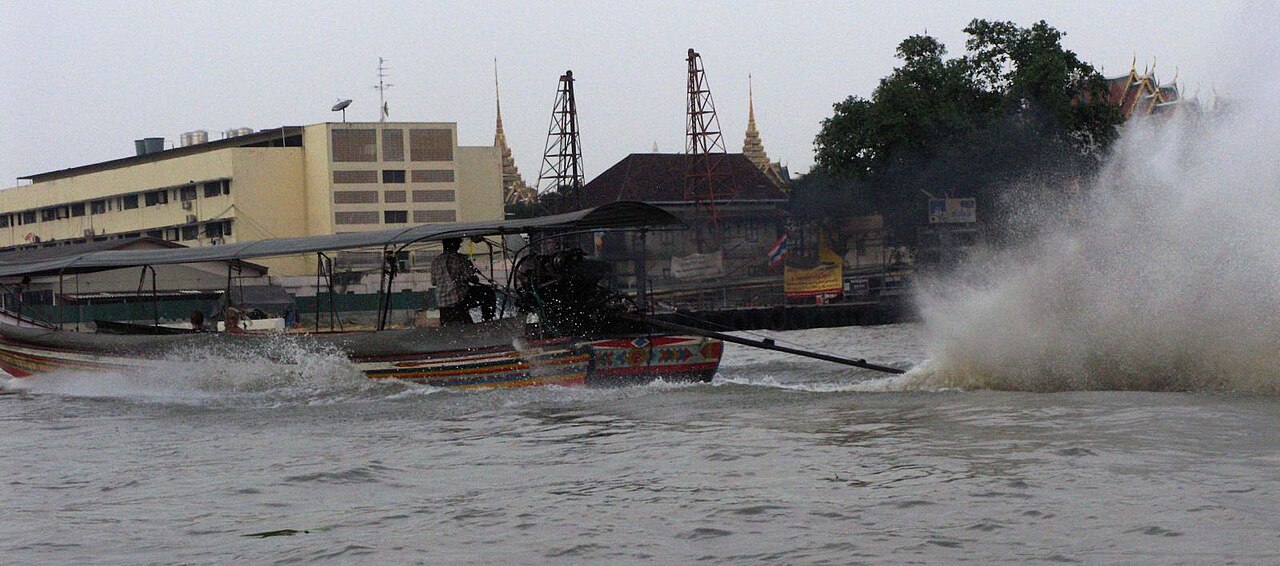
Why I track every baht and dong
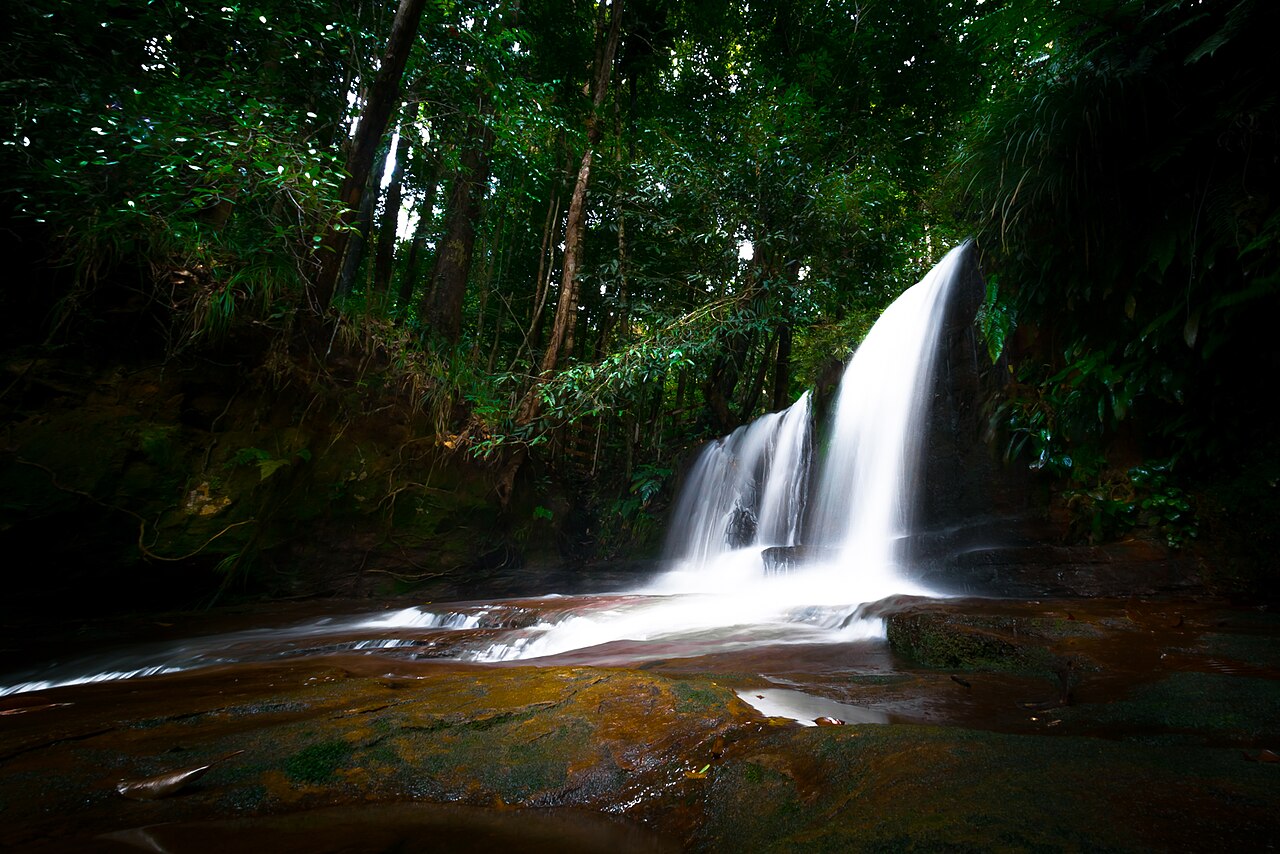
Photo: Clayborneoguy / CC BY-SA 4.0 / Wikimedia Commons
When I first started slow-traveling through Southeast Asia with my husband and daughter, I quickly realized that if I didn't track every baht and dong, I'd blow my monthly budget on the first spontaneous diving course I found. Our travel style is deliberately modest - we stay in family-run guesthouses, eat at local markets, and move by overnight buses or trains - but activities are where costs can spiral without warning. One day you're paying 20,000 Indonesian rupiah (about $1.30) to enter a temple compound, the next you're looking at $400 for an open-water diving certification in Koh Tao.
The range is staggering: temple entry fees can be as low as free in rural Cambodia, while Angkor Wat charges $37 for a single-day pass. National park fees vary wildly too; Phong Nha in Vietnam costs 150,000 VND ($6) for the cave entrance, but the overnight jungle trek runs $150 with a guide. Nightlife costs depend on your scene - a beer in a Bangkok hostel bar might set me back $1.50, while cocktails on a rooftop in Saigon push $10 each. Cooking class prices average around $30 for a full-day session in Chiang Mai, and a multiday liveaboard dive trip in Indonesia can easily top $1,000.
I track every single outing - not out of stinginess, but because knowing what I've already spent lets me say yes to the experiences I genuinely value most. When I set aside $30 for temple fees and $50 for nightlife per week, I can choose to skip a tourist trap bar and instead treat myself to a private cooking class. By planning ahead, I save on entertainment without feeling deprived.
Budgeting for Temples, Parks, and Wildlife
Temple entry fees: from Angkor Wat to local wats
Entrance fees are a consistent line item in any activities budget for Southeast Asia, but they rarely break the bank if you plan ahead. The most famous and steepest is Angkor Wat in Cambodia. A one-day pass costs $37, while a three-day pass runs $62. That extra $25 buys you two more days to explore the sprawling temple complex at a relaxed pace, which is exactly how I prefer to travel. If you are on a tight schedule or budget, the one-day pass still lets you see the main highlights, but the three-day pass actually lowers your daily cost significantly.
Smaller temple entry fees are far more modest. Bangkok's Wat Pho, home to the reclining Buddha, charges just 300 Thai baht, about $9. Wat Arun nearby costs 200 baht. These prices make it easy to visit multiple wats in a single day without blowing your budget. For comparison, a single evening cocktail at a rooftop bar in Bangkok can cost more than both entries combined. That is one reason I always set a nightlife budget and prioritize these cultural sites.
Free temple options are plentiful too. Many local wats in rural towns across Thailand, Laos, and Myanmar have no entrance fee at all; they welcome donations instead. The dress code is consistent everywhere: cover your knees and shoulders, and remove shoes before entering. A light scarf or sarong works as both a cover-up and a useful item for other activities. Knowing these rules beforehand means you do not need to buy overpriced cover-ups at the gate, which is another small but real way to save on entertainment while respecting local customs.
National park fees for Ha Long Bay and beyond
Ha Long Bay is one of those places where the entrance fee is only part of the picture. The bay itself costs about 10 USD per person to enter, but almost everyone takes a boat tour. A basic day cruise runs around 35-50 USD including lunch and kayaking; an overnight trip with cabin and meals can hit 120-150 USD. I always book through a reputable operator from the mainland rather than haggling on the pier. It saves headaches and often money.
Other parks follow a similar pattern. Komodo National Park charges roughly 20 USD for entry plus a 10 USD conservation fee, and you also need a guide (another 15-20 USD split among the group). Taman Negara in Malaysia is more budget-friendly: about 5 USD for park entry and 10-15 USD for a half-day jungle trek with a guide. For multi-day treks in places like Gunung Leuser (Sumatra) or Mount Kinabalu (Borneo), permits and compulsory guides push the total to 50-80 USD per day. I add these park-related costs into my activities budget Southeast Asia spreadsheet the moment I decide to visit. Entrance fees and required guides are non-negotiable, but they are easy to plan for.
The key is knowing what is included and what is extra. Most national parks separate entry, conservation fees, and guide costs. By checking official websites or recent blog posts (within the past six months), I get accurate numbers and avoid surprises. This way, I keep my overall entertainment spending in check while still seeing the region's best wild places.
Ethical animal encounters: elephant sanctuaries and more
When I started planning my activities budget for Southeast Asia, animal encounters were the hardest line item to research. The cost difference between ethical and unethical options is stark: a full-day visit to a reputable elephant sanctuary in Chiang Mai or Luang Prabang typically runs $50-$80 per person, while a 30-minute elephant riding experience can be found for $15-$25. The ethical option costs more upfront, but it's the kind of entrance fee I feel good about paying.
That higher price tag nearly always includes far more than the ride itself. Most ethical sanctuaries provide round-trip transport from your hotel, a hearty lunch featuring local dishes, and a guided walk through the sanctuary where you learn about elephant behavior and rescue stories. Some even include morning coffee and snacks. When I factored in what I would have spent on food and transport separately, the sanctuary visit cost roughly the same as a tour that offered a ride but no meals or education. For me, that made the choice straightforward.
Beyond elephants, I budget for other ethical wildlife experiences by treating them as priority splurges. Turtle snorkeling in the Similan Islands or Komodo National Park costs around $30-$60 for a half-day trip, including mask and fin rental. I set aside a fixed portion of my weekly activities budget (usually 20%) specifically for conservation-minded excursions. That way I never feel I'm missing out on the bar tabs my fellow travelers drop; I'm spending on experiences that align with my values.
Nightlife and Food on a Budget
Nightlife costs: Khao San Road, cocktails, and cover charges
I remember my first night on Khao San Road, wallet in hand, wondering how far my activities budget for Southeast Asia would stretch. A bottle of Singha at a street-side bar costs around 60-80 baht (about $1.70-2.30), while a proper cocktail in an air-conditioned club runs 200-300 baht ($5.50-8.30). Those entrance fees for nightlife, often called cover charges, typically range from 100 to 500 baht ($3-14) depending on the venue. Some clubs include a drink with the cover, which can soften the blow. The trick is to scout happy hour deals: many bars on Soi Rambuttri offer two-for-one cocktails between 5 and 8 p.m., dropping your per-drink cost below 100 baht.
Live music venues often charge a cover of 100-200 baht, but the entertainment can last hours. For a truly budget-friendly evening, look for free cultural shows. The night markets in Chiang Mai and Bangkok's Asiatique regularly host traditional dance performances at no cost. I have found that pacing your drinking and mixing in these free experiences keeps your nightlife costs manageable without feeling like you are missing out. Even a night out on Khao San Road can be done for under $20 if you stick to street beers and avoid club entry after 10 p.m., when cover charges spike. My rule: decide your cap before you head out, and let the happy hour windows guide where you start.
Cooking classes and street food adventures
When I plan my activities budget in Southeast Asia, cooking classes always earn a spot. Typical cooking class prices in Thailand range from $25 to $35 for a half-day session that includes a market tour. You visit the local produce stalls, learn to pick ingredients, then cook three or four dishes. In Vietnam, especially Hoi An, you can join a class for $15 to $20, often with a basket boat ride through the river. Bali's classes in Ubud cost around $30 and include visits to rice terraces. These classes are a bargain because you learn skills and get a full meal.
Street food is where I really stretch my dining budget. In Thailand, I can sample pad thai, mango sticky rice, and satay skewers for about $4 total. In Vietnam, banh mi and pho cost $1 to $2 each. I budget $8 to $10 per day for street food, which lets me try four or five different items. The trick is to eat where locals eat, away from tourist strips. That is how I save on entertainment without missing any of the region's amazing flavors.
Diving, Snorkeling, and Active Adventures
Diving course costs and fun dives in Thailand
When I started looking into diving certification in Thailand, I quickly realized that where you choose to do your Open Water course makes a big difference to your activities budget in Southeast Asia. On Koh Tao, the island known for its dive schools, a PADI Open Water certification runs around 9,000 THB. That price includes the course materials, all equipment rental, the pool session, and four open-water dives plus the certification fee. In Phuket, the same course typically costs 12,000 to 15,000 THB. The higher price reflects more expensive overheads and boat transfers to sites like the Phi Phi Islands. For a budget-conscious traveler, Koh Tao is the clear winner for getting certified without blowing your entertainment funds.
Once you're certified, fun dives in Thailand are surprisingly affordable. A single fun dive with equipment rental is usually 1,000 to 1,500 THB per dive, depending on the location and dive center. If you already own your own mask, fins, and computer but need a tank and weights, you can save and pay around 300 to 500 THB just for gear rental. Many shops offer package deals. For example, a 10-dive package on Koh Tao brings the per-dive cost down to 900 THB or less. I always budget around 1,200 THB per dive to cover any extras like a guide tip or a nitrox fill.
For serious divers, liveaboard trips are the best value. A 3-day, 2-night liveaboard in the Similan Islands costs roughly 8,000 to 12,000 THB and includes all meals, accommodation, and up to 10 dives. That works out to about 800 to 1,200 THB per dive, cheaper than booking day trips individually. I plan one liveaboard per trip and save by booking directly with local shops rather than through an agent. This approach keeps diving costs under control and leaves room in the budget for other experiences like temple entry fees or a cooking class.
Snorkeling, trekking, and kayaking expenses
In my activities budget for Southeast Asia, I always set aside money for national park fees. Snorkeling day trips from Phuket to Phi Phi run 1,200 to 1,800 baht, while Koh Lipe tours are 800 to 1,200 baht, plus the 200 baht Tarutao National Park entrance fee. These unavoidable entrance fees cover conservation and are part of the overall cost.
For trekking, guided day hikes in Chiang Mai to Doi Inthanon National Park cost about 1,500 to 2,500 baht, including guide, lunch, and the 300 baht park fee. In Sapa, a two-day trek with a guide and homestay costs around 800,000 to 1,200,000 VND. The guide fee is worth it for navigating the trails and supporting local guides.
Kayak rental is cheaper when done independently: 300 to 500 baht per half-day at Railay Beach in Thailand. Guided sea kayaking tours in Ha Long Bay or Phong Nha cost $30 to $50 per person but include safety gear and instructions. To save on entertainment, I book directly with local operators instead of hotels, which often add a markup.
How to Save Without Missing Out
Smart strategies: local deals, combo passes, and free attractions
One of the biggest lessons I have learned while slow-traveling with my family is that you do not need to skip the fun stuff to stay on your activities budget in Southeast Asia. You just need to know where to look. I have saved a small fortune on entrance fees simply by checking local apps before booking anything. In Thailand, apps like Grab and the government-run QueQ often have discounted tickets for everything from national park fees to cooking class prices. In Vietnam, the travel app Vexere sometimes offers deals on cultural shows and day trips that are 20-30 percent cheaper than walk-up rates. It is worth spending ten minutes comparing before you buy.
Combo passes have been another lifesaver, especially for places with heavy temple entry fees. The Angkor Wat multi-day pass in Cambodia costs USD 62 for three days and gives you access to dozens of temples for a very reasonable per-site cost. In Myanmar (pre-2021) the Bagan Archaeological Zone pass covered all temples for five days for about USD 20. Even smaller cities like Luang Prabang sell a combined ticket for the major temples and the Royal Palace that shaves off a few thousand kip. Always ask if a multi-site pass exists before paying single admission each time.
Free walking tours are everywhere in Southeast Asia, and they are genuinely good. I have taken them in Chiang Mai, Hanoi, and Siem Reap, and guides work for tips so you pay what you can. For places without tours, I grab a self-guided map from the tourism office, which costs nothing and still gives me the backstory. By mixing free activities with smart passes, I keep nightlife and other splurges in check.
Prioritizing experiences that match your interests
When I plan a trip, I start by listing the experiences that genuinely excite me. For me, that means temple entry fees in Cambodia and Thailand, a few cooking classes, and maybe one diving course if I am near good reefs. I set aside a specific amount for these priorities before I even look at nights out or shopping. That way, the money goes to what matters most, not to random impulse tickets.
I have learned to spot overhyped paid attractions. In Luang Prabang, the popular bear rescue center costs a few dollars and is worth it, but the water buffalo dairy farm with a ten-dollar entry fee felt like a tourist trap. Instead, I walked to a local temple complex for free and watched monks sweep the grounds. In Hanoi, I skipped the eighty-dollar water puppet show at the big theater and found a smaller neighborhood performance for five dollars. The experience was more intimate and just as colorful.
Rest days are not a luxury; they are a strategy. I build one or two free days into each week to balance the budget and let my family recover. We spend those days in parks, at free beaches, or simply wandering without a destination. In Chiang Mai, we visited a waterfall that had no entrance fee and spent the whole afternoon swimming. Those unhurried hours often become the highlight of the trip, and they cost nothing.
This approach keeps my activities budget in Southeast Asia realistic and my energy high. By skipping the overhyped paid attractions that drain both wallet and spirit, I save money for the experiences that truly match my interests.
Final Thoughts: Enjoying Southeast Asia Without Overspending
My core advice for a memorable and budget-friendly trip
The approach that has served me best across dozens of trips comes down to three things: research the common costs before you go, plan a loose itinerary, and leave room to change your mind. Knowing that temple entry fees in Thailand run about 100 to 500 baht or that a day at a national park in Indonesia costs 150,000 to 300,000 rupiah helps me set a realistic daily allowance for activities without overestimating or underestimating. I build that number into my overall activities budget for Southeast Asia before I pack my bag.
The real trick is balancing the big-ticket items with free or nearly free days. A liveaboard diving course in the Philippines might cost $400 and cover four days of food, sleep, and twelve dives, so I accept that as a splurge and follow it with two unhurried beach days that cost next to nothing. I treat nights out the same way. One night out at a rooftop bar in Bangkok might be $30, then I take three evenings wandering night markets and eating street food for $5 total.
What I remember most from my trips is never the total I spent. It is the morning I watched the sun rise over Angkor Wat, the afternoon I learned to roll spring rolls in Hoi An, and the evening I sat on a quiet beach in Gili Trawangan with no agenda at all. Plan your budget, yes. Then spend your energy on the experiences themselves. They are what stay.
Official sources
Details worth verifying before you go — checked against:

Travel Writer & Editor
Emily Johnson writes and edits Do Travel Blog. Every guide on the site starts the same way: with a question she actually had while planning — when to book, which pass to buy, how to get from A to B without overpaying. Where a number matters, she cites the source: park tickets link to the park's own fee page, visa rules to the official consulate, ferry times to the operator. Prices get re-checked against those pages before each update, and a guide is re-dated when its numbers move. Nothing here is sponsored — she doesn't accept payment for coverage. Spotted something stale or wrong? Email hello@dotravel.blog and she'll fix it.