Nusa Penida Travel Guide: Beaches, Cliffs, and Snorkeling
Plan your perfect Nusa Penida trip with our travel guide. Discover stunning beaches, dramatic cliffs, and world-class snorkeling spots. Includes day trip itineraries and tips.
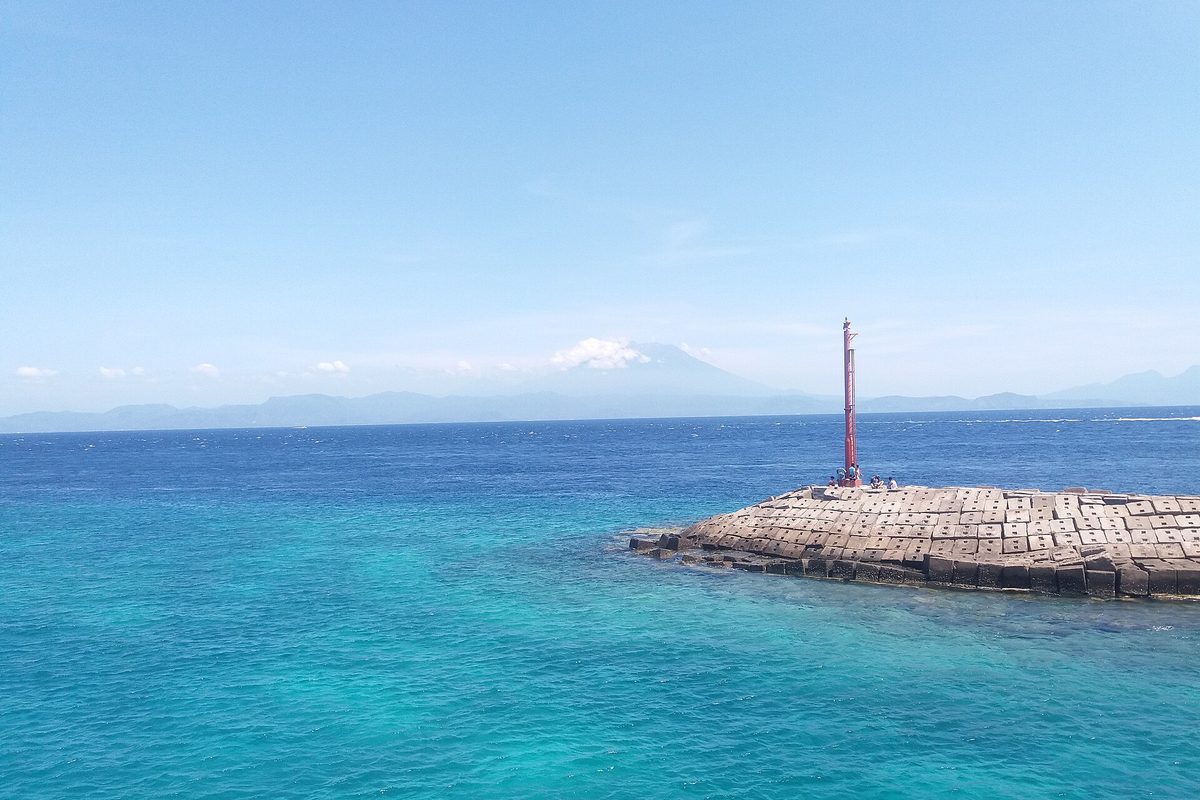
Why Nusa Penida Belongs on Your Bali Itinerary
Just a 30-minute fast boat from Sanur, Nusa Penida feels worlds apart from mainland Bali's bustling streets. This rugged island rewards travelers with towering limestone cliffs that plunge into turquoise water, secluded coves of white sand, and some of Indonesia's richest marine biodiversity. This Nusa Penida travel guide covers the island's best beaches, dramatic cliffs, top snorkeling spots, and the practical planning you need to explore them.
The island's southwest coast holds its most iconic sights: Kelingking Beach, with its T-Rex-shaped cliff, the natural infinity pool at Angel Billabong, the sea arch at Broken Beach, and the calm bay of Crystal Bay for snorkeling. Offshore, the waters around Nusa Penida host manta rays, sea turtles, and vibrant coral gardens. Nusa Penida snorkeling trips typically include visits to Manta Point and the sheltered west-coast bays, where visibility often exceeds 20 meters.
While a Nusa Penida day trip is possible, staying overnight unlocks the island's quieter corners and allows you to explore at a slower pace. Renting a scooter gives you the freedom to reach remote viewpoints and hidden coves on your own schedule. For more details on where to stay, how to get there, and how to build a Nusa Penida itinerary, this guide provides everything you need.
Planning Your Trip to Nusa Penida
Best Time to Visit and What to Pack
The best time to visit Nusa Penida is during the dry season from April to October. This period delivers consistent sunshine, calm seas, and optimal conditions for Nusa Penida snorkeling at the calm west-coast bays or swimming with manta rays at Manta Point. Crowds peak in July and August, so the shoulder months of May, June, and September offer a better balance of good weather and fewer visitors. The dry season is also the best window for a visit, as the roads are drier and hiking trails to Nusa Penida cliffs like Kelingking are safer.
The wet season (November to March) brings more rain and rougher seas, though mornings are often clear. Some Nusa Penida beaches may be less accessible, and manta ray sightings are less predictable. However, accommodation prices drop and the island is quieter, a good trade-off for budget travelers. If you visit during this period, plan for early starts and carry a rain cover for your bag. Nusa Penida weather can change quickly, so flexibility is key.
- Reef-safe sunscreen (the UV index is high year-round)
- Sturdy closed-toe shoes for hiking to Angel Billabong, Broken Beach, and other viewpoints
- Swimwear and a quick-dry towel for beach and snorkeling stops
- Enough cash, as ATMs are scarce and often out of service
- A reusable water bottle and waterproof phone case
- A light rain jacket or poncho if visiting in the wet season
Following these packing tips and choosing the right season will make your Nusa Penida trip more comfortable and enjoyable. This Nusa Penida travel guide recommends planning your trip around the dry season for the best experience, whether you come for the cliffs, snorkeling, or island hopping.
How to Get to Nusa Penida
Ferry from Bali: Schedules and Ports
Travelers reach Nusa Penida by ferry from Bali, departing from Sanur, Padang Bai, or Serangan. Sanur is the busiest port, with fast boats taking 30-45 minutes and costing Rp 150,000-300,000 ($10-20). Padang Bai offers slightly shorter crossings but fewer departures. Serangan provides an alternative route. Slow public ferries take 1.5-2 hours and cost less, but fast boats are the standard for day trips.
For a day trip, book a fast boat online through platforms like Klook or 12Go, especially during peak season. Early boats depart around 6:00 AM, allowing you to visit the famous Nusa Penida beaches and cliffs before crowds. Boats arrive at Banjar Nyuh or Toya Pakeh, both on the western coast and close to attractions like Kelingking Beach and the west-coast bays. This Nusa Penida travel guide recommends checking return schedules carefully to avoid an unplanned overnight stay.
Getting Around: Scooters, Cars, and Tours
Renting a scooter is the most popular way to explore Nusa Penida, giving you the freedom to stop at the cliffs and beaches whenever you want. Daily rental costs around 70,000 IDR and you need an international driving permit. The main downside is safety: roads are narrow, steep, and poorly maintained, with potholes and loose gravel, especially on the way to Kelingking Beach. Always wear a helmet, check the brakes and tires before setting off, and avoid riding after dark when there is no street lighting.
For groups or travelers who prefer not to drive, hiring a private driver with a car is a comfortable alternative. Prices range from 500,000 to 700,000 IDR for a full-day tour covering Nusa Penida viewpoints like Angel Billabong, Broken Beach, and the snorkeling coves. Drivers know the road conditions and can customize the Nusa Penida itinerary. Self-driving a rental car (around 350,000 IDR per day) is possible but only recommended for experienced drivers; the island's steep inclines and tight turns demand caution.
Organized day-trip packages from Bali bundle ferry transfer, guide, and lunch, making them stress-free for first-time visitors. They often include snorkeling stops at manta ray and turtle spots, fitting into a single day. Regardless of how you get around, budget extra time for travel between sites: the island's interior roads are rough, and a 20-kilometer route can take over an hour. Pack water, sunscreen, and sturdy shoes for the walks down to the beaches.
Best Beaches on Nusa Penida
Kelingking Beach: The Iconic T-Rex View
Kelingking Beach is the most photographed spot on any Nusa Penida beaches itinerary, and for good reason. The clifftop viewpoint shows a dramatic limestone headland shaped like a dinosaur crouching over turquoise water. Locals call it the T-Rex view. This is the defining image of Nusa Penida cliffs, and it draws crowds from first light until late afternoon.
Getting down to the sand requires descending a steep, narrow staircase cut into the cliff face. The walk takes 20 to 30 minutes each way and involves several exposed sections with metal handrails. Sturdy shoes are essential, and the climb back up is strenuous in the heat. Once on the beach, swimming is possible only at high tide when waves are calm. At low tide, rocks and strong currents make it dangerous. Most visitors come for the view and the photo opportunity rather than the swim.
The best photo spots are from the main clifftop platform and from a lower ledge about halfway down the stairs. Sunrise or late afternoon gives the softest light and fewer people. If you are planning a day trip, Kelingking Beach is a must-see stop, but budget at least 1.5 hours for the full hike down and back.
Crystal Bay: Snorkeling and Sunset Spot
Crystal Bay lives up to its name as one of the most accessible Nusa Penida beaches for first-time visitors. Unlike the dramatic cliffs found elsewhere on the island, this sheltered cove offers calm, clear water perfect for beginner snorkelers. A few strokes from shore reveals a vibrant underwater world: schools of angelfish, butterflyfish, and the occasional green turtle gliding past the coral bommies. For those seeking a gentle introduction to Nusa Penida snorkeling, this bay is the ideal starting point.
As late afternoon approaches, the beach transforms into a prime Nusa Penida sunset spot. Sunbathers spread out on the sand while the light shifts across the sky, casting warm tones over the palm trees. A handful of warungs line the shore, serving grilled fish and cold Bintang beer at plastic tables set right on the sand. Grab a seat at the westernmost warung for an unobstructed view of the sun dipping below the horizon.
Whether you visit for the marine life or the evening glow, this bay earns its place in any Nusa Penida day trip itinerary. It is a rare spot on the island where both the water and the welcome are calm.
Atuh Beach and Diamond Beach
Atuh Beach and Diamond Beach anchor the east coast of Nusa Penida, offering a quieter alternative to the crowded west-coast viewpoints. Diamond Beach is the dramatic south-facing cove with white sand and sea stacks rising from turquoise water, while Atuh Beach sits just north with a long stretch of pale sand and gentle waves. Both are accessed by steep concrete staircases carved into the limestone cliffs, roughly 300 to 500 steps depending on the tide. The east coast receives fewer visitors because the road from the main harbor is longer and rougher, meaning you can often have stretches of sand to yourself even at midday.
The viewpoint at Diamond Beach is the classic photo spot, but the real reward is the swim. The water here is clear and calm in the dry season (April to October), making it one of the best swimming spots on the island. However, the tide changes quickly and the beach disappears at high tide, so check the tide table before descending. Atuh Beach has a small warung serving cold drinks and simple meals, and the shaded areas under the cliff make it a good place to rest between snorkeling sessions.
A full Nusa Penida itinerary should reserve at least half a day for the east coast. Many travelers combine Atuh and Diamond with a visit to the nearby Thousand Islands viewpoint and then continue to the east-coast snorkeling spots for manta rays or turtles. If you are island hopping from Bali, the east coast is also reachable on a day trip, but renting a scooter gives you the flexibility to linger until the late afternoon crowds thin out.
Iconic Cliffs and Viewpoints
Angel Billabong and Broken Beach
Angel Billabong and Broken Beach sit within a few minutes' walk of each other on the northwest coast, making them an easy pair to visit in one afternoon. Angel Billabong is a natural tidal pool carved into the limestone, where clear water pools against the rock. The view is stunning, but safety warnings are serious: during high tide or rough surf, the pool fills with powerful waves that can sweep people off the edge. Always check the tide before entering and never turn your back on the ocean.
A short path leads to Broken Beach, a dramatic archway where the sea has eroded a hole through the cliff, creating a window over the churning water below. The vantage point offers excellent photo opportunities, especially in the late afternoon when the light hits the arch. Because the sites are so close, you can cover both in under an hour, leaving time for other Nusa Penida viewpoints and beaches further east.
Tembeling Forest and Natural Pools
Tucked away from the main tourist trail, Tembeling Forest and Natural Pools offer a quieter alternative to the island's more famous viewpoints. This spot combines a short hike through lush forest with cliff overlooks and freshwater pools. The trail begins near the southern coast and descends through dense vegetation, rewarding hikers with views of the rugged Nusa Penida cliffs. The path is manageable for most fitness levels, but sturdy footwear is recommended. The terrain can be slippery after rain.
The natural pools are carved into the rock and fed by a freshwater spring, creating a swimming spot that is far less crowded than Kelingking Beach or the busier snorkeling bays. Many visitors combine a morning hike here with a midday swim, making it a good addition to any Nusa Penida travel guide itinerary. The surrounding forest provides shade, and the sound of waves crashing against the cliffs below adds to the peaceful atmosphere. Bring your snorkeling gear if you want to explore the marine life near the pools' outlet. For those seeking Nusa Penida viewpoints that offer both scenic beauty and a chance to cool off, Tembeling Forest is a worthwhile stop on your route.
Snorkeling and Diving in Nusa Penida
Manta Point: Swimming with Manta Rays
Manta Point is the best snorkeling and diving spot on Nusa Penida for seeing manta rays, and it draws visitors from all over Bali. It sits on the southwestern coast near the island's cliffs. This cleaning station gets manta rays year-round because strong currents bring in plankton-rich water. The mantas here are often oceanic manta rays (Mobula birostris), the largest species, with wingspans up to 7 meters. On a typical Nusa Penida snorkeling trip, you float over a shallow rocky plateau while the mantas glide past, sometimes just a meter below the surface.
The best time to visit Manta Point is early morning, between 7 a.m. and 9 a.m., when the water is calmest and visibility is highest. The peak season for Nusa Penida manta rays is the dry season from May to October, when water clarity can exceed 20 meters. During the wet season (November to April), rougher seas and lower visibility make sightings less reliable, but manta rays are still present. Many tour operators leave from Sanur or the Nusa Penida harbor at 6 a.m. to reach the site before the trade winds pick up.
Responsible snorkeling practices are essential at Manta Point. Mantas are sensitive to disturbance, so keep a distance of at least 3 meters and never touch or chase them. Avoid wearing sunscreen, or use reef-safe sunscreen, because chemicals can damage the manta's mucus layer. Do not block the manta's path or swim directly above them, as this can disrupt their cleaning behavior. Guides should brief you on these rules before entering the water. Following these practices ensures that Nusa Penida manta rays remain a highlight for future visitors.
Crystal Bay and Gamat Bay: Turtle Encounters
Crystal Bay is the most accessible snorkeling and diving hub on the island, with calm, clear waters that make it a favorite for beginners and families. This sheltered bay on the west coast offers easy entry and healthy coral gardens just a short swim from shore. For anyone following a Nusa Penida travel guide, this bay is a must visit. It's also a common stop on a day-trip itinerary. Snorkelers often spot reef fish, occasional turtles, and the vibrant coral that defines Nusa Penida snorkeling.
Just a short boat ride away, Gamat Bay offers a different experience. Its deeper reef drops off more steeply, attracting larger marine life. This is one of the best places in the area for Nusa Penida turtle encounters. The water can be more challenging here, with stronger currents, making it better suited to intermediate or advanced snorkelers and divers. For experienced divers, Nusa Penida diving at Gamat Bay reveals coral walls, schooling fish, and the chance to see sea turtles gliding through the deeper blue.
Other Snorkeling Spots and Tour Options
Most visitors book a combo tour that covers Manta Point, Crystal Bay, and Gamat Bay in a single morning. These tours typically depart from Sanur or directly from Nusa Penida, include snorkeling gear, a guide, and a simple lunch. Manta Point is a cleaning station where manta rays glide past snorkelers year-round; Crystal Bay has a sandy bottom and shallow reef ideal for beginners; Gamat Bay offers deeper coral walls with vibrant fish. The total cost for a group tour ranges from 150,000 to 250,000 IDR per person, making it one of the most affordable Nusa Penida snorkeling experiences. Most operators allow online booking a day in advance.
For those hoping to swim with turtles, Turtle Bay near the east coast is a reliable spot, though turtles also appear at both bays. The best months for turtle sightings are April through October when the waters are calmest. Many tours include a stop at a turtle sanctuary or simply drift over seagrass beds where turtles feed. Including this in a Nusa Penida day trip adds a memorable wildlife encounter.
Travelers can choose between group and private tours. Group tours are budget-friendly and social, with up to 12 people per boat. Private tours cost 500,000 to 800,000 IDR per person but offer flexibility in timing and stops, plus more attention from the guide. For a personalized Nusa Penida tour, private is the better option. Those following a Nusa Penida travel guide will find that booking with a reputable operator ensures safety and better equipment.
Sample Itineraries for Nusa Penida
Nusa Penida Day Trip from Bali
Most travelers tackle Nusa Penida as a day trip from Bali, and it works if you start early. Catch the 6:30 AM fast boat from Sanur; the crossing takes 30 to 45 minutes. Once on the island, head straight for the west coast highlights. Kelingking Beach offers the iconic T-Rex cliff viewpoint, though the hike down requires 30 minutes each way. Continue north to Angel Billabong, a natural infinity pool, and Broken Beach, a collapsed sea arch. After a quick lunch at a cliffside warung, drive to the west-coast bay for afternoon snorkeling with turtles and colorful fish. Aim to return to the harbor by 4:00 PM for the last boat back to Bali.
A day trip covers the essentials but leaves little time for swimming or relaxing. For a more immersive experience, consider a Nusa Penida itinerary with an overnight stay. That extra day lets you explore the east coast, spot manta rays at Manta Point, and visit the secluded temples without rushing.
Two-Day and Three-Day Itineraries
Spending at least one night on the island opens up the east coast and inland areas that are impossible to cover on a rushed day trip. The extra time lets you explore the rugged eastern coastline, hike to hidden waterfalls, and visit temples like Goa Giri Putri without feeling pressed. Many travelers base themselves near Sampalan or along the east coast, where Nusa Penida accommodation ranges from simple guesthouses to cliffside bungalows.
A well-planned Nusa Penida 2-day itinerary starts with Day 1 on the west coast. Begin early at Kelingking Beach to photograph the iconic T-Rex cliff viewpoint before the crowds arrive, then stop at Angel Billabong and Broken Beach. The afternoon winds down at the sheltered west-coast bay, a calm spot for swimming and sunset.
Day 2 shifts to the east coast and inland. Visit Diamond Beach and Atuh Beach for their turquoise waters and dramatic rock formations, then head to Pura Paluang, a temple perched on a cliff. The highlight of the afternoon is snorkeling: Manta Point offers reliable encounters with manta rays, while Gamat Bay is known for turtles. This Nusa Penida 2-day itinerary covers the island's best Nusa Penida beaches, cliffs, and snorkeling sites. For a Nusa Penida 3-day trip, add a day to hike the inland trails to Peguyangan Waterfall or take a boat to the remote island of Nusa Lembongan.
Bottom Line on Nusa Penida
From the dramatic limestone cliffs at Kelingking Beach to the clear water of the west-coast snorkeling bays where manta rays glide past snorkelers, Nusa Penida delivers an unforgettable blend of raw nature and adventure. This Nusa Penida travel guide has covered the island's best beaches, cliffside viewpoints, snorkeling spots, and practical logistics so you can experience it all without the guesswork.
The island rewards those who plan ahead. Ferry schedules, scooter hire, and accommodation in the right location make the difference between a rushed day trip and a relaxed escape. Whether you have a single day for a Nusa Penida day trip or a long weekend to explore remote beaches like Atuh and Diamond Beach, the key is matching your itinerary to your pace. A well-organized Nusa Penida itinerary lets you hit the sunrise at Kelingking, explore Angel Billabong and Broken Beach before the crowds, and finish with afternoon snorkeling among turtles on the west coast.
Now it is time to turn that research into action. Check the latest ferry schedules, book your accommodation, and pack your swimsuit and hiking shoes. Nusa Penida's rugged beauty is waiting. Start planning your trip today.
Official sources
Details worth verifying before you go — checked against:

Travel Writer & Editor
Emily Johnson writes and edits Do Travel Blog. Every guide on the site starts the same way: with a question she actually had while planning — when to book, which pass to buy, how to get from A to B without overpaying. Where a number matters, she cites the source: park tickets link to the park's own fee page, visa rules to the official consulate, ferry times to the operator. Prices get re-checked against those pages before each update, and a guide is re-dated when its numbers move. Nothing here is sponsored — she doesn't accept payment for coverage. Spotted something stale or wrong? Email hello@dotravel.blog and she'll fix it.