Ultimate 2-Week Bali Itinerary: South, North & Nusa Penida
Plan the ultimate 2-week Bali itinerary covering south, north, and Nusa Penida. Day-by-day guide with transportation tips, top attractions, and side trips for an unforgettable Bali vacation.
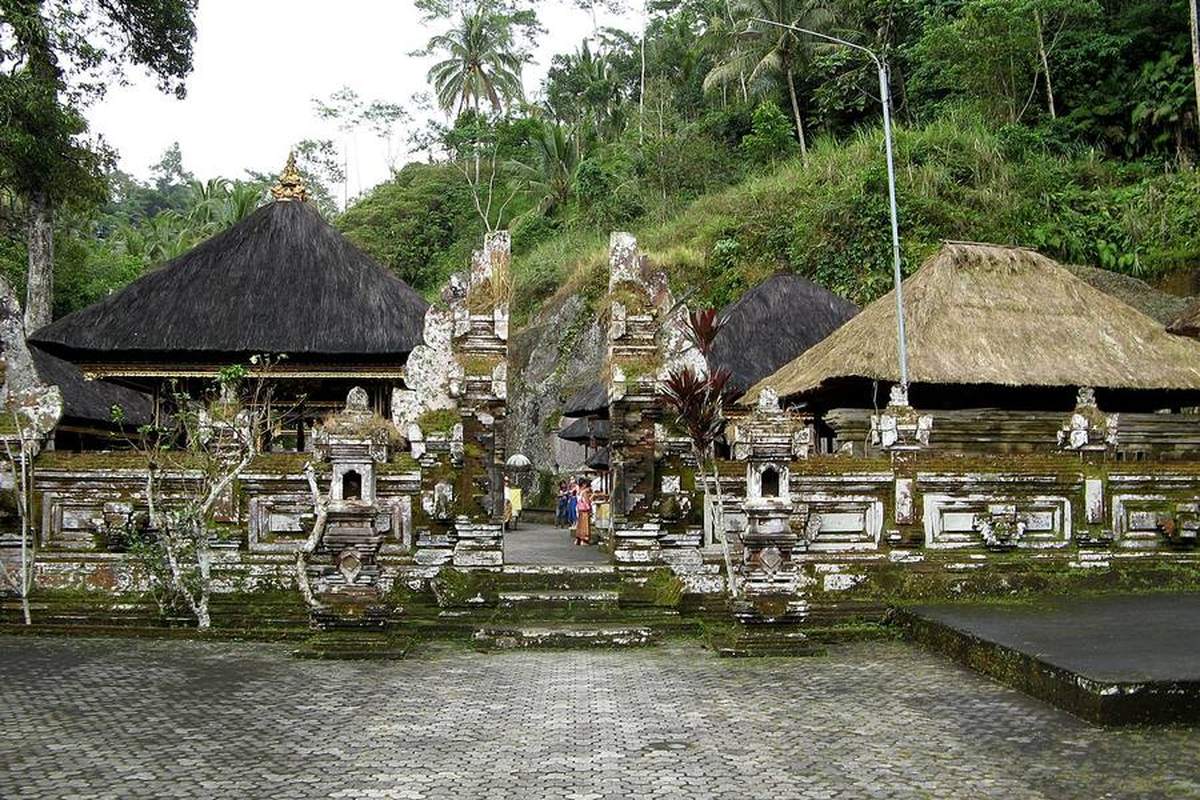
Why This 2-Week Bali Itinerary Covers South, North, and Nusa Penida
Bali is a land of striking contrasts: the surf breaks of Uluwatu, the volcanic slopes of Mount Batur, and the coral gardens of Nusa Penida all lie within a few hours of each other. This 2-week Bali itinerary is designed to capture that diversity, offering a day-by-day plan that moves from the bustling south coast to the serene northern highlands and the remote island of Nusa Penida. It balances beach time, cultural immersion, adventure activities, and quiet relaxation, so you experience the island's full character without feeling rushed.
Every day includes practical tips on transportation, accommodation, and budgeting to make your Bali travel itinerary south north Nusa Penida seamless. Whether you are renting a scooter, hiring a private driver, or using ride-hailing apps, the route is optimized for minimal backtracking. Accommodation suggestions range from surf hostels in Canggu to eco-lodges in Munduk, with price brackets for each budget. Use this Bali trip planner 2 weeks as your foundation, and you will spend less time planning and more time exploring.
South Bali - Beaches, Temples, and Surf (Days 1-3)
Day 1: Arrival in Ngurah Rai and Sunset at Uluwatu
Your 2 week Bali itinerary begins at Ngurah Rai International Airport, where you clear customs and meet your pre-booked driver for the transfer to South Bali. Most travelers stay in the Uluwatu or Jimbaran area for the first two nights, a 30-45 minute drive depending on traffic. This is the moment your Bali vacation itinerary truly starts, setting the pace for a trip that will take you from the southern coast to the northern highlands and across to Nusa Penida. A recommended Bali trip planner 2 weeks would allocate the first three days to South Bali's beaches and temples, easing into the island's rhythm without rushing.
After settling in, head to Uluwatu Temple, one of the most revered Bali temples perched on a cliff edge 70 meters above the Indian Ocean. Arrive by 4 p.m. to explore the temple grounds and watch for the resident monkeys before finding a seat for the Kecak fire dance. The performance begins at sunset, with the sky turning orange behind the temple silhouette as a chorus of chanting men enact the Ramayana epic. This is a highlight of any Bali 14 days itinerary, combining cultural heritage with dramatic coastal scenery. The temple is a must-see in any Bali travel itinerary south north Nusa Penida, offering a first taste of the island's spiritual character.
End the evening at Jimbaran Bay, where dozens of seafood stalls line the sand. Pick a spot like Menega Cafe or Lia Cafe, order grilled fish, prawns, and squid, and eat with your feet in the warm sand. The beachfront dining here is a classic introduction to Bali beaches, with lantern-lit tables and the sound of waves. Fresh seafood, a cold Bintang beer, and the night breeze make this a relaxed finish to your first day.
Day 2: Beaches and Surf in Canggu and Seminyak
Start your second day with a surf lesson at Batu Bolong or Berawa Beach, both with gentle waves that work well for beginners. Local surf schools run two-hour sessions for around $20, including board rental and instruction. It's a classic Bali surfing experience that fits into any 2 week Bali itinerary.
After working up an appetite, head to a Canggu cafe like Crate Cafe or Shady Shack for a hearty brunch. Then explore Seminyak's boutiques and beach clubs, where you'll find everything from local artisan crafts to high-end fashion. This area's lively energy is a highlight of a Bali travel itinerary south north Nusa Penida.
Spend the afternoon relaxing at Double Six Beach, known for its soft sand and lively atmosphere, or book a traditional Balinese massage at a nearby spa. As evening arrives, head to Potato Head Beach Club for sunset drinks. This iconic venue offers stunning ocean views and a sophisticated setting, a solid way to cap off a day exploring Bali beaches and the island's surf culture.
Day 3: Uluwatu Peninsula and Padang Padang Beach
Day three starts with a relaxed morning on the Bukit Peninsula. Begin at Padang Padang Beach, a small cove reached by a steep staircase cut into the cliff. The soft white sand and gentle waves make it good for swimming and sunbathing. Arrive before 9am to claim a spot before the crowds show up. A 10-minute walk south brings you to Thomas Beach, a quieter stretch with fewer visitors and a more local feel. Both are among the best Bali beaches for a calm morning swim.
For lunch, head to the Bingin area, where cliffside warungs serve fresh Indonesian food. Try a local place like Warung Babi Guling Ibu Oka (though the original is in Ubud, the Bingin versions are solid) or just pick a spot with ocean views. A plate of nasi campur or grilled fish with sambal costs around 50,000-70,000 IDR ($3-$5).
The afternoon offers two strong options. Revisit the Uluwatu Temple for a less crowded experience. The cliffside pathways and temple architecture feel different in the midday light. Alternatively, book a Bali snorkeling trip at Blue Point, where the reef drops off close to shore and you can spot sea turtles and colorful fish. Snorkeling gear rental runs about 100,000 IDR ($7) per hour.
By late afternoon, gather your bags and transfer to Sanur, about a 45-minute drive north. Sanur's calm, protected coastline is the main departure point for ferries to Nusa Penida. Check into a beachfront hotel or guesthouse near the harbor so you can catch an early morning boat the next day. This transfer sets up a smooth transition to the next leg of your Bali 14-day itinerary.
Nusa Penida - Rugged Island Adventures (Days 4-6)
Day 4: Ferry to Nusa Penida and West Coast Highlights
Day 4 shifts from Bali's mainland to the rugged island of Nusa Penida. The morning starts with a fast boat from Sanur's harbor, a 30- to 45-minute crossing across the Badung Strait. Multiple operators run departures from 7:00 AM onward; tickets typically cost 150,000 to 250,000 IDR per person one-way. Book the earliest departure to maximize daylight on the island.
Upon arrival at Banjar Nyuh harbor, you have two options for getting around: rent a scooter (about 70,000 IDR per day) or hire a private driver (around 500,000 IDR for a full day). Scooters offer flexibility but require confidence on steep, potholed roads. Drivers handle navigation and let you focus on the scenery.
The west coast delivers Nusa Penida's most iconic sights. Kelingking Beach, with its T-Rex-shaped cliff, is the first stop. The viewpoint is a short walk from the parking area; the descent to the beach itself is a strenuous 45-minute hike. Afterward, head to Crystal Bay for calm snorkeling waters with coral gardens and parrotfish, or join a Manta Point tour to swim alongside manta rays. Both are classic inclusions in any Bali itinerary 2 weeks south north route.
As evening settles, check into a cliffside accommodation in West Penida, such as a bungalow at Semabu Hills or the panoramic cottages at La Roja Bungalows. These spots offer sweeping views over the ocean and a quiet retreat after a day of adventure. A sunset at the infinity pool or a dinner at the on-site warung rounds out the first day on the island.
For the best Bali snorkeling experience, book a morning departure for Manta Point, when conditions are calmest. Crystal Bay works well for afternoon stops.
Day 5: East Nusa Penida - Broken Beach and Angel's Billabong
The morning drive to East Nusa Penida's rugged coastline brings you to two iconic Bali sightseeing spots: Broken Beach (Pasih Uug) and Angel's Billabong. Both are best visited at low tide, when the water in the natural rock pool of Angel's Billabong is crystal clear and safe for wading. Broken Beach's dramatic rock arch frames the crashing waves below, making it a must-see on your Bali trip planner.
From there, head to Atuh Beach, a stunning stretch of white sand flanked by dramatic cliffs. This is one of the most beautiful Bali beaches for a midday swim and a fresh seafood lunch at a local warung. The calm waters here are perfect for cooling off after the morning's sightseeing.
In the afternoon, make your way to the east coast's famous treehouse viewpoint. The short climb rewards you with panoramic views of the turquoise shoreline and the iconic Rumah Pohon treehouse structure. This spot is a highlight for photographers and anyone seeking a quiet moment above the coast.
As the day winds down, drive back to West Penida in time to catch the sunset from the high cliffs of the western coast. The return drive takes about an hour, so plan to leave the east coast by 4 PM to enjoy the sunset views without rushing. This balanced day combines the best of Nusa Penida's east and west within this 2 week Bali itinerary.
Day 6: Snorkeling with Manta Rays and Return to Bali Mainland
The final day on Nusa Penida starts early with a boat trip to Manta Point, one of the best spots in Indonesia for snorkeling alongside manta rays. These gentle giants, with wingspans reaching up to five meters, glide through the plankton-rich waters year-round, though visibility peaks between April and October. The boat departs around 7:00 AM to avoid crowds and catch the calmest conditions. After 30 minutes of swimming with the mantas, the group typically heads to Gamat Bay or Wall Point, where vibrant coral gardens and schools of reef fish create a totally different underwater experience. For those seeking deeper immersion, Bali scuba diving operators offer guided dives at these same sites, with max depths around 18 meters suitable for certified divers.
By midday, you return to the harbor in Nusa Penida, grab a quick lunch, and board the 45-minute ferry back to Sanur on Bali's mainland. From Sanur, a private driver or shared shuttle takes you north to Ubud, a journey of about 90 minutes depending on traffic. The route passes through the lush interior, offering glimpses of terraced rice fields and village life.
Evening arrival in Ubud means settling into your accommodation, whether it's a rice-field bungalow, a wellness retreat, or a budget guesthouse near the town center. The transition from the rugged coast to the cultural heart of Bali marks the shift from adventure to immersion. This first night in Ubud is best kept low-key: a quiet dinner at a local warung and an early night to prepare for the next day's temple and rice terrace explorations.
Central Bali - Ubud's Rice Terraces and Culture (Days 7-9)
Day 7: Ubud Town and Sacred Monkey Forest
Day 7 of your 2 week Bali itinerary starts in the heart of Ubud with a visit to the Sacred Monkey Forest Sanctuary. This lush forest is home to over 700 long-tailed macaques and several ancient Hindu temples, offering a direct encounter with Bali's spiritual and natural heritage. After the monkeys, walk a few minutes to Ubud Palace, a 19th-century royal compound where you can admire traditional Balinese architecture and intricate stone carvings.
For lunch, step into a traditional warung. Try the local favorite nasi campur (mixed rice with vegetables, meat, and sambal) at Warung Makan Ibu Oka, famous for its suckling pig. Afterward, browse the Ubud Art Market, where vendors sell handwoven textiles, wooden masks, and silver jewelry. Bargaining is expected, and prices are often a fraction of what you'd pay in tourist shops.
In the afternoon, escape the crowd with a short walk along the Campuhan Ridge Walk, a grassy path overlooking lush valleys. As evening falls, return to Ubud Palace for a traditional Legong dance performance. The intricate movements and gamelan music are a beautiful introduction to Bali culture, and the palace courtyard provides an atmospheric setting. This day blends wildlife, temples, and performing arts, showing why Ubud is the cultural heart of any Bali travel itinerary.
Day 8: Tegallalang Rice Terraces and Tirta Empul Temple
Start Day 8 early to experience the Tegallalang Rice Terraces before the crowds arrive. By 8:00 AM, the morning light paints the iconic green steps in gold, and the pathways are still quiet. These terraces, part of the Subak irrigation system recognized by UNESCO, offer some of the most photographed landscapes in Bali. Take your time walking the main trail; the entrance fee is 50,000 IDR (about $3.50).
From Tegallalang, drive 15 minutes north to Tirta Empul, one of Bali's most important water temples. The temple is famous for its purification ritual, where locals and visitors alike walk through a series of spring-fed pools. Participate respectfully: you will need to wear a sarong (available for rent at the entrance) and follow the designated sequence. The experience is a powerful introduction to Balinese Hindu culture. Allow about one hour for the ritual and temple exploration.
For lunch, head back toward the terraces and choose a cafe with a view. Teras Padi Cafe, for example, offers a platform overlooking the rice paddies where you can enjoy nasi campur or a fresh coconut while watching farmers work the fields. This is a perfect moment to slow down and absorb the scenery.
In the afternoon, consider a side trip to the Kintamani volcano viewpoint for panoramic views of Mount Batur and Lake Batur, or visit a local coffee plantation to sample Luwak coffee and learn about the production process. Both options are within 30 minutes from Tegallalang. Return to Ubud for a relaxed evening.
Day 9: Ubud Waterfalls and Yoga
Start your morning with a swim at one of Bali's waterfalls. While Tegenungan draws crowds and Kanto Lampo offers a unique rock-slide cascade, Tibumana Waterfall is your best bet for a peaceful morning dip. Tucked away in a lush valley 30 minutes from central Ubud, its 20-meter curtain of water drops into a deep, swimmable pool. Arrive before 9 a.m. to claim the place almost to yourself. A short walk down stone steps ends at the cool, clear water, perfect for a refreshing start to the day.
After drying off, head into Ubud for lunch at a health-conscious cafe. Alchemy on Penestanan Road serves a raw-vegan menu with a daily-changing bowl and cold-pressed juices. Their turmeric latte and dragon fruit bowl are local favorites. If you prefer something more substantial, the nasi campur at Clear Cafe on Jalan Hanoman uses organic produce from nearby farms.
Spend your afternoon deepening your Bali yoga practice. The Yoga Barn on Jalan Raya Pengosekan offers drop-in classes ranging from gentle Hatha to dynamic Vinyasa, all set in an open-air shala overlooking the jungle. Schedule a 2:00 p.m. class to avoid the midday heat. Radiantly Alive on Jalan Sri Wedari is another excellent option, known for its alignment-focused sessions and smaller class sizes.
As evening falls, choose between two classic Ubud experiences. Several local kitchens offer two-hour Balinese cooking classes where you learn to make sambal, lawar, and satay from scratch. Alternatively, book a traditional massage at a spa near the Monkey Forest. A 60-minute Balinese massage with ginger tea costs around IDR 150,000. Either way, day 9 balances adventure with restorative calm, giving you a true taste of Ubud's wellness culture.
North Bali - Dolphin Watching and Waterfalls (Days 10-12)
Day 10: Transfer to Lovina and Dolphin Watching
Start day 10 of your 2 week Bali itinerary with a scenic drive from Ubud to Lovina. The route winds through the mountains of Bedugul, where you should stop at Ulun Danu Beratan Temple. This iconic Bali temple sits on the edge of Lake Beratan and offers some of the most photographed views on the island. The drive takes about 2.5 hours, so aim to leave Ubud by 8 AM to allow time for the stop and a relaxed arrival.
By early afternoon, check into your beachfront accommodation in Lovina. Unlike the busy south coast, Lovina's black sand beaches and calm waters offer a quieter pace. Many guesthouses and hotels sit right along the shore, making it easy to step out for an evening stroll.
In the evening, take a few minutes to arrange a Bali dolphin watching tour for the following morning. Local operators cluster along the main road and offer standard 2-hour sunrise trips departing around 6 AM. Prices typically run 100,000 - 150,000 IDR per person. Booking the night before ensures you secure a spot on a traditional outrigger boat, and the early wake-up is well worth it when you see pods of spinner dolphins in the wild.
Day 11: Dolphin Watching and North Bali Waterfalls
Day 11 starts with a 6:00 AM departure from Lovina for a sunrise dolphin-watching tour. Local boatmen guide traditional outrigger jukung across the calm sea as the sky turns orange. Pods of wild spinner dolphins often surface near the beams, swimming alongside the boat for several minutes before diving back into the deep blue. The tour typically wraps up by 8:00 AM, leaving time for a leisurely breakfast at a beachfront cafe in Lovina, where you can watch the morning activity along the black sand shore.
After breakfast, choose between two of Bali's most impressive waterfalls. Gitgit Waterfall, a 35-meter cascade surrounded by tropical forest, is a short walk from the parking area and suits travelers short on time. Sekumpul Waterfall, about 15 kilometers inland, requires a proper jungle hike with a guide but rewards you with multiple tiers of water plunging into a cool pool. Either option offers a refreshing swim after the humid trek. Lunch at a local warung near the falls, where you can order nasi campur or mie goreng for around IDR 30,000-40,000.
The afternoon offers two distinct choices. You can return to Lovina Beach to relax on the dark sand and watch the fishing boats come in, or drive about one hour west to Menjangan Island for snorkeling among vibrant coral reefs. Menjangan Island, part of Bali Barat National Park, is a protected marine reserve with excellent visibility and healthy sea life. Either way, you have experienced two of the best Bali dolphin watching and Bali waterfalls experiences in a single day.
Day 12: Menjangan Island Snorkeling and Hot Springs
Day 12 starts with an early morning trip to Menjangan Island, part of the West Bali National Park. The island is known for its pristine coral reefs and excellent visibility, making it a top spot for Bali snorkeling and Bali scuba diving. Many tour operators from Lovina offer day trips that include round-trip transport, gear, and a guide. The underwater world here is full of colorful fish, sea turtles, and dramatic drop-offs, giving a memorable experience for both beginners and experienced divers.
Lunch is usually served on the island itself, often a simple but fresh nasi campur or grilled fish at a local warung. After refueling, you have time for a second snorkel session or just relaxing on the beach before heading back to the mainland.
In the afternoon, the itinerary shifts to Banjar Hot Springs, a complex of three stone pools fed by natural thermal water. The sulfuric-rich water is believed to have therapeutic properties, making it a good way to soothe muscles after a morning of swimming. The springs are set in a lush tropical garden, with a small entrance fee and changing rooms available.
By late afternoon, you return to Lovina for the evening. The drive back is short, and you can spend the night exploring the local night market or enjoying a quiet dinner at a beachfront restaurant. This day balances active adventure with relaxation, showcasing two of Bali's best natural attractions.
East Bali and Side Trips - Final Days (Days 13-14)
Day 13: Sidemen Valley and Tirta Gangga
From Lovina, the drive east to Sidemen Valley takes roughly two hours, winding through coastal roads and inland villages. The Sidemen region has some of the most serene Bali rice terraces, with stepped green fields cascading down the slopes of Mount Agung. Instead of the crowded tourist hubs like Ubud's Tegallalang, Sidemen's terraces remain largely undisturbed, allowing for quiet walks through the paddies. Traditional villages dot the valley, where locals weave textiles and offer a glimpse into daily Balinese life.
A midday stop at a local homestay provides a simple yet memorable lunch, with dishes like nasi campur enjoyed on a terrace facing Mount Agung. The volcano's peak often emerges from the clouds, adding a dramatic backdrop. In the afternoon, head to Tirta Gangga Water Palace, a former royal bathing pool built in 1948. Its stepped fountains, koi ponds, and stone carvings make it one of the most photogenic Bali temples. A short drive further brings you to Taman Ujung Palace, a 20th-century water palace overlooking the sea, with manicured gardens and lotus ponds.
For the evening, choose between staying in a Sidemen homestay surrounded by rice terraces or along the coast in Candidasa, where guesthouses offer sea views and a relaxed beachfront atmosphere. Either option positions you well for the final day's exploration of the east coast.
Day 14: Last Morning and Departure
Your final morning in Bali calls for one last slow moment. Head to the hotel restaurant for a breakfast overlooking the rice terraces or the ocean, or take a quick dip in the pool before the chaos of travel begins. Even a 15-minute swim can set a calm tone for the day ahead.
If your flight does not depart until the afternoon, use the extra hours for a short outing. White Sand Beach (Pasir Putih) near Padangbai is a 20-minute drive from Sidemen and offers calm turquoise water without the crowds of southern beaches. Alternatively, the Klungkung Market or a final walk through the rice fields of Sidemen makes for a peaceful last memory. Just keep an eye on the clock.
The drive from east Bali to Ngurah Rai Airport takes 2 to 3 hours depending on traffic, especially through the winding roads of Gianyar and the congestion around Sanur and Kuta. Pre-book a driver the night before and aim to arrive at the airport 2 hours before your domestic flight or 3 hours for international. Late-morning departures are ideal because the worst traffic builds after 3 PM.
If your flight leaves late in the evening, consider extending your last day in Sanur or Seminyak rather than spending hours waiting at the airport. Sanur offers a relaxed beachfront with cafes and a boardwalk, while Seminyak has boutique shops and a wider dining scene. Many hotels in these areas offer day-use rooms for a fraction of the nightly rate, giving you a private space to shower and rest before your transfer. This practical tweak can improve your final hours from a rushed airport wait into a gentle fade-out, leaving you with a better memory of your Bali vacation itinerary.
Transportation and Practical Tips for Your Bali 14-Day Itinerary
Getting Around: Scooter, Driver, and Ferry Options
For navigating Bali's diverse terrain, your choice of transportation directly shapes your daily rhythm. A scooter rental is the most agile option for confident riders, costing roughly $5-7 per day and ideal for weaving through local traffic to reach beaches and rice terraces on your own schedule. However, it is not recommended for long distances between south, north, and Nusa Penida due to road conditions and fatigue.
A private driver offers a far more comfortable and practical choice for day trips, especially for couples or small groups. Rates typically run $40-50 per day, including fuel, and drivers double as informal guides who know the best photo stops and local warungs. For island hopping, boat transfers from Sanur to Nusa Penida take about 30-45 minutes, while departures from Padang Bai serve Lombok and the Gili Islands. Within southern and central Bali, ride-hailing apps Grab and Gojek are widely available for short hops, though they are less reliable in the north. Understanding these Bali transportation options ensures your 2-week Bali itinerary flows smoothly from one region to the next.
Best Time to Visit, Packing, and Budget Tips
The best time to visit Bali is during the dry season from April to October, when sunny days and minimal rainfall are the norm across the south, north, and Nusa Penida. This window works well for the 2-week Bali itinerary outlined here, because ferry crossings to Nusa Penida are reliable and conditions for dolphin watching in Lovina are clear. July and August draw the biggest crowds, so May or September offer a quieter experience.
Your Bali packing list should focus on light, breathable clothing for the humid tropical weather. A sarong is essential for temple visits, since many require covered shoulders and legs. Reef-safe sunscreen is a must for snorkeling around Nusa Penida and the Gilis, and insect repellent will keep mosquitoes at bay, especially in the northern rice terraces. A light rain jacket can come in handy even in the dry season.
A realistic Bali budget for a mid-range traveler on this 14-day itinerary runs roughly $50-80 per day, covering private accommodation, local warung meals, scooter rental, and entry fees. Accommodation typically costs $20-40, food $10-15, and transport $10-20. Budget extra for ferry tickets to Nusa Penida and the occasional guided tour. Cash is still king in smaller towns, so carry enough Indonesian rupiah.
Culturally, dress modestly when entering temples even if you are not actively worshipping; a sarong and sash are often provided at the entrance but having your own is convenient. Bargaining is expected at markets and with street vendors, but do so respectfully. A smile and polite negotiation go a long way. Tipping is not mandatory but appreciated for good service, especially for drivers and guides.
Final Thoughts on Your 2-Week Bali Journey
From the dramatic cliffs of Uluwatu at sunset to the rugged coastline of Nusa Penida, the emerald rice terraces of Ubud, and the early morning dolphin encounters off Lovina, your two-week journey through Bali touches every corner of the island's diverse landscape. This 2 week Bali itinerary is designed to show you the best of the south, north, and central regions without feeling rushed.
The itinerary balances adventure (hiking down to hidden waterfalls, snorkeling with manta rays) with moments of genuine relaxation: a beachside massage in Seminyak, a quiet afternoon in a Ubud cafe overlooking the jungle. This mix is what makes the Bali vacation itinerary work for travelers who want both energy and downtime. Whether you're navigating the winding roads of the Bukit Peninsula or drifting through the still waters of Lovina, every day offers a new perspective on the island's beauty.
To make the most of this Bali trip planner 2 weeks, book your flights and accommodations as early as possible, especially during peak season. But equally important: stay flexible. Weather, crowds, and spontaneous discoveries will shift your plans. The best Bali experiences often come from unexpected detours, like a local warung recommendation or a temple ceremony you stumble upon. Keep a loose itinerary and a willingness to adapt.
Start planning your Bali trip now. Use this 2 week Bali itinerary as your guide, but allow room for your own discoveries. The island rewards those who arrive prepared but stay open to the moment. Begin your journey today.
Official sources
Details worth verifying before you go — checked against:

Travel Writer & Editor
Emily Johnson writes and edits Do Travel Blog. Every guide on the site starts the same way: with a question she actually had while planning — when to book, which pass to buy, how to get from A to B without overpaying. Where a number matters, she cites the source: park tickets link to the park's own fee page, visa rules to the official consulate, ferry times to the operator. Prices get re-checked against those pages before each update, and a guide is re-dated when its numbers move. Nothing here is sponsored — she doesn't accept payment for coverage. Spotted something stale or wrong? Email hello@dotravel.blog and she'll fix it.