North Bali Guide: Waterfalls, Rice Terraces, Dolphins
Discover North Bali's best waterfalls, rice terraces, and dolphin watching in Lovina. This comprehensive travel guide covers everything you need for an unforgettable trip.
Why North Bali Should Be on Your Itinerary
North Bali: A Quieter, More Authentic Escape
While South Bali buzzes with beach clubs and traffic jams, North Bali offers a completely different pace. The volcanic highlands around Munduk, the black sand beaches of Lovina, and the quiet village lanes of Mayong feel like a different island altogether. This North Bali travel guide covers the region's best waterfalls, rice terraces, and dolphin watching experiences, along with village stays and practical tips for getting around.
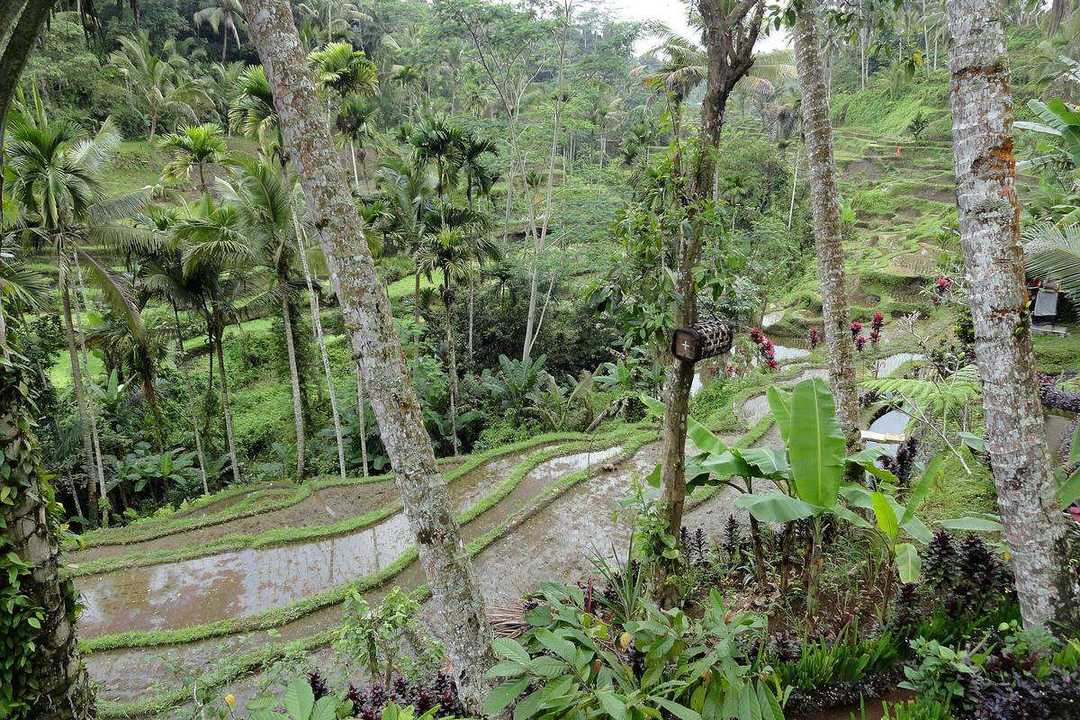
North Bali waterfalls like Sekumpul, a 50-meter cascade hidden in a steep valley, and Gitgit, the tallest waterfall in the region at 35 meters, offer refreshing swims after a short hike. The terraced hillsides of Banjar and Pupuan rival Ubud's famous rice fields without the crowds, and the lush green patchwork stretches all the way to the coast. Lovina's early morning dolphin watching tours depart from the black sand beach, with spinner dolphins surfacing just offshore. The region's villages, from Munduk's coffee plantations to the traditional market at Singaraja, provide a window into daily Balinese life away from tourist hotspots.
This guide also includes practical advice on transportation, accommodation, and the best time to visit, so you can plan a smooth North Bali itinerary. The dry season from April to October offers the clearest skies for waterfall hikes and dolphin watching. Most travelers base themselves in Lovina or Munduk, with homestays and villas ranging from budget to mid-range. Getting around North Bali is easiest by scooter or private driver. Whether you're trekking through rice terraces, visiting ancient temples, or sipping coffee on a plantation, North Bali rewards those who take the time to explore.
North Bali Waterfalls You Can't Miss
Gitgit Waterfall: The Most Accessible
Gitgit Waterfall is the most accessible cascade in the region and a must-see on any North Bali travel guide. Located just a 20-minute drive south of Singaraja, it sits beside the main road connecting the city to the central highlands, making it an easy stop for anyone exploring North Bali waterfalls. The official entrance fee is 20,000 IDR per person, and the site is well-equipped with a large parking area, restrooms, and several small warungs selling snacks and drinks.
From the ticket booth, a paved path leads you down a short stairway with about 500 steps, winding through a lush tropical ravine. The descent takes only 10-15 minutes, and the trail is shaded by towering trees and overgrown ferns. At the base, you are greeted by a 40-meter drop plunging into a deep, cool pool. Swimming is permitted and the water is refreshing, especially in the mid-afternoon heat. Many visitors wade in close to the falling water, though the current can be strong near the base.
For the best photos, visit early in the morning when the sun filters through the canopy and creates dramatic light beams over the pool. The crowd also thins out before 9 a.m., giving you a more peaceful experience. Avoid weekends and public holidays, as local tourists flock here in large numbers. Tripods are allowed, so bring one for long-exposure shots of the silky water. The stairs can be slippery after rain, so wear sturdy sandals or water shoes. Combining Gitgit with nearby Munduk treks and coffee plantation visits makes for a full day of North Bali things to do.
Sekumpul Waterfall: North Bali's Crown Jewel
Sekumpul Waterfall is often called the crown jewel of North Bali waterfalls, and the reputation is earned. Instead of a single drop, Sekumpul is a cluster of seven cascades plunging over 80 meters into a misty jungle pool. The scale and force of the water, paired with the surrounding green vegetation, create a scene that holds its own against any waterfall on the island. For anyone following a North Bali travel guide, Sekumpul is the essential stop.
Reaching the base requires a guided trek, as the paths are steep and slippery, descending through dense tropical forest. The hike involves several hundred steps and stream crossings, but the reward is the chance to stand directly in front of the thunderous falls. The spray cools the air, and the sunlight often creates rainbows in the mist. A guide ensures safety and points out the best swimming spots and photo angles.
Sekumpul sits in a cluster of waterfalls, making it easy to combine with nearby Fiji Waterfall and Aling-Aling Waterfall on the same outing. Fiji offers a more intimate setting with a wide pool for swimming, while Aling-Aling is known for its cliff-jumping opportunities. A full day of North Bali trekking through these three waterfalls is a highlight of any North Bali itinerary, showcasing the region's diverse and dramatic landscape.
North Bali Rice Terraces: A Guide to the Best
Munduk Rice Terraces: A Step Back in Time
The Munduk rice terraces offer a completely different experience from the postcard-perfect but crowded Tegallalang in the south. Here, the paddies cascade down the hillsides in a quieter, more intimate setting that feels like stepping back in time. Walking trails weave through the lush green fields, where the only sounds are the flow of irrigation water and the occasional call of a bird. This is a must-visit on any North Bali travel guide itinerary, especially for those seeking authentic North Bali rice terraces without the tourist crowds.
The trails in Munduk are particularly scenic, often passing through small forests and alongside coffee plantations. You can spend a couple of hours wandering the paddies, with views stretching across the valley to the distant sea. Unlike the structured, overly photographed terraces of Tegallalang, Munduk's fields feel organic and lived-in. Farmers work the land using traditional methods, and you can easily stop to observe or even join them for a short time. Many locals are happy to explain the subak irrigation system, a UNESCO-recognized cooperative water management practice that has sustained Balinese rice farming for centuries.
For a deeper connection, consider a guided trek that includes a visit to a local village and a coffee plantation. These tours are often led by farmers themselves, offering genuine insight into daily life. The mud between your toes and the smell of fresh-cut grass make this one of the best North Bali things to do for travelers who want more than just a photo. Combine it with nearby North Bali waterfalls like Gitgit or Sekumpul, and you have a perfect day in the North Bali highlands.
Tamblingan Lake and Its Surrounding Terraces
Lake Tamblingan, one of the twin caldera lakes alongside Buyan, anchors the quiet northwest corner of Bali's central highlands. Its still waters mirror the surrounding hillsides, where the finest Bali rice terraces north of Ubud cascade down to the lake's edge. Unlike the heavily touristed Tegallalang, these terraces remain largely untouched, with farmers working the paddies in a centuries-old rhythm.
Several trekking routes begin from the lakeside village of Munduk, leading hikers through terraced hillsides, dense jungle, and coffee plantations. The 3-4 hour loop around the lake offers panoramic views of the water and the terraces, with occasional glimpses of the distant sea. Along the way, small waterfalls tumble into the lake, offering refreshing stops. The trail passes through small villages and over ancient stone bridges, with the sound of water never far away. Buyan Lake lies just a short ridge away, visible from higher viewpoints. This is ideal North Bali trekking for those seeking solitude and authentic landscape.
The area is also rich in history. Pura Ulun Danu Tamblingan, a temple perched on the lake's edge, dates back to the 10th century and honors the goddess of the lake. Local legends speak of the lake's sacred origin and the ancient kingdom that once thrived here. The temple's shrines and moss-covered stones add a mystical layer to the trek.
For any North Bali itinerary, a visit to Tamblingan Lake and its terraces offers a blend of natural beauty, cultural heritage, and active adventure, making it a highlight of North Bali things to do.
Lovina Dolphin Watching: What to Know
What to Expect on a Dolphin Tour
Lovina dolphin watching tours start before dawn, with most operators leaving from the black sand beach at 6:00 AM. The early start is essential because the calm morning waters give the best chance of spotting pods as they surface to feed. Traditional outrigger boats, called jukung, carry small groups of tourists out into the Bali Sea for a two-hour cruise parallel to the coast.
Spinner dolphins and common bottlenose dolphins are the most common species sighted. Spinners get their name from their acrobatic leaps, often spinning several times in midair before splashing back down. Groups usually range from 10 to 50 individuals, though larger superpods of 100 or more appear during peak season (May to October). The boats do not chase the dolphins; instead, captains cut the engines and drift when a pod is located, letting the animals approach naturally.
Choosing a responsible operator is critical for minimizing stress on the dolphins. Look for groups that limit the number of boats per pod, prohibit swimming or touching, and maintain a safe distance of at least 50 meters. The Lovina Dolphin Conservation Foundation endorses several operators that follow these guidelines. Booking through a certified tour company ensures your experience supports long-term protection of these marine mammals rather than contributing to harassment.
Best Time to Visit and Tips for a Successful Trip
The best months for reliable Lovina dolphin watching fall within the dry season, from April to October. During this period the sea is calmest and visibility is highest, making it easier to spot pods of spinner and bottlenose dolphins at dawn. Peak season runs from June to August, when mornings are consistently clear but boats are also most crowded. For a quieter experience with equally good conditions, aim for May, September, or early October. The wet season (November to March) brings rougher seas and frequent rain, which can cancel trips or reduce sightings. Regardless of the month, departures happen around 6:00 a.m. to catch dolphins feeding at sunrise, so arriving in Lovina the evening before is smart.
Pack essentials for a comfortable morning on the water: a high-SPF sunscreen, a wide-brimmed hat, polarized sunglasses, and a light jacket or windbreaker for the cool breeze during the ride. A waterproof camera or phone pouch is invaluable for capturing the moment dolphins leap alongside the boat. Bring drinking water and a snack, as the tour lasts about two to three hours. If you are prone to seasickness, take motion-sickness medication beforehand; small boats can be choppy even in calm conditions.
Choosing a reliable operator requires a bit of street savvy. Look for boats with a clearly displayed license and a crew that does not chase or harass the animals. Ask about group size: smaller boats (under 10 passengers) offer better views and a quieter approach. Standard prices run 100,000 to 150,000 IDR per person (about $6 to $10), but rates peak during July and August. Negotiate politely the evening before or early in the morning, and confirm the duration (most tours last two hours). Avoid operators who promise guaranteed sightings; no one can control wild dolphins. Booking through your hotel or a trusted local guide often yields a fair price and a responsible operator.
More North Bali Things to Do
Temples and Spiritual Sites: Pura Ulun Danu Bratan and Others
Pura Ulun Danu Bratan, perched on the shores of Lake Bratan in Bedugul, is North Bali's most photographed temple. Dedicated to Dewi Danu, the goddess of lakes and rivers, it plays a central role in the island's subak irrigation system, a UNESCO-recognized cultural landscape. The temple's pagoda-like meru shrines appear to float on the water when the lake is calm, a sight featured on the 50,000 rupiah note.
Two other temples deserve a spot on a North Bali itinerary. Pura Pulaki, near Pemuteran, is a sea temple known for its resident troop of monkeys and dramatic cliffside setting. Pura Gede Luhur Batukau, on the slopes of Mount Batukau, is the sixth holiest temple in Bali and a key stop for those trekking the mountain's coffee plantations.
Visit any of these temples respectfully: wear a sarong and sash (rentals are available at the entrance). For the best photos at Pura Ulun Danu Bratan, arrive just before 8 a.m. when the gates open. The water is glassy and the crowds are thin. Midday brings tour buses and choppy lake surfaces.
Villages and Local Experiences: Munduk, Pemuteran, and Beyond
North Bali is where village life stays authentic, with homestays in Munduk and Pemuteran offering a real look at Balinese daily routines. You wake up to roosters and the smell of cloves drying in the sun, then join your host family for morning offerings or learn to cook traditional dishes like lawar. These experiences stick with you far more than any standard hotel stay.
Munduk is also the heart of North Bali's coffee and cacao plantations. At Munduk Moding Plantation, you can walk through lush groves, see the entire bean-to-bar process, and taste single-origin Arabica alongside freshly roasted cacao. The hillside setting, overlooking the Bali Sea, makes the tasting tour a highlight of any North Bali itinerary.
For handicrafts, the old port city of Singaraja is home to skilled silversmiths who produce intricate filigree jewelry. Visit the workshops along Jalan Debes to watch artisans at work; many pieces are sold directly to visitors at half the price found in Ubud. In nearby villages, women weave traditional endek textiles using handlooms passed down for generations. Buying directly from the weavers ensures your money supports the community.
For travelers following a North Bali travel guide, spending a night in Munduk or Pemuteran adds a layer of cultural depth that complements the region's famous waterfalls and dolphin watching. It's the kind of slow travel experience that stays with you long after you leave.
Snorkeling and Diving at Menjangan Island
Menjangan Island, part of the West Bali National Park, has some of the best snorkeling and diving in Bali. The protected waters around the island hold healthy coral gardens, steep drop-offs, and lots of marine life like sea turtles, reef sharks, and schools of tropical fish. The water is calm and clear, so it works for both beginners and experienced divers, though currents can get stronger near the deeper walls.
For advanced divers, the main attraction is a WWII-era shipwreck at about 30 meters. The wreck, called the Anker Wreck or the Barge Wreck, is covered in soft corals and draws big pelagics like barracuda and trevally. You need a dive certification for this site because the depth and occasional strong currents require good buoyancy control.
Getting to Menjangan is easy. Boats leave from the fishing village of Pemuteran or from the Labuhan Lalang jetty inside the national park. The trip takes about 20 to 30 minutes. Many operators in Pemuteran run half-day snorkeling trips that include gear, lunch, and stops at several reef spots. If you are staying in Lovina or Munduk, you can arrange a day trip to Pemuteran with a private driver or a local tour.
North Bali Travel Tips and Practical Information
Getting Around and Best Time to Visit North Bali
Getting around North Bali takes some planning because public transport is scarce. Most visitors rent a scooter for about $5-8 per day so they can explore waterfalls like Gitgit and Sekumpul on their own schedule. A car with a driver costs $35-50 per day and works well for families or anyone driving the winding mountain roads between Lovina and Munduk.
Distances can be misleading. The 25-kilometer drive from Lovina to Gitgit Waterfall takes 45 minutes on narrow, potholed roads, while the 40-kilometer trip from Lovina to Sekumpul Waterfall stretches to 1.5 hours. The road from Singaraja to Munduk climbs steeply through coffee plantations, so plan extra time for photo stops and hairpin turns.
The dry season from April to October offers the best conditions for trekking and dolphin watching in North Bali, with calm seas and clear skies. The wet season from November to March brings heavier rain, especially in the mountains, but the rice terraces stay lush and crowds thin out. Pack a lightweight rain jacket and sturdy shoes regardless of season, because even dry days can bring sudden mountain showers.
Where to Stay in North Bali: From Eco-Lodges to Beach Villas
North Bali's accommodation options mirror the region's diversity, stretching from the cool highlands of Munduk to the black sand shores of Lovina and the coral-rich waters of Pemuteran. Each area has a distinct character: Lovina is the main tourist hub, lined with beachfront resorts and budget homestays catering to travelers on the dolphin-watching circuit. Munduk offers eco-lodges and hillside guesthouses tucked among coffee plantations and rice terraces, ideal for trekkers chasing Gitgit and Sekumpul waterfalls. Further west, Pemuteran provides quiet boutique hotels and dive resorts along Menjangan Island's doorstep. The historic port town of Singaraja has a handful of colonial-style guesthouses for those seeking an authentic, less touristy base.
Accommodation types range from simple family-run homestays (starting around $20 per night) to mid-range eco-resorts like Munduk Moding Plantation Nature Resort, which blends sustainable luxury with working coffee gardens. In Lovina, beachfront villas with private pools sit alongside no-frills losmen (basic inns) that appeal to backpackers. Pemuteran's Taman Sari Bali Resort and Cottages offers tropical garden bungalows steps from the reef. For budget travelers, homestays in Singaraja or Munduk village provide the best value, often including breakfast and local insights from hosts. Mid-range travelers will find comfortable boutique hotels in Lovina and Pemuteran, while those seeking luxury can book private pool villas along the coast.
Booking ahead is essential during the June-August peak season and the December-January holidays. The best strategy is to base yourself in two different areas: three nights in Munduk for waterfalls and trekking, then two nights in Lovina or Pemuteran for dolphin watching and snorkeling. This allows you to experience the full spectrum of North Bali's landscapes without constant commuting.
Final Thoughts on North Bali
Why North Bali Deserves a Spot on Your Bali Itinerary
From the thunderous cascade of Sekumpul Waterfall to the serene morning encounters with dolphins at Lovina, North Bali offers a side of the island that few visitors see. The terraced rice paddies around Munduk and the misty highland villages provide a quieter, more authentic Bali experience. These are the North Bali things to do that rival any attraction in the south.
Choosing to explore North Bali means trading the crowded beaches of Kuta and Seminyak for jungle trekking, coffee plantation visits, and unhurried village life. A North Bali travel guide that includes Gitgit Waterfall, the hidden temples, and the local warungs will reveal a richer, more layered Bali. This is the Bali that rewards those who venture off the beaten path.
Ready to experience a different side of the island? Start planning your North Bali itinerary today. Whether you are drawn to the waterfalls, the rice terraces, or the dolphin watching, the north offers unforgettable memories. Use this guide to build your own adventure and discover why North Bali deserves a spot on your Bali itinerary.
Official sources
Details worth verifying before you go — checked against:

Travel Writer & Editor
Emily Johnson writes and edits Do Travel Blog. Every guide on the site starts the same way: with a question she actually had while planning — when to book, which pass to buy, how to get from A to B without overpaying. Where a number matters, she cites the source: park tickets link to the park's own fee page, visa rules to the official consulate, ferry times to the operator. Prices get re-checked against those pages before each update, and a guide is re-dated when its numbers move. Nothing here is sponsored — she doesn't accept payment for coverage. Spotted something stale or wrong? Email hello@dotravel.blog and she'll fix it.