Volunteer Programs and Work for Accommodation: A Guide
Discover the ultimate guide to volunteer programs abroad and work for accommodation. Explore top platforms like Workaway and WWOOF, plus tips for a successful work exchange worldwide.
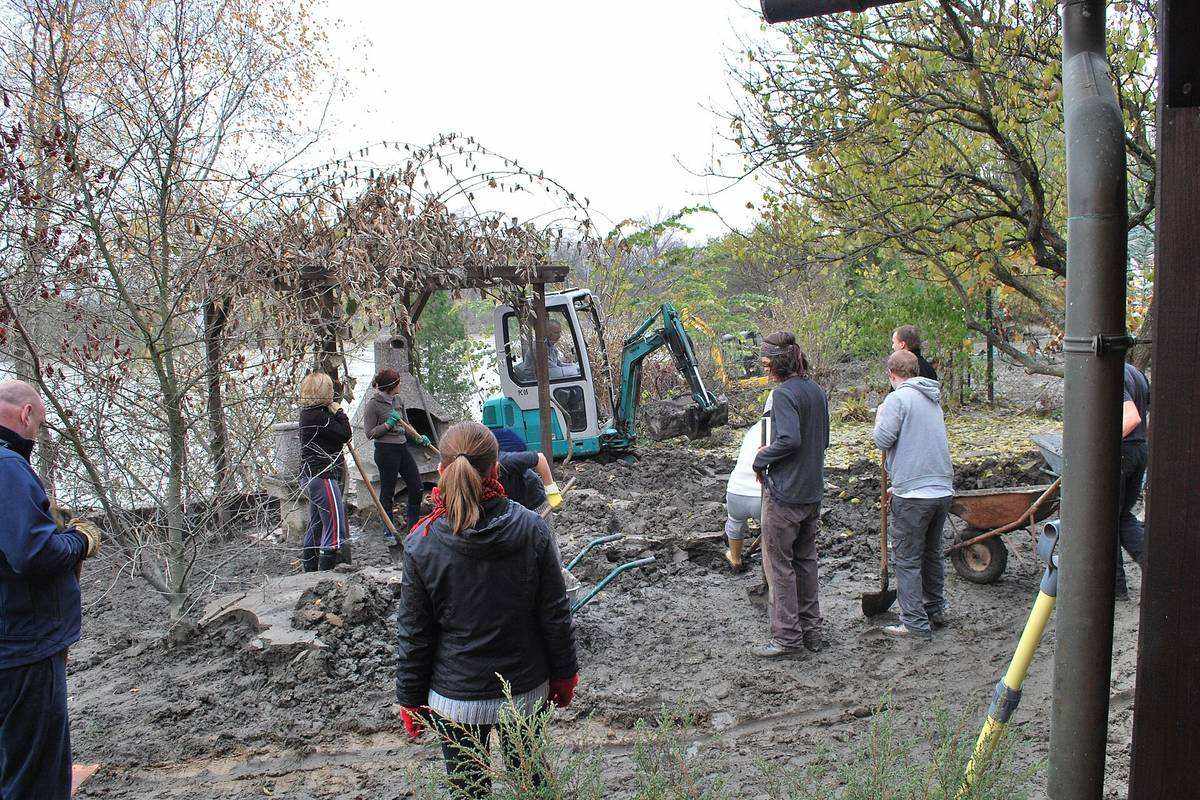
How Volunteer Programs and Work for Accommodation Are Changing Travel
Rising travel costs have made it harder to explore the world on a budget, yet the desire for authentic, meaningful experiences has never been stronger. Volunteer programs abroad and work-for-accommodation opportunities offer a practical solution: you exchange a few hours of work each day for free lodging and often meals, radically cutting your daily expenses while connecting you with local communities and fellow travelers.
This guide covers the entire landscape of work for accommodation, including the best volunteer platforms like Workaway, Worldpackers, and WWOOF, actionable strategies for how to find work exchange positions that match your skills, and volunteer abroad tips to stay safe and get the most out of your placement. Whether you prefer teaching English on a farm in Portugal or helping with reception at a hostel in Thailand, the opportunities are vast and varied.
By the end of this volunteer travel guide, you will have a clear roadmap to finding free accommodation while traveling anywhere in the world. You will save hundreds or even thousands of dollars on lodging, gain hands-on cultural immersion that standard tourism cannot offer, and build skills and friendships that last a lifetime.
What Are Volunteer Programs and Work for Accommodation?
The Core Idea of Work Exchange
The work-exchange model is one of the most popular ways to do it. It operates on a straightforward principle: a host provides you with a free bed and often meals in return for a set number of hours of work per day, typically four to five. This arrangement is not a formal job; there is no monetary wage. Instead, the compensation is free accommodation while traveling, which can dramatically reduce the cost of a trip. It is a direct, person-to-person barter of time and labor for lodging and food.
The types of hosts are diverse. The largest network, WWOOF (World Wide Opportunities on Organic Farms), connects travelers with organic farms that need seasonal help. Many hostels across Europe, Australia, and Southeast Asia run a work-exchange system: you clean dorms or man the front desk in exchange for a dorm bed and sometimes a free meal. Private families, especially in countries like Japan or South Korea, host workers to help with English conversation or childcare. Eco-projects and NGOs also participate, trading accommodation for help with construction, gardening, or community outreach. Each host sets its own rules, but the core promise (a safe place to sleep for a few hours of help) remains universal.
Why do travelers choose this path? The primary benefit is financial: you can stretch a limited budget far longer than you could paying for nightly lodging. A traveler spending $40 per night on hostels will burn through $1,200 in a month; a work-exchange traveler pays zero. Beyond money, the model is a powerful tool for language practice and skill development. Living with local farmers, innkeepers, or families forces you to communicate in the host country's language. You learn practical skills like organic gardening, hostel management, and basic construction that no touristic trip can teach.
For new volunteers, the best volunteer platforms like Workaway, HelpX, and WWOOF make it easy to find these opportunities. A typical profile on these sites lists the work required, the accommodation provided, and reviews from past volunteers, making it simple to evaluate if a particular exchange is right for you. The work-exchange model is the backbone of what many guides call the volunteer travel guide: it is the most reliable way to turn a short trip into an extended, immersive journey.
How Volunteer Programs Differ from Regular Volunteering
The biggest difference between paid programs and work exchanges comes down to cost. Traditional volunteer programs, such as those run by IVHQ or Projects Abroad, charge significant fees, often several thousand dollars per week, to cover housing, meals, and program coordination. Work exchanges, on the other hand, offer free accommodation in exchange for a few hours of help each day. Platforms like Workaway and Worldpackers connect travelers directly with hosts who need assistance with tasks such as hostel reception, farming, or childcare.
This mutual benefit model defines work for accommodation. The host receives practical help, and the volunteer gets a free place to sleep and often meals. Cultural exchange sits central to these arrangements, as volunteers typically live alongside hosts or in local communities, learning language and customs firsthand. Paid volunteer programs tend to be more structured and project-focused, but they offer fewer opportunities for organic interaction with locals.
For budget-conscious travelers in search of an authentic experience, work exchanges provide a low-cost alternative that emphasizes cultural immersion over formal volunteering. Understanding this distinction helps travelers choose between the structure of a paid program and the flexibility of a work exchange.
Who Can Join: Age, Skills, and Experience Requirements
Most volunteer and work-for-accommodation platforms set a minimum age of 18, though a handful accept participants as young as 16 with signed parental consent. Workaway and Worldpackers, two of the largest networks, both require users to be at least 18. Hosts on these platforms rarely ask for formal qualifications, which is exactly why they appeal to first-time travelers. The most common positions - teaching conversational English, helping on organic farms, or reception work at hostels - typically need nothing more than enthusiasm and a willingness to learn.
That said, a significant minority of listings do call for specific hard skills. You will find requests for web designers to revamp a guesthouse website, carpenters to build furniture, or certified yoga teachers to lead morning classes. Childcare roles, especially those involving supervision of young children, may ask for previous experience or first-aid certification. This diversity is what makes the work-exchange model so flexible: a traveler with zero experience can find a basic farming position, while a skilled electrician can trade their expertise for a private room and meals.
When applying, be prepared for two common administrative requirements. Some organizations, particularly those working with minors or vulnerable groups, will request a criminal background check before confirming your placement. Travel insurance is an absolute must for every volunteer; platforms like Helpx and Workaway make it a condition of membership. A comprehensive policy covering medical evacuation, trip interruption, and personal liability ensures that a twisted ankle on a remote farm does not derail your entire journey.
Top Platforms for Finding Volunteer Positions Worldwide
Workaway: The Largest Work Exchange Community
Since 2002, Workaway has grown into the largest work exchange community, with over 50,000 hosts across 170-plus countries. For those seeking farm work, it offers a simple trade: a few hours of help each day for free accommodation while traveling. Whether you are a solo backpacker or a couple, the platform caters to all types of travelers.
Members pay an annual fee - $49 for singles, $59 for couples - to access the network. A well-crafted profile is key, and the search filters let you sort by country, work type (homestays, hostels, farms, language exchange), and duration, from helping with children to teaching English or gardening. This flexibility makes Workaway a top choice in any volunteer travel guide.
Workaway's review system, where both parties rate each other, builds trust across the community. Combined with a responsive support team, the platform ensures reliable placements. Its vast variety and proven track record make it a go-to resource for anyone looking to combine work and travel with cultural exchange. The platform also offers a blog with volunteer abroad tips, covering visa requirements and packing essentials. With users in every continent, the community continues to grow, offering new opportunities daily.
WWOOF: Farm Stays and Organic Living
WWOOF (World Wide Opportunities on Organic Farms) started in 1971 and connects travelers with organic farmers in over 130 countries. Unlike many global platforms, it works through country-specific membership networks. A traveler has to join the WWOOF organization for each country they visit; for example, WWOOF USA charges an annual membership fee of $40. In exchange for 4-6 hours of work per day, hosts provide free accommodation and meals. The focus is on sustainable agriculture, so work involves planting, harvesting, animal care, building, and general farm maintenance.
For people looking for work in exchange for accommodation, WWOOF offers a deeply immersive rural experience. Hosts range from small family farms to larger educational homesteads, and tasks change with the season. A typical day might mean weeding vegetable beds in the morning and repairing a fence in the afternoon. Volunteers often live in the host's home or a separate cabin, sharing meals and learning about permaculture, composting, and animal husbandry.
This platform suits nature lovers and anyone wanting to step away from city life. As a volunteer travel tip, WWOOF is best for travelers who want to contribute to ecological farming while experiencing authentic local culture. The trade-off is a slower pace and hands-on work, but the rewards include deep connections and practical skills. For anyone focused on rural immersion, WWOOF remains the gold standard.
Worldpackers: Trusted Platform with Verified Hosts
Worldpackers has built a reputation as one of the most trusted work-exchange platforms, with a structure similar to Workaway but with extra safety features. Every host is verified before being listed, and the platform enforces a strict code of conduct that reduces the chance of bad surprises. For travelers looking for work in exchange for accommodation without worrying about safety, this verification process is a major draw.
What sets Worldpackers apart is its focus on skills-based profiles. Instead of just listing your availability, you can highlight specific abilities like teaching English, bartending, or social media management. The platform then matches you with opportunities that actually benefit from your expertise. An optional trip insurance add-on provides extra peace of mind, covering medical emergencies and trip cancellations for a modest fee. This feature alone makes Worldpackers one of the best volunteer platforms for first-time travelers who want a safety net.
Community reviews are central to the trust system. Both volunteers and hosts leave detailed feedback after each exchange, so you can read honest accounts before applying. The review system filters out low-quality hosts and helps you identify positions that truly deliver on their promises. Hostel work and teaching projects dominate the listings, making Worldpackers especially popular among budget travelers who want free accommodation while traveling in exchange for practical help. Whether you are bartending in a Colombian hostel or leading English classes in a Thai village, the platform's vetting and community transparency turn this volunteer travel guide into a reliable tool for planning your next trip.
HelpX: Budget-Friendly Alternative
HelpX offers a free basic membership that lets you contact hosts directly, though a paid premium option unlocks faster response times and host reviews. It has a smaller host database than some competitors, but still houses thousands of listings across 130 countries. The platform is especially popular among backpackers on a tight budget who prioritize affordability over a polished interface.
One major advantage of HelpX is its direct communication style. There is less formal screening of hosts and volunteers, which means you need to do your own research, but it also enables more personal and open conversations before you commit. Many experienced travelers use HelpX as a secondary option when they want a wider range of off-the-grid placements not listed on larger sites. This makes it a valuable addition to any volunteer travel guide, particularly for those seeking unique, low-cost work for accommodation experiences.
Specialized and Niche Platforms
For travelers focused on specific causes like environmental conservation or wildlife rescue, platforms such as GoEco offer structured wildlife and conservation programs. Keep in mind that most of these are paid programs: participants pay a fee to cover accommodation, meals, and project costs. They are not traditional work-for-accommodation exchanges, but they provide a reliable way to volunteer in ethical projects while covering your stay. If your priority is free accommodation while traveling, these may not be the best volunteer platforms, but they are worth considering for a meaningful experience.
Long-term cultural exchange programs like Peace Corps place volunteers in communities for two-year commitments, providing a stipend and housing. While not a typical work exchange, they offer deep cultural immersion. Shorter-term teaching programs, such as those on Workaway or HelpX, often include free accommodation in exchange for teaching English or other skills. For a more flexible approach, look for local schools or community centers that welcome volunteer teachers.
If you enjoy hostel life, platforms like Hosteljobs connect travelers with hostels needing short-term staff in exchange for a free bed and sometimes meals. Many hostels prefer longer stays (two weeks or more), but some accept a few days. Beyond formal platforms, local Facebook groups (search phrases like 'work for accommodation [city name]') are goldmines for last-minute opportunities. Word-of-mouth at hostels or cafes can also lead to informal arrangements. These methods are among the best for finding work exchange quickly and avoiding platform fees.
How to Find and Secure the Perfect Work Exchange Opportunity
Defining Your Goals and Preferences
Before you start looking at volunteer programs abroad, take a minute to figure out what you actually want. Ask yourself: Where do I want to go? For how long? What kind of work sounds interesting? What skills do I want to use or learn? A hostel on the coast in Thailand is a completely different experience from an organic farm in Portugal. Knowing how long you want to stay, whether it's two weeks or six months, helps you filter out programs that don't fit your timeline. If you want to build construction experience or practice a new language, flag those priorities early.
Next, think about your travel style. Do you want rural quiet or city energy? Solo travelers often do well in group projects where they can meet people, while couples or friends might prefer independent positions. Cultural immersion matters too: a work for accommodation arrangement in Japan will look very different from one in Colombia. The best volunteer platforms let you sort by region, setting, and host type, so use those filters to match your ideal environment.
Set realistic expectations around daily life. Most work exchanges require 4-5 hours of help per day in exchange for free accommodation while traveling, but free time and workload vary. A permaculture farm may involve manual labor six days a week; a hostel reception role offers more downtime. Read host descriptions carefully for mentions of private rooms, shared dorms, and meal provisions. This volunteer travel guide highlights that the best experiences come from aligning your preferences with the host's genuine needs.
Finally, use platform filters to narrow your search quickly. On Workaway, filter by region, work type, and host rating. On Worldpackers, select preferred duration and group size. These tools turn an overwhelming list into a focused shortlist, saving hours of browsing.
Creating a Compelling Profile That Stands Out
A standout profile is the key to securing a work exchange spot on the best volunteer platforms. Start with a clear, friendly photo that shows your face in natural light, then write a detailed bio that goes beyond "I love to travel." Mention specific skills relevant to the work, such as gardening, teaching English, carpentry, or cooking. If you have previous travel experience, describe how it shaped your adaptability and respect for local cultures. Highlight your personality traits, like being proactive or a good listener, so hosts can picture you as part of their daily life.
When applying, never send a generic copy-paste message. Research each host's project and write a personalized note explaining why you are a good fit and how your abilities align with their needs. Referencing specific details from their listing shows genuine interest and increases your chances of landing free accommodation while traveling.
Finally, gather references from past hosts, even if they were through non-Workaway platforms like Couchsurfing or HelpX. A short written recommendation or a willingness to provide contact details proves your reliability and helps you stand out in the competitive world of work and travel.
Communication and Application Tips
Getting accepted into a rewarding volunteer exchange often comes down to how you communicate, not just the skills you bring. Smart applicants treat every message as a chance to show they are thoughtful and reliable. The process starts well before you hit send.
Read each host's profile thoroughly before reaching out. Many volunteers send generic copy-paste requests, which hosts immediately recognize as low-effort. Instead, note specific details: the exact number of hours expected per day, the type of sleeping accommodation (dorm bed versus private room, for example), and any cultural or house rules mentioned in the profile. This lets you craft a message that references those details, proving you have actually read their listing.
When you do write, ask pointed questions about the work, accommodation, and daily schedule. Rather than a vague 'What will I do?', ask about a typical day, the shared spaces, WiFi reliability, and whether meals are included or if you will have a kitchen. Also clarify any rules around guests, alcohol, and check-in or check-out times. These specifics help you gauge whether the fit is right for both parties.
Equally important is being upfront about your own availability and any dietary needs. If you can only commit to two weeks, say so. If you follow a vegan diet or have an allergy, mention it early. Hosts prefer an honest volunteer with clear boundaries over one who arrives with unspoken expectations that cause friction later.
Finally, request a short video call before you commit. A ten-minute chat via Zoom or WhatsApp builds trust faster than any number of messages. Seeing each other's faces reduces miscommunication and lets you assess the host's energy and living environment. It is a small investment that can save you from a disappointing placement.
Staying Safe While Volunteering Abroad
Safety matters in any volunteer travel guide. Most host families and projects are welcoming and well-meaning, but taking proactive steps protects your well-being during a work for accommodation arrangement. A little preparation goes a long way.
- Check reviews thoroughly on platforms like Workaway, HelpX, or WWOOF. Read recent feedback and try to message past volunteers directly. Ask specific questions about safety, living conditions, and the host's reliability.
- Share your full itinerary with a trusted contact back home, including the host's address, phone number, and your travel dates. Establish a check-in schedule and an emergency plan covering scenarios like illness, natural disasters, or personal safety threats.
- Verify that your travel insurance covers volunteer work. Many standard policies exclude manual labor, farm work, or certain activities like construction. Consider a specialized provider like World Nomads or SafetyWing that offers coverage for volunteer travel.
- Trust your instincts. If you feel uncomfortable or unsafe for any reason, you have the right to leave immediately. Most platforms allow you to cancel a placement, and your safety is more important than any commitment.
Prioritizing safety turns a potentially risky experience into a rewarding one. With these volunteer abroad tips, you can focus on meaningful cultural exchange and personal growth while enjoying free accommodation while traveling.
Making the Most of Your Volunteer Experience
Setting Expectations and Maintaining a Positive Attitude
Workloads on these placements can shift unexpectedly from week to week. One placement might require four hours of reception work daily, while another demands eight hours during a festival. The key is to stay flexible. When you finish assigned tasks early, offer to help in other areas. Hosts appreciate a proactive volunteer who looks for ways to contribute beyond the minimum. This attitude not only strengthens your relationship but often leads to deeper cultural immersion and new skill development.
Clear, honest communication with your host about tasks and hours is equally essential. Before you start, discuss the exact expectations: daily duties, break times, and days off. Check in weekly to address any changes. If a task feels unclear or the load becomes too heavy, speak up politely. Most work for accommodation arrangements thrive on mutual respect. By establishing boundaries early, you prevent misunderstandings and ensure the exchange remains positive for both sides.
Cultural differences will arise, whether in food, social customs, or daily rhythm. Rather than resisting them, approach each difference with curiosity. These moments are the heart of any volunteer travel guide's promise: authentic connection. To deepen your reflection, keep a journal or a blog. Writing down experiences helps you process the adjustments and appreciate the growth. It also creates a record for future volunteers and a personal keepsake of your journey.
Building Connections and Cultural Exchange
The real value of this kind of travel is the everyday human connections they create. Sitting down to a home-cooked dinner with a host family in rural Japan, learning to cook local dishes from scratch, or struggling through a new language at the market turns a simple work-for-accommodation arrangement into genuine cultural immersion. The best volunteer platforms encourage this depth by matching volunteers with hosts who prioritize shared meals and local festival outings. That is how you truly live like a local, not as a tourist passing through.
Equally rewarding are the bonds formed with fellow travelers. On a sustainable farm in Costa Rica or a hostel in the Scottish Highlands, you share morning chores and evening conversations with people from a dozen countries. These connections often create a built-in social network, offering advice on how to find work exchange opportunities ahead or simply providing companionship during downtime. Many volunteers discover that the community they build on-site becomes the highlight of their trip. Cultural exchange is a two-way street: while you absorb local customs, you also share your own background. Teaching your host how to make your grandmother's recipe or explaining a holiday from your home country enriches the experience for everyone, turning a transactional volunteer travel guide recommendation into a meaningful human exchange.
The relationships forged through volunteer programs abroad frequently endure long after the work ends. Former volunteers return years later to attend a host family wedding or reunite with travel friends in a third country. The free accommodation while traveling is a practical benefit, but the lasting friendships are the true currency of a work and travel lifestyle. Many participants find that the most valuable takeaway from their experience is not the saved money but the global family they gained along the way.
Budgeting for Your Work and Travel Adventure
Even the best volunteer travel guide will remind you that while work for accommodation eliminates your biggest expense, smart budgeting goes further. You still need to cover travel to your destination, food if not provided, visa fees, and health insurance. Budget at least $50 per month for a basic travel insurance policy. Even one flight or visa application can erase hundreds in lodging savings.
Days between work exchanges are often overlooked. Budget at least $30 to $50 per day for hostels and meals during these gaps. Slow travel helps: take buses over flights, plan your route to minimize transit days. Seasonal planning also reduces costs. Volunteer during shoulder months to avoid peak pricing.
For those seeking volunteer abroad tips, tracking every expense is essential. Use a spreadsheet or a budget app like Trail Wallet to monitor spending. Set aside 10% of your total budget as an emergency fund for unexpected medical costs or last-minute transport changes. A little planning upfront prevents financial surprises down the road. This discipline turns a work-exchange adventure into a sustainable travel lifestyle.
Common Challenges and How to Overcome Them
Even the best volunteer programs abroad come with unexpected bumps. Cultural misunderstandings are common. A gesture, a scheduling style, or a mealtime habit that feels rude to you may be perfectly normal to your hosts. The fix is straightforward: communicate clearly, ask questions early, and be patient when differences arise. Spending the first few days observing rather than judging goes a long way toward building trust.
Homesickness usually hits during the second or third week, when the novelty fades and you miss familiar food, friends, or routines. The best advice is simple: stay in touch with loved ones through scheduled calls, but also push yourself to embrace new experiences. Join a shared meal, learn a local card game, or take a walk with a host family member. Immersion is the fastest cure for loneliness.
Unmet expectations can derail a work-for-accommodation placement. You might expect five hours of help but get eight, or picture private lodging but share a dorm. Avoid this by clarifying hours, tasks, sleeping arrangements, and days off before you arrive. Ask for photos or video calls. Once there, adapt quickly rather than complaining. Flexibility often leads to better placements later, and hosts remember a positive attitude.
Safety concerns are rare but real, especially in unfamiliar environments. Trust your gut: if a location feels unsafe or a host makes you uncomfortable, leave. Always have a backup plan, such as enough savings for a bus ticket or a hostel. Book through platforms that offer verified reviews and host support. A little caution ensures your free accommodation while traveling stays both safe and enjoyable.
Start Your Volunteer Travel Journey Today
Workaway, WWOOF, Worldpackers, and HelpX each offer a different path into work for accommodation, but the practices that make them work are universal. Thorough research, clear expectations, and basic safety awareness turn a simple listing into one of the best volunteer programs abroad. Thousands of travelers have used these best volunteer platforms to access free accommodation while traveling, freeing up their budget for the local experiences that make a trip memorable.
You now know how to find work exchange opportunities, vet hosts, and arrive prepared. These volunteer abroad tips (reading past reviews, agreeing on hours in advance) are the difference between a rewarding placement and a disappointing one. Now it is time to act. Choose a platform that matches your travel style, create an honest profile highlighting your skills, and send personalized requests to hosts whose projects genuinely interest you. The first message can feel intimidating, but a thoughtful note referencing the host's specific projects will stand out.
This volunteer travel guide has covered every practical step. The real transformation begins once you arrive. You learn by doing, you connect by sharing meals and stories, and you discover that the most meaningful travel experiences often come from giving your time. Whether your first placement is a vineyard harvest in Italy or a hostel reception desk in Costa Rica, work and travel opens doors a standard vacation never could. Take that first step today.
Official sources
Details worth verifying before you go — checked against:
Travel Writer & Editor
Emily Johnson writes and edits Do Travel Blog. Every guide on the site starts the same way: with a question she actually had while planning — when to book, which pass to buy, how to get from A to B without overpaying. Where a number matters, she cites the source: park tickets link to the park's own fee page, visa rules to the official consulate, ferry times to the operator. Prices get re-checked against those pages before each update, and a guide is re-dated when its numbers move. Nothing here is sponsored — she doesn't accept payment for coverage. Spotted something stale or wrong? Email hello@dotravel.blog and she'll fix it.