SIM Cards & eSIMs in Southeast Asia: Country Guide
Comprehensive guide to SIM cards and eSIMs in Southeast Asia. Compare providers in Thailand, Vietnam, Indonesia, Philippines, Malaysia, Singapore, and Cambodia. Find the best local SIM and eSIM for 4G
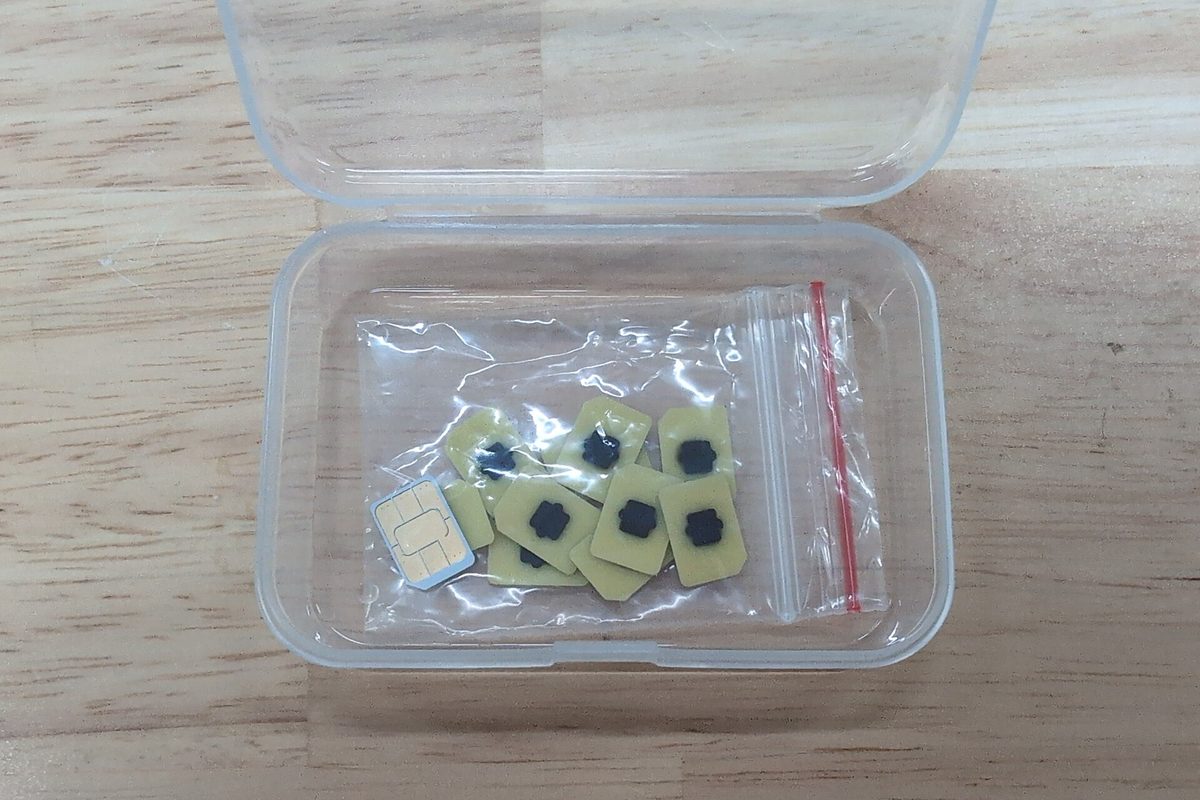
What This Guide Covers
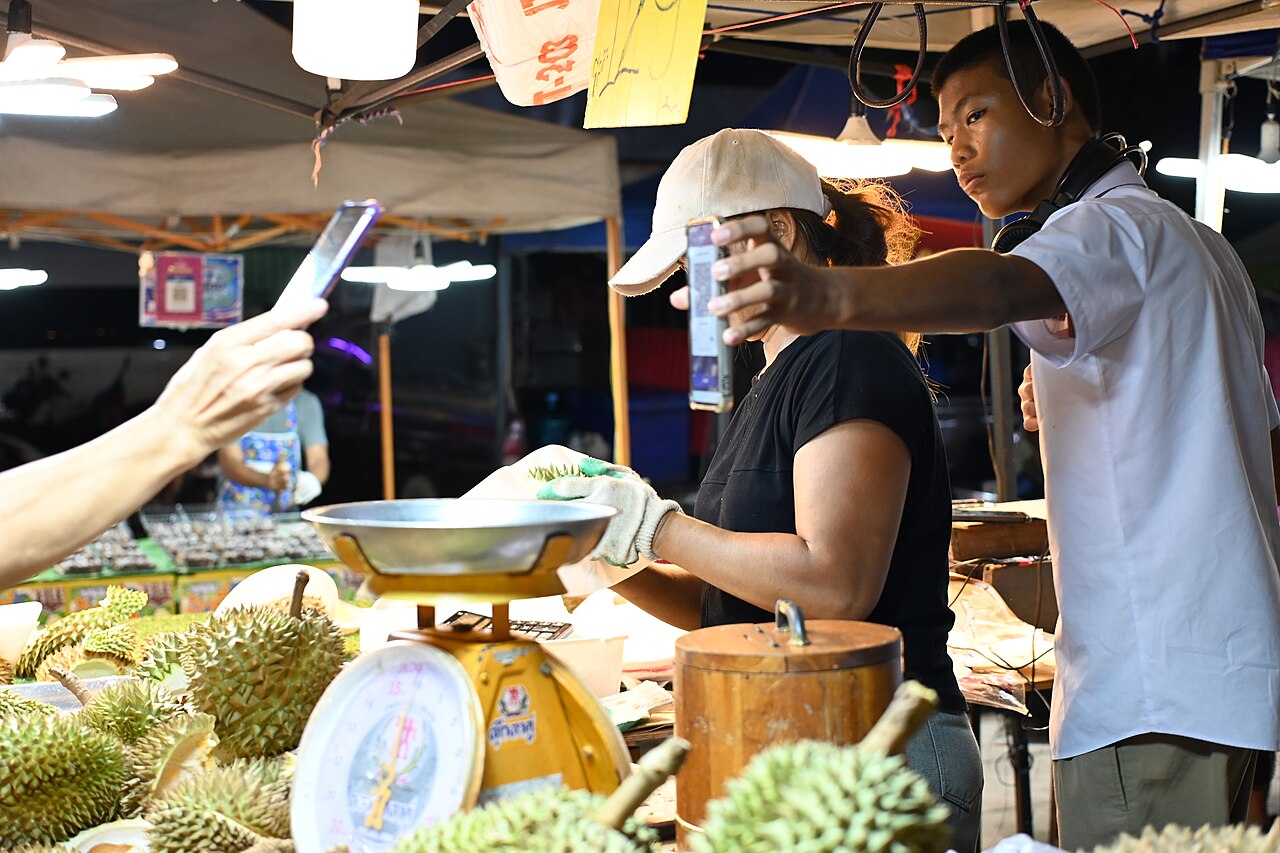
Photo: PattayaPatrol / CC BY-SA 4.0 / Wikimedia Commons
Staying connected while traveling through Southeast Asia is no longer a luxury. It is a practical necessity for navigating unfamiliar streets, booking last-minute accommodation, and keeping in touch with family back home. For years, the standard solution was picking up a local SIM card upon arrival, but the rapid rise of eSIM technology now offers travelers a digital alternative that can be activated before the plane even lands.
This guide covers the seven most-visited countries in the region: Thailand, Vietnam, Indonesia, the Philippines, Malaysia, Singapore, and Cambodia. Each destination has its own landscape of providers - from Thailand's AIS and TrueMove to Vietnam's Viettel and Vietnamobile - and the choice between a physical SIM and an eSIM depends on factors like trip length, data needs, and device compatibility.
Whether you are searching for the best SIM card for Thailand, Vietnam, and Indonesia, or looking for a comprehensive eSIM country guide for Southeast Asia, this breakdown compares prices, coverage, activation ease, and real-world performance. The goal is to give you a clear, up-to-date comparison so you can choose the option that fits your travel style without wasting time or money.
Local SIM or eSIM - Which One Fits?
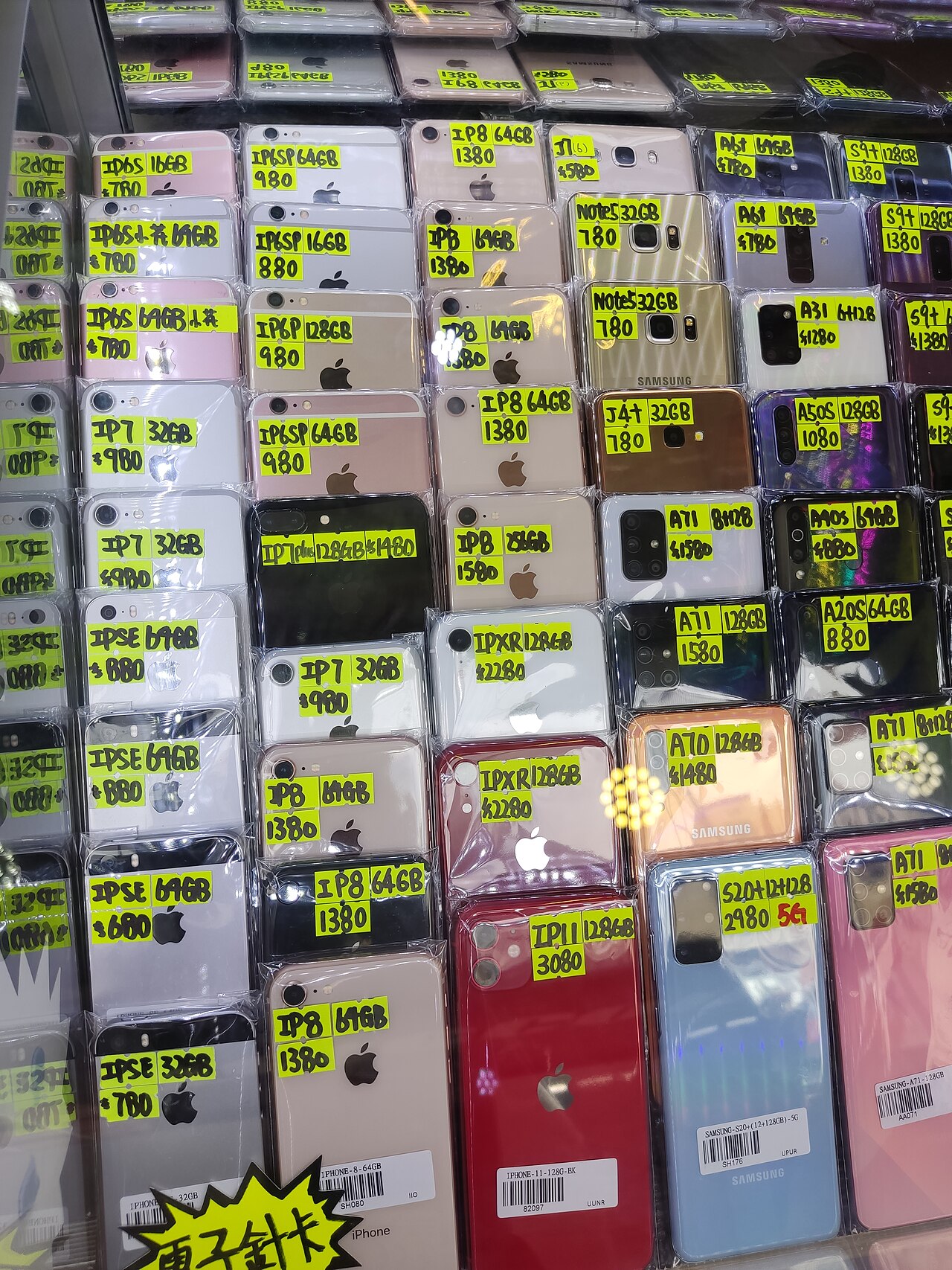
Photo: YATBAOINGAI Menrem / CC BY-SA 4.0 / Wikimedia Commons
Benefits of a Local SIM Card
For travelers exploring Southeast Asia, a local SIM card is the most straightforward and affordable connectivity option. Across the region, prepaid plans from major providers like AIS and TrueMove in Thailand, Viettel and Mobifone in Vietnam, Telkomsel and XL in Indonesia, Globe and Smart in the Philippines, and Maxis and Celcom in Malaysia cost as little as $5 to $10 for generous data packages. These SIM cards are sold at airport kiosks, 7-Eleven convenience stores, and dedicated mobile shops in every city, so you can get connected within minutes of arrival.
- Low cost: prepaid plans from $5 to $10 for 10-30GB of data, often valid for 7-30 days.
- Wide availability: airport arrivals halls, 7-Eleven, FamilyMart, and local phone stores.
- Coverage and speed: local networks offer extensive 4G and 5G coverage, often outperforming international roaming in rural areas.
- Physical slot required: your phone must have an unlocked SIM tray; dual-SIM phones can keep your home line active.
- ID registration: most countries require passport registration at the point of sale, but the process takes only a few minutes.
Local SIM cards are especially practical for longer stays of a week or more, or for travelers using older phones that lack eSIM support. If you are moving between countries, you can simply buy a new SIM at each destination rather than juggling multiple eSIM profiles. For anyone following a SIM card Thailand Vietnam Indonesia itinerary or consulting an eSIM country guide Southeast Asia, the local SIM option offers the best balance of cost, coverage, and simplicity.
Advantages of an eSIM
An eSIM removes the airport kiosk scramble for a physical SIM. Activation takes minutes through a carrier app or QR code, so you can start browsing as soon as you land in Bangkok or Hanoi without swapping your home SIM. Your regular number stays active for incoming calls and SMS, which helps with two-factor authentication or staying reachable on your local line.
Dual-SIM phones handle the setup easily: one slot holds your home SIM, the other loads the eSIM profile. No need to find a store or worry about losing the tiny plastic card. Most eSIM providers in Southeast Asia offer data-only plans, which work well for maps, messaging, and social media. Voice add-ons exist but are often limited or priced per minute; travelers who need frequent local calls may still prefer a physical prepaid card from SIM Thailand providers or SIM Vietnam carriers.
Thailand
Best Local SIM Providers in Thailand
This eSIM country guide for Southeast Asia starts with Thailand, where three major carriers dominate the market: AIS, TrueMove, and dtac. All three offer tourist-specific SIM packages that include generous data allowances and local call minutes. AIS's Tourist SIM, for example, provides 15 GB of high-speed data for 8 days at 299 THB (about $8.50). TrueMove's comparable plan offers 15 GB for 8 days at 299 THB as well, while dtac's Happy Tourist SIM gives 15 GB for 8 days at 299 THB, often with bonus social media data. For longer stays, 15- and 30-day options are available, with data caps ranging from 20 GB to unlimited throttled data after a high-speed limit.
On a 30-day budget the picture shifts: dtac's Happy Tourist SIM at 299 THB is the cheapest month-long option, with 15GB of high-speed data before dropping to unlimited data throttled at 384 kbps — slow, but workable for messaging. TrueMove H's 30-day Tourist SIM runs 349 THB with the same structure and a faster urban network, while AIS's Travel SIM at 399 THB adds free calls to local numbers. If your route spills over the border, AIS's Traveller SIM also covers Laos and Cambodia, though it costs noticeably more than a single-country plan.
Purchasing a SIM card is straightforward. The easiest option is at the airport: both Suvarnabhumi and Don Mueang have carrier kiosks in the arrival halls. AIS, TrueMove, and dtac all operate counters where staff can activate the SIM and set up the plan in minutes. Alternatively, 7-Eleven stores sell tourist SIMs from all three carriers at slightly lower prices, though you may need to handle activation yourself. Dedicated carrier shops in shopping malls and city centers also offer the full range of plans and can assist with any issues.
Registration is mandatory for all prepaid SIM cards in Thailand. You must present your passport at the point of purchase. The store staff will scan or photocopy your passport and register the SIM in your name. This process takes about five minutes and is required by Thai law. eSIMs from these carriers also require passport registration, though some international eSIM providers like Airalo handle registration differently.
For coverage and reliability, AIS generally has the best network in rural areas and islands, while TrueMove and dtac offer strong urban coverage. All three support 4G/LTE and 5G in major cities. For most travelers, any of the three will work well; choose based on the specific data allowance and validity that matches your trip length.
eSIM Options for Thailand
All three major Thai carriers (AIS, TrueMove, and dtac) now offer eSIMs. Travelers purchase prepaid eSIMs from carrier websites or apps and activate via QR code. AIS's Travel SIM eSIM starts at 299 THB for 8 days with 15GB of data. TrueMove's eSIM plan has similar pricing. dtac's Happy Tourist eSIM offers 15GB for 8 days at 299 THB. These carrier eSIMs include a Thai phone number, useful for local calls or app registration.
For travelers who prefer convenience over a local number, third-party eSIM providers like Airalo, Holafly, and Nomad offer data-only plans. Airalo's Thailand eSIM costs $10 for 3GB over 15 days. Holafly's unlimited data plan for 5 days is $19, and Nomad offers 10GB for 30 days at $15. These plans activate via QR code with no ID registration, ideal for short stays. However, data-only means no local number for SMS verification.
Check that your phone supports eSIM (most iPhones from XS onward and recent Samsung, Google, and Huawei models do). Install the eSIM before departure and activate upon arrival. Many travelers pair a physical SIM from one country with an eSIM from another for multi-country trips. For Thailand specifically, carrier eSIMs offer better value if you need a local number, while third-party eSIMs suit pure data users.
Vietnam
Best Local SIM Providers in Vietnam
Vietnam's telecom market is dominated by three major networks: Viettel, Vinaphone, and Mobifone. Viettel has the largest coverage footprint, including remote areas, while Vinaphone and Mobifone offer reliable service in urban centers. All three provide prepaid tourist SIMs designed for short-term visitors.
- Viettel: 7-day SIM with 4GB data for 70,000 VND; 30-day with 15GB for 150,000 VND.
- Vinaphone: 7-day SIM with 3GB for 50,000 VND; 30-day with 10GB for 120,000 VND.
- Mobifone: 7-day SIM with 5GB for 80,000 VND; 30-day with 20GB for 180,000 VND.
You can purchase these SIMs at official counters at Noi Bai Airport in Hanoi and Tan Son Nhat Airport in Ho Chi Minh City, as well as at mobile phone shops in city centers. Registration requires your passport; the seller completes the registration and activates the SIM on the spot, usually within minutes.
A few Vietnam-specific quirks are worth planning around. For stays of two months or more, Viettel's 90-day data pack gives you 15GB for 200,000 VND (about $8), the best cost-per-gigabyte of any long-stay option, and adding roughly 30,000 VND to any plan buys voice minutes and SMS for the homestays and tour operators that still list phone numbers. One warning: airport counters charge two to three times what the same plans cost in city stores. They are convenient, but if you can wait until you reach a Viettel shop in Hanoi's Old Quarter or Ho Chi Minh City's District 1, a 30-day unlimited-data plan runs about 120,000 VND — a fraction of the airport price.
eSIM Options for Vietnam
Vietnam's three main carriers (Viettel, Vinaphone, and Mobifone) all offer eSIMs tailored for tourists, making it easy to stay connected without a physical SIM. Viettel's eSIM is the most popular, with plans starting at around 70,000 VND ($3) for 3GB over 7 days, and speeds reaching 4G+ in urban areas and 5G in select districts of Hanoi and Ho Chi Minh City. Vinaphone and Mobifone provide similar eSIM options: Vinaphone's tourist eSIM costs about 50,000 VND ($2) for 2GB/7 days, while Mobifone offers 3GB for 60,000 VND ($2.50). All three support 4G/LTE nationwide, with 5G coverage expanding in major cities. For travelers comparing SIM card Thailand Vietnam Indonesia options, these local eSIMs deliver the best value per gigabyte.
Third-party eSIM providers offer convenience but at a higher price. airalo-vs-holafly-Airalo's Vietnam eSIM starts at $4.50 for 1GB valid 7 days; Holafly's unlimited data plan costs $19 for 5 days (throttled after 500MB/day); GigSky's Vietnam eSIM is $10 for 1GB/15 days. These are ideal for short trips or as a backup, but for longer stays, a local eSIM is more economical. Data speeds on third-party eSIMs match the carrier's network (4G/5G where available), though some providers limit peak speeds.
| Provider | Plan example | Price | Data | Validity |
|---|---|---|---|---|
| Viettel (local) | Tourist eSIM | ~$3 | 3GB | 7 days |
| Airalo | Vietnam eSIM | $4.50 | 1GB | 7 days |
| Holafly | Unlimited eSIM | $19 | Unlimited* | 5 days |
To purchase and activate a Vietnam eSIM, buy online from the carrier's website or a third-party platform before departure. You will receive a QR code via email. On arrival, scan the QR code in your phone's settings (iOS: Settings > Cellular > Add eSIM; Android: Settings > Connections > SIM manager > Add eSIM). Ensure your device is eSIM-compatible and unlocked. Activate within 30 days of purchase. For this eSIM country guide Southeast Asia, Vietnam's eSIM ecosystem is one of the most traveler-friendly, with clear activation steps and strong network coverage.
Indonesia
Best Local SIM Providers in Indonesia
Indonesia's mobile market is dominated by three carriers: Telkomsel, XL Axiata, and Indosat Ooredoo. Telkomsel has the widest coverage across the archipelago, making it the best choice for travelers visiting remote islands like Komodo or Raja Ampat. XL and Indosat offer competitive data packages at slightly lower prices, especially in urban areas.
For short-term visitors, Telkomsel's Tourist SIM is the most convenient option. Priced at around 150,000 IDR (about $10), it includes 30GB of data valid for 30 days, plus some voice minutes. XL Axiata's XTRA Combo tourist SIM offers 20GB for 100,000 IDR valid for 30 days, while Indosat Ooredoo's Freedom Tourist SIM provides 25GB for 120,000 IDR. All three carriers support 4G/LTE and increasingly 5G in major cities.
Where to buy: airport kiosks at Soekarno-Hatta (Jakarta) and Ngurah Rai (Bali) have dedicated counters for Telkomsel, XL, and Indosat. Official stores in city centers and convenience stores like Alfamart and Indomaret also sell SIMs. Registration requires a passport, so bring it along.
Budget travelers should also know about Smartfren, the fourth carrier: its data-heavy plans start around 100,000 IDR for 30GB-plus, but coverage thins out fast outside Java's main cities, and it does not support eSIM yet. As for eSIMs, Telkomsel and XL both let you activate online — expect to upload a passport scan and a selfie, with the profile arriving within the hour.
eSIM Options for Indonesia
Telkomsel, Indonesia's largest carrier, offers both postpaid and prepaid eSIMs. Postpaid requires a local KTP, so prepaid is the practical choice for tourists. Packages start at IDR 50,000 (around $3) for 10GB valid 30 days, with top-ups via the MyTelkomsel app. For anyone following an eSIM country guide Southeast Asia, Telkomsel provides the most reliable coverage across Java, Bali, and even parts of Sumatra and Sulawesi.
XL and Indosat also provide eSIMs at lower prices: XL prepaid from IDR 30,000 for 5GB, Indosat similar. However, their coverage in remote areas like Raja Ampat, the Gili Islands, or Flores is noticeably weaker. If you plan to explore beyond major tourist hubs, Telkomsel is the safer choice.
Third-party eSIM providers offer hassle-free alternatives. Airalo's Indonesia eSIM costs $4.50 for 1GB valid 7 days; Holafly's unlimited plan is $19 for 5 days; Ubigi charges $3 for 1GB. All are data-only with no local number. They activate instantly upon arrival and use Telkomsel or XL networks, so coverage mirrors those carriers. These are ideal for short trips where convenience outweighs cost.
Before purchasing, confirm your device supports eSIM: iPhone XS or newer, Google Pixel 3 or newer, Samsung Galaxy S20 or newer. Indonesia requires IMEI registration for foreign phones used over 90 days, but eSIMs on short trips typically bypass this rule. For stays under 30 days, you can activate an eSIM without registering your IMEI. Always check with your carrier for the latest regulations.
For most travelers, Telkomsel's prepaid eSIM offers the best balance of coverage and value. Third-party eSIMs are perfect for quick visits to Bali or Jakarta. In remote islands, a physical Telkomsel SIM remains the most reliable fallback.
Philippines
Best Local SIM Providers in the Philippines
Travelers comparing SIM card options across Thailand, Vietnam, and Indonesia often overlook the Philippines, but the country has its own competitive local providers. Three major networks dominate: Globe Telecom, Smart Communications, and DITO Telecommunity. Globe and Smart offer the widest coverage, while DITO, the newest entrant, pushes aggressive data promos in urban areas. All three support 4G and 5G in major cities like Manila, Cebu, and Davao.
For tourists, Globe's GoSURF packages are a popular choice. A typical 7-day GoSURF 50 plan gives 2GB of data plus unlimited calls and texts to Globe numbers. Smart offers similar prepaid bundles under its Smart Bro brand, such as the Power 99 promo with 8GB for 30 days. DITO's tourist-friendly promos include 25GB for 99 PHP valid for 30 days, making it a strong value option for data-heavy users. Each provider also offers add-on social media passes for Facebook, Instagram, and TikTok.
Comparing Globe and Smart plan-by-plan, Smart's GIGA line consistently edges out Globe on data per peso in the mid tier: GIGA 50 matches GoSURF 50 at 50 PHP for 1GB over three days, GIGA 99 gives 2.5GB over seven days against GoSURF 99's 2GB, and GIGA 399 delivers 10GB across 30 days where GoSURF 399 stops at 8GB. Coverage flips the argument, though: Globe reaches deeper into Palawan, Siargao, and the Visayas — including El Nido and Coron, where Smart's signal gets patchy — while Smart is the stronger network in Metro Manila and Cebu. Both carriers also sell app-based prepaid eSIMs: Globe's costs 299 PHP for 2GB and Smart's 250 PHP for 2GB, handy if you want data before you find a store.
You can buy local SIM cards at major airports including NAIA Terminals 1-3 and Mactan-Cebu International Airport, where kiosks from all three networks are available. They are also sold at convenience stores like 7-Eleven, Ministop, and mall electronics shops. Prices for a starter pack range from 40 to 100 PHP and typically include a small data allocation.
Since December 2022, the SIM Registration Act requires all prepaid SIM users to register with a government-issued ID. Tourists can use their passport for registration, which is done online through the carrier's portal or at the point of sale. The process takes about five minutes, so factor in that step when buying your SIM at the airport.
eSIM Options for the Philippines
Travelers visiting the Philippines can choose from three local carriers offering eSIM support: Globe, Smart, and DITO. Globe provides both prepaid and postpaid eSIM options, with prepaid plans starting at PHP 50 (about USD 1) for 1 GB of data valid for one day. Smart's prepaid eSIM offers similar pricing, while DITO, the newest player, often has promotional bundles with higher data caps at competitive rates. All three require a physical visit to a store or online registration with a passport for activation.
Third-party eSIM providers like Airalo, Holafly, and Nomad offer instant digital plans without registration hassle. Airalo's Philippines eSIM starts at USD 4.50 for 1 GB valid for 7 days, while Holafly provides unlimited data plans from USD 19 for 5 days. Nomad offers flexible data packs around USD 5 for 1 GB. These are typically more expensive per gigabyte than local SIMs but offer convenience for short stays.
Coverage is strong in Metro Manila, Cebu, and other urban centers, with 4G and growing 5G availability. However, in rural provinces and remote islands like Palawan or Siargao, signal can be patchy, especially for DITO. For travelers following a SIM card Thailand Vietnam Indonesia itinerary, the Philippines eSIM landscape is similar to other Southeast Asian nations: local SIMs offer better value, while third-party eSIMs provide immediate connectivity.
Malaysia
Best Local SIM Providers in Malaysia
Malaysia's mobile market has four major carriers: Maxis, CelcomDigi, U Mobile, and Yes. For travelers, the easiest option is a tourist SIM from Maxis (Hotlink), CelcomDigi (Digi Prepaid), or U Mobile. These prepaid plans are built for short-term visitors and offer competitive data allowances with validity from 7 to 30 days.
Maxis Hotlink is the premium choice with the widest 4G/LTE coverage, especially in rural areas and East Malaysia. A 7-day tourist SIM costs about 30 ringgit ($6.50) and includes 10GB of high-speed data plus unlimited social media. CelcomDigi, formed by the 2022 merger of Celcom and Digi, offers a similar 7-day tourist pack for 25 ringgit ($5.50) with 8GB data and free calls to local numbers. U Mobile is the budget-friendly alternative: 30 days of 15GB data costs just 30 ringgit ($6.50), though coverage is slightly weaker outside major cities. Yes, a newer player, focuses on 5G but has limited retail presence for tourists.
Tourist SIMs are widely available at Kuala Lumpur International Airport (KLIA). Both terminals have dedicated counters from Maxis, CelcomDigi, and U Mobile near the arrival halls. You can also buy them at shopping malls like Mid Valley Megamall or at small mobile phone shops in any city center. Activation is instant; just hand over your passport for registration. For longer stays, top-up cards are sold at 7-Eleven and convenience stores nationwide.
If you would rather skip the store entirely, Tune Talk sells prepaid eSIMs that activate online before you land, and Yes's 30-day plan bundles 30GB of 5G data for around 35 ringgit — decent value, though actually finding a Yes retail point remains the challenge.
While physical SIMs remain the most popular option for travelers, Malaysia's eSIM support is growing. Maxis and CelcomDigi now offer eSIM activation for prepaid plans, though it requires a QR code from a retail store rather than instant online purchase. For a hassle-free arrival, buying a physical SIM at KLIA is still the fastest method.
eSIM Options for Malaysia
Malaysia's eSIM market has three main local carriers: Maxis (Hotlink), CelcomDigi, and U Mobile. Maxis offers the Hotlink eSIM with prepaid plans starting at 30 ringgit (about $6.50) for 10GB of 4G/5G data valid for 30 days. CelcomDigi's eSIM has similar pricing with nationwide 5G coverage, while U Mobile's eSIM is slightly cheaper at 25 ringgit for 10GB. All three require passport registration during activation, whether you buy a physical SIM or an eSIM.
Third-party eSIM providers like Airalo, Holafly, and Truphone offer data-only plans that skip local registration. Airalo's Malaysia eSIM costs $4.50 for 1GB (7 days), Holafly charges $19 for unlimited data (5 days), and Truphone sells 1GB for $6 (30 days). These plans run on Maxis or CelcomDigi networks, so 4G/5G speeds match local coverage. However, they lack a local phone number, which can be inconvenient for Grab or food delivery apps.
For stays under a week, a third-party eSIM saves time. For longer trips, a local eSIM from Maxis or CelcomDigi offers better value per gigabyte and includes a Malaysian number. Regardless of provider, all eSIMs in Malaysia require passport details for registration under local regulations.
Singapore
Best Local SIM Providers in Singapore
Singapore's three major mobile networks, Singtel, StarHub, and M1, provide reliable 4G and 5G coverage across the island, including the MRT, Sentosa, and Changi Airport. All three offer prepaid tourist SIMs tailored for short-term visitors, with data allowances that easily cover navigation, messaging, and social media during a typical stay.
Singtel's hi!Tourist SIM costs SGD 12 for 7 days (50GB) or SGD 18 for 14 days (100GB). StarHub Tourist SIM is priced at SGD 15 for 7 days (100GB) and SGD 25 for 14 days (150GB). M1 Tourist SIM offers a 3-day option for SGD 12 (30GB) and a 14-day option for SGD 18 (30GB). All include local calls and SMS, and require passport registration at point of purchase.
These SIMs are available at Changi Airport arrival halls (before baggage claim and at the M1, Singtel, and StarHub counters), at 7-Eleven stores citywide, and at carrier retail outlets. Buying at the airport is the most convenient option for immediate connectivity upon landing. For travelers who prefer digital activation, each carrier also supports eSIM conversion for compatible devices, though the physical SIM remains the most widely available choice.
eSIM Options for Singapore
Travelers looking for a local SIM card in Singapore can skip the physical store and activate an eSIM before departure. All three major carriers (Singtel, StarHub, and M1) offer prepaid eSIMs with competitive data packages. Singtel's hi!Tourist eSIM starts at SGD 12 for 7 days with 100GB, while StarHub's Tourist eSIM offers similar pricing. M1's Tourist eSIM is slightly cheaper at SGD 10 for 7 days with 50GB. These direct carrier eSIMs provide full voice, SMS, and data access on Singapore's excellent nationwide 4G/5G networks. As part of a comprehensive eSIM country guide Southeast Asia, Singapore stands out for its seamless eSIM activation compared to SIM card options for Thailand, Vietnam, Indonesia, and other regional destinations.
Travelers who prefer a single eSIM that works across multiple destinations can use third-party providers like Airalo, Holafly, and Ubigi, which offer Singapore-specific or regional Asia eSIMs. Airalo's Singapore eSIM starts at USD 4.50 for 1GB/7 days; Holafly offers unlimited data for USD 19 for 5 days. Ubigi's Singapore eSIM is data-only but competitively priced at EUR 4.90 for 3GB/30 days. These third-party options are data-only (no local voice number), which suits most short-term visitors. Coverage is identical to the carrier networks since they use the same infrastructure. Compared to SIM Thailand providers or SIM Vietnam, Singapore's eSIM pricing is higher per gigabyte but offers faster speeds and near-perfect nationwide coverage.
Activation is instant: purchase online, receive a QR code via email, scan it on your device, and the eSIM activates upon arrival in Singapore. You can buy and install the eSIM weeks before your trip, then turn on data roaming once you land. This pre-arrival setup is especially useful when combining Singapore with other destinations like Thailand or Vietnam, as you can manage multiple eSIMs from a single eSIM country guide. For travelers also researching SIM Philippines or SIM Malaysia, Singapore's eSIM ecosystem is the most straightforward entry point for going fully digital with no physical SIM swap.
Cambodia
Best Local SIM Providers in Cambodia
In Cambodia, three mobile operators dominate the market: Cellcard, Smart Axiata, and Metfone. Each offers prepaid tourist SIM cards with competitive data packages. Cellcard's tourist SIM starts at $3 for 7 days with 6GB of data, and a 30-day plan with 30GB costs $10. Smart Axiata provides a 7-day plan with 5GB for $2, while Metfone, known for strong rural coverage, offers 7 days with 4GB for $2.50.
These SIMs are widely available at Phnom Penh International Airport upon arrival, at mobile phone shops in major cities, and at local markets like Phnom Penh's Central Market. Registration requires your passport; vendors typically handle the activation process for you within minutes. For travelers continuing to neighboring countries, this SIM card Thailand Vietnam Indonesia and eSIM country guide Southeast Asia provides a comprehensive comparison of local options across the region.
eSIM Options for Cambodia
Travelers visiting Cambodia can activate an eSIM before arrival or upon landing, with three local carriers offering direct eSIM support: Cellcard, Smart, and Metfone. Cellcard's 7-day 5GB eSIM costs around $5, Smart offers 10GB for $7 for 15 days, and Metfone provides 6GB for $4 for 10 days. eSIMs can be purchased from carrier websites or third-party apps like Airalo.
| Provider | Plan Type | Data | Price | Validity |
|---|---|---|---|---|
| Cellcard eSIM | Tourist | 5GB | $5 | 7 days |
| Smart eSIM | Prepaid | 10GB | $7 | 15 days |
| Metfone eSIM | Standard | 6GB | $4 | 10 days |
| Airalo | eSIM | 1GB | $4.50 | 7 days |
| Holafly | eSIM | Unlimited* | $19 | 5 days |
For those who prefer a third-party provider, Airalo and Holafly offer Cambodia-specific eSIMs that can be installed instantly. Airalo's 1GB 7-day plan costs $4.50, while Holafly's unlimited data plan (throttled after 500MB daily) runs $19 for 5 days. These are pricier per gigabyte than local carrier eSIMs but require no registration or local payment method. Activation is straightforward: purchase online, scan a QR code, and the profile installs in minutes.
Physical SIMs from the same carriers cost roughly 30-50% less - a Cellcard 7-day 5GB physical SIM is about $3 - but require a visit to a carrier shop or airport kiosk. For convenience, eSIMs justify the premium, especially for short stays.
Coverage in Phnom Penh, Siem Reap, and Sihanoukville is reliable across all three carriers, with 4G LTE speeds averaging 20-30 Mbps, sufficient for video calls and streaming. However, in rural provinces like Mondulkiri or Ratanakiri, signal drops significantly; Metfone tends to have the widest rural reach, but even then expect patchy service. For urban routes, any carrier works fine; for remote areas, pair an eSIM with offline maps. Unlike SIM cards in Thailand or Vietnam, Cambodia's eSIM market is smaller but still reliable. For multi-country trips, a regional eSIM covering multiple Southeast Asian destinations may be more economical than separate Cambodia eSIMs.
If your route continues overland from Cambodia, know that its neighbors work differently. In Laos, eSIM support is minimal, so a physical SIM is the only realistic option: Unitel sells 30GB for about $5 with reliable 4G in Luang Prabang and Vang Vieng, while Lao Telecom covers shorter stays with 10GB for $3. In Myanmar, MPT remains the safest network for visitors — 15GB runs around $5 and holds up in Yangon, Mandalay, and Bagan — since Telenor's former network now operates under M1 with limited availability.
Tips for Travelers
How to Buy a SIM Card at the Airport
After clearing customs, head straight to the arrivals hall where major carrier kiosks are lined up side by side. In Thailand, you will see AIS, TrueMove, and dtac; in Vietnam, Viettel, Mobifone, and Vinaphone; in Indonesia, Telkomsel and XL Axiata; in the Philippines, Globe and Smart; in Malaysia, Maxis and Celcom; in Singapore, Singtel and StarHub; and in Cambodia, Cellcard and Smart. Each kiosk has staff ready to activate a local SIM card within minutes. The process is simple: choose a plan, hand over your passport, and they install the card. For an eSIM, many of these same carriers now offer instant QR-code activation at the counter.
Documents required are minimal. Your passport is mandatory everywhere. Some countries, like Vietnam and Indonesia, may also ask for your visa or arrival card, so keep those handy. The entire process takes about five minutes, and staff usually speak enough English to assist.
Before committing, compare prices across kiosks. Plans from different SIM Thailand providers, for instance, vary in data allowance and validity. A 7-day plan from AIS might cost 299 baht while TrueMove offers 349 baht for more data. Official kiosks display prices clearly. Avoid third-party sellers near the exit who may charge inflated rates or sell expired cards. The sneakiest version is the "free" SIM handed out near bus stations and exits — these are often pre-loaded to auto-renew into a paid plan once the starter data runs out, quietly draining any credit you top up. Never accept a complimentary SIM without reading the terms. Stick to the official carrier booths for reliability and genuine activation.
How to Activate and Top Up Your eSIM
Travelers can buy an eSIM for any Southeast Asian destination before they leave or after they land. Most providers, including Airalo and Holafly, deliver the eSIM instantly by email or through an app. For a quick comparison, this eSIM country guide Southeast Asia includes activation details for each country.
Installation is straightforward: scan the QR code from the confirmation email or enter the activation code manually. You can handle top-ups through the carrier's own app or through third-party platforms like Seagm and Ding, which support multiple regional providers. For example, a traveler using a SIM card in Thailand, Vietnam, or Indonesia can reload credit within seconds using these services.
If the eSIM shows no signal, check the APN settings against the carrier's instructions. For dual-SIM users, assign the eSIM for mobile data and keep the physical SIM for calls to prevent conflicts. This setup works smoothly with local SIM cards from providers like AIS Thailand, Viettel Vietnam, or Telkomsel Indonesia.
When your data runs low, top up rather than rebuy: most providers price top-up bundles below fresh plans — on Nomad, 10GB of top-up data for Thailand costs about $6 versus $8 for a new plan. Referral codes shave a few dollars off your first purchase too; most eSIM apps credit $2 to $5 to both sides, and a quick ask in a hostel group chat usually turns up a working code.
Two Budget Habits Worth Copying
First, carry a backup. If your phone dies or the eSIM app crashes, you are completely offline, so keep a pre-activated physical starter SIM stashed in your passport pouch — at $2 to $4 it costs almost nothing and covers emergencies. Second, do the multi-country math before buying regional bundles. The AIS Travel SIM covers six countries (15GB for 15 days at about $15, or 30GB for 30 days at $30), and Airalo's Asia Link bundle covers 15 countries at $25 for 20GB. Both beat roaming, but on a three-month trip through Thailand, Vietnam, Cambodia, and Laos, separate local SIMs still win: roughly $30 to $35 in total, against $75 to $90 for regional plans renewed month after month.
Final Thoughts on SIM Cards and eSIMs in Southeast Asia
Both physical SIM cards and eSIMs serve travelers well in Southeast Asia. Physical SIMs are widely available at airports and convenience stores, often at lower rates for longer stays. eSIMs offer instant activation without swapping cards, ideal for short trips. For country-specific recommendations, AIS remains the top choice in Thailand, while Viettel leads in Vietnam. In Indonesia, Telkomsel's SimPATI is the go-to provider. The Philippines offers Globe and Smart, and Malaysia's Celcom or Digi provide excellent coverage. Singapore's Singtel delivers fast data, and Cambodia's Cellcard or Smart are reliable.
Before you travel, verify your phone supports eSIM and is unlocked. Compare prepaid plans online to avoid airport markups. For stays under two weeks, an eSIM from providers like Airalo or Nomad is convenient and reasonably priced. For longer stays, a local SIM card from a provider's official booth gives you the best value, often with larger data allowances at a fraction of the cost. Check network band compatibility to ensure reliable coverage.
Whether you're backpacking through Thailand, Vietnam, and Indonesia or island-hopping in the Philippines and Malaysia, this eSIM country guide for Southeast Asia helps you choose the right connectivity. Review the provider details, check your device, and pick the plan that fits your travel style. Use this guide as your starting point: compare providers, read traveler reviews, and decide between physical SIM or eSIM based on your trip length. For most travelers, a combination works well: an eSIM for instant connectivity on arrival, then a local SIM for the rest of your stay. The key is to plan ahead so you can focus on enjoying the journey.
Official sources
Details worth verifying before you go — checked against:

Travel Writer & Editor
Emily Johnson writes and edits Do Travel Blog. Every guide on the site starts the same way: with a question she actually had while planning — when to book, which pass to buy, how to get from A to B without overpaying. Where a number matters, she cites the source: park tickets link to the park's own fee page, visa rules to the official consulate, ferry times to the operator. Prices get re-checked against those pages before each update, and a guide is re-dated when its numbers move. Nothing here is sponsored — she doesn't accept payment for coverage. Spotted something stale or wrong? Email hello@dotravel.blog and she'll fix it.