Essential Nepal Trekking Gear: What You Really Need to Pack
Discover the essential Nepal trekking gear list with our comprehensive guide. Learn what to pack for Nepal trek including clothing, permits, and altitude safety tips.
Why Your Nepal Trekking Gear List Matters
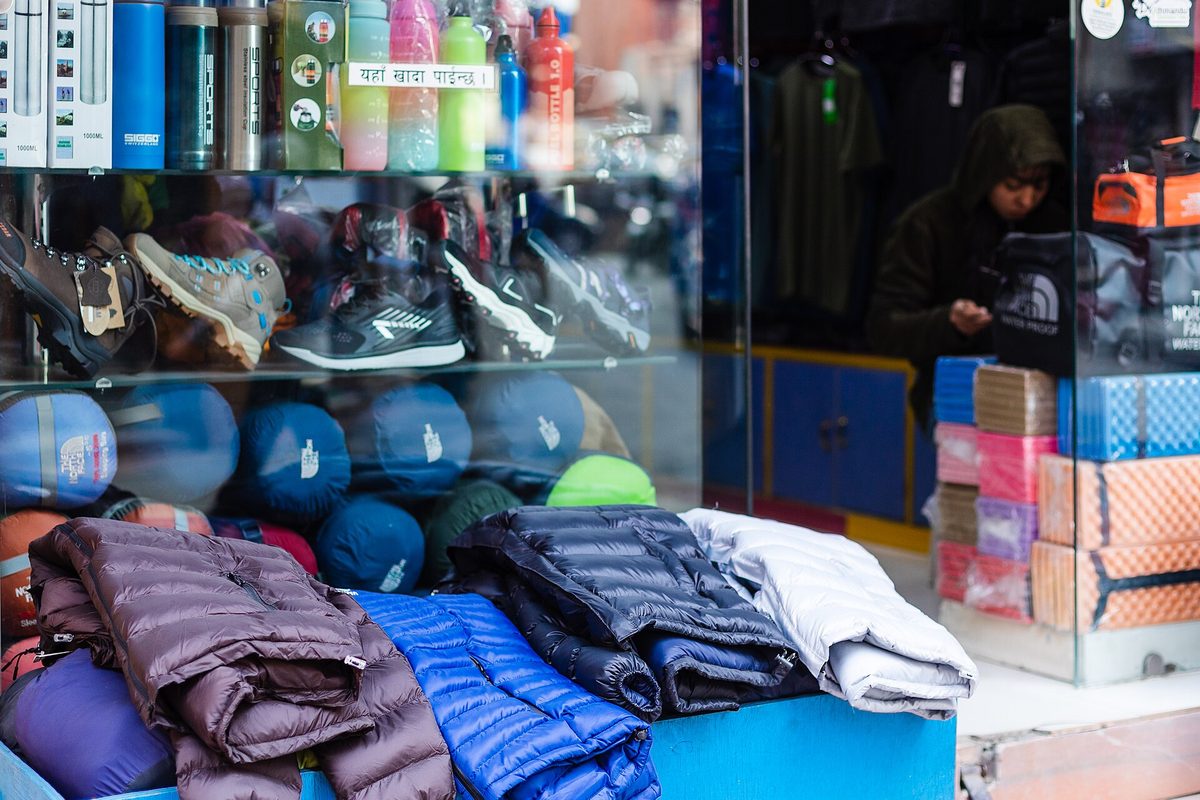
Packing the right gear can mean the difference between a trip with stunning Himalayan views and one spent battling altitude sickness, cold, and fatigue. Above 3,000 meters, what you carry heavily influences how your body handles thin air, temperature swings, and physical exertion. A good Nepal trekking gear list focuses on insulation, sun protection, and hydration to keep you safe and comfortable as oxygen levels drop.
Your packing strategy also depends on whether you will sleep in teahouses or camp. Teahouses provide a mattress and blanket, but the mattress is often thin and the blanket insufficient for winter nights. A sleeping bag rated to -10°C is essential for most treks, regardless of accommodation. If you are camping, you also need a tent, stove, and extra food, which adds weight. These factors are further constrained by luggage limits on domestic flights to trailheads like Lukla, which typically cap checked bags at 15 kilograms (33 pounds) per person. Exceeding that limit means paying excess fees or leaving gear behind.
This guide covers the four pillars of preparation: layered clothing for Nepal's variable climate, required permits and documentation, a health and first-aid kit for altitude and trail injuries, and cultural considerations like respectful dress and tipping etiquette. Together, these elements form the complete what to pack for Nepal trek essentials.
Trekking Season and Climate Considerations
How Nepal's Seasons Affect Your Packing List
Nepal's trekking season directly determines what you pack. The two main trekking windows are spring (March to May) and autumn (September to November), offering mild temperatures and stable weather. The monsoon season (June to August) brings heavy rain, while winter (December to February) delivers cold and snow at higher elevations. Every packing list must account for these seasonal shifts to stay safe and comfortable on the trail.
Temperature ranges vary dramatically by altitude. In spring, daytime temperatures at lower elevations (1,000-2,000m) reach 20-25°C, while at 4,000m they hover around 5-10°C. Autumn sees similar conditions. Winter at 4,000m can drop to -15°C at night, requiring a Nepal sleeping bag temperature rating of at least -10°C (comfort) or -20°C (extreme). This is where the down vs synthetic decision matters: down is lighter and more compressible for winter treks, but synthetic performs better in monsoon humidity. For wet-season treks, a synthetic filling resists moisture absorption and dries faster.
Regional variations also affect your Nepal trekking clothing choices. In the Annapurna region, the lower trails are subtropical, while the Thorong La pass (5,416m) demands sub-zero layers. A base layer, insulated mid-layer, and waterproof outer shell work for all seasons if you pick the right materials. For monsoon treks, a waterproof jacket and gaiters are essential to keep your feet dry. Packing for altitude means including a down jacket even in summer for high passes, plus a breathable fleece for lower sections. The key is a modular layering system that adapts to Nepal climate months, rather than a single set of gear.
Clothing and Footwear
Upper Body Layers: Base, Mid, and Shell
A well-designed upper body layering system is central to any trekking kit. Start with a base layer that wicks moisture away from the skin. Merino wool or a high-quality synthetic fabric are the best choices, as they dry quickly and resist odor. Avoid cotton at all costs, because once it gets wet from sweat or rain, it stays wet and can lead to dangerous chilling at altitude.
For the mid layer, a fleece jacket or a lightweight down jacket provides insulation. Fleece is breathable and works well during active trekking, while a packable down jacket offers superior warmth for rest stops and evenings. Both are staples of what to pack for Nepal trek, as temperatures can drop sharply after sunset.
The shell layer is your defense against wind, rain, and snow. Invest in a waterproof and breathable jacket with sealed seams and a hood. This outer layer is non-negotiable for Nepal trekking clothing, especially during the monsoon season or when crossing high passes. Together, these three layers let you adjust to changing conditions and keep you comfortable from the lowlands to the peaks. This combination is the core of Nepal trek packing essentials.
Lower Body and Footwear: Pants, Socks, and Hiking Boots
Start with the legs. Convertible zip-off hiking pants are a staple on any Nepal trek because they adapt to changing temperatures on the trail. On the Annapurna Circuit, you can unzip the lower legs during a sunny afternoon and zip them back on as the temperature drops at higher elevations. A pair of lightweight rain pants is equally essential for sudden downpours, especially in the monsoon season. Gaiters, while not always included, are a smart addition to your Nepal trek packing essentials; they keep mud, snow, and scree out of your boots during sections like the Thorong La Pass.
For socks, merino wool is the gold standard. Bring at least three to four pairs so you can rotate and wash them in teahouses. Liner socks, worn under thicker wool socks, reduce friction and help prevent blisters on long days. This layering system is a key part of Nepal trekking clothing strategy, allowing your feet to stay dry and comfortable even after eight hours of walking.
Your boots are the most critical piece of what to pack for a Nepal trek. Choose a pair with strong ankle support, a waterproof membrane, and a grippy sole suitable for rocky, uneven terrain. The best Nepal hiking boots are those you have already broken in over several weeks of day hikes before your trip. New boots cause blisters and pain that can derail an entire trek. Prioritize fit and comfort over brand names, and consider wearing them with the same socks you plan to use on the trail.
Sleeping System
Sleeping Bag Temperature Rating for Nepal
The right Nepal sleeping bag temperature rating depends on the season and altitude. For spring (March-May) and autumn (September-November) treks like the Annapurna Circuit or Everest Base Camp, a bag rated to -10°C (14°F) works for most teahouses, but go to -15°C (5°F) if you plan to camp above 4000m. Winter treks demand a -20°C (-4°F) bag or even colder. Many trekkers underestimate nighttime cold, especially in lodges with thin walls, so a conservative rating is wise.
Down vs synthetic is a key choice for your Nepal trekking gear list. Down is warmer for its weight and packs smaller, dropping a -10°C rating to around 1.2kg versus 1.6kg for synthetic. Down excels in dry high-altitude conditions, but synthetic retains warmth when damp, which matters on wetter routes like the Langtang Valley during monsoon. Most trekkers prefer down for its weight savings, though synthetic is a reliable backup if rain is expected.
A sleeping pad with adequate R-value (3 to 5) is essential for insulation and comfort. Inflatable pads like the Therm-a-Rest NeoAir XLite (R-value 4.5) offer cushioning but risk punctures, while closed-cell foam pads such as the Z Lite Sol (R-value 2.6) are indestructible yet less comfortable. Many winter trekkers combine both for redundancy. Pair your bag, pad, and dry base layers to maximize warmth. These sleeping system choices are critical in a comprehensive Nepal trek packing essentials list.
Backpack and Trekking Poles
Choosing the Right Backpack and Trekking Poles
Selecting the right Nepal trekking backpack starts with capacity. For teahouse treks, where you sleep indoors and eat at lodges, a 40-50 liter pack works. If you are camping and carrying your own tent and food, step up to 50-60 liters. In either case, look for a pack with a fitted rain cover, a padded hip belt that transfers weight to your hips, and a hydration sleeve for your water bladder. These features are non-negotiable for comfort and safety on Nepal's trails.
Trekking poles are equally vital for any Nepal trek packing essentials list. A good pair of Nepal trekking poles reduces strain on your knees by up to 25 percent on long descents, provides stability on slippery stream crossings, and helps maintain rhythm at high altitudes where each step costs more oxygen. Carbon fiber poles are lighter but more expensive; aluminum poles are durable and affordable. Choose poles with cork grips for sweaty hands and adjustable locking mechanisms so you can shorten them for uphill sections and lengthen them for downhill work.
Together, a well-chosen Nepal trekking backpack and trekking poles will save you energy, prevent injury, and make your trek far more enjoyable. Test both before you leave home, because comfort on day one of a 12-day hike depends on a pack that fits your torso and poles that suit your height.
Health and Safety
Nepal Trekking First Aid Kit Essentials
A well-stocked first aid kit is non-negotiable on any gear list. Start with the basics: adhesive bandages in multiple sizes, sterile gauze pads, medical tape, and antiseptic wipes for cleaning cuts. Blister care is critical when you are walking 6-8 hours daily. Pack moleskin, Compeed hydrocolloid pads, and a small pair of scissors. Include a pain reliever like ibuprofen for muscle aches and inflammation and paracetamol for fever or mild headache. These everyday items handle the scrapes and sore feet that inevitably appear on the trail.
Altitude-related supplies deserve dedicated space in what to pack for a Nepal trek. Discuss Diamox (acetazolamide) with your doctor before departure; it helps prevent acute mountain sickness when taken prophylactically. Include a course of diarrhea medication such as loperamide or an antibiotic like azithromycin (prescribed by your doctor). Rehydration salts (oral rehydration sachets) are lightweight and essential for quickly replacing fluids lost through vomiting or diarrhea. These three items form the core of a Nepal travel first aid kit for altitude and gastrointestinal issues.
Finally, bring all your personal medications in their original pharmacy-labeled bottles, plus enough for the full trek duration with a few extra days spare. Carry a printed copy of each prescription and a brief medical history in English, sealed in a waterproof bag, in case you need to visit a clinic or pharmacy. Keep a second copy in your main luggage. While you can buy some basic supplies in Kathmandu, many brands and strengths are unavailable, so assembling your kit before departure is the safest approach.
Altitude Sickness Gear and Prevention
Packing a pulse oximeter is a small but smart addition to any Nepal altitude sickness gear kit. This clip-on device reads your blood oxygen saturation level, giving you an objective data point when you feel off at high altitude. Readings below 90 percent warrant immediate rest and descent, regardless of how you feel. Portable oxygen canisters are optional and rarely needed on standard teahouse treks, but some trekkers carry them for peace of mind on 5,000-meter passes like Thorong La.
Hydration is one of the simplest ways to reduce altitude sickness risk. Carry two 1-liter Nalgene or wide-mouth bottles. They can also hold hot water at night. Add electrolyte tablets to your morning and midday water to replace salts lost through heavy breathing and sweating. Aim for 3 to 4 liters per day above 3,000 meters, and avoid alcohol and caffeine, which accelerate dehydration.
The most effective prevention is a slow itinerary with built-in rest days. The classic rule is "climb high, sleep low" - ascend no more than 300 to 500 meters per day above 3,000 meters, and take an extra rest day every 1,000 meters. Know the symptoms of acute mountain sickness: headache, nausea, loss of appetite, and dizziness. If symptoms worsen at rest, descend immediately. No gear can replace time spent acclimatizing. Your body needs days, not gadgets, to adjust.
Water Purification Options for Nepal
Trekking in Nepal demands a reliable water purification method because tap water and stream water can contain bacteria, viruses, and parasites, and buying plastic bottles contributes to waste along the trail. When planning your Nepal water purification strategy, you need to balance weight, speed, and effectiveness for the teahouse environment.
Three common options work well on Nepal treks: iodine tablets, UV pens, and filter bottles. Iodine tablets are ultralight and cheap but leave a metallic taste, take 30 minutes to work, and are less effective against some parasites. UV pens like the SteriPEN purify in 90 seconds and leave no taste, but they require batteries and the water must be clear to work. Filter bottles such as the Sawyer Squeeze remove bacteria and protozoa instantly and are reusable, but they are heavier and can freeze at high altitude. A quick comparison:
| Method | Pros | Cons |
|---|---|---|
| Iodine tablets | Light, cheap, no battery | Taste, 30-min wait, limited parasite coverage |
| UV pen (SteriPEN) | Fast, no taste | Needs batteries, clear water required |
| Filter bottle (Sawyer) | Instant, removes all | Heavier, can freeze, needs backflushing |
Hydration reservoirs (bladders) let you sip without stopping, but they are harder to clean between uses and the hose can freeze above 4,000 meters. Bottles are simpler to treat water in - drop a tablet or screw on a filter - and they fit in side pockets for easy access. Most trekkers carry a 1-liter Nalgene or Smartwater bottle with a Sawyer attachment, plus a small insulated bottle for hot drinks. For maximum safety, combine a chemical treatment (like chlorine dioxide) with a physical filter, or use a UV pen with a pre-filter on cloudy water. This layered approach gives you clean, safe water throughout your trek without relying on single-use plastic.
Permits and Documents
Nepal Trekking Permits and Required Documents
Before you finalize your Nepal trekking gear list, you must sort out the paperwork. Trekking in Nepal requires specific permits, and the rules vary by region. The most common is the TIMS (Trekkers' Information Management System) card, which costs around 2,000 NPR (about $15) for organized trekkers and 3,000 NPR for independent trekkers. You can obtain it through a registered trekking agency in Kathmandu or Pokhara, or directly at the Nepal Tourism Board office.
For treks in the Annapurna region, you also need the Annapurna Conservation Area Permit (ACAP), priced at 3,000 NPR per person. If you're heading to Everest Base Camp, the Sagarmatha National Park entry permit costs 3,000 NPR as well (plus 1,000 NPR for the Gaurishankar Conservation Area if your route includes it). These are typically handled by your trekking company or at the checkpoint gates. Always carry two extra passport-size photos and a few photocopies of your passport's main page.
Visas are straightforward: you can get a visa on arrival at Kathmandu's Tribhuvan International Airport or at land borders. A 30-day visa costs $50; a 15-day one costs $30 (USD only, exact cash). You will need two passport photos and a completed arrival form. Comprehensive travel insurance that covers emergency evacuation up to at least 5,000 meters is non-negotiable. Many trekking agencies require proof before issuing a Nepal trekking permit. Keep digital copies of all documents in your phone and a separate waterproof pouch for the originals.
Sun Protection and Accessories
Sun Protection, Sunglasses, and Other Accessories
The intense UV radiation at altitude makes sun protection a critical part of any kit. Use a high-SPF sunscreen of at least 50, reapplying every two hours, especially after sweating or water exposure. Zinc-based formulas offer physical blockage that lasts longer. A lip balm with SPF 30 or higher prevents painful sunburn on the lips, which is common above 3,000 meters. These items are non-negotiable Nepal sun protection essentials.
For eye protection, bring sunglasses rated category 3 or 4. Category 4 lenses are best for glacier crossings and high passes like Thorong La, as they block 92-97% of visible light. Wraparound styles prevent UV from entering from the sides. Polarized lenses reduce glare from snow, helping prevent snow blindness.
A wide-brim hat or a baseball cap with a neck flap provides shade for the face and neck. A lightweight buff can be pulled up for sun protection on the lower face or used as a dust mask on dry trails. Thin gloves protect hands from sunburn at high altitude, while also providing a light layer for cold mornings. These accessories are easy to pack and make a significant difference in comfort and safety.
Electronics and Connectivity
Power Adapters, SIM Cards, and Headlamps
A high-capacity power bank is one of the most critical items on the list. Many teahouses offer limited electricity, often only a few hours in the evening, and outlets are shared among trekkers. A 20,000+ mAh power bank will keep your phone and camera charged for three to four days between villages. A small solar charger is optional but handy on longer treks like the Annapurna Circuit, where you can recharge during the day's hike.
For the Nepal power adapter, you need a Type C, D, or M plug. Nepal's standard voltage is 230V at 50 Hz, identical to most of Europe and Asia. Most modern phone and camera chargers are dual voltage (100-240V), so you only need a plug adapter, not a voltage converter. Carry a compact universal adapter with surge protection to avoid damage from unstable grid power in remote areas.
A Nepal SIM card is essential for data on the trail. Two major carriers, Ncell and NTC (Nepal Telecom), offer prepaid SIMs with cheap data packages. Buy a SIM at the Kathmandu airport or in Thamel with a copy of your passport and a passport-sized photo. A 10-15 GB data plan costs around 1,000 NPR (about $7.50) and is sufficient for maps, weather updates, and messaging. Coverage is good on most popular routes, though expect gaps in deep valleys.
A reliable headlamp with extra batteries rounds out this section of what to pack for Nepal trek. You will need it for pre-dawn starts on summit days, navigating teahouse corridors after dark, and reading in lodges with dim lighting. Choose an LED headlamp with a red light mode to preserve night vision in shared dormitories. Carry at least one spare set of lithium batteries, which perform better in cold high-altitude conditions than alkaline ones.
Cultural Etiquette and Tipping
Respecting Local Culture and Tipping Practices
Showing cultural respect in Nepal starts with modest dress and mindful behavior. Cover your shoulders and knees, remove your shoes before entering temples, and avoid public displays of affection. The greeting 'Namaste' with palms together is the standard and respectful way to address locals. When taking photographs, always ask permission first, especially of people and religious sites. Avoid pointing your feet at people or altars and always use your right hand when giving or receiving items.
Tipping is an important part of trekking culture in Nepal. Guides, porters, and teahouse staff rely on tips to supplement their low wages. General guidelines for tipping in Nepal:
- Guide: $15-25 per day per group (or $10-15 per day for a private guide)
- Porter: $5-10 per day per group
- Teahouse staff: 100-200 NPR per meal for good service
- Carry small bills; tips are appreciated in local currency.
These practices show respect and support the local economy. Integrating them into your trek prepares you for a more meaningful experience. Remember that these tipping customs are not obligatory but are deeply appreciated and help build goodwill between travelers and the communities that make trekking possible.
Final Thoughts: Packing Smart for Your Nepal Trek
Final Thoughts: Packing Smart for Your Nepal Trek
Packing for a Nepal trek comes down to a few core categories: sturdy boots, a sleeping bag rated for the season, layered clothing, a comfortable backpack, trekking poles, water purification, a first-aid kit, permits, and sun protection. Each piece plays a specific role in safety and comfort at altitude. The most common mistake is overpacking. A 40-50 liter backpack is sufficient for teahouse treks, and every extra kilogram becomes noticeable above 3,000 meters. Quality over quantity is the rule: invest in a reliable down jacket and a proper sleeping bag, then skip the backup jeans and extra toiletries.
Before you finalize your what to pack for Nepal trek list, check the seasonal conditions. Winter treks require a sleeping bag rated to -15°C and a heavier jacket, while autumn treks need lighter layers and a solid rain shell. Spring brings warmer days but lingering snow on high passes. Preparation matters more than any single item: break in your boots weeks before departure, test your water filter, and confirm your Nepal trekking permit requirements (TIMS and national park entry) online. The best Nepal trekking gear list is the one that fits your body, your itinerary, and the forecast. Pack smart, walk steady, and let the mountains do the rest.
Official sources
Details worth verifying before you go — checked against:
Travel Writer & Editor
Emily Johnson writes and edits Do Travel Blog. Every guide on the site starts the same way: with a question she actually had while planning — when to book, which pass to buy, how to get from A to B without overpaying. Where a number matters, she cites the source: park tickets link to the park's own fee page, visa rules to the official consulate, ferry times to the operator. Prices get re-checked against those pages before each update, and a guide is re-dated when its numbers move. Nothing here is sponsored — she doesn't accept payment for coverage. Spotted something stale or wrong? Email hello@dotravel.blog and she'll fix it.