The Ultimate Packing Checklist for Flying with Kids or Pets
Plan your next trip with this comprehensive packing checklist for family flights and pet travel. Covers carry-on essentials, documentation, and comfort items for kids and pets.
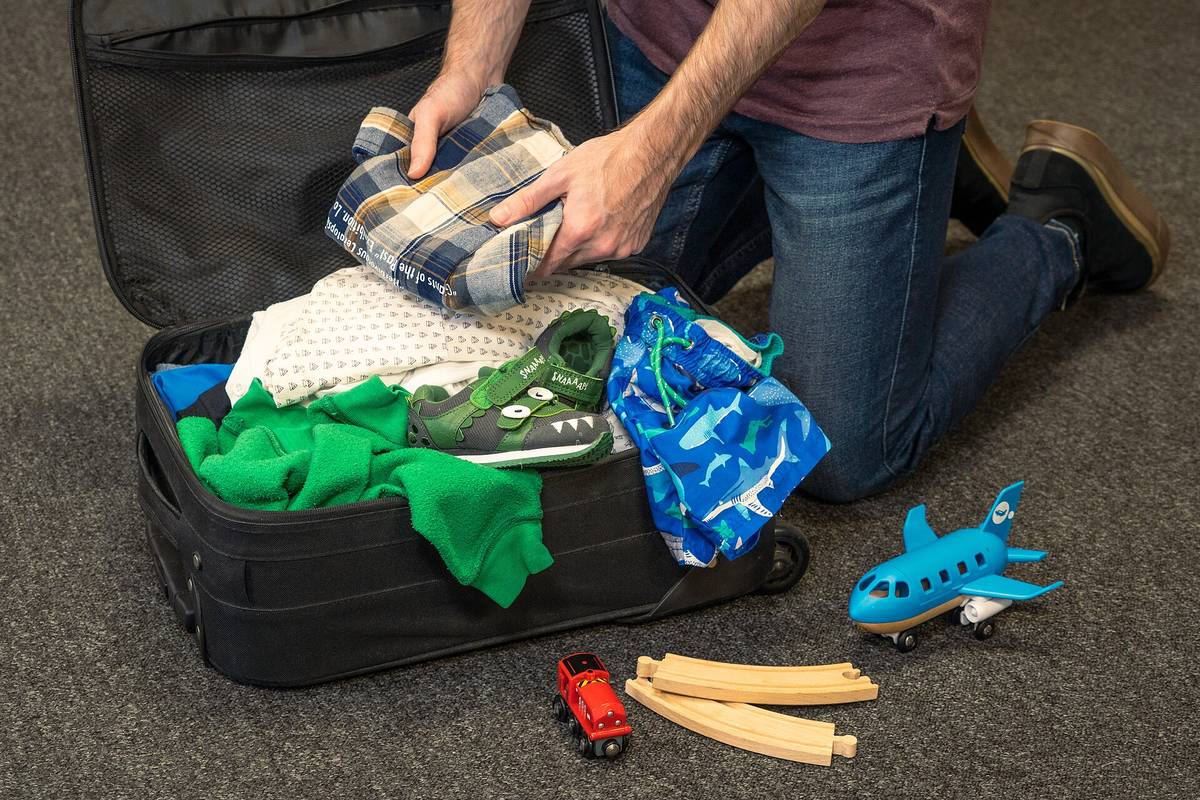
Why a Packing Plan Matters
Flying with children or pets adds layers of complexity that a last-minute packing scramble cannot solve. Between managing a toddler's meltdown, keeping a carrier-confined cat calm, and juggling boarding passes and snacks, the margin for error is slim. A solid packing plan turns that chaos into a predictable routine. When you know exactly which items are in your carry-on and why, you reduce decision fatigue at security and during the flight.
This packing checklist for family flights covers three critical categories: carry-on essentials, required documentation, and comfort items for both kids and pets. For children, that means a well-stocked diaper bag packing strategy with extra outfits, wipes, and spill-proof snacks. For pets, it includes everything from vet records to absorbent liners for the carrier. We also address the documents you need for traveling with a pet across state lines or internationally. Whether you are searching for a packing checklist for travel with kids or wondering what to pack for a pet flight, this guide has you covered.
After reading, you will have a complete, itemized list tailored to your specific situation. No more second-guessing at the gate or paying airport prices for forgotten essentials. With this plan, you can focus on the experience rather than the stress, ensuring a smoother trip for everyone: passengers, parents, and pets alike.
Packing Basics for Kids: Carry-On Essentials
Building a Diaper Bag That Works
The diaper bag might be the most important carry-on item for family flights. A solid packing strategy keeps everything within reach and avoids mid-flight chaos. Start with the basics: one diaper for every hour of travel plus five extras, a full pack of travel-sized wipes, a portable changing pad, and a roll of disposable bags for soiled diapers or wet clothes. Pack these in an outer pocket or at the very top of the bag so you can grab them without digging through everything else.
Spills and accidents happen, especially during turbulence or when a child falls asleep mid-bottle. Pack two complete outfits - onesies, pants, and a shirt or dress - plus one pair of extra socks. Roll each outfit tightly and store them in a clear zip-top bag so they stay clean and are easy to swap. If your child wears shoes, throw in a lightweight pair of slip-ons in case they kick theirs off during the flight.
A small first-aid kit rounds out the diaper bag and covers minor mishaps at 35,000 feet. Include child-friendly supplies: adhesive bandages (themed ones can distract a crying toddler), antiseptic wipes, a digital thermometer, children's ibuprofen or acetaminophen (check airline liquid rules beforehand), and an antihistamine for unexpected allergic reactions. Tuck all of this into a compact pouch and label it clearly. With this system, your diaper bag becomes a self-contained command center that supports your entire packing checklist for travel kids.
Clothing and Footwear for the Flight
When packing for family flights, layering is the key to managing cabin temperature swings. Dress children in a long-sleeve shirt topped with a light cardigan or fleece. Peel off a layer if warm, add back when cold. For infants, a cotton onesie under a sleep sack works well.
Slip-on shoes are a carry-on essential for children old enough to walk. Velcro or elastic-lace sneakers let kids remove them quickly at security without fuss. Include a spare pair of socks in your diaper bag packing in case feet get wet.
Bring a lightweight jacket or sweater that can be stashed under the seat when not needed. A packable puffy or thin hoodie works well. For what to pack for pet flight travel, add a familiar fleece blanket inside the pet carrier so your cat or dog can burrow if the cabin gets chilly.
Avoid restrictive outfits like rigid jeans or scratchy lace. Soft leggings, joggers, or knit pants keep children comfortable during long hours seated. On any packing checklist travel kids, comfort always trumps fashion. Everyone travels better when no one is fussing about seams or tags.
Travel-Size Toiletries and Hygiene
Toiletries for kids require careful attention to TSA's 3-1-1 liquids rule. All liquids, gels, and aerosols must be in containers of 3.4 ounces (100 milliliters) or less, and they must fit inside a single quart-sized clear bag. This applies to every member of your family, including children. To save space, decant larger bottles into travel-size containers before your trip.
Your carry-on essentials should include a travel-size hand sanitizer (at least 60% alcohol) for quick cleanups before meals or after touching surfaces. A pack of baby wipes is non-negotiable for sticky hands, spills, and wiping down tray tables. For diaper-age children, pack diaper cream in a 2-ounce tube and a small changing pad for unexpected changes in the lavatory. If your destination is sunny, bring a travel-size bottle of child-safe sunscreen (SPF 30 or higher) in your carry-on so you can apply it immediately upon arrival. For longer flights, a portable toothbrush and travel-size toothpaste help maintain routines and keep your child's mouth fresh after meals. Choose a toothbrush with a protective cap and a small tube of fluoride toothpaste under 3.4 ounces.
Don't forget to place all these items in a separate pouch within your carry-on so you can easily access them without rummaging through your entire bag. For pet flights, some of these items (like wipes and hand sanitizer) work for both kids and pets, but keep a dedicated set of pet carrier supplies separate to avoid cross-contamination. Travelers with kids and pets alike will find that organizing toiletries by type and size reduces stress at security and keeps your family comfortable throughout the journey.
What to Pack for Your Pet's Flight
Choosing the Right Pet Carrier
Packing for family flights with a pet means choosing the right carrier before anything else. Look for an airline-approved model with mesh ventilation on at least three sides and secure zippers that can be locked with a small carabiner. Most carriers sold as 'cabin-ready' conform to standard size limits, but you must confirm your airline's exact dimensions, typically 18 by 11 by 8 inches. Test the fit at home by sliding the carrier under a chair to ensure it goes in without being compressed. Label the carrier with your pet's name and your contact information before you leave.
Inside the carrier, place an absorbent pad on the bottom to handle accidents during taxiing or turbulence. Lay a familiar blanket or worn t-shirt carrying your scent on top to soothe your pet. Attach a spill-proof water bowl to the carrier door so your pet can drink during delays without making a mess. Brands like Kurgo and Outward Hound make clip-on bowls that work well. Test the bowl at home by shaking it with water inside. Practice placing your pet in the carrier several days before the flight so they become comfortable with it. These details are exactly what to pack for pet flight: a secure carrier, comfort items, and spill-proof hydration.
Food, Water, and Treats for the Journey
For flights that include a pet, the carry-on should contain portioned dry food in an airtight, sealed container. A resealable silicone pouch works well, holding individual servings of your pet's regular kibble to avoid digestive upset. A collapsible silicone bowl is essential for offering water in small amounts during the flight, no more than an ounce or two at a time to prevent accidents in the carrier. Airport security allows these bowls empty through screening; fill them at a water fountain past the checkpoint.
Treats serve as both positive reinforcement and a distraction during boarding and turbulence. Soft, low-odor treats are ideal for a pet carrier supplies kit. Avoid giving a full meal within three hours of boarding to reduce motion sickness. Instead, offer a light snack two hours before departure and reserve the main meal for after landing. This approach keeps your pet calm and minimizes the risk of an upset stomach at 30,000 feet, a key part of any thorough packing checklist travel kids and pet owners rely on.
Health and Comfort Items for Pets
Pet owners often forget that their animal's comfort needs the same careful attention as the main packing checklist for kids. Start with the basics: a leash and a properly fitted harness (not a collar, which can slip off in a busy terminal). Keep these plus a small roll of waste bags in an easily accessible pocket of your pet carrier bag. This is a carry-on essential for any flight with a pet; it lets you handle bathroom breaks quickly without rummaging through your entire bag.
To reduce anxiety during the flight, bring one of your pet's favorite toys or a soft blanket that carries familiar scents. Many experienced travelers also recommend calming aids such as pheromone spray (Adaptil or Feliway brands are widely used) or vet-approved supplements containing L-theanine or hydrolyzed milk protein. Always try these products at home first to make sure your pet does not have an adverse reaction.
Finally, official documentation is non-negotiable. Every airline requires a recent health certificate signed by a licensed veterinarian within ten days of departure. Carry a printed copy of this certificate plus up-to-date vaccination records in a clear plastic sleeve inside your daypack. Having these documents ready at check-in saves time and stress. With these health and comfort items packed, your pet flight checklist is complete and you are ready for a stress-free journey.
Important Documents and Identification
Travel Documents for Kids
When packing for family flights, the right travel documents for kids can make or break your trip. For international travel, each child needs a valid passport, any required visas, and often a certified copy of their birth certificate to prove parental relationship. Domestic flights within the US only require a government-issued ID for children over 18, but airlines may still ask for a birth certificate for infants and toddlers. Keep these originals in your carry-on essentials, not checked luggage.
If only one parent is traveling with the children, bring a signed consent letter from the absent parent that includes contact details and travel dates. This is especially important for international border crossings where officers routinely check for child abduction prevention. Also pack photocopies of your medical insurance cards and a printed list of emergency contact numbers. Store everything in a single zippered pouch that you can pull out quickly at check-in, security, and passport control. This organization is a key part of any packing checklist travel kids parents rely on, ensuring you never fumble through your bag while holding a restless toddler or a pet carrier in line.
Pet Travel Documentation
Flying with a pet takes more than a comfortable carrier. Airlines and destination countries enforce strict documentation rules, and one missing form can mean your pet is denied boarding. Start with a health certificate from a licensed veterinarian issued within 10 days of travel. Most U.S. airlines accept the standard Certificate of Veterinary Inspection, but check their specific requirements at least two weeks before departure. This is a non-negotiable item on any family flight checklist.
Proof of rabies vaccination is required for nearly all flights, and many destinations also need proof of other shots like distemper or bordetella. Make sure your veterinarian dates all records clearly. If you are traveling internationally, check whether your destination requires a government-endorsed import permit. Some countries also require a microchip registered with an ISO 11784/11785 compliant chip before the vaccination. These steps matter for both domestic and international trips.
Keep every document in a waterproof sleeve inside your carry-on, not in checked baggage. This includes the health certificate, vaccination records, microchip registration, and any import permits. A portable file folder with a clear pocket works well for quick access during check-in. Adding these items to your diaper bag packing routine helps ensure nothing gets misplaced. For anyone looking for a comprehensive what to pack for pet flight list, start with these papers before the toys and treats.
Emergency Contact and Insurance Info
Before heading to the airport, make sure your phone and a printed card carry every contact you might need mid-trip. Enter the pediatrician's office number, your veterinarian's direct line, and the nearest hospital or emergency vet clinic at your destination. For international travel, also save the U.S. embassy or consulate number along with the local equivalent of 911. One parent should keep a laminated card in the diaper bag or pet carrier pocket, because dead batteries or a lost phone can turn a minor issue into a major delay.
Travel insurance that covers medical emergencies and trip interruption is non-negotiable for family or pet flights. Policies under $100 often reimburse a pediatrician visit or a last-minute hotel if a connecting flight is missed. For pets, check whether the plan includes veterinary evacuation or quarantine costs, especially when flying to countries with strict animal-entry rules like the United Kingdom or Japan. Some airlines require proof of insurance before allowing a pet to board, so read the fine print when booking.
Finally, add the airline's lost-and-found desk and pet policy hotline to your contacts. These numbers are rarely posted at the gate. Delta, for example, keeps a dedicated baggage resolution center that handles pet carriers left behind, while American Airlines has a separate pet desk for in-cabin questions. Write both on the same card that holds your medical contacts. A 30-second scroll through your phone beats a frantic hunt through the airline app while a toddler is squirming or a carrier is being loaded.
Keeping Kids and Pets Comfortable and Entertained
Entertainment Essentials for Kids
When building your list, a well-stocked entertainment kit is non-negotiable. Load a tablet with movies, educational games, and a few offline apps that your child already loves. Download everything at home so Wi-Fi drops mid-flight do not ruin screen time. Charge every device fully the night before; a dead battery is a common travel stressor. Pair the tablet with child-sized headphones that include a volume limit to protect sensitive ears during in-flight movies. Store headphones in the outer pocket of your carry-on for quick access during boarding.
- Bring a selection of lightweight books, a small pad of paper with crayons, and quiet toys such as sticker books or a magnetic drawing board. These activities require no cleanup and fit easily into any diaper bag packing system. Avoid toys with small parts that could scatter across the cabin floor.
- Introduce one brand-new toy or activity that your child has never seen. An unexpected sticker mosaic or a simple fidget puzzle can capture attention for 20 minutes or more, giving you valuable quiet time.
Rotating between screen time and hands-on play keeps boredom at bay during long flights. When considering what to pack for pet flight comfort, the same surprise principle applies: a new chew toy or puzzle feeder can distract an anxious animal effectively. By including these entertainment essentials, your packing checklist travel kids becomes a practical survival kit for the whole family.
Comfort Items for Pets
A familiar scent can turn a pet carrier from a sterile plastic box into a reassuring den. Slip a well-worn blanket or an unwashed T-shirt you have slept in overnight into the carrier before the flight. The smell of home anchors your pet against the strange sounds and jostling of the boarding process, reducing the panting and whining that often starts at security. This trick works especially well for cats and small dogs who have never flown before.
For pets that stay visibly anxious despite the familiar blanket, a Calming Vest such as the Thundershirt applies gentle, constant pressure to the torso. The pressure mimics the feeling of being swaddled or held, which releases calming endorphins. Fit the vest at home a few days before departure so your pet associates it with normal life, not just travel stress. Slip it on just before you enter the terminal and leave it on through landing.
A chew toy or a bully stick is essential for keeping your pet occupied during taxi and takeoff, when engine noise peaks and movement starts. Chewing not only distracts from the unfamiliar vibrations but also encourages swallowing, which helps equalize ear pressure in the same way yawning does for humans. Choose something long-lasting so it does not become a choking hazard, and avoid rawhide, which can splinter.
Finally, drape a lightweight cloth or the carrier's own privacy flap over three sides of the carrier. This blocks visual stimulation from passing passengers and overhead bins, creating a quiet, den-like atmosphere. Leave the open side facing you so your pet can still see your face and hands. These small carry-on essentials help turn the flight into a manageable, even restful experience for your animal companion.
Shared Comfort Gear
Shared comfort gear saves precious space while keeping both kids and pets at ease. A compact travel pillow and a lightweight, machine-washable blanket are carry-on essentials that serve toddlers, adults, or even a small dog curled up in its carrier. Look for a neck pillow with built-in storage pockets or clip-on toy attachments. These are especially useful for wrangling pacifiers, snacks, or a favorite plush within reach without digging through your diaper bag packing.
A baby carrier or sling is one of the most versatile items for hands-free movement through security lines and gates. It frees your arms for boarding passes, strollers, or pet carrier supplies, and helps calm an overtired child on the plane. For older children and adults, noise-canceling headphones or soft foam earplugs are essential for protecting sensitive ears from engine roar and cabin chatter. Even pets can benefit: some carriers include padded ear flaps, or you can use a calming wrap to muffle sudden sounds.
Including these shared items in your what to pack for pet flight checklist ensures everyone travels more comfortably. No separate bags filled with bulky duplicates needed.
Airplane Snacks and Feeding Strategies
Snacks and Meals for Kids
Smart snack choices can turn a stressful flight into a smooth one. When packing for family flights, focus on non-perishable, low-mess options that won't create a sticky disaster at 30,000 feet. Granola bars, whole-wheat crackers, dried fruit, and single-serve nut butter packets fit neatly in a diaper bag or carry-on and keep kids satisfied without the mess.
- Granola bars or cereal bars
- Whole-wheat crackers or pretzels
- Dried fruit (apricots, mango, raisins)
- Single-serve nut butter packets
- Cheese cubes or string cheese (pack in a small insulated pouch for longer flights)
- Fruit leathers or veggie straws
Pouches of applesauce or yogurt are another lifesaver for picky eaters. TSA allows larger quantities of these liquids for children under 12 if you declare them at the checkpoint, so pack a few in a clear bag for easy inspection. Choose unsweetened options to avoid sugar spikes and subsequent meltdowns. Avoid sticky foods like chocolate spreads or smelly options like tuna fish; stick with dry, bite-sized pieces that won't leave a residue on tray tables or car seats. Variety is key: pack at least three different snack types to keep children engaged throughout the journey.
Bring an empty reusable water bottle to fill after passing through security. Having water on hand helps with ear pressure during takeoff and landing and keeps everyone hydrated. A clip-on lanyard or carabiner keeps the bottle accessible. This simple carry-on essential is a must for packing checklist travel kids: it saves money, reduces waste, and ensures hydration is never a concern.
Pet Feeding and Treats
Feed your pet a light meal 3-4 hours before departure to reduce the risk of motion sickness and digestive upset. A half-sized portion of their usual food works well for most dogs and cats. Avoid feeding within two hours of boarding, as a full stomach can cause discomfort or nausea during turbulence. An empty stomach isn't ideal either, so that early meal strikes the right balance.
Offer water frequently but in small amounts to keep your pet hydrated without triggering an accident. Use a collapsible silicone bowl or a squeeze bottle designed for pets, and give two to three sips every hour during delays and on the plane. Many airlines permit water for animals in the cabin, but you will have to ask the flight attendant for refills. Pack a small bottle of tap water from home to avoid introducing unfamiliar mineral content that might upset their stomach.
Training treats are a lifesaver for encouraging calm behavior during boarding and descent. Choose soft, high-value options like freeze-dried liver or small pieces of cheese that your pet can swallow quickly. Reward them for sitting quietly in the carrier and offer a treat during takeoff and landing to create a positive association. Soft treats also avoid the loud crunching that might disturb nearby passengers. Pack these treats in your carry-on essentials, along with a small pouch or bag for easy access.
Avoid bones, rawhide chews, or any hard items that could become a choking hazard when the plane hits turbulence. Stick with lick mats smeared with peanut butter or yogurt for a longer-lasting, mess-free distraction. These items keep pets occupied without posing a risk. When adding to your packing checklist travel kids, don't forget to include these pet-specific comfort items; a well-prepared carry-on should cover both your two-legged and four-legged travelers. What to pack for pet flight ultimately comes down to safety, hydration, and positive reinforcement.
Navigating the Airport and Flight
TSA Security Tips for Families
When you pack for a family flight, knowing the TSA rules saves time and cuts down on stress. Formula and breast milk are exempt from the standard 3-1-1 liquid limit, but you have to declare them at the checkpoint. Keep these items in a separate section of your carry-on so you can grab them quickly during screening.
Take laptops and tablets out of bags and put them in a separate bin. Strollers and car seats have to go through the X-ray machine on the belt. If you are traveling with a pet, keep the animal inside its carrier while you walk through the metal detector, and send the carrier itself through the scanner. Make sure the carrier holds only the pet and a familiar toy. Skip extra supplies that might cause questions.
Arriving 30 to 45 minutes earlier than usual is a good idea when you are managing kids or pets. That extra time lets you double-check your packing list and handle unexpected delays, which helps the trip start smoothly.
Boarding and In-Flight Strategies
Boarding early with family boarding cuts down on pre-flight chaos. You get time to stow carry-on essentials, arrange the diaper bag within reach, and position the pet carrier securely. Seat choice matters: a bulkhead row gives extra legroom for a bassinet or more floor space for a pet carrier, while an aisle seat makes bathroom trips easier with kids. Whenever possible, book flights during your child's nap window or quiet hours for pets; early morning and late evening departures tend to be calmer. Before boarding, double-check your packing checklist for family flights and make sure the pet carrier includes everything from your list of what to pack for a pet flight: absorbent pads, a collapsible water bowl, and a familiar blanket.
Once airborne, staying calm and flexible is key for a smooth flight. Children may cry, pets may whimper, and unexpected spills are normal. Keep your packing checklist travel kids items within easy reach: snacks, a quiet toy, a tablet with headphones, and a change of clothes. For pets, have treats, a collapsible water bowl, and extra absorbent pads. A well-stocked carry-on with plastic bags and wet wipes lets you handle any accident quickly. Having your packing checklist travel kids items organized and your pet flight supplies ready means you can respond without stress. Remember that your composure sets the tone for the whole row. Flexibility is key; no plan survives the first ten minutes with a toddler or a nervous cat. The goal is not perfection but a safe, calm journey from gate to gate. Keep expectations realistic and breathe through the moments of chaos.
Bottom line
Recap: Ready for Takeoff
Thorough preparation is the single most effective way to reduce travel stress when flying with children or pets. By following a structured packing checklist for travel with kids and pets, you eliminate last-minute scrambling and ensure every carry-on essential is within reach. Whether you are checking off items like diapers, snacks, and entertainment for your little ones, or verifying that the pet carrier supplies, vaccination records, and comfort blanket for your furry companion are packed, each item you pack with intention serves a purpose. Remember: packing for family flights is not just about having the right gear; it is about creating a sense of calm and control that sets the tone for the entire journey. Having a well-organized what to pack for pet flight list by your side lets you focus on what matters: making memories with your loved ones (including the four-legged ones) from gate to destination.
No two families or pets are exactly alike, so adapt this guide to your specific needs. A toddler may need extra changes of clothes; a senior cat may require a familiar-smelling toy. Customize your diaper bag packing with what your child actually uses, and adjust your pet carrier supplies based on airline rules and your pet's temperament. The goal is a personalized system that works for your unique crew. Now you are prepared. Safe travels, and may your flight be smooth, your layovers short, and your arrival full of happy tail wags and sleepy toddler smiles.
Official sources
Details worth verifying before you go — checked against:

Travel Writer & Editor
Emily Johnson writes and edits Do Travel Blog. Every guide on the site starts the same way: with a question she actually had while planning — when to book, which pass to buy, how to get from A to B without overpaying. Where a number matters, she cites the source: park tickets link to the park's own fee page, visa rules to the official consulate, ferry times to the operator. Prices get re-checked against those pages before each update, and a guide is re-dated when its numbers move. Nothing here is sponsored — she doesn't accept payment for coverage. Spotted something stale or wrong? Email hello@dotravel.blog and she'll fix it.