My 2 Weeks Across Serbia, Bosnia & Montenegro
Follow my two-week Balkans travel story across Serbia, Bosnia, and Montenegro - a personal diary of night trains, fishing in Kotor, sunset Budva, and encounters with Balkan hospitality.
The Spark Behind My Balkan Road Trip
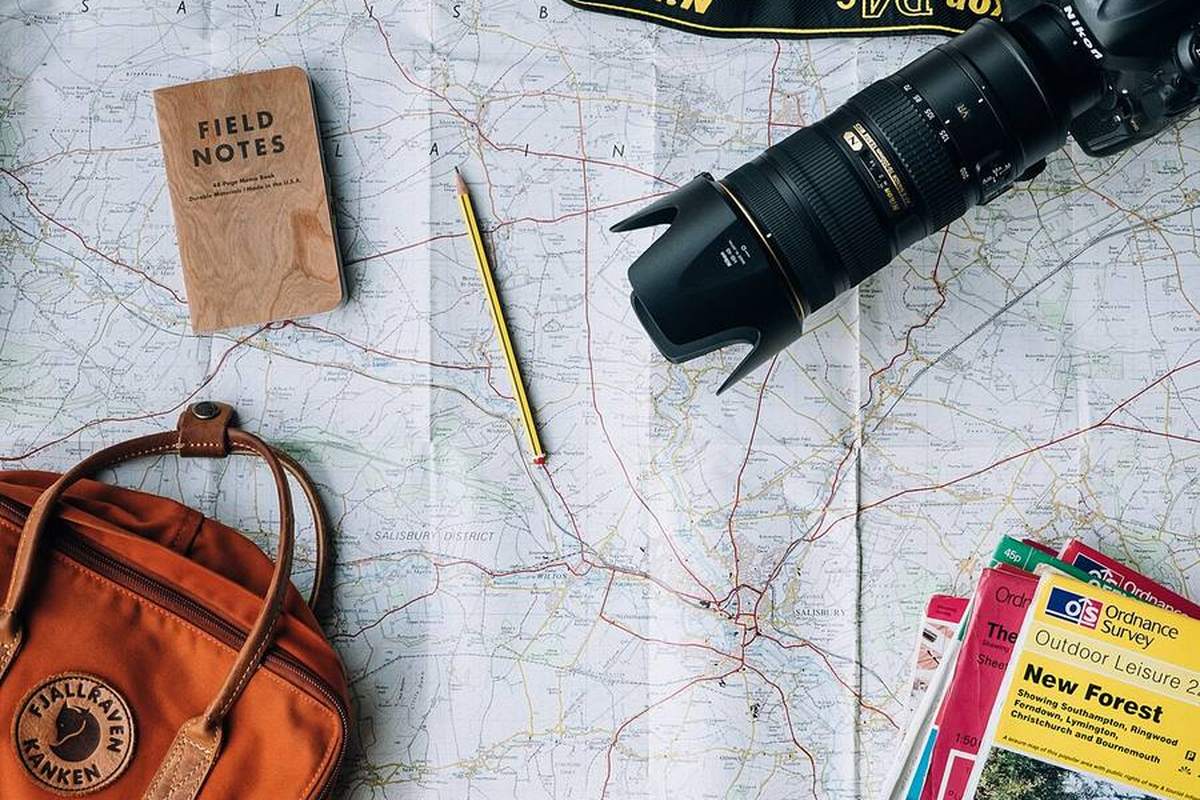
The idea for my two-week Balkans trip started on a quiet afternoon in Lisbon, staring at a map of southeastern Europe. I had been reading about the rugged Dinaric Alps and the Ottoman footprints in Sarajevo's old town, and I knew I had to see it for myself. That was how my Serbia, Bosnia, and Montenegro journey was born: a slow, overland loop that would take me from Belgrade's lively street cafes to the shimmering Bay of Kotor, with plenty of unexpected stops in between. This is my Balkans travel story, and I'm telling it the way I experienced it: diary-style, with all the wrong turns and happy accidents.
Why this route? I had traveled a bit in Croatia before, but I wanted to go deeper into the region where the landscapes shift from rolling hills to dramatic canyons, and where every town seems to have a story from a different century. Serbia appealed to me for its vibrant local life and relaxed pace; Bosnia for its layered history and warm hospitality; and Montenegro for its breathtaking coast and mountain escapes. I decided to travel by bus and shared rides, staying in family-run guesthouses and eating where the locals ate. For anyone looking for a two week Balkans diary that feels less like a checklist and more like a journey through living cultures, this trip delivered.
What follows is not a polished travel guide, but a personal account of the places that surprised me, the people who shared their stories over strong coffee, and the practical lessons I learned on the road. If you are thinking about a Balkan road trip vlog or traveling Bosnia alone, you will find honest reflections here. But mostly, it's just one traveler's notes from the heart of the Balkans.
Serbia - The Unexpected Star
Night Train to Belgrade: First Impressions
The moment I boarded the night train from Budapest to Belgrade, I knew this wouldn't be a typical European rail journey. The carriages were worn but cozy, with compartments that clicked and swayed through the dark. Around midnight we reached the Serbian border, where a uniformed officer walked through collecting passports with a flashlight, waking everyone up. It felt like a scene from a Cold War film, and I loved it. By the time I stepped onto the platform at Belgrade's main station just after sunrise, I was already deep into my Balkans travel story.
Navigating the city streets that first morning was a gentle chaos. Sidewalks were uneven and pedestrian crossings felt more like suggestions, but the city buzzed with a raw energy I hadn't expected. I dropped my bags at a small guesthouse near Skadarlija, the bohemian quarter, and set out to wander. The smell of grilled meat from a kafana mixed with diesel fumes and the sound of tram bells. A man sweeping his doorstep smiled and said 'Dobro jutro' with such warmth that I immediately felt less foreign.
That first day erased every stereotype I had carried. Locals in a bakery helped me order burek with yogurt when my Serbian failed completely. A woman at the market insisted I try her homemade ajvar before buying. These small moments of Balkan hospitality softened the initial cultural shock. My two week Balkans diary began exactly here, in this unlikely star of a city, and I knew I had made the right choice skipping the more polished capitals for this layered, genuine place.
The night train Belgrade experience set the tone for everything that followed. Arriving by rail, with the border crossing and the worn compartments, connected me to the region in a way a flight never could. This was Serbia local life at its most honest. Not a curated tourist version, but a city that wakes up slowly and welcomes strangers before they have even properly arrived.
Driving Serbia: Hospitality, Homemade Rakija, and a Grandma's Kitchen
I collected my rental from Belgrade Nikola Tesla Airport, a small hatchback that would carry me through three countries. Driving out of the capital I felt familiar first-day jitters, but within an hour the landscape opened into rolling farmland. At a roadside fruit stand near Sabac, the elderly vendor waved aside my coins and gestured toward her house. Before I knew it I was sitting at a wooden table while a grandmother in a floral apron set out a plate of kaymak, a jar of pickled peppers, and a loaf of crusty bread.
She poured two small glasses of slivovitz, the plum brandy that works as both welcome and cure-all in Serbia. Toasting with her, I experienced what locals call 'Balkan hospitality' - a generosity so natural it needs no translation. She brought out a wheel of homemade cheese wrapped in cloth, slicing it with a knife from her apron pocket. Between smiles, hand gestures, and my halting Serbo-Croatian from a phrasebook, we shared an hour of genuine connection.
That lunch shaped my trip more than any monument. It showed me Serbia local life at its warmest and became the defining memory of my Serbia Bosnia Montenegro trip. I drove away full of cheese and gratitude, understanding why travelers keep returning to this corner of Europe.
Bosnia - Soulful and Surprising
Mostar's Old Bridge and the Turkish Coffee Culture
I spent my first afternoon in Mostar walking the Old Bridge, Stari Most. The stone arch felt solid under my feet as I stopped mid-span to watch the Neretva River below, turquoise and fast-moving. The cobbled streets leading away from the bridge were packed with small stalls and shops, each one spilling over with brass coffee sets and hand-painted ceramics. I let myself wander without a map, ducking into a narrow alley that opened onto a quiet square.
Near the square, a tiny cafe with a single table caught my eye. The owner, an older man with a calm smile, invited me to sit. He brought out a tray with a traditional dzezva, a long-handled copper pot, and two small cups of Turkish coffee. I had read about the ritual, but experiencing it was different. He showed me how to pour slowly, letting the grounds settle, and we drank in silence before talking about the city's history and how the bridge was rebuilt after the war. He didn't rush me or try to sell me anything.
That moment defined Balkan hospitality for me. Traveling Bosnia alone had felt a bit daunting before I arrived, but the genuine warmth I received everywhere, especially from strangers like that shop owner, erased any worry. This wasn't a transaction; it was a genuine welcome. It became one of the highlights of my journey, a simple coffee shared with a local that made the whole trip feel connected.
Back on the cobbled streets, I felt grateful for the pause. Coffee culture here is about slowing down and making room for conversation, something I tried to carry with me for the rest of my Serbia Bosnia Montenegro trip. The Old Bridge is stunning, but it was the people around it that made Mostar truly soulful.
Sarajevo: Street Dogs, Rafiki Cafe, and War Stories
Sarajevo hit me like no other city on this Balkans travel story. One minute I was in the Ottoman old town with its cobbled lanes and copper workshops, the next I rounded a corner and found myself facing grand Austro-Hungarian facades. Getting lost here wasn't frustrating. It was the whole point. That line where East meets West isn't a metaphor; it's a street corner you can stand on.
I stumbled into Rafiki Cafe near the Miljacka River, drawn by the sight of two street dogs sprawled across the outdoor cushions. The owner greeted them by name and brought out bowls of water before taking my order. Rafiki Sarajevo is the kind of place you find by accident and never forget. While I sipped my coffee, a traveler nearby was filming shots for a Balkan road trip vlog, and I realized we were all chasing the same thing: real moments in a city that doesn't perform for tourists.
The War Tunnel Museum sits in a house that used to be a family home. Walking through that dark, narrow passage built under the airport runway, I understood something no guidebook could teach. My diary has plenty of beautiful landscapes, but this was the part that stayed with me. The resilience of people who dug a tunnel with shovels just to keep their city alive. That kind of history doesn't fade. It becomes part of how you see the world.
Montenegro - Coast and Karst
Kotor Bay: Fishing with Locals and Sunset at Budva
The morning I spent fishing in Kotor Bay with a local guide named Marko became one of the most memorable parts of my Serbia Bosnia Montenegro trip. He picked me up from the Old Town before sunrise, and we motored past the mirrored water toward the Verige strait. Marko showed me how they use a simple handline here, no fancy rods, just line, hooks and patience. Within an hour we had enough for lunch: two sea bass and a few small bream. He talked about growing up on the bay, watching cruise ships slowly reshape the economy, and how he still prefers selling his catch to a few trusted restaurants rather than working tourism full-time. That quiet pride in local life is exactly what I hoped to find on my two week Balkans trip.
Back on shore, Marko cleaned the fish right on the dock and cooked them over a tiny charcoal grill he keeps near the boathouse. Nothing but olive oil, coarse salt, and a squeeze of lemon. We ate sitting on plastic chairs, the fish still flaking off the skin, with a simple tomato and onion salad and crusty bread. A neighbor stopped by with a bottle of homemade rakija. That meal reminded me that traveling slow means earning moments like this. No restaurant can replicate sitting by the bay eating what you caught an hour earlier.
That evening I drove the winding coastal road to Budva, about twenty minutes south. I found a spot on the wall near Mogren Beach just as the sun started sinking into the Adriatic. The limestone of the island of Sveti Nikola turned gold, then soft pink, then violet. Couples clicked selfies, kids chased seagulls, and I just sat there letting the salt air settle in my hair. The sunset Budva is famous for is real, no filter needed. If you are looking for a Montenegro coast experience that combines genuine connection with people and postcard-perfect scenery, Kotor Bay and Budva back to back deliver exactly that.
Wild Swimming in the Adriatic and Mountain Drives
After days of fortress climbing and monastery visits, what I wanted most was to feel the Adriatic on my skin. We found a cove near Perast, accessible only by a short scramble down a rocky path. No sunbeds, no cafes. Just limestone slabs sliding into impossibly clear water. That first wild swim of my Serbia Bosnia Montenegro trip was a jolt of pure cold joy. I floated on my back, staring up at the cliffs and thinking that this was the moment I would remember longest.
The next day, we tackled the serpentine roads above Kotor. I have driven mountain passes in a dozen countries, but nothing prepares you for the Kotor Serpentine. The road clings to the cliffside in tight switchbacks, each one revealing a wider slice of Boka Bay below. The water was a deep sapphire split by a knife, so still and shimmering. I pulled over twice to let my white-knuckled hands relax and to breathe in the view. It felt like being inside a Balkan road trip vlog, but realer and quieter.
At the top, the view swallowed us whole. The entire bay spread out like a wrinkled map, with the old town of Kotor huddled at its base. We sat on a stone wall and watched a ferry crawl across the water, leaving a silver wake. A local man stopped and named the surrounding peaks one by one, pointing with the easy pride of someone who grew up here. That, to me, is the Montenegro coast experience: not just the scenery, but the genuine hospitality that comes with it. We stayed until shadows stretched across the bay, then drove back down the serpentine as dusk settled over the water.
Practical Lessons from the Balkan Road
Navigating Border Crossings: Patience Is Key
The longest part of my drive from Belgrade to Sarajevo wasn't the distance. It was the border crossing. Two hours of idling under a hazy sun, watching cars creep forward in a line that snaked half a kilometer from the booth. A local truck driver rolled down his window and shrugged: 'Friday afternoon. Always chaos.' That two-hour wait became the defining moment of my Serbia Bosnia Montenegro trip, the first real test of slow travel patience.
After that experience I learned a few things that made later crossings smoother. Keep your passport and vehicle registration papers within arm's reach, not buried in a backpack. Many border officials ask for proof of insurance and the car's green card, so have those ready too. Avoid peak times. Midweek mornings are much faster. And if you can cross at smaller border posts like the one at Zvornik rather than the main highway crossing, the line can shrink from two hours to twenty minutes.
That border wait shaped how I saw the rest of my two-week Balkans diary. It reminded me that the journey itself, not just the destination, is part of the story. Standing in line watching families share sandwiches and drivers swap tips about road conditions, I realized that even the delays have something to teach you about Balkan hospitality and the rhythm of life here. Pack snacks, bring water, and treat every stop as part of the adventure.
What I'd Do Differently - Budget, Packing, and Mindset
Looking back at my two week Balkans diary, the biggest lesson is that I over-planned the budget and under-planned the experience. I had set aside €50 per day for three countries - Serbia, Bosnia, and Montenegro - but daily costs varied wildly. In Belgrade, I spent €35 on a hearty dinner with live music, while in the mountains of Bosnia I paid €8 for a home-cooked meal. I wish I'd budgeted more loosely and saved the surplus for spontaneous detours, like the day I stumbled into a village festival near Mostar.
Packing was another misstep. I brought a large suitcase with clothes for every weather scenario. What I actually needed was a 40-litre backpack and half the items. The cobblestone streets of Kotor and the stairs of Sarajevo's old town made wheeling a suitcase a daily frustration. Next time, I'll pack only what fits in a carry-on and leave room for a bottle of local rakija to bring home.
The most important shift in mindset would be embracing the slow route. I tried to cover too many towns in two weeks. The best moments - lingering over coffee in a Novi Sad bakery, getting lost in the lanes of Budva's old town - came when I stopped rushing. My Serbia Bosnia Montenegro trip taught me that this region rewards spontaneity. The hospitality I received from a family in a small village near Trebinje reminded me that the unplanned interactions are what make a Balkans travel story memorable.
If you're planning a similar trip, keep your itinerary loose, pack minimally, and trust that the journey itself will teach you what you need to know.
Until Next Time, Balkan Peninsula
Looking back on my Serbia Bosnia Montenegro trip, a handful of moments define everything else. Crossing from Serbia into Bosnia felt like stepping through a door into another century, with minarets and church towers sharing the skyline. I remember sitting in a tiny Belgrade kitchen, sipping rakija with a couple who insisted I stay for lunch. That was a perfect taste of Serbia local life. In Bosnia, the silence of the Old Bridge in Mostar at sunrise spoke louder than any guidebook text ever could. And the Montenegro coast experience, sharp salt and pine near Kotor Bay, became the soundtrack of my quietest afternoons. These are not just snapshots. They are the real two week Balkans diary I will keep forever.
What makes this Balkans travel story special is not the monuments but the encounters. A family in Sarajevo pulled us into their evening stroll through Bascarsija, sharing stories without asking for anything. A Montenegrin fisherman gestured to the mountains from his boat, and we understood each other completely without a word. Traveling with my husband and young daughter, I saw the region through their eyes too: her delight at a stray cat, his deep curiosity about layered histories. These unexpected moments taught me that genuine connection needs no common language. The Balkan hospitality I felt in each country humbled me and reshaped my understanding of travel itself.
If you are hesitating about planning your own trip, stop. Pack a bag and go. The Balkans do not require a perfect itinerary. They reward openness and spontaneity. Whether you want to make a Balkan road trip vlog or simply fill a journal with impressions, you will find stories waiting around every corner. The beauty of this corner of Europe is that it remains uncrowded and genuine; you feel it in every village and every shared meal. The people, the landscapes, the layered past together create a region that lingers in your bones. Until next time, Balkan Peninsula. You have left your mark on me, and I know I will be back.
Official sources
Details worth verifying before you go — checked against:
Travel Writer & Editor
Emily Johnson writes and edits Do Travel Blog. Every guide on the site starts the same way: with a question she actually had while planning — when to book, which pass to buy, how to get from A to B without overpaying. Where a number matters, she cites the source: park tickets link to the park's own fee page, visa rules to the official consulate, ferry times to the operator. Prices get re-checked against those pages before each update, and a guide is re-dated when its numbers move. Nothing here is sponsored — she doesn't accept payment for coverage. Spotted something stale or wrong? Email hello@dotravel.blog and she'll fix it.