Best Ways to Exchange Currency Without Losses
I've traveled to 30+ countries and tested every method. Discover my personal strategies to exchange currency without paying hidden fees and find the best currency exchange services.
Why Exchanging Currency Often Means Hidden Losses
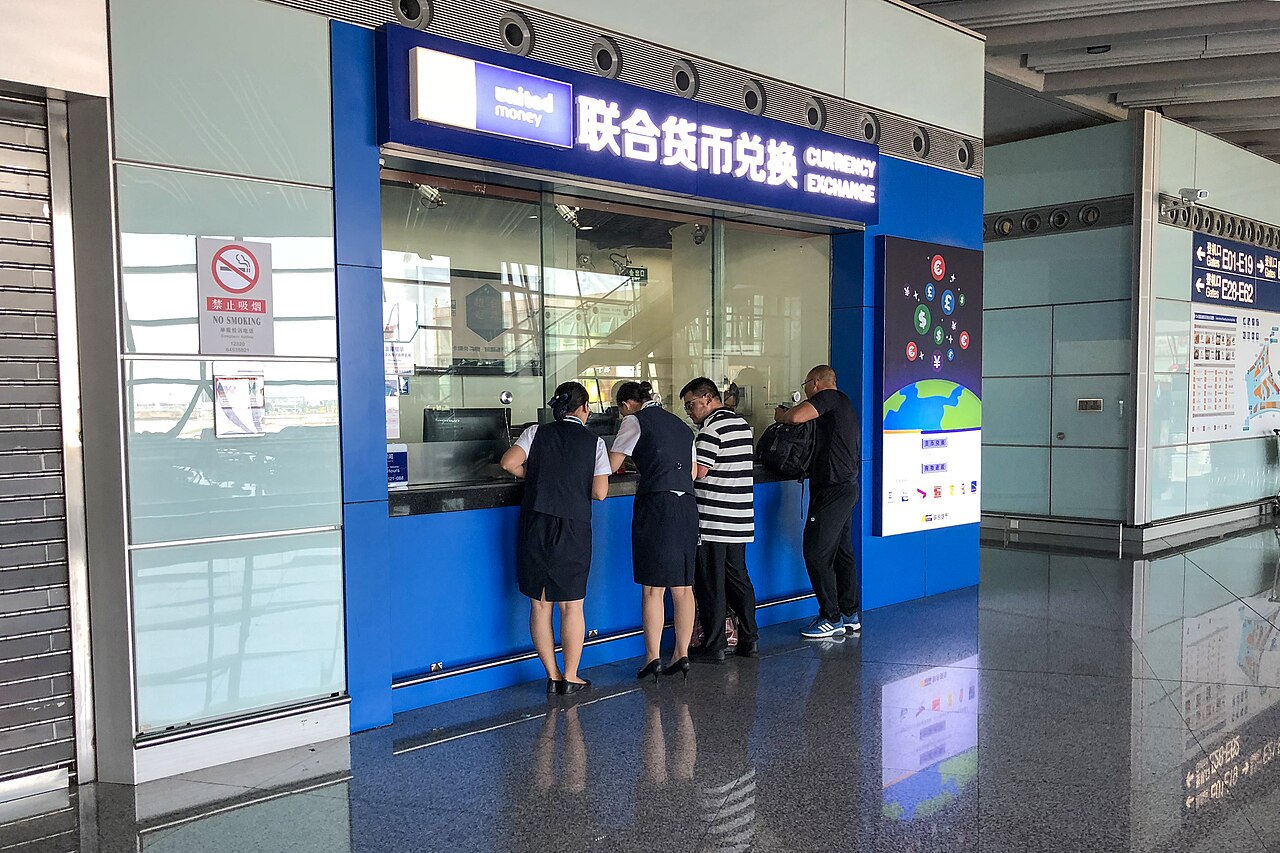
Photo: N509FZ / CC BY-SA 4.0 / Wikimedia Commons
I still remember handing over a crisp stack of US dollars at a currency exchange kiosk in a London train station during my first solo trip abroad. The cheerful exchange rate on the board looked fine, but it was only weeks later, when I tallied my travel budget, that I realized I had lost nearly 12 percent to a combination of a poor rate and a flat fee I had not noticed. That painful lesson taught me something most travelers learn the hard way: the standard ways to exchange currency often come with hidden losses that quietly eat into your spending money.
Research and my own experiences since then have shown that tourists routinely lose between 5 and 10 percent on every transaction. The culprits are everywhere: airport kiosks with inflated rates, bank counters that charge a percentage on top of a mediocre mid-market rate, and ATMs that offer dynamic currency conversion with a terrible spread. The worst part is that many travelers never realize how much they are giving away because the fees are buried in the exchange rate itself rather than listed as a separate charge.
In this article, I share the best currency exchange methods I have tested across more than a dozen countries, from digital tools to old-school bank accounts. My goal is to help you exchange currency without fees or with minimal, transparent costs so you can keep your travel budget intact. Whether you are planning a weekend getaway or a long-term trip, these strategies will save you real money.
How Currency Exchange Fees Really Work

Photo: N509FZ / CC BY-SA 4.0 / Wikimedia Commons
The Spread is Where Banks Make Profit
The most important concept to understand when you want to exchange currency without fees is the exchange rate spread. It is not a hidden fee but a built-in profit margin that banks and exchange offices add to every transaction.
Here is how it works: the bid-ask spread is the difference between the buy and sell rates. Banks and exchange offices give you a rate that is worse than the interbank rate, the rate banks trade among themselves. The gap is where they profit. From my personal experience exchanging currency, a bank counter spread ranges from 2% to 5%, while airport kiosks can hit 8% or more, especially for less common currency pairs. For common pairs like EUR/USD, the spread is usually tighter, but I have seen it jump to 10% at airport exchange counters.
Spreads also vary by location. When I exchanged US dollars for Thai baht in Bangkok, the spread was noticeably wider than when converting euros in Portugal, simply because of lower liquidity. Taking a few minutes to compare rates across providers can alert you to excessive spreads and help you avoid hidden costs.
Understanding the spread is the first step to exchanging money well. By using services like Wise or Revolut that offer rates close to interbank, you avoid excessive spreads and keep more of your money for travel. In my experience, this is the single most effective currency exchange tip to save money on travel. Checking the mid-market rate on a currency converter before you exchange is a quick habit that prevents overpaying.
Hidden Fees You Might Miss
The trickiest part about exchanging currency is that the biggest costs are not always labeled clearly. Here are the most common hidden fees I have encountered:
- Commission fee: a flat or percentage charge added on top of the rate.
- Service fee: a handling fee often buried in the fine print.
- Delivery fee: a charge for sending cash to your home or hotel.
Some exchange offices lure customers with '0% commission' banners, but they make up for it with terrible rates. The spread between buy and sell rates can be so wide that you lose far more than a small commission would have cost. I once saw an office in Prague offering 'zero fees' but the rate was nearly 5% below the market mid-rate.
Dynamic currency conversion (DCC) is another trap, common at ATMs and card terminals abroad. When you are asked if you want to pay in your home currency or the local one, always choose the local currency. DCC uses a poor rate set by the merchant, effectively adding a hidden fee of 3-6%. Avoiding DCC is one of the simplest ways to exchange currency without fees and keep more of your money.
Best Banks for Currency Exchange: What I Learned
Using Your Home Bank vs Local Bank Abroad
When I first started traveling, I assumed my home bank was the safest place to get cash abroad. That assumption cost me. I remember standing at an ATM in Bangkok, withdrawing 10,000 baht. The machine spat out my cash, and when I checked my account later, I saw a foreign transaction fee of 3%, plus a flat ATM fee of $5 from my bank, and another 220 baht charge from the Thai bank that owned the machine. That single withdrawal set me back nearly $18 in fees before I even spent a coin.
After that experience, I learned that using your home bank's debit card at a foreign ATM is almost always one of the worst ways to exchange currency. Most traditional banks charge a foreign transaction fee (typically 1-3%) and an out-of-network ATM fee. The foreign bank also tacks on its own surcharge. You end up paying twice for the convenience.
A better approach is to open a multi-currency account with a travel-friendly provider before you leave. Services like Wise and Revolut offer the real mid-market rate with low, transparent fees. You can hold multiple currencies in one account and withdraw from local ATMs with minimal or no fees. I now use Wise for most of my currency exchanges, and it's saved me hundreds of dollars over the years.
If you prefer sticking with a bank, look for one that reimburses international ATM fees or offers no foreign transaction fees. Compare their exchange rates against the mid-market rate before you go. In my experience, the best currency exchange methods combine a travel-friendly bank account or app with careful planning. When weighing banks vs exchange offices, I've found that a good multi-currency account beats both for convenience and cost.
Bank Rate Comparison: Which Banks Offer the Best Rates?
When I started comparing rates across different countries, I quickly realized that not all banks treat currency the same way. In the UK, Barclays and Lloyds typically offer rates that are around 2-3% below the mid-market rate, while in the US, Bank of America and Chase often add a 3% fee on top of a less favorable rate. European giants like Deutsche Bank and BNP Paribas tend to be slightly better, but still nowhere near the rates you can get from online-first banks.
That's where Monzo and N26 come in. I've used Monzo in the UK and N26 across Europe, and both apply the Mastercard exchange rate with zero commission - that's usually within 0.5% of the real mid-market rate. In the US, online banks like Ally and Charles Schwab also offer much narrower spreads than traditional brick-and-mortar branches. The difference really adds up: on a 500 GBP exchange, you could save around 10-15 GBP just by choosing the right bank.
One habit I picked up early: always check the daily interbank rate before you exchange. I use a simple currency converter app to see the true rate, then compare what the bank offers. That five-minute check has saved me a surprising amount over dozens of transactions. Whether you're using a traditional or online bank, knowing the baseline helps you spot a bad deal instantly.
Prepaid Travel Cards: Are They Worth It?
I tried prepaid travel cards from Travelex and Caxton on different trips, and they taught me something useful about how to handle currency for my kind of travel. With Travelex, I locked in a rate before leaving Lisbon, which felt safe, but I got hit with a reload fee of around 2.5 percent when I topped up mid-trip. Caxton had no reload fee and let me hold multiple currencies, but their rate was consistently 1-2 percent below the mid-market rate. Neither card let me exchange currency without any fees, but they did help me stick to a fixed budget.
- Pros: Locked-in rates protect against bad shifts, easy to track spending in one currency, and some cards have no ATM fees.
- Cons: Reload fees often eat into savings, you lose money on unused balances if you forget to spend down, and the card itself may cost 5-10 dollars to buy.
When does a prepaid card beat a regular debit card? For long trips where you do not want to check rates daily, a loaded prepaid card can be a cheap way to exchange currency. But for a short city break, I prefer a no-fee debit card from Wise or Revolut. Before loading any card, I always use a currency converter to compare the offered rate against the real mid-market rate. That quick step is the real trick to avoiding exchange fees, no matter which card you use.
Top Currency Exchange Apps: Wise vs Revolut and More
Wise (formerly TransferWise): The Gold Standard for Transfers
I remember the first time I used Wise to pay for an apartment rental in Barcelona. The transaction felt almost too easy. I sent euros from my US account and the landlord received them the same day, with no hidden markup. Over the years, I have depended on Wise for everything from train tickets in Italy to grocery runs in Lisbon. That initial experience convinced me that this is one of the best currency exchange methods for anyone who needs to move money across borders without losing a chunk to fees.
Wise operates on a refreshingly simple model: you always get the real mid-market rate, the same one you see on Google. A small, transparent fee is shown before you confirm the transfer, and that is it. No hidden margins, no surprise charges. This honesty is why I recommend Wise to fellow travelers asking how to exchange currency without fees. For my experience currency exchange, nothing else comes close in terms of clarity and fairness.
The multi-currency account lets me hold balances in over 40 currencies, and the borderless debit card allows me to spend directly from any of those balances. Before a trip to Warsaw, I loaded the account with Polish zloty when the rate was favorable, locking it in for the entire stay. It is a practical way to avoid exchange fees while keeping the flexibility to switch currencies as plans change.
When people ask about Wise vs Revolut for international payments, I point out that Wise wins for straightforward transfers and spending with zero markups. If your goal is to save money on travel and compare rates with confidence, opening a Wise account is one of the most reliable currency exchange tips I can offer.
Revolut: All-in-One App with Exchange Features
I've used Revolut for several years now, mostly for small daily purchases during my travels in Europe. Their free exchange plan covers up to 1,000 pounds (or equivalent) per month at the real mid-market rate, which was enough for most of my short trips. That alone makes it one of the best currency exchange methods for avoiding fees on everyday spending.
When I needed to exchange more than the limit on a longer trip, I upgraded to the Premium plan for a flat monthly fee. But the weekend surcharge caught me off guard: Revolut adds a 1% fee on Saturdays and Sundays when markets are closed. I learned to schedule my exchanges on weekdays to avoid the surcharge.
In the Wise vs Revolut comparison, my experience is that each shines in different situations. For travel spending, Revolut wins for convenience, since you can hold and spend multiple currencies in one app. For larger transfers, though, Wise is cheaper because it uses the mid-market rate without any weekend surcharges. When I needed to send a security deposit to an apartment in Portugal, Wise saved me about 12 euros in fees. So the best currency exchange services depend on your specific need: use Revolut for small, frequent exchanges, and switch to Wise for lump sums. My tip is to keep both apps on your phone and pick the right one for each transaction.
Other Apps Worth Considering
Beyond Wise and Revolut, I have tested CurrencyFair, OFX, and even PayPal for different situations. CurrencyFair uses a peer-to-peer matching system that can get you close to the mid-market rate if you are willing to wait for a match. I used it once to send GBP 2,000 to a friend in Australia, and the final rate was within 0.3% of the interbank rate, noticeably better than what a high street bank would have offered. OFX, on the other hand, charges no transfer fees and works well for amounts above USD 1,000. I have used OFX twice for larger transfers (around EUR 5,000 each) and the rates consistently beat what my Portuguese bank quoted. PayPal is the most convenient option when you need speed, but its rates are roughly 3-4% above the mid-market rate, acceptable for small emergency payments but ruinous for anything bigger.
The key difference between these apps is their sweet spot. CurrencyFair and OFX shine for larger transfers where the rate difference adds up significantly; OFX even lets you set a target rate and executes the transfer automatically when that rate is hit. For daily spending abroad, coffee, transit, small purchases, I stick with Wise or Revolut because they let me hold multiple currencies and spend directly from my phone. No app does everything perfectly, but if I had to pick one all-around winner for general travel, it would still be Wise. Their rate transparency and low fees make them the best currency exchange service for most travelers who want to avoid fees eating into their budget.
Exchange Offices and ATMs: Tips and Traps
How to Spot a Tourist Trap Currency Exchange
The easiest places to lose money are the ones you trip over. Airport counters, hotel front desks, and busy tourist streets all charge premium rates disguised as convenience. I found this out in Ho Chi Minh City when I handed $200 to a cheerful cashier on Pham Ngu Lao Street and got back dong worth roughly 15 percent less than the mid-market rate. The sign read '0% commission,' but that just meant the profit was hidden in the spread.
To keep costs down, you need to read the rate board with a critical eye. Look at the buying and selling columns. The difference between them is the spread. A fair spread is under 3 percent. Anything wider is a tourist trap. Always ask direct questions: 'What is your spread compared to the mid-market rate?' and 'Are there any additional fees?' If they dodge the answer, leave. Compare rates on your phone using XE or your bank's converter before handing over cash.
The best habits start before you leave home. Check the mid-market rate online and use a local bank ATM on arrival. After my Vietnam mistake, I switched to a reputable bank's ATM and saved nearly 10 percent on every withdrawal. A few minutes of research can turn a costly trap into a fair deal.
Using ATMs Abroad Without Losing Money
Whenever I need cash abroad, I make it a rule to find ATMs belonging to major local banks rather than the flashy independent kiosks you see near tourist attractions. In Berlin, one of those independent machines would have charged me a flat 5 euro fee on top of a terrible rate. Walking two blocks to a Deutsche Bank ATM saved that cost entirely. It is one of the simplest currency exchange tips I give to anyone starting out: stick with the big-name bank machines and you already avoid the worst exchange fees.
The next trap is dynamic currency conversion (DCC). When the ATM screen asks if you want to be charged in your home currency, always select local currency instead. I made that mistake once in Bangkok and lost roughly 4% on the spot. Since then I always decline it. The terminal will still complete the transaction, but using the local exchange rate is almost always cheaper.
Finally, check if your own bank reimburses foreign ATM fees. I travel with a Charles Schwab checking account because it refunds all ATM charges worldwide, no questions asked. That alone makes it one of the best currency exchange services for frequent travelers. If your bank does not offer that, consider opening a fee-free account before your next trip.
When to Use Local Exchange Bureaus
I have exchanged cash at local exchange bureaus in many countries, and two experiences still guide my approach. In Argentina, a tip from a hostel worker in San Telmo led me to a small family-run cambio. They offered the blue dollar rate, nearly double the official rate, with no extra fee. In Japan, a bureau in Shinjuku that looked professional charged a flat 500 yen fee plus a 3 percent spread on the rate. That mistake taught me to read every line before handing over money. To find trustworthy offices, I now rely on expat forums like NomadList and local Facebook groups. Travelers share specific names, addresses, and recent experiences. I also check Google Maps reviews for terms like 'fair rate' or 'no hidden fees.' Searching for 'cheap currency exchange [city]' brings up a short list I can verify quickly.
Before visiting any bureau, I open a currency converter app like XE and note the mid-market rate. Then I compare the bureau's posted rate, many display it online or on a board outside. If the spread exceeds 2 percent, I walk away. This simple practice has saved me from overpaying. While you cannot always exchange currency without fees, keeping the spread small is your best option. For small cash needs on arrival, a reputable bureau works well, but for larger amounts I use Wise or Revolut. In my experience, the best currency exchange methods involve comparing online rates with physical bureau rates before committing. A few minutes of research can prevent a costly mistake.
Strategies to Exchange Currency Without Losses
Timing Your Exchange: When Rates Are Best
I start tracking exchange rates at least three weeks before a trip. Checking the trend on a currency converter app takes two minutes, and a single percentage point shift can save you twenty or thirty dollars on a typical withdrawal. I use the rate-alert feature in Wise to get an email when the rate reaches my target. That way I lock in a favorable rate without refreshing the screen all day.
The worst times to exchange are at airport counters and on weekends. At a Heathrow kiosk last year the spread was over four percent below the mid-market rate. Weekend rates are usually worse because fewer services are open and they can charge whatever they want. If you plan ahead and let an app do the watching, you can exchange without fees eating into your budget. Timing is one of the simplest ways to save money on travel, and it requires almost no effort once the alerts are set.
Comparing Rates Across Platforms Before You Exchange
I never exchange money without checking the live mid-market rate first. That single step has saved me hundreds over years of slow travel. Apps like XE and OANDA give you a real-time baseline with no markup and no hidden fees. I type in the amount I plan to convert and jot down the number on my phone.
Then I compare that baseline against three sources: my current bank's exchange rate plus any foreign transaction fees, a multi-currency app like Wise or Revolut, and one local exchange office. I write each offer in my notes. The gap between the mid-market rate and what each source offers tells me exactly how much I will lose. Usually the app comes out ahead, but I have found local banks that beat it for certain currencies, especially in parts of Southeast Asia.
The best way to exchange cheaply is to know the baseline. Once you have that, spotting a bad offer takes seconds. I never accept the first rate I see, and I always ask exchange offices if they can do better on larger amounts. Five minutes of comparing often saves 2 to 5 percent.
In my experience, the best results come from comparing rates across platforms. Do it while you still have WiFi before leaving the hotel, and you will travel with confidence.
Using Credit Cards Wisely to Avoid Fees
I have relied on credit cards more than any other method to exchange currency without fees during my travels. The trick is choosing the right card and knowing how to use it. Cards like Chase Sapphire Preferred and Capital One Venture Rewards charge no foreign transaction fees, which immediately saves you the typical 3% that most cards add to every purchase abroad. Over a month-long trip, that difference adds up to real money you keep in your pocket.
The most important rule I follow is always paying in the local currency, never in my home currency. When the card machine asks if you want to pay in dollars or euros, choose euros. If you pick dollars, the merchant's bank applies its own rate and fee, which can be far worse than what your card's network would give you. I have seen markups of 4-7% in some places just from accepting that prompt. It takes a second to tap the local option, and it saves you the same 3-5% immediately.
Beyond avoiding fees, rewards cards can actually turn your spending into a gain. The same Chase Sapphire Preferred earns me 3x points on dining and travel, which I later redeem for flights or hotel stays. Since I pay no transaction fees abroad, those points are pure profit on purchases I would make anyway. Just make sure your card has no annual fee that outweighs the benefits, or pick one where the rewards clearly exceed the fee.
For anyone looking to exchange currency without losses, a no-foreign-fee credit card used in local currency mode is the single most effective tool I have found. Pair it with a backup option like a fee-free debit card for cash and you cover nearly every situation.
Final Thoughts: My Best Advice for Exchanging Currency Without Losses
After testing these strategies across a dozen countries, I keep coming back to the same core habits. I use Wise for most transactions, I never exchange at airport kiosks or hotel desks, and I always take two minutes to compare rates online before handing over any cash. These three practices alone have saved me hundreds of dollars in fees and poor rates over the years.
If you are planning a trip soon, pick just one of these methods: open a Wise account or commit to checking Google for the local mid-market rate before each transaction. You do not need to overhaul everything at once. Even small consistent steps will help you avoid fees on most of your spending.
Through my experience, currency exchange does not have to be stressful if you treat it as part of your trip planning rather than an afterthought. The few minutes you invest in comparing options will pay off in more meals, train tickets, or experiences once you arrive. That is the real reward, and it is why I keep returning to these methods.
Official sources
Details worth verifying before you go — checked against:
How I verify what's on this page
Every method in this guide carries a number that can quietly go bad — a card fee that went up, an exchange spread that widened. Before I republish, I re-check each claim against the provider's own fee schedule or rate page, and anything sourced from an official body is linked, not paraphrased. If the numbers have moved far enough to change the ranking, the guide gets re-dated so you know how fresh it is. Something stale on the page? hello@dotravel.blog — I'll fix it.

Travel Writer & Editor
Emily Johnson writes and edits Do Travel Blog. Every guide on the site starts the same way: with a question she actually had while planning — when to book, which pass to buy, how to get from A to B without overpaying. Where a number matters, she cites the source: park tickets link to the park's own fee page, visa rules to the official consulate, ferry times to the operator. Prices get re-checked against those pages before each update, and a guide is re-dated when its numbers move. Nothing here is sponsored — she doesn't accept payment for coverage. Spotted something stale or wrong? Email hello@dotravel.blog and she'll fix it.