Camino de Santiago Guide: The Frances as One Budget System
A Camino de Santiago guide for the Frances route as one budget system: stages, albergues, what a day actually costs, and packing light enough to walk 780 km.
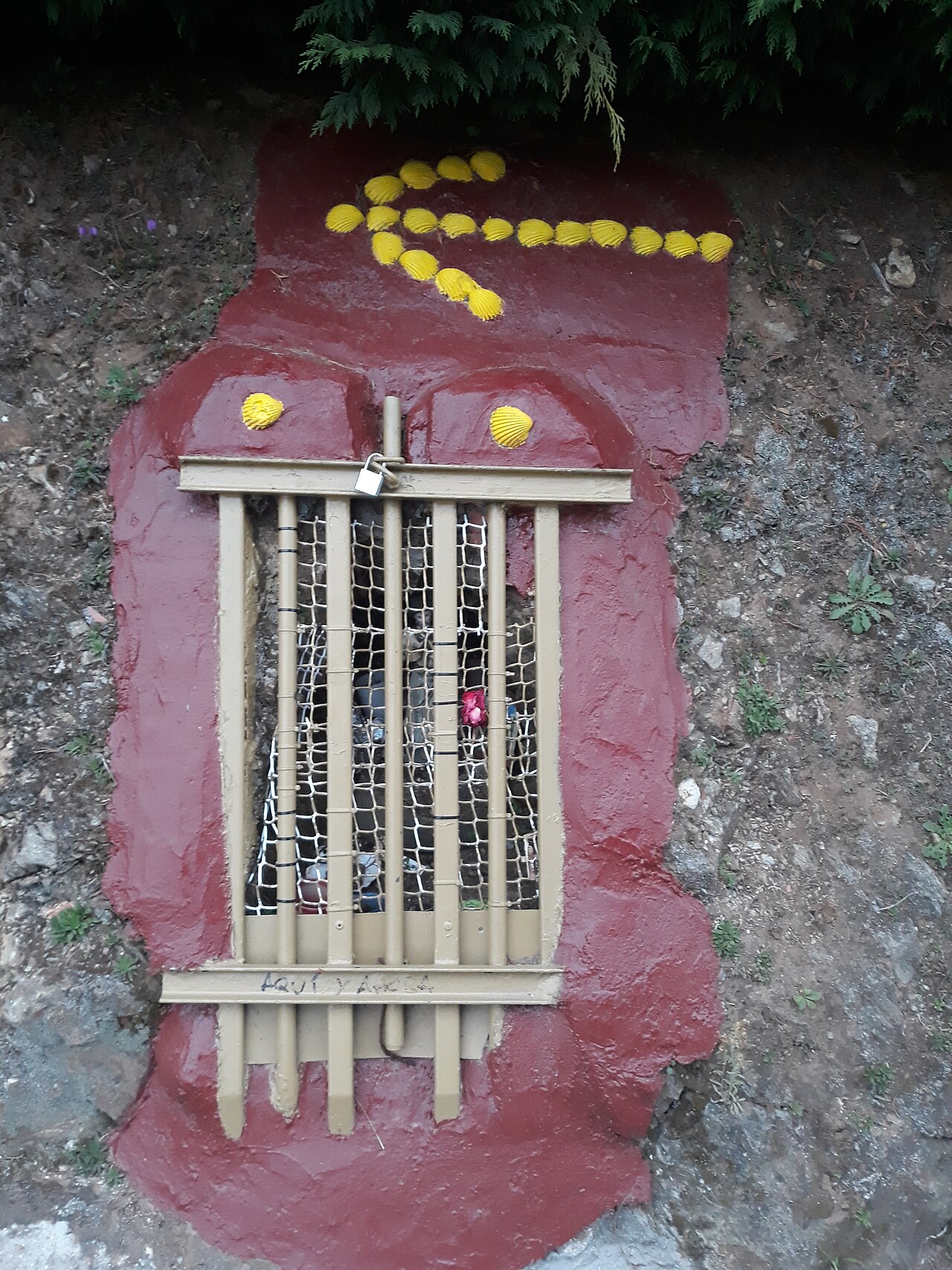
The Camino Francés is about 780 km from Saint-Jean-Pied-de-Port to Santiago, and it works because it's a system: a marked path, a network of pilgrim accommodation, a daily rhythm, and a paper trail (the credential, stamped twice a day, that earns the Compostela in Santiago). Once you understand the system, the route plans itself — which is why this guide is built around the daily loop of walking, eating, and sleeping rather than a town-by-town tour.
The route itself
If you read nothing else before you start, read the complete Frances guide: the full stage structure out of Saint-Jean, how the route distributes its hard days (the climb over the Pyrenees on day one is the big one, then it's rolling Meseta and green Galicia), and where the variant choices sit. I walked it in roughly five weeks with two rest days, and the guide explains why I'd keep that pace rather than push shorter.
Sleeping: the albergue system
Everything about the Camino's cheapness comes from one institution. The albergue guide explains the whole network — municipal, parochial, and private — including the donativo tier, the first-come rules, and why you stop walking by early afternoon in high season. The etiquette matters as much as the price: lights out early, boots at the door, pack the night before.
The honest counterpoint is the albergue versus hotel comparison. I slept in albergues the whole way and would again, but there are specific nights — after the Meseta's heat, or when a private room costs barely more than a bunk in a full room of snorers — where the hotel is not cheating, it's maintenance. The comparison gives the decision rule instead of guilt.
Money: what a day actually costs
The Frances is one of the cheapest long walks on earth, and the numbers back it up. The stages, sleep and cost breakdown pairs typical nightly lodging with the daily spending that goes with it, and the seasonal cost guide shows why the same route costs noticeably more in high summer than in shoulder months — demand, not inflation.
For the ground truth, my own budget account is the receipts version: what I actually spent across the whole walk, where the plan and reality diverged (they diverged at menu del día, and I regret nothing), and the trade-offs I'd repeat. And if you're weighing the Frances against cheaper-seeming lodging strategies, the budget lodging guide maps the whole range from donativo bunks to occasional private rooms.
Packing: the difference between a walk and an ordeal
Every veteran says it and every first-timer ignores it: keep the pack light. Ten percent of your body weight is the common ceiling, and the packing list and gear guide is how you get there — what I carried, what I shipped ahead, and the two items I bought on the road because I'd left something better at home. The list matters more for the Frances than for most treks, because you carry it every single day for over a month.
Official sources
Details worth verifying before you go — checked against:
- Catedral de Santiago — pilgrim office and Compostela requirements
- Pilgrim's Office in Santiago
- Spanish Federation of Associations of Friends of the Camino de Santiago
The daily loop, in short
Walk early, stop for coffee when towns open, lunch is menu del día if it's a big day or bread and cheese if it's not, arrive by early afternoon, shower, hand-wash socks, rest, dinner with whoever you keep bumping into. That loop is the whole trip, and the articles above just optimize its parts.
If you're starting from zero, the order is: the complete guide to pick your dates and pace, the packing list because it changes what you buy before you leave, and the albergue guide so your first night in Saint-Jean doesn't surprise you. Buen camino.

Travel Writer & Editor
Emily Johnson writes and edits Do Travel Blog. Every guide on the site starts the same way: with a question she actually had while planning — when to book, which pass to buy, how to get from A to B without overpaying. Where a number matters, she cites the source: park tickets link to the park's own fee page, visa rules to the official consulate, ferry times to the operator. Prices get re-checked against those pages before each update, and a guide is re-dated when its numbers move. Nothing here is sponsored — she doesn't accept payment for coverage. Spotted something stale or wrong? Email hello@dotravel.blog and she'll fix it.