Iceland Travel Guide: The Ring Road as a System
An Iceland travel guide that treats Route 1 as one system: when to go, how to drive it, where the northern lights fit, and where to sleep cheap along the way.
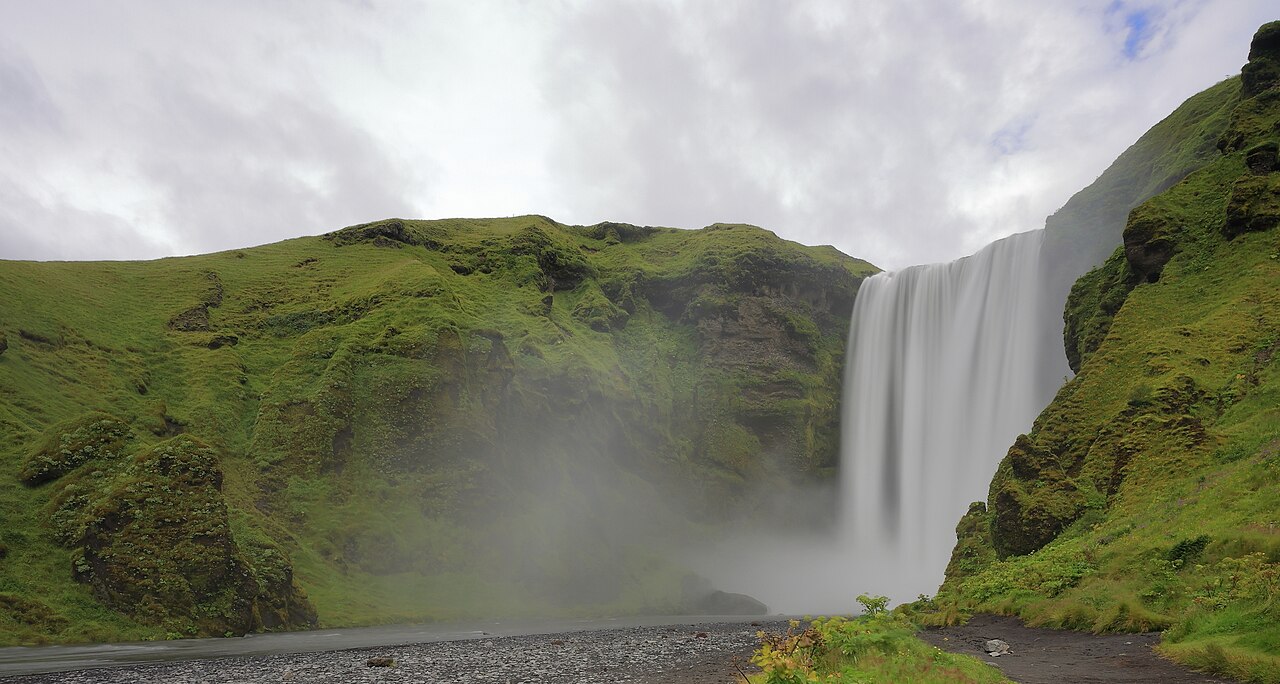
Iceland is the trip where planning matters more than almost anywhere I've been, because the country runs on one road and one weather system. Route 1 loops the island — roughly 1,300 km of it — and nearly every question you'll ask (when to go, which side trips are worth it, whether you'll see the aurora, where you sleep) is really a question about that loop. So this guide treats the Ring Road as a system rather than a list of waterfalls. Get the system right and the trip nearly plans itself.
Start with the frame: how long, which way
The honest answer to "how long do I need" is seven days minimum, and my seven-day itinerary is the compressed version I'd actually run again — it doesn't pretend to cover everything, it picks. If you have the time, the full Ring Road planning piece works through the decisions in order: clockwise or counterclockwise (I went counterclockwise and would again, because the south coast's biggest hitters land in the first days when you still have energy), how many nights per base, and where to cut if weather closes a section.
One opinion up front: don't try the full loop in under a week. You'll spend the trip watching the road instead of the country, and the road is the boring part.
What you're driving past
The attraction-by-attraction guide is the reference for the stops themselves — which falls are worth the parking fee, which gravel-signal side roads pay off, which famous stop I'd skip without guilt (there's at least one, and it's in there). The pattern I noticed: the south coast is dense and crowded, the east is empty and underrated, and the north rewards detours more than the main road does. Budget your time accordingly.
Driving is the main skill
Everything else on this page is secondary to being comfortable behind the wheel, so the driving tips piece is the one article I'd make everyone read before booking. Gravel roads, one-lane bridges, wind that opens car doors like they're made of paper, the single-beep headlight courtesy on blind rises — none of it is hard, all of it is different.
Winter is its own sport. the winter driving and hot springs piece covers how the season changes the road — short daylight windows, closures, the case for a 4x4 — and pairs it with the best cold-weather reward: soaking outdoors while the sky does its thing. I once planned a day around a storm that never came and drove the alternative in glorious sunshine; that's Iceland. Plans are drafts.
The aurora question
Three separate failures taught me that chasing northern lights is a weather-and-moon problem, not a luck problem. the winter northern lights guide is the overview — season, darkness hours, what forecast tools actually matter. the deeper aurora piece gets into the mechanics, and the Vik timing guide narrows it to one dependable south-coast base.
Vik deserves the spotlight it gets: dark skies, an open horizon, and a town small enough that you can walk to your viewing spot. the Vik viewing guide covers the specific spots and the mistakes I made there (hint: check the cloud map, not just the aurora forecast, and give yourself several nights — one is a coin flip).
Where to sleep
The accommodation guide works town by town, because the Ring Road's real constraint isn't distance — it's that whole stretches have thin options and they book out months ahead in summer. Guesthouses and campsites dominate; there's little budget hotel inventory outside Reykjavik, so the plan matters more than the booking site.
Ice, up close
If you do one paid activity, make it a glacier one. the glacier tours and ice caves guide compares the options — glacier walks, ice cave season (winter only, and it's short), which region delivers more for the money — with the caveat that conditions, not brochures, decide what's open. Book the ice cave for the back half of your trip so a weather postponement has room to breathe.
Official sources
Details worth verifying before you go — checked against:
- SafeTravel Iceland — official safety information
- Icelandic Road and Coastal Administration — road conditions
- Icelandic Met Office — weather and aurora forecasts
What I'd do differently
Two things. First, I'd build one unplanned buffer day into any Ring Road trip — weather will use it. Second, I'd stop chasing the perfect forecast and pick a base like Vik for several nights instead; see the aurora pieces above for why that beat my early driving-around strategy.
If you only read three things here, make it the driving guide, the itinerary, and whichever aurora piece matches your season. The rest is detail, and detail is what the other articles are for.
Travel Writer & Editor
Emily Johnson writes and edits Do Travel Blog. Every guide on the site starts the same way: with a question she actually had while planning — when to book, which pass to buy, how to get from A to B without overpaying. Where a number matters, she cites the source: park tickets link to the park's own fee page, visa rules to the official consulate, ferry times to the operator. Prices get re-checked against those pages before each update, and a guide is re-dated when its numbers move. Nothing here is sponsored — she doesn't accept payment for coverage. Spotted something stale or wrong? Email hello@dotravel.blog and she'll fix it.