Portugal Travel Guide: Lisbon, the Coast, and Going Slow
A Portugal travel guide for solo and slow travelers: Lisbon neighborhoods worth basing in, the coast beyond it, and the logistics that make both work alone.
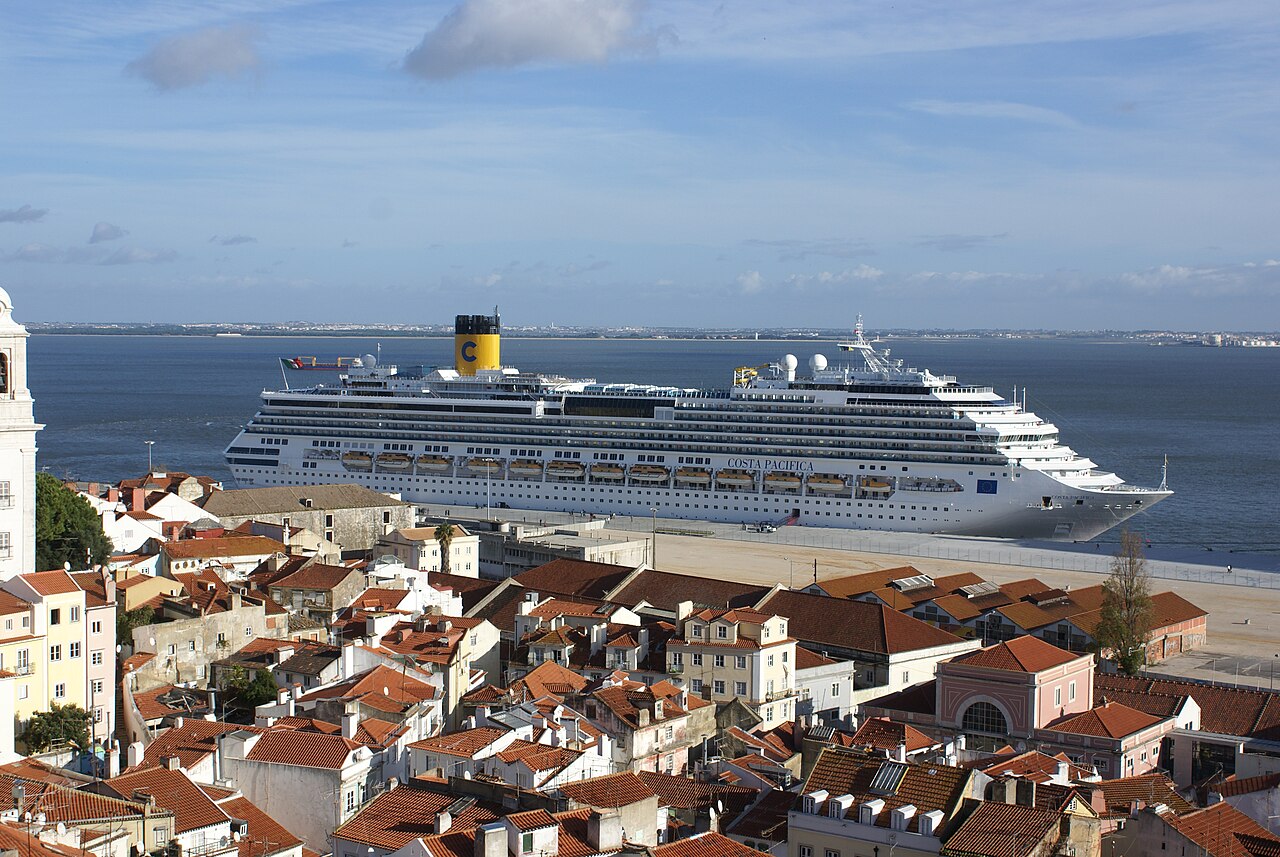
Portugal is where I learned that a trip can be productive while doing almost nothing. I came for a week, stayed longer than planned, and came back to test whether it was the country or just the novelty. Both visits fed the pieces collected here. This is the guide I wish I'd had: not a top-ten, but a plan for doing Portugal slowly, mostly solo, mostly on a budget.
Base yourself in Lisbon, properly
Lisbon works as a base in a way few capitals do — small enough to learn in days, connected enough to leave from. Start with the first-trip guide for orientation, then go deeper with the slow neighborhood guide, which is where I argue against treating the city as a two-day checklist. The hills matter more than the attractions; picking the wrong base means climbing them daily.
Solo in Lisbon deserves its own words. Being alone in Lisbon covers eating alone without feeling exposed, meeting people without forcing it, and why the city suits first-time solo travelers. If travel anxiety is the thing standing between you and booking, my piece on anxiety in Lisbon was written on the trip where I stopped pretending it wasn't a factor — the practical part, not the inspirational part.
Where to sleep is the other big decision: hostels versus private rooms in Portugal is my honest cost-and-sleep comparison across both trips, including the arithmetic that made me switch sides partway through.
The coast is the second half of the country
Lisbon gets the attention; the coast is the reason to come back. The ultimate coast guide is the frame — north and south, what each stretch does well — and the west coast piece on surfing and lighthouses is my favorite of everything I've written about Portugal: smaller towns, working lighthouses, Atlantic water that doesn't pretend to be warm.
The slow principle extends beyond the capital: day trips, not transit days. Solo day trips from Lisbon and beyond covers the routes that work alone without a car — trains, buses, timing — and which ones I'd skip in high season.
Logistics: moving around without a car
I've done Portugal entirely car-free, twice. The solo transport guide is the practical backbone: how the train and bus networks actually connect, when to book ahead versus buy at the station, and the regional gaps where you'll be waiting a while. It's the piece I'd hand someone after they've chosen their bases. The short version of my position: for a Lisbon-and-coast trip, renting a car buys you almost nothing and costs you parking headaches in every city you actually want to be in.
What the second visit taught me
Two pieces here are less guide than report card. Lisbon against the rest of Europe asks whether the city still earns the hype now that everyone's been — my answer is a qualified yes with conditions that have changed since my first visit. The return-trip piece tackles the stranger question: does a place you loved hold up when the novelty is gone? For Portugal, mostly yes, and knowing exactly where it didn't is why the second trip was better than the first.
The accumulated lessons — what I'd book differently, what I'd skip, what I'd do earlier — are gathered in solo Portugal lessons, which is the piece to read the night before you fly.
Where to next
Read in this order if you're planning from zero: first-trip guide to scope the trip, neighborhoods to pick your base, transport to connect it, then the coast guide for the second half. Once Portugal starts looking expensive next to your other options, my cheap flights guide handles getting there, and the travel insurance guide handles the part everyone books last.

Travel Writer & Editor
Emily Johnson writes and edits Do Travel Blog. Every guide on the site starts the same way: with a question she actually had while planning — when to book, which pass to buy, how to get from A to B without overpaying. Where a number matters, she cites the source: park tickets link to the park's own fee page, visa rules to the official consulate, ferry times to the operator. Prices get re-checked against those pages before each update, and a guide is re-dated when its numbers move. Nothing here is sponsored — she doesn't accept payment for coverage. Spotted something stale or wrong? Email hello@dotravel.blog and she'll fix it.