Travel Packing Guide: A System, Not a Checklist
A travel packing guide built as a system: carry-on first, one-bag discipline, and layering that survives four seasons without a second suitcase.
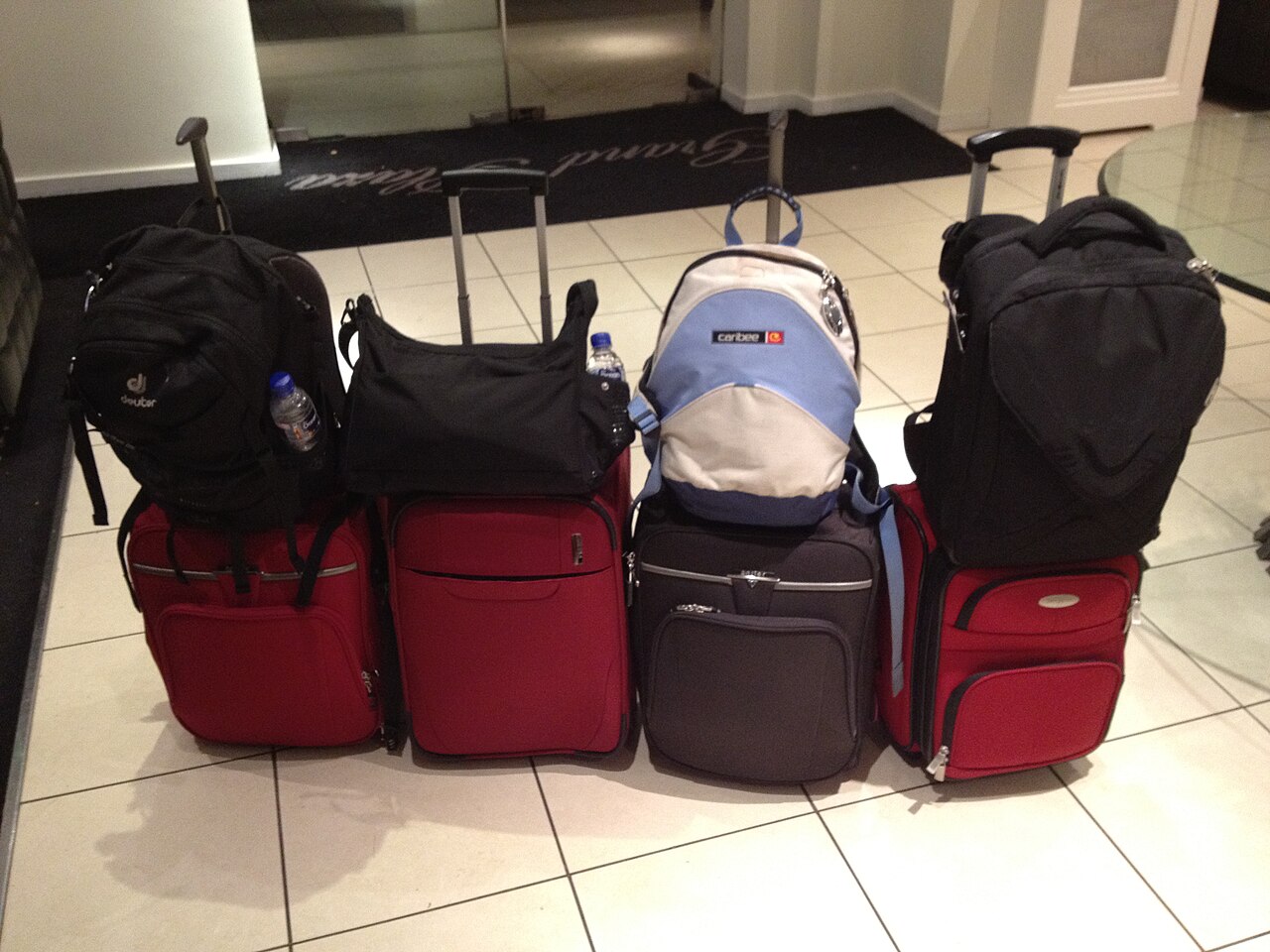
Most packing guides are lists. Lists are fine until you stand in front of an open suitcase with no idea why you bought two pairs of sandals for a trip with no beach. What actually changed my travel was abandoning lists for a system with three rules: carry-on first, one bag for everything, layers instead of bulk. This page is that system, in the order I'd teach it.
Rule one: carry-on is the constraint, not the goal
People ask how to fit everything in a carry-on. Wrong question. The carry-on only works because it forces decisions. I start every trip — two weeks or two months — by pretending the checked bag doesn't exist, and carrying on through multiple countries is the piece where I explain why that constraint pays: no lost luggage, no check-in queues, no waiting at the belt when a connection is tight.
It's not a religion. Family flights change the math entirely, and packing for family flights covers when checking a bag is simply the right call. But for solo and budget travel, the carry-on constraint is the single highest-leverage decision in the whole system.
Rule two: one bag, packed by method not by mood
A bag that works is a bag with a method. My folding and rolling method is the mechanical core — not because folding style is magic, but because a repeatable method means you can repack in a hostel bunk at 6 a.m. without spreading your underwear across the room. The gear that earns its space is catalogued in the backpack gear guide, and choosing the container comes first: how I pick a hiking backpack walks through fit, capacity, and why liters lie.
The failures taught me more than the wins. My backpack packing mistakes and the carry-on mistakes I made first are the two pieces I wish I'd read before my first long trip — overpacking "just in case" items, packing the things you need at security at the bottom, and other errors I have paid for in airports on three continents.
The extreme end of the system is the minimalist essentials list, and the stress test is surviving on one shirt for three days when the airline loses the bag entirely. You don't need to live like that. But knowing you could changes what you pack.
Rule three: layers beat bulk
A jacket for every city is how suitcases grow. Layers are how one bag covers a heatwave and a cold snap: base, mid, shell, and the discipline to wear the heaviest item on the plane. Packing for all seasons is the full framework, and winter is the boss level — winter packing without a second bag handles the boots-and-coat problem that defeats most one-bag travelers.
Applying it: the destinations
The system flexes per region, and the regional pieces show the flexing. Asia's humidity and laundromat density are covered in the Asia carry-on packing guide. The budget cabin packing list handles airlines that count grams, and the weekend low-cost carry-on trip shows the compressed two-day version. If you're sleeping in bunks, packing for capsule hotels solves the locker-size problem. Italy's cities get their own kit in the Italy carry-on essentials, seasonal specifics live in the June Japan packing list and the Peru packing list, and when the trip goes vertical, the mountain hiking packing list takes over.
And when the system fails — it will, eventually — what to do about lost luggage at Fiumicino is the piece for the day the checked bag you swore you'd never check goes missing.
Where to next
Start with the constraint: read the carry-on multi-country guide, then pick the method piece (folding method or essentials list) and pack once, for real, before you book anything. If a season or a region above matches your next trip, read its piece the night before you pack, not the night before you fly. And if you're still flying toward the trip rather than packing for it, my cheap flights guide picks up where this one leaves off.

Travel Writer & Editor
Emily Johnson writes and edits Do Travel Blog. Every guide on the site starts the same way: with a question she actually had while planning — when to book, which pass to buy, how to get from A to B without overpaying. Where a number matters, she cites the source: park tickets link to the park's own fee page, visa rules to the official consulate, ferry times to the operator. Prices get re-checked against those pages before each update, and a guide is re-dated when its numbers move. Nothing here is sponsored — she doesn't accept payment for coverage. Spotted something stale or wrong? Email hello@dotravel.blog and she'll fix it.