Peru Travel Guide: Budget Machu Picchu and Sacred Valley
Twelve Peru pieces in one route: the twelve-day Cusco plan, Machu Picchu without the tour markup, and a month of farm life in the Sacred Valley.
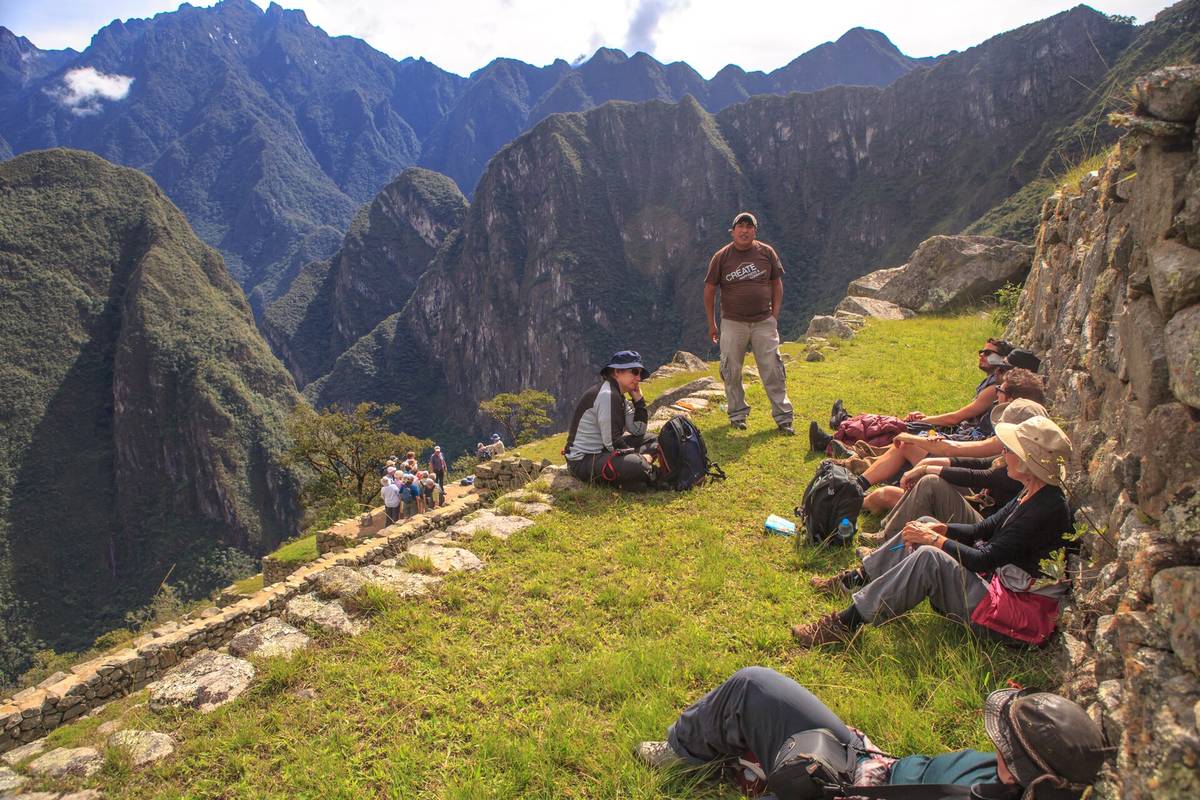
Peru splits the way Italy does: the tick-list and the slow list. We wrote twelve pieces, and they fall cleanly on either side — the Cusco corridor with Machu Picchu at its end, and a month of Sacred Valley farm life that most visitors drive past. This guide orders both, and argues for doing them in that order.
The twelve-day corridor
the twelve-day itinerary is the frame: Lima, Cusco, the Sacred Valley, Machu Picchu. Before pricing anything, read the full cost breakdown — Peru's budget reputation survives only if you book the Machu Picchu legs yourself, and the budget guide to the site shows exactly which markups to skip. the free-and-cheap Cusco list covers the days the altitude wants you slow anyway. Pack from the twelve-day packing list; the Sacred Valley nights run colder than Lima ever suggests.
Altitude is the real itinerary-writer
Cusco sits at 3,400 metres and the Sacred Valley higher in patches — no packing list fixes that. The corridor pieces assume you spend two nights in Cusco before any early start, and the farm month works precisely because it doesn't. Build the altitude days into the plan on purpose or the itinerary will build them in for you.
Machu Picchu without the markups
The single biggest budget swing in Peru is how you book Machu Picchu, and the difference is measurable: the official entrance for foreigners runs around $45 to $55 in 2026, lesser-known time slots cost less, the Inca Trail permit runs $500 to $700 while the Salkantay trek usually comes in under $300, and the train to Aguas Calientes — the expense everyone assumes is unavoidable — has a cheap land-and-rail alternative via the Carretera Hiram Bingham for about $10. Shoulder months matter too: April and September tickets run roughly $50 to $60 and Cusco–Aguas Calientes train fares drop 15 to 20 percent against July. Every one of those numbers is unpacked in the budget guide to the site — read it before you price the corridor, because the markups hide in the add-ons, not the ticket.
When to go, and when the farm month makes sense
The corridor works hardest in the April–May and September–October shoulders: drier than the wet season, thinner than June-to-August, and cheaper on every Machu Picchu leg — which is also when the altitude days are kindest. The farm month has different logic; harvest calendars set the dates, not weather grids, so once you've read the farm series below, ask hosts what the season actually needs rather than fitting your trip around a guidebook month.
What the twelve days actually costs
The honest daily ladder, straight from the cost breakdown: a backpacker runs $50–70 per day, a mid-range explorer $100–150, and a comfort seeker $200–300. Flights usually eat 30–40 percent of the total for a 12-day trip — high season (June–August) fares spike 30–50 percent above average, while the rainy November–March window drops them 20–40 percent — so the season you pick moves the budget more than any hostel choice. On the ground, dorm beds run $8–15 per night (Cusco near the Plaza de Armas averages $12), private hostel rooms $20–40, budget hotels $30–60, and the Sacred Valley lands in the same $10–14 band as Arequipa. The pattern to copy: splurge where the markup is contractual — guides, permits, transport — and stay cheap where comfort is fungible.
The slow half: a month on a farm
The Sacred Valley farm series is the deepest thing on this site about volunteer travel. Start with the complete farm-work guide, then how to actually find a work exchange, what a month looks like in my coffee-farm volunteer story, the unglamorous details in food, lodging and daily life, and the ethics-plus-logistics of choosing an organic farm. Read that series before you commit money to a "voluntourism" package — the difference is mostly the contract.
My verdict after both halves: the tick-list earns its reputation, but the farm month is the part I still think about. If your dates only fit one, do the corridor properly instead of doing both badly.
The gap
We haven't written Arequipa, Colca, Lake Titicaca or the north coast. The south-east corridor we can stand behind; the rest waits for the trip.
Official sources
Details worth verifying before you go — checked against:
Travel Writer & Editor
Emily Johnson writes and edits Do Travel Blog. Every guide on the site starts the same way: with a question she actually had while planning — when to book, which pass to buy, how to get from A to B without overpaying. Where a number matters, she cites the source: park tickets link to the park's own fee page, visa rules to the official consulate, ferry times to the operator. Prices get re-checked against those pages before each update, and a guide is re-dated when its numbers move. Nothing here is sponsored — she doesn't accept payment for coverage. Spotted something stale or wrong? Email hello@dotravel.blog and she'll fix it.