New Zealand Travel Guide: Two Islands by Road and Trail
A New Zealand travel guide built around road trips and alpine tramping: three-week itineraries, glaciers and volcanoes, driving on the left, and the Tongariro weather system.
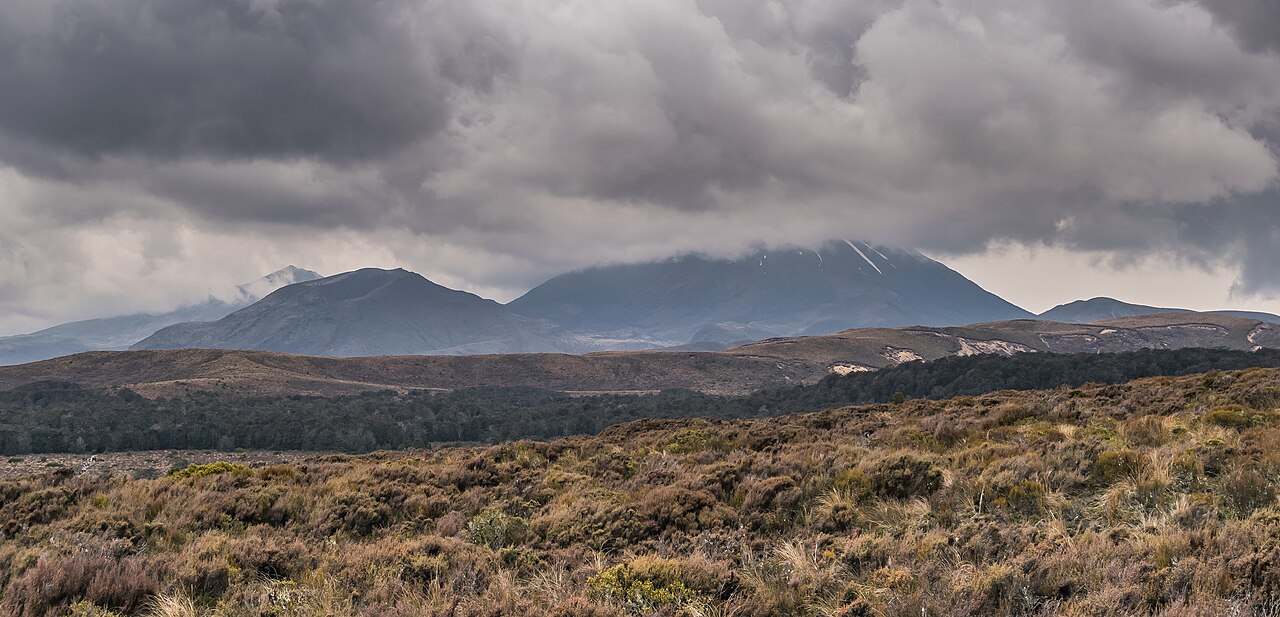
New Zealand is two countries wearing one name. The North Island is volcanic, geothermal, and warmer; the South Island is alpine, glacial, and colder, and the ferry between them is a genuine border in how you plan. I've done both by campervan and rental car, and this guide is organized around the two things that actually decide whether the trip works: the road, and the weather.
The itineraries, by how much time you have
The classic ask is "three weeks — North or South or both?" My answer lives in the three-week road trip itinerary: both islands are doable, but the drive days are long and the ferry eats a half day, so it works only if you resist the urge to add stops. If you have a month or more — or you're deciding whether to — the multi-week itinerary shows what slower travel buys you, and it's mostly South Island detours the three-week version has to wave at.
My one firm opinion: don't split a two-week trip across both islands. Pick one. New Zealand's roads are scenic, which is exactly why they're slow.
The driving is the trip
You will spend more hours driving in New Zealand than in almost any comparable country, so the driving tips guide is required reading: driving on the left (rental cars put the gearshift on your wrong hand on purpose), single-lane bridges, one-way systems in small towns, and the etiquette of pull-over bays on the winding coastal roads. The distances look short on the map. They are not short. Google Maps' estimates are optimistic on any road that isn't a motorway, and there aren't many motorways.
Glaciers and volcanoes, compared
The two islands' headline experiences sit in the trekking and glaciers guide — the South Island's ice, the tracks that get you near it, and what fitness level each demands — and the volcanoes and geothermal guide for the North's steam fields, crater walks, and the (closed, on and off) summit situation at the big volcanic parks. Together they're the argument for doing both islands eventually.
Tongariro: the weather deep-dive
The Alpine Crossing is the best day walk I've done, and it's also the best illustration of New Zealand's core lesson: the weather decides, not you. I planned one day for it and got lucky; the smarter plan is flexibility, and the pieces below are how I'd think about it now.
Start with the exposed sections, ranked by weather risk to see where the track actually bites when conditions turn. My own four-weather-shifts account is the honest version — one crossing, four kinds of weather, and the decisions as they happened. When the morning forecast and the afternoon disagree about your kit, the gear comparison works through what to carry and what to leave. Then the two planning pieces: the go/no-go decision tutorial teaches you to read the mountain's forecasts and make the call yourself, and the month-by-month guide settles the "when should I book" question — the answer is more forgiving than the forum posts suggest.
That's a lot of articles about one track. It earned them — people get rescued off that mountain every year for skipping exactly this thinking.
Packing for four seasons in one day
The Tongariro problem generalizes to the whole country, which is why the road trip packing list leads with layers rather than outfits. Merino base layers, a real rain shell, and footwear that can handle mud are non-negotiable; everything else is negotiable, and the list says which campervan items rental companies quietly expect you to already own.
Official sources
Details worth verifying before you go — checked against:
- Doc — New Zealand Department of Conservation, track and hut info
- Metservice — official weather forecasts
- NZTA — road conditions and driving rules
Where I'd start
Read in this order if you're overwhelmed: the itinerary to pick your island and dates, the driving guide because it shapes every day, and the weather tutorial if the Crossing is on your list. From there the specialists above fill in the gaps, and the packing list closes the loop.

Travel Writer & Editor
Emily Johnson writes and edits Do Travel Blog. Every guide on the site starts the same way: with a question she actually had while planning — when to book, which pass to buy, how to get from A to B without overpaying. Where a number matters, she cites the source: park tickets link to the park's own fee page, visa rules to the official consulate, ferry times to the operator. Prices get re-checked against those pages before each update, and a guide is re-dated when its numbers move. Nothing here is sponsored — she doesn't accept payment for coverage. Spotted something stale or wrong? Email hello@dotravel.blog and she'll fix it.