Japan Travel Guide: Routes, Capsule Hotels, and June
Thirty-three Japan pieces, one workable plan: a ten-day Tokyo–Kyoto route, where to sleep cheap, and why rainy-season June deserves a second look.
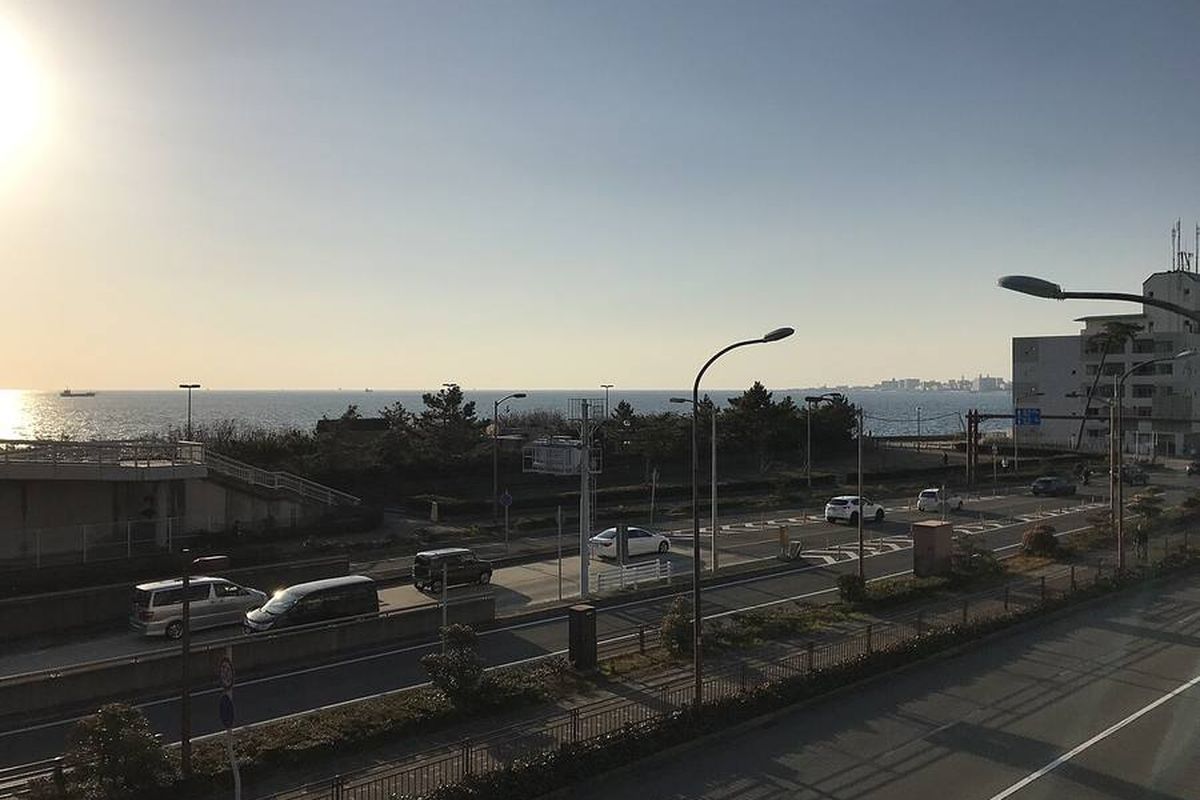
Japan is the one destination where we publish a guide for a month most people avoid. Thirty-three pieces later, two conclusions survived contact with the trip: June is a better time than its reputation, and the classic ten-day route earns its popularity. This page puts both in order.
Start with the ten-day spine
Tokyo, Kyoto, Osaka — the ten-day itinerary is the frame, and the day-by-day breakdown fills it in. Before you commit to anything, read the JR Pass cost breakdown, because at current prices the pass is no longer the automatic yes it was five years ago; for some 10-day routes it loses to point-to-point tickets.
The arithmetic behind that warning, with the conditions attached: Tokyo to Kyoto is about two hours fifteen minutes on the Shinkansen, 13,000–14,000 yen one way, and the round trip plus the hop to Osaka lands between 27,000 and 28,000 yen — against roughly 50,000 yen for the standard 7-day pass in 2026. On the bare loop, tickets win. The pass starts earning its keep when you bolt on a long leg, a Hiroshima round trip at around 19,000 yen being the classic, or when you use JR lines heavily inside each city. It doesn't cover the fastest Nozomi trains, subways, or private railways, and non-JR transit adds 1,000–2,000 yen a day regardless. If you do buy the pass, activate it on day three or four and ride Tokyo's first days on a Suica card.
June, honestly
The June-specific pieces assume rain and plan around it: the first-timer's guide to June, how to actually survive the rainy season, and what the wet does to trains. The mechanism, briefly: tsuyu, the plum rain, starts in early June in Okinawa and Kyushu and moves north — Hokkaido mostly skips it. Tokyo, Kyoto, and Osaka run 18–26°C through the month, and the humidity, not the rain, is what wears you down. Forecasts at 40 percent mean short bursts, not all-day soakers; a clear umbrella costs a few hundred yen at any 7-Eleven, but bring the rain jacket from home. June also has its own rewards — rain-season festivals, hydrangea spots, since the hydrangea is the flower of the season, and seasonal food you won't see in autumn.
Sleeping cheap is a solved problem
We went unusually deep on capsule hotels, and the pieces build on each other: start with the first-timer's night guide and the first-night diary, learn the etiquette rules before you embarrass yourself, pack with the survival kit list, then compare models in the luxury-vs-budget comparison. If capsules just aren't for you, the no-capsule plan and Tokyo wards ranked by price and transit are the honest alternatives.
The mechanics, so nothing surprises you at check-in: the concept started in Osaka in the 1970s for businessmen who missed the last train, and it still runs on the same logic. Shoes come off at the door, a locker is your only private space, and pods stack two or three high on gender-separated floors. Big suitcase? Ask about oversized lockers before you book — some Shinjuku places assume you travel light. Business hotels like Toyoko Inn or APA are the private-room alternative, often with breakfast included, and June's soft demand makes them cheaper than they'll be in April.
Budget overall? the June budget breakdown has the numbers with their conditions attached, and the ten-day budget tips piece pairs with it.
Eating well on konbini money
The budget pieces answer the cost question better than any guidebook: eat on local rhythm and Japan is manageable. Konbini breakfast — onigiri or a bento from 7-Eleven or Lawson — runs a few hundred yen, and the quality embarrasses the equivalent back home. Gyudon chains like Yoshinoya, Matsuya, and Sukiya fill you up for pocket change. The underrated trick is supermarkets after 7 p.m., when sushi and prepared food get marked down 30 to 50 percent to clear the day's stock. For the sit-down version, the Tokyo–Kyoto–Osaka food guide is the piece to plan meals around.
Which city deserves the nights
the Tokyo, Kyoto, Osaka comparison answers the question people ask in comments: none of the three is skippable on a first trip, but they don't need equal time. Tokyo takes the most days and the most money — the consolation is that its best view is free, from the Metropolitan Government Building's observation decks in Shinjuku, where a clear June evening can include Mount Fuji. the lodging-type comparison and monthly rentals and share houses matter if you're staying past two weeks. Book rooms through the platforms guide before arrival; walk-in prices are not a thing here.
Packing and the honest afterword
June packing is its own skill: the June packing list is what we'd hand a friend. And when the trip is over, the honest reflection piece asks whether June was actually right — read it after booking, not before, or it will just make you nervous.
Beyond the big three
Kyoto out of season is a different city — autumn temples and zen gardens is the piece we'd save for a return trip. And if the capitals wear you out, the countryside spring traditions piece is the best argument we've written for a rural detour between the two big stops.
Where the cluster is uneven
Culture is covered well: cultural experiences worth booking. Sakura gets strong pieces (chasing sakura, rural sakura away from the crowds, and the Tohoku and Shikoku spots most itineraries miss) — but we have no real winter coverage yet. If your trip is December–February, this guide is only half a plan; treat the transport and lodging pieces as evergreen and find snow-specific advice elsewhere.
Official sources
Details worth verifying before you go — checked against:

Travel Writer & Editor
Emily Johnson writes and edits Do Travel Blog. Every guide on the site starts the same way: with a question she actually had while planning — when to book, which pass to buy, how to get from A to B without overpaying. Where a number matters, she cites the source: park tickets link to the park's own fee page, visa rules to the official consulate, ferry times to the operator. Prices get re-checked against those pages before each update, and a guide is re-dated when its numbers move. Nothing here is sponsored — she doesn't accept payment for coverage. Spotted something stale or wrong? Email hello@dotravel.blog and she'll fix it.